
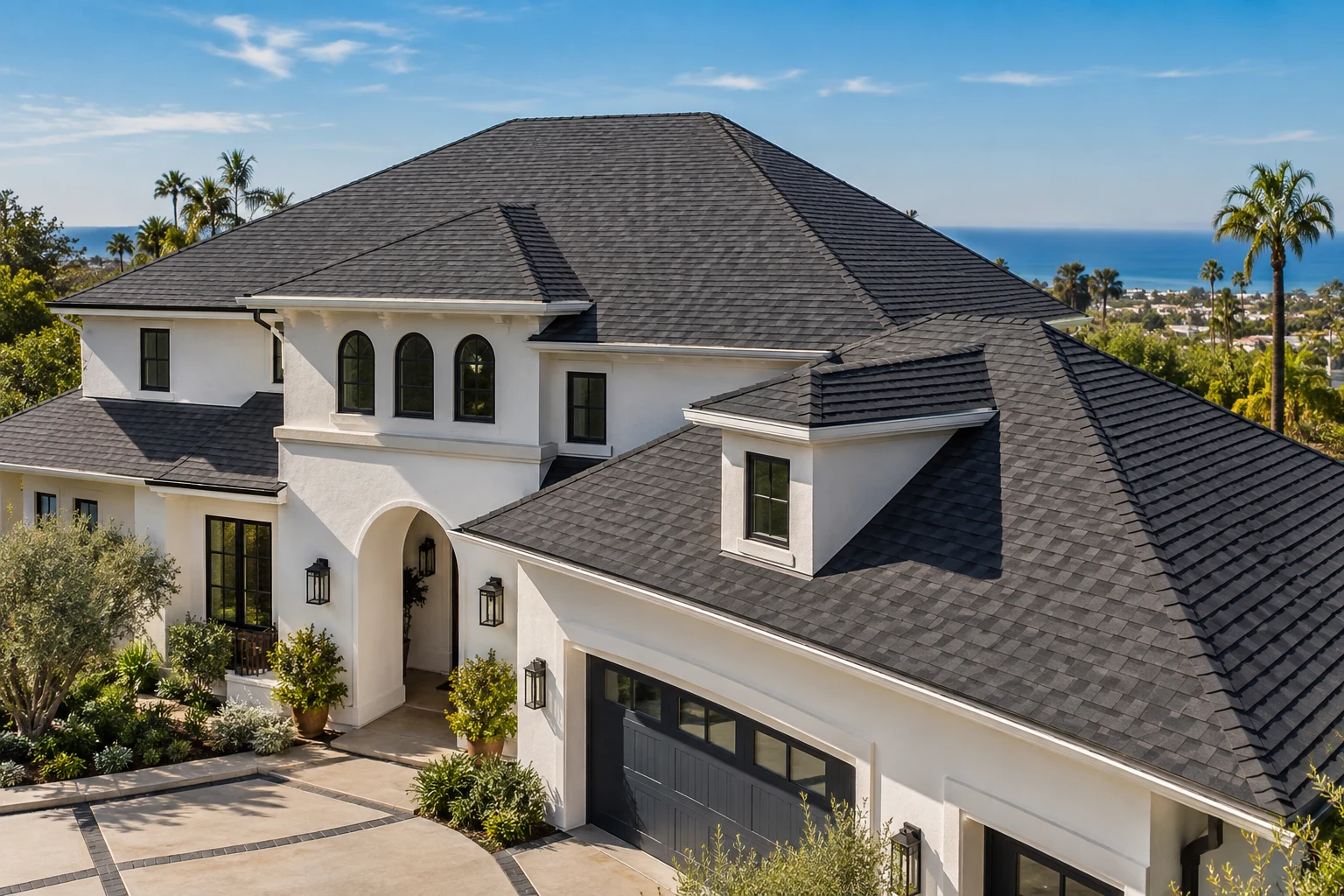
Why Southern California Homeowners Need Cool Roof Technology Today
Southern California’s climate creates a unique opportunity for homeowners to invest in technology that directly reduces cooling costs while improving home comfort. Cool roofs—systems designed to reflect sunlight and heat away from your home—have become more than just an environmentally conscious choice. They’re now a smart financial decision backed by California’s Title 24 energy standards and proven to lower utility bills year-round.
We’ve spent years helping Southern California homeowners understand how cool roof technology works and why it matters for their specific climate and property. If you’re considering a roof replacement or maintenance project, understanding cool roof options can help you make a decision that balances upfront costs with long-term energy savings.
Your roof absorbs tremendous heat throughout the day, especially in our region where summer temperatures regularly exceed 90 degrees. Traditional dark asphalt shingles can reach surface temperatures of 150-180 degrees Fahrenheit on sunny days, forcing your air conditioning system to work harder to maintain comfortable indoor temperatures.
Cool roof technology changes this dynamic. By reflecting more sunlight and emitting absorbed heat more efficiently, cool roofs keep your home naturally cooler. The difference might seem small—potentially 5-15 degrees cooler roof surface—but that translates directly to reduced cooling demand during peak summer months when utility rates are highest.
Beyond personal comfort and lower bills, cool roofs contribute to reducing the urban heat island effect that makes Southern California cities measurably warmer than surrounding areas. This broader environmental benefit is why California has progressively strengthened energy efficiency requirements for residential and commercial properties.
For homeowners, the practical benefit is straightforward: if you’re going to replace your roof anyway, choosing a cool roof system costs little to nothing more while delivering years of energy savings.
Understanding Cool Roofs and Reflective Coating Systems
Cool roofs work through two fundamental properties: solar reflectance and thermal emittance. Solar reflectance measures how much sunlight a surface bounces back into the atmosphere rather than absorbing it. Thermal emittance measures how effectively a surface releases absorbed heat.
We typically see two approaches in our service area:
Reflective coatings are applied to existing roofs. These coatings contain special pigments and polymers that increase reflectance without requiring full replacement. They’re easier to install and cost less upfront, making them ideal for roofs that are still structurally sound but aging or discolored.
Cool roof replacement materials include asphalt shingles and tiles manufactured with reflective granules and lighter colors. When you’re replacing your entire roof anyway, selecting materials with cool roof properties costs minimal extra while delivering the full benefits of a complete system.
Both approaches achieve Energy Star certification when they meet strict solar reflectance and thermal emittance standards. The choice between them depends on your roof’s current condition, budget, and timeline.
Title 24 Compliance: What Southern California Homeowners Must Know
California’s Title 24 energy standards apply to most residential roof replacements across our service territory. These regulations require new roofs to meet minimum solar reflectance requirements—essentially mandating that replacement roofs perform better at reflecting heat than older dark shingles.
The specifics matter because Title 24 defines different requirements based on your roof’s slope and exposure. Steep-slope roofs (typical residential asphalt shingle roofs) must achieve a solar reflectance value of at least 0.65 when new. This requirement doesn’t mean you must install a bright white roof—modern cool roof materials come in earth tones, grays, and architectural colors that still meet the standard while matching your home’s aesthetic.
When you’re planning Southern California roof replacement, Title 24 compliance isn’t optional for most properties. The good news is that meeting these standards qualifies you for potential rebates and incentives from local utility companies. We help homeowners navigate these incentive programs during the design phase, sometimes reducing net costs significantly.
Non-compliance can result in permit delays or rejection, making it essential to work with contractors who understand these regulations. We design every roof replacement in our service area with Title 24 requirements as a baseline, not an afterthought.
Energy Efficiency Benefits That Lower Your Monthly Utility Costs
The financial case for cool roofs rests on measurable energy savings. Studies consistently show that cool roofs reduce cooling energy consumption by 10-30% depending on your current system, insulation levels, and local climate patterns.
Financing may be available through third-party lenders for qualified applicants. Availability, APR, fees, down payment, and repayment terms depend on the lender and approval. Review the complete loan terms before accepting.
The savings are largest when you’re cooling frequently—summer months in the Inland Empire, for instance, see greater benefits than coastal properties with naturally cooler temperatures. We often see homeowners in Los Angeles County roof replacement areas like the San Fernando Valley and inland communities realize the fastest payback on cool roof investments.
Beyond reduced cooling costs, cooler roofs also reduce thermal stress on roofing materials, potentially extending their functional life and delaying replacement cycles. This secondary benefit isn’t always quantified in energy calculations but adds real value over decades of ownership.
How Our Cool Roof Solutions Exceed Energy Star Standards
Our approach to cool roofing combines premium materials with strategic design. We’re an Owens Corning Preferred Contractor, which means we specify and install asphalt shingles engineered specifically for reflectance and durability in Southern California’s intense sun.
These shingles use advanced granule technology to maintain reflectance properties throughout their lifespan—critical because older roofs naturally accumulate dirt and lose reflectance over time. Owens Corning’s cool roof products maintain 65%+ solar reflectance after years of exposure, exceeding the Energy Star minimum of 0.65 initial reflectance.
For tile roofs, we work with manufacturers producing lightweight cool roof tiles in traditional styles and colors. These materials offer the aesthetic appeal of classic tile with the efficiency benefits of cool roof technology. They’re particularly popular in Orange County and Riverside County communities where tile roofing aligns with local architecture.
Our team also applies reflective coatings when coating makes more sense than full replacement. These coatings contain elastomeric polymers that stretch with seasonal temperature changes, preventing cracking and maintaining the reflective surface. We select coatings that provide 10+ years of protection while meeting Energy Star requirements.
Choosing Between Reflective Coatings and Cool Roof Replacement
Deciding between coating and replacement requires honest assessment of your roof’s structural condition. A coating works well on roofs with 5-10 years of remaining functional life and no significant damage. Coatings typically cost $2,000-5,000 for a residential property and can be applied in one or two days.
Replacement is appropriate when your roof shows signs of aging, leaking, or structural wear. Replacing your entire roof typically costs $8,000-25,000+ depending on size, complexity, and material choice, but it provides 20-30 years of protection. During replacement, you’re also addressing any underlying damage or ventilation issues that coatings can’t fix.
Consider this scenario: a 20-year-old asphalt roof showing minor wear with no active leaks is an excellent candidate for reflective coating. The coating buys you additional years while delivering immediate energy savings at lower cost. By contrast, a roof with multiple leaks, missing shingles, or visible wood damage needs replacement to address structural integrity—coating it would be a temporary cosmetic fix.
We assess each roof individually and recommend the option that makes sense for your property’s condition and your goals. We’d rather suggest a $3,000 coating that serves you well than oversell a $15,000 replacement you don’t yet need.
Installation Process and What to Expect
Reflective coating installation is straightforward. We prepare the roof surface by cleaning and repairing minor damage, then apply the coating following manufacturer specifications. Most coatings require two coats and cure over several days. You can typically use your home normally during the process, though we ask you to keep foot traffic off the roof while curing.
Cool roof replacement follows our standard roof replacement process. We remove the old roofing system, inspect the underlying structure for damage, repair any issues, and install the new cool roof materials. The installation typically takes 2-4 days depending on roof size and complexity. We coordinate with your neighbors, manage debris removal, and restore your property to clean condition before we leave.
We provide advance notice of work schedules, clearly explain what’s happening at each stage, and answer questions throughout the process. Most homeowners are surprised at how organized and minimally disruptive professional roof work actually is.
Long-Term Savings and ROI for Your Home
Over a 25-year roof lifespan, that extra $2,000 investment could deliver $9,000-12,000 in energy savings (accounting for modest utility rate increases). This calculation doesn’t include added value at resale—homes with energy-efficient roofing and documented energy savings appeal to modern buyers.
Local incentive programs sometimes boost returns further. Southern California utility companies occasionally offer rebates for cool roof installations, reducing net costs by $500-2,000. These programs change annually, but they’re worth investigating when you’re planning your replacement.
The financial case strengthens in high-heat areas. Properties in the Inland Empire, Coachella Valley, and similar hot-climate zones see ROI materialize faster than coastal properties. But across Southern California, cool roofs deliver measurable long-term savings for virtually every homeowner.
Why All Star Roofing Is Your Title 24 Compliant Partner
We understand Southern California’s specific climate challenges and energy requirements because we’ve served this region for over 45 years. Our combined team experience means we’ve managed roof replacements through evolving Title 24 standards and learned what works best across our diverse service area.
We provide free virtual satellite estimates using advanced technology to assess your roof’s condition and requirements, eliminating guesswork from the initial planning stage. This transparent approach means you understand exactly what’s needed before we discuss pricing or timelines.
Our commitment to quality shows in our material selections and installation standards. As an Owings Corning Preferred Contractor, we’re held to rigorous standards that benefit homeowners through warranty coverage and access to premium products. We also offer flexible financing with options starting at $0 down, making roof investments accessible regardless of immediate cash availability.
We stand behind our work with lifetime warranty options on materials and installation, giving you confidence in your investment. When you choose us for a cool roof replacement or coating, you’re partnering with contractors who’ve earned trust across Los Angeles, Orange, San Bernardino, Riverside, and Ventura counties.
Ready to explore cool roof options for your home? Schedule your free virtual estimate today and let’s discuss which solution makes sense for your property, budget, and energy goals.
Request a Free Roof Estimate If you’re considering roof replacement for your home, starting with a virtual estimate allows you to gather information without pressure. It’s a practical way to understand scope, cost, and options before scheduling an on-site visit. Call (310) 729-3013 or visit https://teamallstarconstruction.com/contact/
Frequently Asked Questions (FAQ)
What’s the difference between a reflective coating and a full cool roof replacement?
We apply reflective coatings as a cost-effective upgrade to your existing roof, which reduces heat absorption and can help with Title 24 compliance without replacing the entire structure. A full cool roof replacement involves installing new energy-efficient roofing materials with built-in reflective properties, offering longer-term durability and superior energy savings.
We can assess your roof’s condition during a free satellite estimate and recommend which option makes the most sense for your home’s age and energy goals.
Will installing a cool roof actually lower my energy bills in Southern California?
Yes, we’ve seen homeowners reduce their cooling costs by 10-30% depending on their current roof condition and local climate zone. Cool roofs reflect more sunlight away from your home, which means your air conditioning system works less during our hot seasons. Combined with Title 24 compliance incentives and rebates we help you access, the payback period typically ranges from 5-8 years on a full replacement.
Are cool roofs required by California law, or is this optional?
Title 24 requires cool roof standards for new construction and major roof replacements in most California zones, but the specific requirements depend on your home’s location and roof type. We handle all the compliance details during your project, ensuring your new roof meets or exceeds state energy efficiency standards. Our free virtual estimate will clarify whether your situation triggers these requirements and what it means for your replacement timeline.