
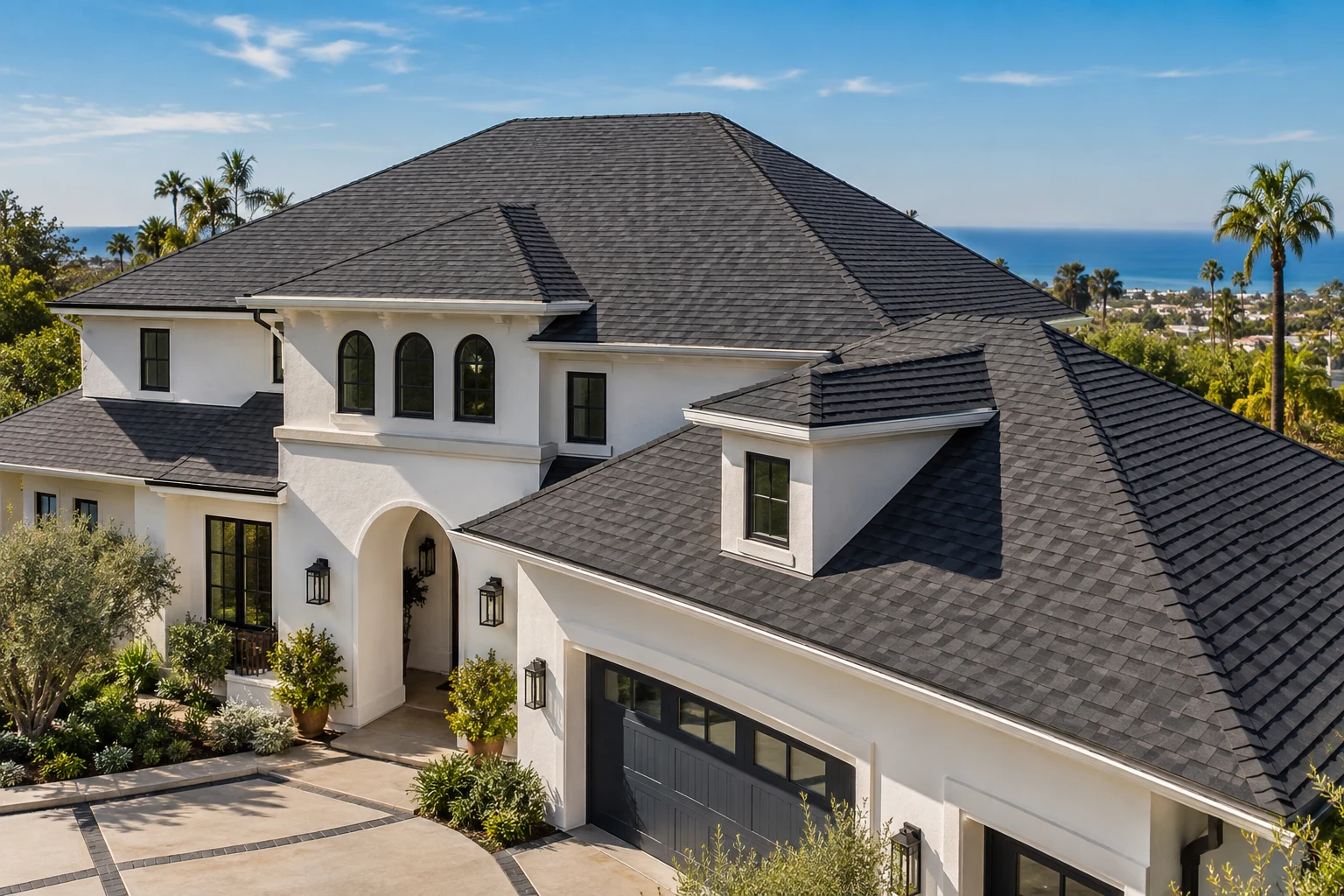
Learn how to choose roof material for your home based on climate, budget, lifespan, style, and energy efficiency for long-term value.
A roof can look great from the street and still be the wrong fit for the house underneath it. That is why homeowners asking how to choose roof material should start with performance first, then appearance. In Southern California, the right roofing choice needs to handle sun exposure, heat, seasonal rain, local building requirements, and the long-term goals you have for your home.
If you are replacing an aging roof, this decision affects more than curb appeal. It affects attic temperatures, maintenance needs, resale value, installation cost, and how long you can reasonably expect the new roof to last. For most homeowners, the best material is not the most expensive one or the one a neighbor picked. It is the one that matches your home, your budget, and the level of long-term protection you want.
How to Choose Roof Material Based on Your Priorities
The easiest way to narrow your options is to decide what matters most. Some homeowners want the lowest upfront cost. Others care more about lifespan, energy efficiency, or preserving the architectural look of the home. A Spanish-style house in Orange County may be a natural fit for clay or concrete tile, while a traditional home in Riverside or Ventura County may be better served by a high-quality asphalt shingle system.
This is also where roof structure matters. Not every home is designed to carry the same roofing load. Tile is heavier than asphalt shingles, so the framing and underlying roof system may need closer evaluation before a replacement begins. A licensed contractor should look at both the visible roofing material and the structure below it before recommending a system.
For homeowners comparing options, the most practical filters are lifespan, weight, energy performance, appearance, and total project cost. Looking at only one factor usually leads to regret later.
Start With Southern California Climate Conditions
In Southern California, roof materials work under a different set of conditions than they do in colder or wetter parts of the country. Constant UV exposure, heat, occasional wind events, and bursts of heavy rain all put stress on roofing systems over time. That makes material selection especially important in Los Angeles, Orange, Riverside, San Bernardino, and Ventura Counties.
A material that holds up well under strong sun and helps reflect heat can improve indoor comfort and reduce strain on cooling systems. Cool roof options are worth serious attention, especially for homeowners dealing with high summer utility bills or homes with large areas of direct roof exposure. Energy efficiency is not just a marketing feature. In the right home, it becomes part of the long-term value of the replacement.
Local code requirements can also affect the decision. Some homes may need materials that meet specific fire ratings or energy standards. This is one reason replacement planning should be based on the property itself, not a generic online recommendation.
Asphalt Shingles
Asphalt shingles remain one of the most popular choices because they offer a strong balance of cost, performance, and design flexibility. They are typically the most budget-friendly option for complete residential roof replacement, and modern architectural shingles offer improved durability and a more dimensional look than older basic products.
For many homeowners, shingles make sense when the goal is reliable protection, a clean appearance, and a more manageable upfront investment. They are also available in colors and profiles that work with a wide range of home styles. When installed as part of a complete roofing system, quality shingles can provide dependable long-term performance.
Concrete and Clay Tile
Concrete and clay tile are common across Southern California for good reason. They complement many local architectural styles and are known for longevity. Tile roofs can perform very well in sunny climates, and they often appeal to homeowners who want a premium appearance and a longer material life.
That said, tile is not automatically the right answer for every house. The roof structure must be suitable for the weight, and the total replacement cost is generally higher than asphalt shingle. Tile systems also require skilled installation and attention to the underlayment beneath the tiles, since that component plays a major role in water protection.
Clay tile often carries a more distinctive, upscale look, while concrete tile can offer a similar visual effect at a different price point. Choosing between them usually comes down to style preference, budget, and structural considerations.
Flat and Low-Slope Roofing Systems
Some homes, especially certain contemporary designs, additions, or garage sections, have flat or low-slope roof areas. These sections need roofing systems specifically made for low-slope performance. Standard materials used on steep-slope roofs are not always appropriate here.
For these homes, the decision should focus heavily on drainage, waterproofing reliability, and heat exposure. Low-slope systems can perform very well when the design, material, and installation are matched correctly. They simply require a different approach than a conventional pitched roof.
Think Beyond Upfront Cost
One of the biggest mistakes homeowners make is choosing a roof material based only on the initial proposal price. A lower-cost roof may still be the more expensive decision over time if it has a shorter service life, lower energy efficiency, or less visual appeal for the property.
A more useful question is this: what are you paying for over the full life of the roof? If one material costs more now but lasts significantly longer and supports better energy performance, it may offer better long-term value. On the other hand, if you plan to sell within a few years, a different balance of cost and return may make more sense.
This is where clear estimate comparisons matter. Homeowners should understand not just material type, but also the full system being installed, warranty coverage, and whether the proposal accounts for proper tear-off, underlayment, ventilation considerations, and manufacturer requirements.
How to Choose Roof Material Without Overbuying
Not every home needs the highest-end roof system available. The goal is not to overspend. The goal is to choose a material that fits the house and solves the problem for the long term.
If your current roof has reached the end of its useful life and you want an attractive, dependable replacement with predictable cost, asphalt shingles may be the right move. If your home’s design calls for tile and you plan to stay in the property for many years, concrete or clay tile may be worth the investment. If reducing heat gain is a top concern, cool roof options deserve a closer look.
A good roofing recommendation should sound specific, not generic. It should reflect your roof shape, your home’s style, your neighborhood, your budget, and how long you plan to keep the property.
Style Still Matters, But It Comes After Fit
Homeowners naturally care about appearance, and they should. A new roof changes the look of the entire home. The color, profile, and texture all affect curb appeal. But style works best as the final filter, not the first one.
Once you know which materials are structurally appropriate and financially realistic, then it makes sense to compare colors and profiles. The best result is a roof that looks right on the house and performs well for years without forcing compromises where they matter most.
For example, a sleek low-profile look may be appealing, but if the material does not suit the roof’s slope or climate exposure, the visual benefit is short-lived. Good roof design balances appearance with practical performance.
Work With a Roofing Contractor Who Specializes in Replacement
Material selection is only half the equation. Even the best roofing product can underperform if the system design or installation is poor. That is why homeowners should work with a licensed, insured contractor who focuses on complete residential roof replacement rather than temporary solutions.
An experienced replacement specialist can explain the trade-offs clearly, evaluate whether the home can support heavier materials, identify ventilation or decking concerns, and recommend systems that fit Southern California conditions. They should also be able to walk you through warranty options, financing if needed, and what to expect during the replacement process.
All Star Roof Replacement, the residential roofing division of Team All Star Construction, CSLB #1009760, works with homeowners across Southern California to compare roofing systems based on long-term value, energy performance, and home-specific needs. That kind of guidance is especially useful when you are choosing between materials that all look good on paper but perform differently once installed.
The Best Roof Material Is the One That Fits the Whole Picture
If you are trying to decide how to choose roof material, stop looking for a universal best option. There is no single material that wins in every category. Asphalt shingles offer versatility and cost control. Concrete and clay tile offer longevity and strong architectural appeal. Cool roof systems can support better energy performance. Low-slope areas require specialized solutions.
The right decision comes from weighing climate, structure, appearance, budget, and how long you want the roof to serve the home. A roof replacement is a major investment, but it is also one of the clearest opportunities to improve protection, efficiency, and confidence in the condition of your home. The more carefully the material is matched to the house, the better that investment tends to feel years later.