
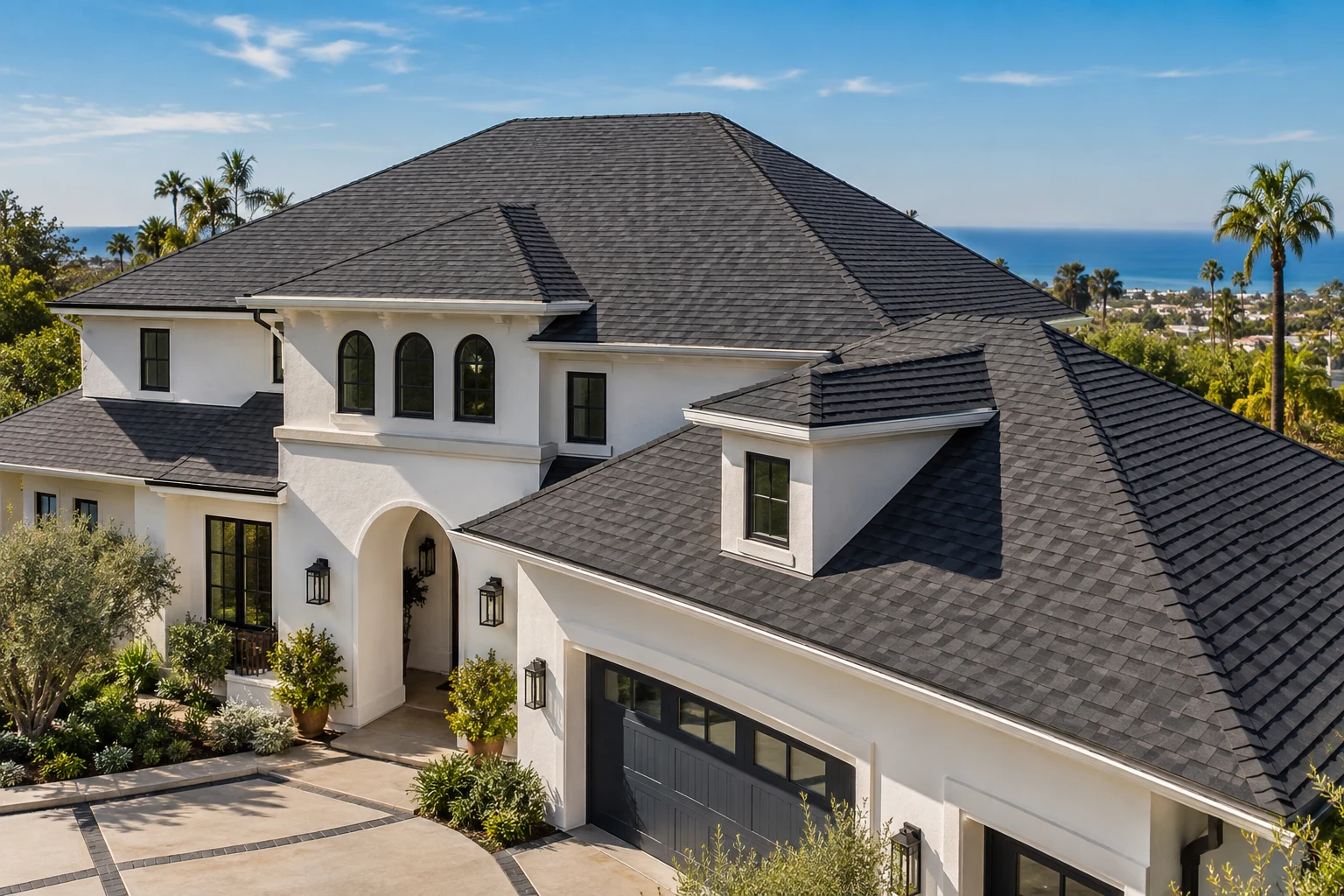
Learn how to compare roofing estimates the right way, from materials and labor to warranties, scope, and hidden costs for roof replacement.
One bid is $14,800. Another is $19,900. A third looks close to the first two, but the wording is vague and half the line items are missing. That is usually the moment homeowners start asking how to compare roofing estimates without getting lost in the numbers.
The truth is that roof replacement estimates are rarely apples to apples at first glance. Two proposals can look similar on price while covering very different materials, installation standards, ventilation work, warranty terms, and tear-off scope. If you are replacing a roof in Southern California, where heat, sun exposure, energy efficiency, and local code requirements all matter, the details inside the estimate are what protect your budget.
How to compare roofing estimates without missing the details
The best way to compare estimates is to slow the process down and look at scope before price. A lower number does not automatically mean a better value, and a higher number is not automatically overpriced. What matters is what each contractor is actually including.
Start by lining up the estimates side by side. If one contractor quoted a full roof replacement with complete tear-off, upgraded underlayment, new flashing, and ventilation improvements, while another gave a short one-page quote with only basic materials listed, those numbers are not comparable yet.
A good estimate should clearly identify the roof system being installed, not just the visible material. For example, asphalt shingles, tile, and flat roofing systems all include layers below the surface that affect performance and lifespan. If those layers are not spelled out, ask for clarification in writing.
Look at scope first, then total cost
Many homeowners jump straight to the bottom line. That is understandable, but it is where expensive misunderstandings begin. Roofing estimates should explain what is being removed, what is being replaced, and what happens to the components around the roof.
Tear-off and disposal
One estimate may include complete removal of old roofing materials and haul-away fees, while another may leave disposal vague. For a full residential reroof, you want to know exactly how many existing layers are being removed and whether all debris disposal is included.
Deck inspection and replacement terms
Most contractors cannot know the full condition of the wood decking until the old roof is removed. That means some estimates will list deck replacement as a separate possible charge. This is normal. What you want to compare is how clearly the contractor explains that contingency and how deck damage pricing will be handled if it is found.
Flashing, valleys, and penetrations
These are some of the most leak-prone areas of any roof. If one estimate includes replacing flashing around chimneys, walls, skylights, and vent penetrations, and another only says flashings will be reused if possible, that is a major difference in long-term protection.
Compare materials by system, not by brand name alone
Homeowners often focus on the shingle color or tile style, but the estimate should describe the full roofing assembly. A quality roof replacement is more than the outer layer.
If you are comparing shingle estimates, check the underlayment type, starter shingles, ridge materials, ventilation components, and manufacturer system compatibility. If one contractor offers an Owens Corning roofing system with manufacturer-backed warranty eligibility and another mixes products without clear system documentation, that matters.
For tile roofs, make sure the estimate identifies underlayment type, replacement of broken tiles, and how ridge and edge details will be handled. For flat roofing, compare membrane type, insulation details if applicable, drainage considerations, and edge metal. A vague line like “new flat roof installed” is not enough.
In warm Southern California climates, material choices can also affect attic heat, energy performance, and roof lifespan. That is one reason a more detailed proposal may carry a higher upfront cost but stronger long-term value.
Labor quality should be visible in the estimate
Not every proposal will describe workmanship in the same depth, but it should still tell you something about installation standards. If an estimate is only a material list with a total price, you are missing a large part of the decision.
Ask who will perform the work, whether the company is licensed and insured, and whether the installation follows manufacturer specifications. This is especially important if you want full warranty protection. Manufacturer-backed warranties generally depend on proper system installation, not just on buying branded materials.
A contractor operating under Team All Star Construction, CSLB #1009760, for example, should be able to clearly explain licensing, insurance, installation process, and what homeowners can expect before, during, and after roof replacement. That kind of transparency is part of the estimate, even if it is not a line-item charge.
Watch for missing line items that create surprise costs
A low estimate can become an expensive project if key work is excluded. This does not always mean the contractor is being dishonest. Sometimes it means the estimate was rushed or incomplete. Either way, homeowners need clarity before signing anything.
Pay close attention to whether the proposal addresses permits, drip edge, underlayment, ventilation upgrades, flashing replacement, jobsite cleanup, and warranty registration. If these are not mentioned, ask whether they are included, excluded, or billed separately.
This is one of the most practical parts of learning how to compare roofing estimates. You are not just comparing price. You are comparing what risks have been priced in and what risks may be pushed back onto you later.
Compare warranties carefully
Warranty language can make two estimates look similar when they are not. One contractor may offer only a basic workmanship promise, while another includes stronger workmanship coverage plus a manufacturer-backed system warranty.
Read the estimate closely and separate material warranties from labor warranties. Material coverage comes from the manufacturer, but workmanship coverage comes from the contractor. Both matter. A premium roofing product installed poorly is still a problem, and excellent installation with weak material protection may leave gaps later.
The strongest estimate usually explains what warranty is available, what conditions apply, and whether the roof system qualifies for enhanced manufacturer protection.
Ask these warranty questions
Ask how long workmanship is covered, what is required to keep the manufacturer warranty valid, and whether the estimate includes a complete system installation or only selected components. If the answers are vague, that is useful information in itself.
Payment terms tell you a lot about professionalism
A roofing estimate is also a business document. The payment schedule should feel organized, reasonable, and easy to understand. Be cautious if a contractor pushes for unusually large upfront payments or gives very little documentation.
Professional estimates usually spell out deposit amounts, progress payments if any, and final payment timing. Financing options may also be available, which can help homeowners choose a better long-term roof system instead of making a rushed decision based only on immediate cash flow.
Communication quality is part of the value
Homeowners often underestimate this point until the project starts. If a contractor is hard to reach, unclear in writing, or inconsistent during the estimate stage, that pattern usually does not improve once work is underway.
The estimate process should leave you with more clarity, not more confusion. You should understand the proposed roof system, timeline, payment structure, warranty coverage, and possible change conditions. A contractor who takes time to educate you is usually easier to work with when decisions come up during the project.
This is especially important for homeowners replacing older roofs before a sale, after an inspection issue, or ahead of solar installation. In those cases, scheduling, documentation, and predictability matter almost as much as price.
When the lowest estimate is not the best estimate
Sometimes the lowest bid really is competitive and complete. Other times it leaves out essentials that show up later as added charges, reduced material quality, or shorter-lived results. The only way to tell is to compare line by line.
A better question than “Which estimate is cheapest?” is “Which estimate gives me the clearest path to a durable roof replacement with fewer surprises?” That shift in thinking usually leads to a better decision.
For most homeowners, the right estimate balances fair pricing with strong scope, quality materials, proper installation standards, and clear warranty support. That is the kind of value that holds up after the crews leave and the invoices are paid.
If you are unsure between two proposals, ask each contractor to explain the differences in plain language. A good roofing company should be comfortable doing that. The goal is not to win a pricing game. It is to make a confident decision about the roof protecting your home for the next few decades.
When an estimate is detailed, transparent, and built around long-term performance, it usually stands out quickly. And that clarity is what makes comparing bids much easier than comparing prices alone.