
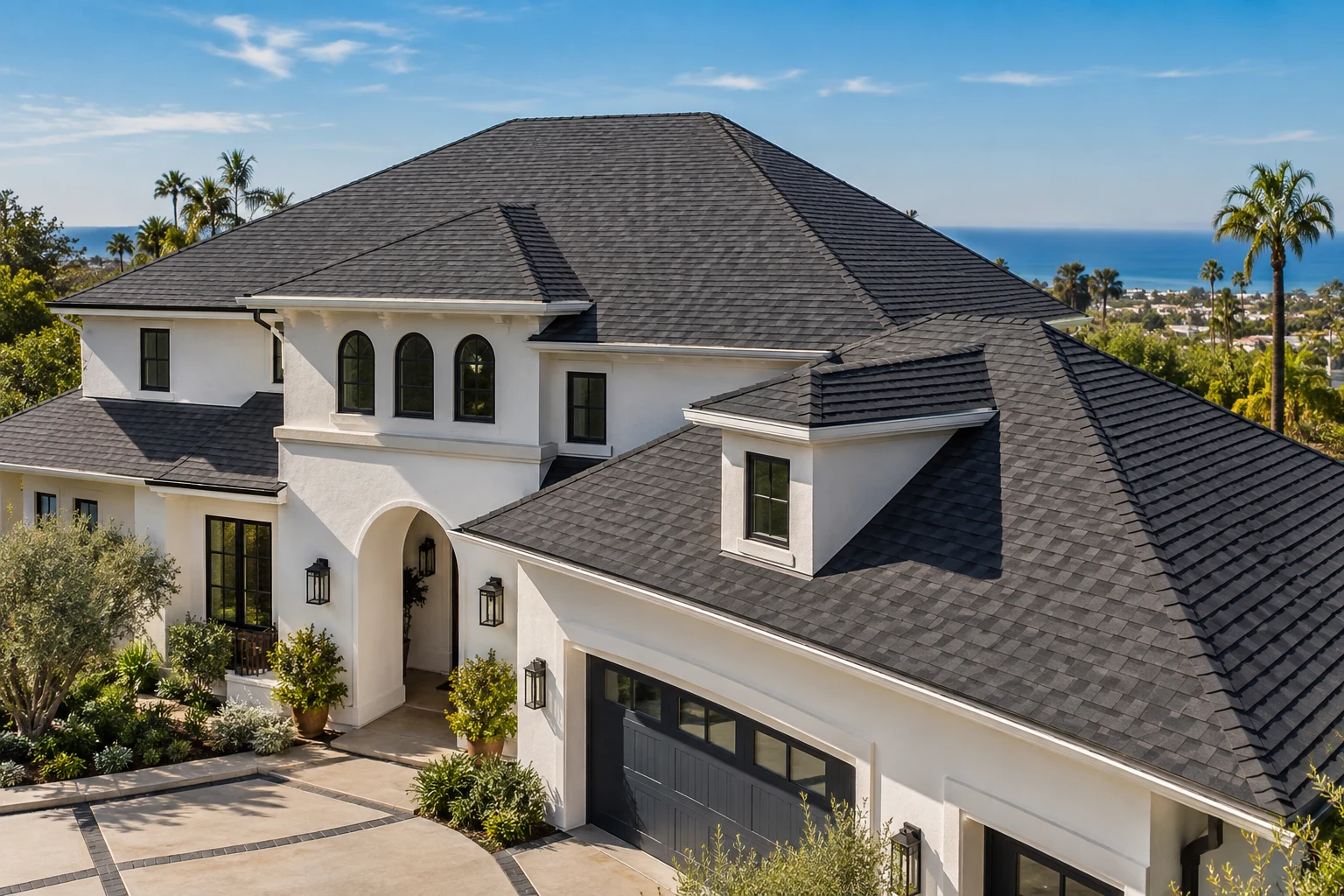
If your Downey home has an aging roof or recurring energy loss, upgrading to an energy-efficient roofing system may be the best long-term solution. At All Star Roof Replacement, we specialize in residential roof replacements designed to reduce your cooling costs and protect your home against Southern California’s intense sun and heat.
Our approach goes beyond just installing new shingles. We replace the full roofing system, including underlayment, ventilation, flashings, and drainage components—all key to maximizing energy efficiency and prolonging roof life in Downey’s specific climate.
Why Energy Efficiency Matters for Roofing in Downey
Local Climate Challenges Affecting Roof Energy Performance
In homes across Downey, we often see roofs that are struggling under relentless heat and UV exposure. The city’s hot, sunny climate means that roofing materials absorb large amounts of solar heat daily, which raises attic temperatures significantly. This added heat makes your air conditioning work harder and drives up energy bills.
Many homeowners don’t realize that poor attic ventilation traps heat inside roof cavities, accelerating aging of shingles and underlayment. Over time, this compromises roof performance and homeowner comfort. The intense UV rays here also cause faster degradation of roofing materials compared to other regions—reducing the system’s protective and energy-saving capabilities.
To address these issues, well-designed ventilation and durable roofing materials tailored to Downey’s climate are essential. Our experts explain how attic ventilation for energy efficiency can help maintain cooler attics and longer roof lifespans. We also guide you through the installation process and ventilation specifics involved in an energy-efficient roof replacement.
Common Energy-Related Roofing Issues from Neglect
A common issue during inspections is finding roofs with underperforming systems that send heat straight into the home. Without efficient roofing components, high Downey temperatures cause increased heat transfer through the roof deck, resulting in soaring cooling costs.
Many homeowners don’t realize that failing underlayment or damaged flashing can allow moisture intrusion, worsening insulation conditions and undermining energy efficiency. Additionally, the lack of reflective, cool roofing materials leads to higher attic temperatures, forcing HVAC systems to work overtime.
If you suspect your roof shows signs of roofing system failure, waiting may only deepen inefficiencies. Choosing replacement over frequent repairs is often the smarter option, especially when energy savings are a priority, as discussed in our repair vs replacement for energy efficiency guide.
Components of an Energy-Efficient Roofing System in Downey
Cool Roof Materials: CRRC-Rated Shingles, Tiles, and Membranes
The first step to reducing heat absorption is selecting appropriate roofing materials. For Downey’s climate, cool roof products rated by the Cool Roof Rating Council (CRRC) help reflect sunlight and lower roof surface temperatures.
We recommend CRRC-rated architectural shingles with cool color blends that minimize solar heat absorption without sacrificing curb appeal. For low-slope roofs, light-colored TPO or PVC membranes can reduce attic heat loads substantially.
Tile roofs are common across Downey’s older homes, and maintaining their energy efficiency requires proper lift-and-relay procedures with top-tier self-adhered underlayment and precision flashings to preserve waterproofing and thermal performance. Our choices consider the best roofing materials for Downey heat and integrate energy-saving cool roof products.
Underlayment and Flashings: The Hidden Energy Barriers
Underlayment and flashings might be hidden from view, but their role in energy efficiency is critical. Synthetic underlayments with superior heat resistance reduce heat transfer and provide a reliable waterproof barrier. They also stand up better to Downey’s UV exposure and temperature swings.
Corrosion-resistant metal flashings that are carefully detailed prevent leaks that could otherwise damage insulation or underlayments inside the roof system. In many cases, ineffective underlayment is a primary cause of energy inefficiency and premature roof deterioration.
We ensure these components perform optimally, incorporating knowledge from our underlayment role in energy efficiency resource and thoughtful system replacement considerations.
Ventilation Systems: Ridge, Intake, and Tile Vents
Balanced attic ventilation is vital to managing heat inside your roofing system. Intake vents at the eaves and exhaust vents along the ridge work together to expel hot air, reducing attic temperatures and preserving roofing materials.
Downey’s Santa Ana winds can stress ventilation systems, requiring sturdy, code-compliant ridge vents and specialized tile vents like O’Hagin vents that maintain airflow while protecting against wind-driven rain and debris.
Without proper ventilation, even the best roofing materials can’t perform to their energy-saving potential. For comprehensive details on the importance of ventilation in Downey, explore our ventilation importance in Downey section and learn more about installing ventilation during replacement.
Energy-Efficient Roof Replacement Decision Factors for Downey Homeowners
When to Consider Energy-Efficient Roof Replacement vs Repair
Many Downey homeowners find that repairs address surface leaks but do little to improve thermal performance or halt underlayment degradation, especially in roofs over 18 years old. We often see aging tile roofs with brittle underlayment and loose tiles that require lift-and-relay full system replacement for optimal energy performance.
Full replacement lets you upgrade to materials that meet California’s Title 24 cool roofing mandates, along with modern ventilation systems, which reduce your home’s cooling load and extend roof lifespan.
If you’re unsure whether to repair or replace, our replace or repair for energy savings guide explains when replacement is more cost-effective. Also, recognize that certain heat-related damages clearly suggest the need for replacement in our when heat-related failures signal replacement section.
Evaluating Material and System Upgrades for Energy Savings
Upgrading to CRRC-certified cool shingles or reflective membranes involves some upfront investment but leads to meaningful reductions in cooling energy use over time. Enhanced synthetic underlayments and improved ventilation systems add durability and help maintain stable attic temperatures, maximizing your investment.
It’s important to consider your attic insulation and building envelope to realize full energy savings. Our Downey roofing experts provide detailed evaluations and system design recommendations, drawing from our knowledge on energy-efficient roofing products and material choices for Downey energy savings.
Frequently Asked Questions About Energy-Efficient Roofing in Downey, CA
What are the cost implications of installing an energy-efficient roof in Downey?
Installing energy-efficient roof materials and ventilation typically costs more upfront than standard products. However, many homeowners find that the reduced air conditioning bills and extended roof lifespan offset these initial expenses over time.
How long does an energy-efficient roof last in Downey’s climate?
With proper materials and ventilation tailored for Downey’s high UV and heat exposure, energy-efficient roofs often last 20 to 30 years or longer, depending on the roofing type and maintenance.
Can I upgrade ventilation to improve my roof’s energy performance during replacement?
Yes. Upgrading or adding balanced intake and exhaust ventilation is an effective way to enhance attic airflow and reduce heat buildup, which protects your new roof system and improves home comfort.
Are cool roof shingles required by code in Downey?
California’s Title 24 energy code mandates cool roofing for most low-slope residential roofs in Downey. While steep-slope roofs may not always require it, cool roof options are highly recommended to improve comfort and reduce cooling loads.
What’s the difference between repairing leaks and replacing the roof for energy efficiency?
Repairs may temporarily fix leaks but don’t upgrade old underlayments or ventilation systems that significantly impact energy efficiency. Full replacement allows comprehensive system upgrades that control heat transfer and moisture intrusion.
How does a cool roof reduce my AC costs in Downey?
Cool roofs have reflective surfaces that lower roof temperatures, which reduces the heat transmitted into your attic and living spaces. This decreases the workload on your air conditioning system and lowers energy consumption.
What should I expect for the timeline of an energy-efficient roof replacement?
Most residential energy-efficient roof replacements in Downey can be completed within a few days to a week, depending on roof size and complexity. Our team provides clear timelines upfront to keep your project on track.
For more detailed answers, visit our energy-efficient roofing details, timeline for roof replacement, and cost considerations for energy-efficient roofs pages.
Contact All Star Roof Replacement for an Energy-Efficient Roof Estimate in Downey
Choosing the right energy-efficient roof replacement starts with a thorough inspection and honest evaluation. At All Star Roof Replacement, we take the time to explain how different products and system upgrades can fit your home’s unique needs and Downey’s climate.
We handle all necessary permits, including HOA approvals when required, and focus on installing ventilation and underlayment upgrades to ensure lasting performance. Our transparent communication about costs, timelines, and warranties helps you make confident decisions without pressure.
Call us today at (310) 729-3013 or email teamallstarconstruction@gmail.com to schedule your no-obligation roofing estimate with Downey’s trusted energy-efficient roofing experts.
Discover why many locals choose All Star Roof Replacement as their professional roof replacement services in Downey and a trusted roofing contractor in Downey.