
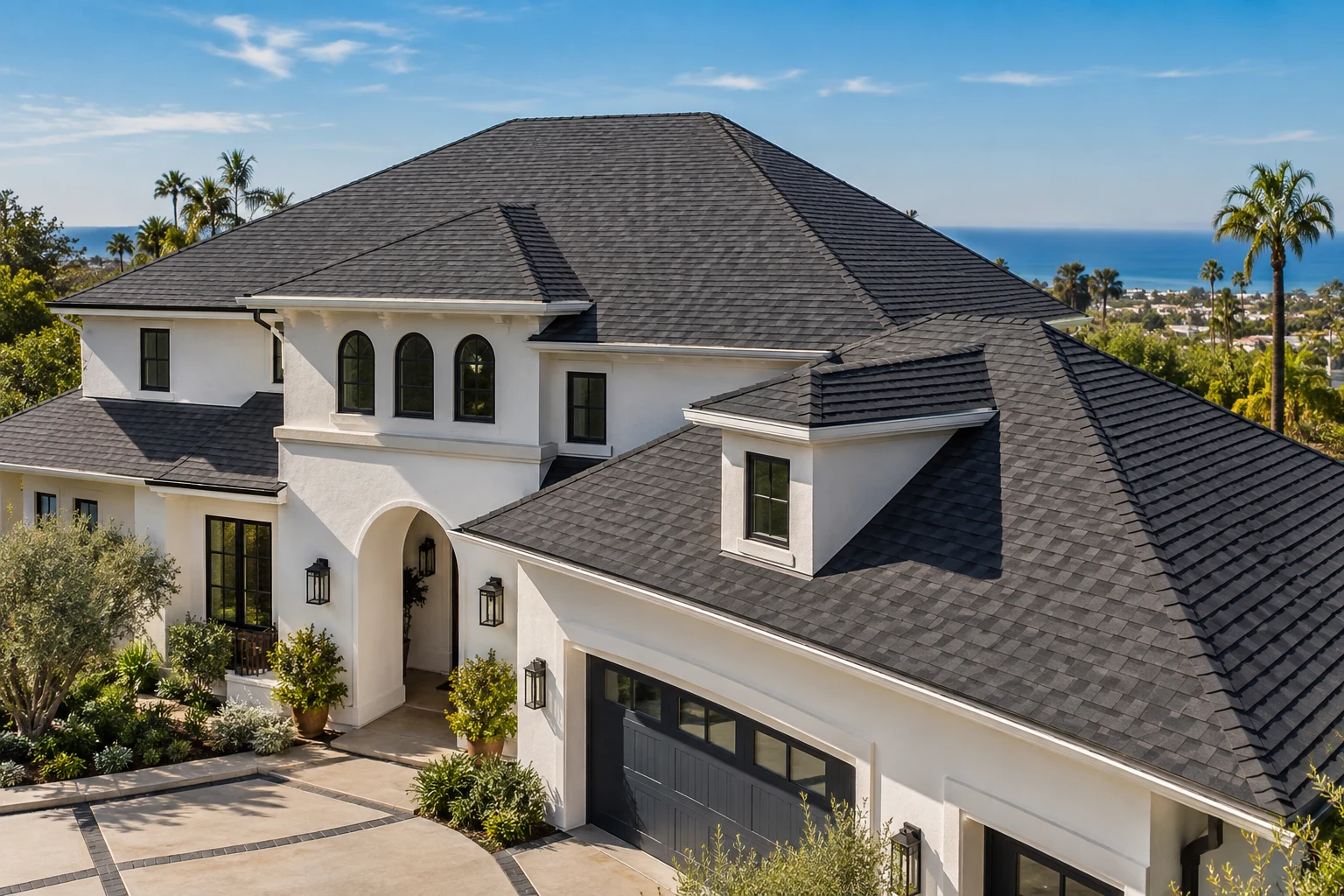
All Star Roof Replacement is your trusted roofing contractor in Downey, specializing in full residential roof replacements designed to lower heat absorption and improve energy efficiency. In Downey’s hot Southern California climate, careful roof system choices—from underlayment to ventilation—can significantly reduce attic temperatures and ease cooling costs.
Why Heat Builds Up on Roofs in Downey
Homes across Downey experience intense solar radiation most of the year, paired with mild rainfall averaging 13 to 15 inches annually. This means roofing materials face constant sun exposure, accelerating UV damage and causing roofs to store and transfer excess heat into the home. A common issue during inspections is older asphalt shingles that have lost their reflective granules and begun curling, which reduces their ability to reflect sunlight effectively.
Many homeowners don’t realize that heat buildup isn’t just about the visible shingles or tiles. If attic ventilation is inadequate—a frequent problem in local homes—hot air becomes trapped, increasing indoor temperatures. Also, aging underlayment softens over time and can trap heat beneath roofing materials, further decreasing energy efficiency. For more about roofing materials that perform well in Downey, visit our best roofing materials page.
Choosing roof replacement in Downey means addressing the entire roofing system, not just the surface, to combat heat buildup effectively. You can learn about our full offerings on our main Downey roof replacement page.
Consequences of Ignoring Heat Reduction in Downey Roofing
Ignoring heat buildup can accelerate aging of roofing components. Elevated attic temperatures speed up the brittleness and granule loss of asphalt shingles, weaken underlayment, and contribute to decking damage. Over time, this increases the chance of leaks and costly structural issues.
Another consequence we see regularly is dry rot in wood components such as eaves and fascia. This happens due to trapped heat causing expansion and contraction cycles, combined with moisture buildup from poor ventilation. Beyond structural concerns, homes without proper heat-reducing roofing systems face higher cooling bills and uncomfortable living conditions during Downey’s frequent heatwaves.
If you notice persistent leaks or rising energy costs, these may be signs you need a new roof. Our signs you need a new roof guide can help you identify those warning signals.
How Roofing Systems Reduce Heat: Core Concepts for Downey Homes
Selecting Cool-Rated Roofing Materials
Cool roofing materials reflect more sunlight and emit absorbed heat, reducing roof surface temperatures. In homes across Downey, choosing CRRC-rated architectural shingles can lower heat buildup compared to standard asphalt shingles. Light-colored roofing membranes—such as white or gray TPO—are excellent for flat or low-slope roofs like garages and patio covers by significantly minimizing heat absorption.
Tile roofs reflect heat well, but their heat reduction depends heavily on good underlayment and ventilation beneath. To explore specific products and material options, see our cool roof options page.
Importance of Underlayment and Decking in Heat Management
The underlayment acts as a secondary barrier, limiting heat transfer into the attic space. Synthetic or self-adhered membranes offered in modern roof replacements provide better heat resistance compared to traditional felt underlayment, which tends to degrade after 20–30 years in Downey’s climate.
During full tear-offs, we inspect decking condition carefully because damaged or moisture-compromised decking reduces insulation effectiveness and encourages heat gain. More about the significance of roof decking and underlayment is found in our roof lifespan in Downey resource.
Attic Ventilation: Balancing Intake and Exhaust
Attic ventilation plays a critical role in managing heat buildup. Balanced systems combining soffit intake vents with ridge or O’Hagin exhaust vents help lower attic temperatures by circulating air efficiently. In Downey, the Santa Ana winds make it even more important to have proper ventilation to reduce heat and moisture buildup that can degrade roofing materials.
Upgrading ventilation during roof replacement also helps maintain manufacturer warranties and extends roof life. For details on ventilation in the replacement process, see our roof replacement process guide.
Additional Heat Reduction Strategies
While roof system components are key, other factors like radiant barriers or added attic insulation can complement heat reduction but typically fall outside roof replacement scopes. Ensuring proper flashing and air sealing prevents unwanted leaks of hot or conditioned air, enhancing the roof’s thermal barrier performance. Households should consider roof color in coordination with HOA rules, prioritizing reflective colors that reduce solar heat absorption.
Decision Guide: Upgrade Ventilation or Replace Your Roof for Heat Reduction?
Ventilation upgrades alone can provide meaningful attic temperature relief, especially in homes where roofing materials and underlayment remain in good condition. However, if shingles show curling, granule loss, or if tile roofs have underlayment issues, replacing the entire roofing system is a better long-term solution for heat management.
In Downey homes over 20 years old with persistent leaks and repeated repairs, addressing heat and moisture problems with a full roof replacement is usually the best approach. Consult our repair or replace your roof page to help make the right choice.
Practical Steps in Roof Replacement to Reduce Heat in Downey
The most effective heat reduction starts with a complete tear-off to fully inspect and replace any degraded decking and underlayment, key components for managing heat transfer. We then install cool-rated shingles or reflective membranes with precise flashing to minimize solar heat gain.
Proper installation of ventilation systems, using ridge vents, O’Hagin vents, and soffit intake, is always included to ensure balanced airflow. All installations comply with local building codes, including Title 24 energy standards and wind ratings suited for Downey’s sun and wind exposure.
Learn more about our thorough roof replacement approach on our roof replacement process page and how cool roofing materials contribute under cool roof options.
FAQs on Reducing Heat with Roofing in Downey, CA
How much does a cool roof add to the cost in Downey?
Cool roofing materials typically add a modest premium, generally $10 to $40 per square more than standard materials. The cost varies based on product type and roof size.
Can ventilation upgrades alone reduce attic heat effectively?
Ventilation certainly helps reduce attic heat, but it is most effective when combined with quality roofing materials and good underlayment. On aged roofs, a full replacement is often necessary for significant heat reduction.
What is a cool roof in Downey?
A cool roof uses CRRC-rated reflective materials designed to absorb less solar heat and emit thermal energy efficiently. This helps lower attic temperatures, improving comfort and reducing AC costs.
Does reusing existing tile affect heat reduction?
Many Downey homeowners reuse tiles, but underlayment and ventilation should be fully inspected or replaced to maximize heat management performance.
How does roofing color impact heat in Downey?
Lighter roofing colors reflect more solar radiation, significantly lowering roof surface temperatures. Cool-colored shingles meet CRRC standards and are often compatible with HOA aesthetics while enhancing energy efficiency.
What is the typical lifespan of cool roofing materials in Downey?
Cool shingles typically last 18 to 28 years, similar to standard architectural shingles. High-quality underlayment and ventilation can extend roofing system life in Downey’s climate.
Can I finance a roofing upgrade focused on heat reduction?
Yes. Financing options, including contractor-arranged loans and home equity lines of credit, are available to help homeowners in Downey invest in full roof system replacements.
Contact All Star Roof Replacement for Expert Heat-Reducing Roof Replacement in Downey
At All Star Roof Replacement, we understand Downey’s unique roofing challenges. Our full-system approach focuses on underlayment, ventilation, and reflective materials tailored to reduce attic heat and extend roof longevity. During our no-obligation inspections, we provide clear explanations to help you make informed decisions about your roof and energy savings.
We are a licensed (CSLB #1009760) and insured contractor, experienced in managing permits and working with HOAs throughout Downey. Let us help you improve your home’s comfort and protect your investment with a high-performance roof replacement.
Call us today at (310) 729-3013 or email teamallstarconstruction@gmail.com to schedule your consultation and get started.