
When choosing the best roofing material for your Lakewood home, it’s important to consider the impact of Southern California’s hot, dry summers and intense sun exposure. At All Star Roof Replacement, we specialize in helping Lakewood homeowners select roofing systems designed to withstand local climate challenges and meet modern energy code requirements. The right roofing material goes beyond just the visible surface — it includes underlayment, ventilation, flashing, and overall installation quality.
In many homes across Lakewood, the interaction between aging roof decks, limited attic ventilation, and roofing material choice defines how long a roof will protect your home effectively. This page clarifies the best roofing material options for Lakewood, guiding your replacement decision with practical insight and local expertise.
How Lakewood’s Climate and Home Styles Affect Roofing Material Performance
Lakewood’s Mediterranean climate means warm, dry summers with strong UV radiation and mild, rainy winters primarily between November and March. This creates specific challenges when selecting roofing materials. For example, asphalt shingles exposed to constant sun can lose protective granules and experience adhesive fatigue faster if ventilation isn’t sufficient. Similarly, tile roofs are rugged but encounter frequent underlayment failures due to heat cycles and moisture accumulation in valley areas.
Many Lakewood homes built in the 1950s and 1960s, especially ranch styles, tend to have outdated attic ventilation and older plywood decking. These conditions require careful roofing system upgrades to avoid premature deterioration. Plus, Santa Ana winds common in this area increase stress on roof fasteners and flashings, so materials must be secured properly with corrosion-resistant details.
Understanding these local factors is essential for choosing a material and roofing system that can perform reliably over time in Lakewood. For more on how climate affects roofing choices, you can explore our detailed best roofing material options in Lakewood.
Roofing System Performance and What It Means for Material Choice
Roofing isn’t just about the outer material. It’s a full system that includes the underlayment, decking, flashing, ventilation, and drainage components. For example, older roofs often used organic felt underlayment, which dries out and fails faster under Lakewood’s sun. Modern synthetic or SBS-modified underlayments offer much better resistance to heat and moisture.
Flashings and valleys are critical points; many leaks in Lakewood homes originate from failing metal flashings around chimneys, stucco junctions, or plumbing penetrations rather than the roofing material itself. Proper installation and maintenance of flashing along with upgraded ventilation to reduce attic temperatures play crucial roles in extending the life of shingles or tiles.
Ventilation improvements lower attic heat, preserve roofing warranties, and support energy-efficient home operation. At All Star Roof Replacement, we focus on inspecting these components holistically to recommend materials that work with your whole roof system and the Lakewood climate. Learn more about effective ventilation systems in Lakewood and our roof replacement installation steps.
Best Roofing Materials for Lakewood Homes: Pros, Cons, and Considerations
Architectural Asphalt Shingles
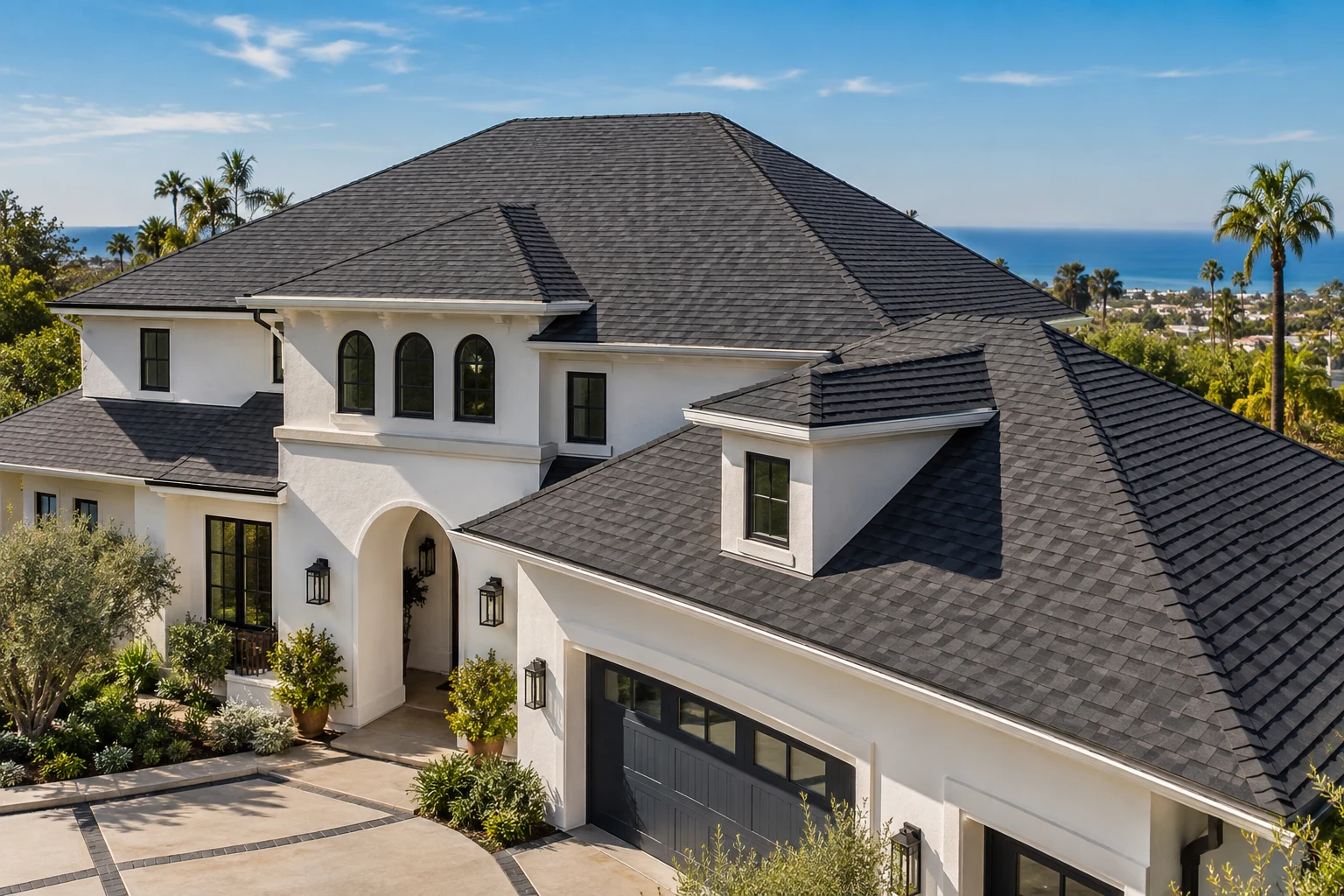
Architectural asphalt shingles remain the most common roofing material on steep-slope homes in Lakewood. They offer a balance of cost-effectiveness, aesthetics, and a typical lifespan of 22 to 30 years if installed with quality underlayment and proper ventilation. In Lakewood, using CRRC-rated cool-colored shingles helps reduce roof surface temperature and keeps attics cooler, supporting compliance with Title 24 energy regulations.
These shingles are also easier and more affordable to install compared to tile, making them a flexible choice, especially for homes planning to add solar panels. In our experience, many homeowners appreciate how asphalt shingles accommodate repairs and upgrades efficiently without structural changes.
Concrete and Clay Tile Roofing
Tile roofs, common on many Southern California homes, boast durability with tile units often lasting 40 to 50 years or more. However, the underlayment beneath tile needs replacement every 25 to 35 years due to heat-related degradation. In Lakewood, we frequently see tile underlayment failures at valleys and penetrations, leading to leaks despite intact tiles.
A lift-and-reset approach can preserve the existing tile while renewing the underlayment and flashings, which extends roof life without the cost or bulk of full tile replacement. Because tile is heavy, homes originally built with shingles should have a structural assessment before switching to tile. Our team ensures all framing considerations are met for a safe, durable roof.
For more details, visit our page on tile roof underlayment replacement.
Low-Slope Materials: Modified Bitumen and TPO/PVC
Many Lakewood homes have flat or low-slope areas like garages or patio covers where modified bitumen or single-ply membranes such as TPO or PVC are the best options. These membranes are UV resistant and come with reflective “cool roof” coatings that reduce heat absorption, helping keep attics and interior spaces cooler.
Proper drainage and flashing details on flat roofs are critical to prevent ponding water, a common cause of leaks in older installations. Upgrading to modern membranes and ensuring slope for water runoff is essential. Visit our flat and low-slope roofing page for in-depth information.
Roofing Material | Lifespan (Years) | Lakewood Climate Performance | Key Considerations
--- | --- | --- | ---
Architectural Asphalt Shingles | 22–30 | Requires CRRC-rated cool colors, adequate ventilation | Cost-effective, repair-friendly, moderate durability
Concrete/Clay Tile | 40+ (tile body) | Durable tiles; underlayment replacement every 25–35 years | Heavy, higher cost, needs framing check
Modified Bitumen (Low-Slope) | 15–25 | UV-resistant cool cap sheets recommended | Flat roof drainage is critical, prone to ponding
TPO/PVC (Low-Slope) | 15–25 | Reflective, cool roofing membranes | Requires precise flashing and membrane welding
Metal (Standing Seam) | 30–50+ | Reflective, fire-resistant, premium durability | Higher cost; less common on Lakewood homes
Decision Factors: Repair, Replacement, and Material Selection
When deciding on roof replacement, homeowners in Lakewood often ask whether it’s better to repair or fully replace. For asphalt shingles showing granule loss, curling, or requiring recurrent repairs, replacement with architectural shingles combined with ventilation upgrades is usually the best path.
Tile roofs exhibiting ongoing valley leaks or underlayment over 20–25 years old benefit from lift-and-reset methods that replace the underlayment and flashing while preserving most tiles. If many tiles are broken or mismatched, a full tile replacement might be necessary.
Low-slope roofs suffering from repeated ponding or leaks typically must be replaced entirely as repairs tend to be temporary. We also strongly advise against overlays, which trap heat, conceal roof deck condition, and void manufacturer warranties—problems particularly relevant in Lakewood’s hot climate.
For more guidance, please review our information on repair vs replacement considerations and the implications of overlays versus tear-offs.
Frequently Asked Questions About Roofing Materials in Lakewood, CA
What roofing material lasts longest in Lakewood’s climate?
Tile roofs have the longest surface lifespan, often exceeding 50 years, but their underlayment usually needs replacement every 25 to 35 years. Architectural asphalt shingles last about 22 to 30 years when paired with modern underlayment and proper ventilation.
Are cool roof materials required in Lakewood?
Yes, under California’s Title 24 energy code, cool roof materials are generally required for reroofs in Lakewood. This includes CRRC-rated products such as cool-colored shingles and reflective membranes that minimize heat absorption.
How important is attic ventilation with different roofing materials?
Attic ventilation is critical regardless of roofing material. In Lakewood’s hot climate, proper intake and exhaust ventilation reduce attic heat buildup, extend roof component lifespans, and maintain manufacturer warranty coverage.
Can I reuse my existing tile when replacing the roof?
Yes, if the existing tiles are mostly intact with under 10–20% breakage, they can be reused. However, the underlayment and flashings should be fully replaced to address age-related failures. Broken or mismatched tiles should be replaced with compatible types.
What factors influence the cost of roofing materials in Lakewood?
Costs depend on the roofing material selected, the roof size and complexity, tear-off and disposal fees, decking replacement requirements, ventilation upgrades, and installations of flashings or skylights. Removing and reinstalling solar panels can also affect the total cost.
Is metal roofing practical in Lakewood?
Though less common, metal roofing with cool coatings offers excellent longevity, fire resistance, and reflectivity. It requires precise flashing and underlayment for best performance and is a premium option suited to homes prioritizing durability and energy efficiency.
How does flashing quality affect roofing material performance?
Flashings are critical components that prevent leaks around roof penetrations and stucco walls. In Lakewood, where wind stress and sun exposure are factors, flashings must be installed with corrosion-resistant metals and carefully detailed to protect the roofing system.
Contact All Star Roof Replacement for Expert Lakewood Roofing Guidance
If you’re considering a residential roof replacement in Lakewood, trust All Star Roof Replacement for thorough inspections and honest evaluations tailored to your home’s unique needs. We assess decking integrity, underlayment condition, ventilation quality, and flashing state to recommend the best roofing system for your property and climate.
Call us at (310) 729-3013 or email teamallstarconstruction@gmail.com to schedule your free, no-obligation consultation. Learn more about our licensed roofing contractors serving Lakewood, the cost factors of roof replacement in Lakewood, and our step-by-step roof replacement process.