
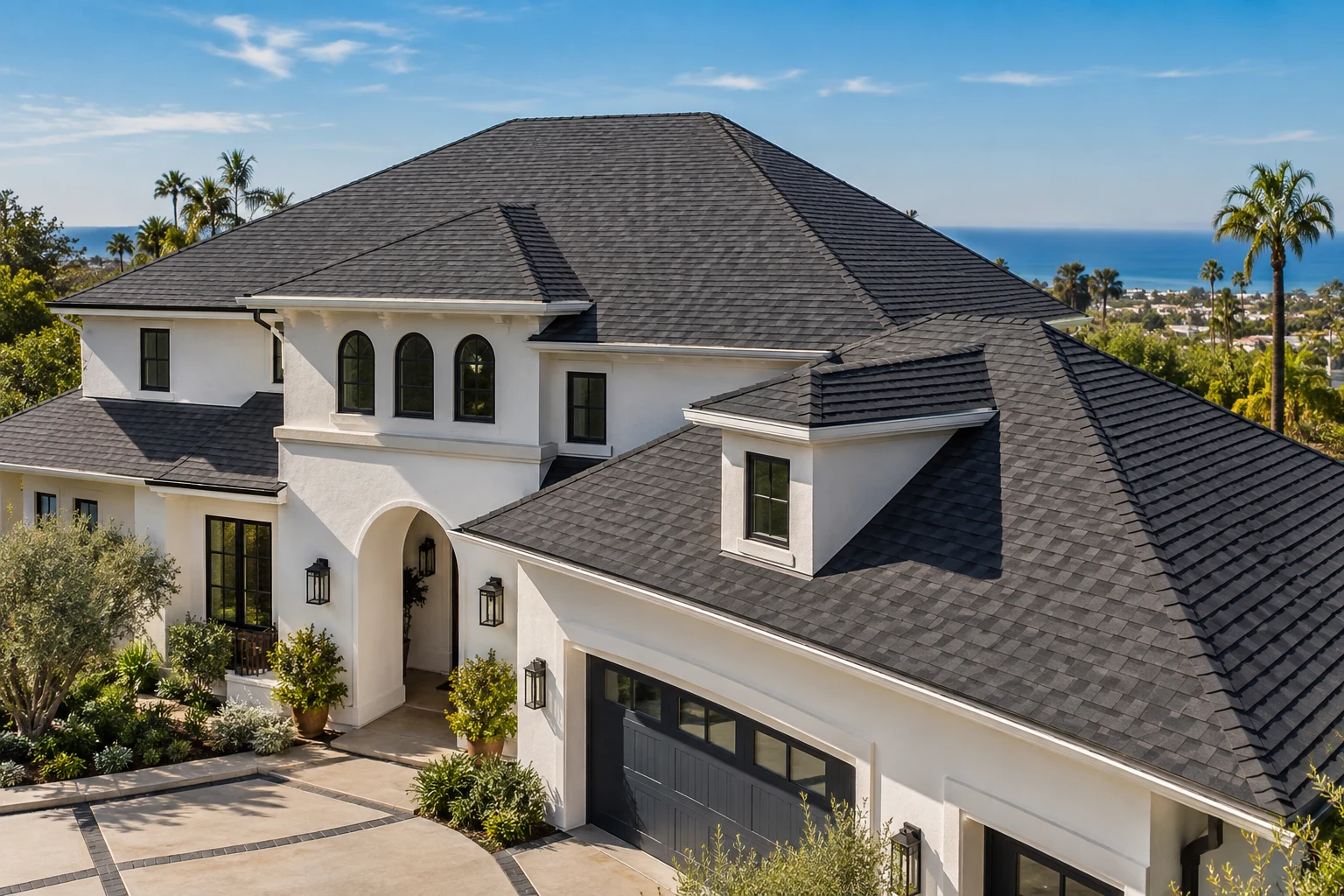
In Lakewood’s hot and sunny climate, managing roof heat is essential for protecting your home and keeping energy bills in check. At All Star Roof Replacement, we specialize in comprehensive residential roof replacements designed to reduce heat gain through smart material choices, ventilation, and system upgrades. Our inspections and evaluations focus on Lakewood’s unique roofing challenges to deliver solutions that last.
Why Roof Heat Is a Common Issue in Lakewood Homes
Lakewood’s Mediterranean climate means homes face intense sun year-round, especially hot, dry summers with high UV exposure. This accelerates wear on asphalt shingles and underlayments, causing roof surfaces to heat up more than in cooler regions. In homes built during the 1950s and 1960s—common throughout Lakewood—under-ventilated attics trap this heat, increasing shingle aging and indoor temperatures alike.
A common issue during inspections is insufficient intake vents combined with aging exhaust systems. This imbalance leads to trapped heat that stresses roofing materials and HVAC units. Additionally, the Santa Ana winds occasionally hitting our area can lift poorly sealed shingles, which lets hot air push directly into attic spaces unchecked, worsening heat buildup.
Understanding these local conditions helps homeowners realize why heat is such a persistent roofing problem here. For a complete overview of our roof replacement services tailored to Lakewood, please visit our roof replacement in Lakewood page.
The Consequences of Ignoring Roof Heat Issues
When roof heat is left unaddressed, the damage goes far beyond discomfort. Elevated roof and attic temperatures accelerate the loss of protective granules on asphalt shingles, and cause underlayment materials to degrade and crack prematurely. This can lead to leaks, water intrusion, and costly repairs far sooner than expected.
Many homeowners don’t realize that excessive indoor heat caused by poor roofing also drives up energy bills. Air conditioning units must work harder and run longer during Lakewood’s relentless summers to keep your home comfortable. Chronic attic heat can even warp roof decking and cause flashings to dry out, risking structural damage.
For more on identifying when heat-related issues justify a full replacement, see our sections on repair or replacement in Lakewood and warranty considerations with heat damage.
How Roofing Systems Reduce Heat in Lakewood’s Climate
Cool-Rated Roofing Materials
Heat reduction starts with the roofing materials you choose. Cool-rated shingles that meet CRRC standards are proven to reflect significantly more solar energy than traditional shingles, lowering roof deck temperatures by 10 to 30 degrees Fahrenheit. On homes with low-slope roofs—like garages or patio covers—using white or cool-colored TPO or PVC membranes further cuts heat absorption.
Upgraded synthetic and SBS-modified underlayments placed beneath roofing materials offer better moisture resistance and tolerate higher temperatures, extending overall roof lifespan in our hot Southern California environment.
Explore our cool roofing options that comply with local Title 24 energy codes and see why these materials are a smart choice for Lakewood homeowners aiming to reduce heat.
Attic Ventilation and Airflow Improvements
Proper attic ventilation is another critical step. Many older Lakewood homes were constructed with inadequate ventilation, which allows heat to build up unchecked. Balanced ventilation systems—combining ridge vents, eave vents, and intake baffles—promote continuous airflow, pulling hot air out and replacing it with cooler outside air. This directly lowers attic temperatures, slows shingle degradation, and improves indoor comfort.
Beyond comfort, improved ventilation is often a requirement for roofing warranties and mandatory under California’s Title 24 energy code in Lakewood. Many homeowners don’t realize how airflow impacts not just roofing material longevity but overall home efficiency.
Learn more about attic ventilation upgrades in our attic ventilation and code requirements page.
Radiant Barriers and Insulation (Optional Considerations)
For additional heat control, some homeowners add radiant barriers in attic spaces to reflect radiant heat away from living areas. These installations must be paired with adequate ventilation to be effective. When combined with R-38 attic insulation, radiant barriers can incrementally reduce cooling loads during Lakewood’s hottest months.
While radiant barriers and insulation are not substitutes for proper roofing and ventilation, they complement full system replacements by enhancing your home’s overall energy efficiency. See details in our energy-efficient roofing upgrades section.
Decision Guide: Repair vs Roof Replacement for Heat Issues in Lakewood
For younger roofs under 10 to 15 years old, targeted repairs combined with ventilation upgrades may address localized heat damage effectively. However, in homes with roofs aged 18 to 25 years—especially with architectural shingles or deteriorated underlayment—a full replacement is often the better investment for lasting heat reduction and durability.
Tile roofs, which are common in Southern California, often require lift-and-reset methods coupled with new high-temperature underlayment to maintain cool performance under Lakewood’s sun.
When considering your options, review our guidance on repair versus replacement and signs that indicate the need for a new roof in Lakewood here.
Common Upgrades and Installation Quality Factors for Heat Reduction
Reducing roof heat effectively requires a full system approach: decking, underlayment, ventilation, flashing, and roofing materials all must work together. Upgrading to modern synthetic or SBS-modified underlayments extends barrier life against Lakewood’s extreme daytime heat.
Correct flashing and counter-flashing installation prevents heat traps and water intrusion, especially in tricky roof areas exposed to strong sun and seasonal winds. Quality installation is key—not only for performance but also to maintain the validity of your roof warranty.
We encourage homeowners to read about the roof replacement process in Lakewood and its impact on system longevity, including warranty details at roof warranty explained.
FAQs About Reducing Heat with Roofing in Lakewood, California
What roofing materials help reduce heat in Lakewood?
Cool-rated architectural shingles certified by the CRRC are effective on steep roofs. For flat or low-slope areas, white or light-colored TPO and PVC membranes drastically reduce roof surface temperatures. Upgraded synthetic underlayments also help by resisting heat and moisture beneath roofing materials.
How much does it cost to add cool roofing features?
Cool shingles generally cost about 10 to 20% more than standard shingles due to enhanced materials and certifications. Costs for upgraded underlayment and ventilation systems add to the total, but are modest compared to the full roof replacement investment. On larger reroofs, Lakewood’s Title 24 regulations often require these energy-efficient upgrades.
Can adding attic ventilation really lower my roof temperature?
Yes. Balanced ventilation can reduce attic temperatures by 10 to 30 degrees Fahrenheit. Proper intake combined with ridge or O’Hagin vents creates effective airflow that pulls heated air out of the attic, slowing roofing material degradation and reducing indoor cooling loads.
How long will a cool roof last in Lakewood’s climate?
Cool-rated architectural shingles, when installed with proper ventilation, typically last 22 to 30 years in Southern California. Tile roofs have longer lifespans, often exceeding 35 years, but their underlayments may need replacement after 25 to 35 years to maintain cool performance. Regular inspections help extend roof life.
Is reroofing with an overlay a good option to reduce heat?
Overlay reroofs are generally not recommended in Lakewood because they can trap additional heat and prevent inspection of decking and flashing. A full tear-off allows installation of upgraded materials and ensures compliance with local energy codes, providing better long-term heat control.
What is the best way to handle solar panels with a cool roof?
Coordinate the removal and reinstallation of solar panels with your roof replacement project. This ensures flashing remains properly sealed and ventilation is maintained. Cool roofing materials complement solar installations well, but integration requires careful planning.
How quickly can I start reducing heat with a new roof system?
Once a cool roof system is installed—including reflective materials and improved ventilation—attic temperatures start dropping immediately. Combined with insulation, homeowners notice better comfort and lower energy use by the first hot season after installation.
Contact All Star Roof Replacement for Expert Heat-Reducing Roof Systems in Lakewood
All Star Roof Replacement understands the specific challenges Lakewood homeowners face with heat and sun exposure. Our thorough inspections, ventilation assessments, and Title 24-compliant cool roofing solutions offer reliable, durable results that protect your home.
Reach out today at (310) 729-3013 or email teamallstarconstruction@gmail.com to schedule a consultation and get started on lowering heat with a professional roof replacement designed for Lakewood’s climate.