
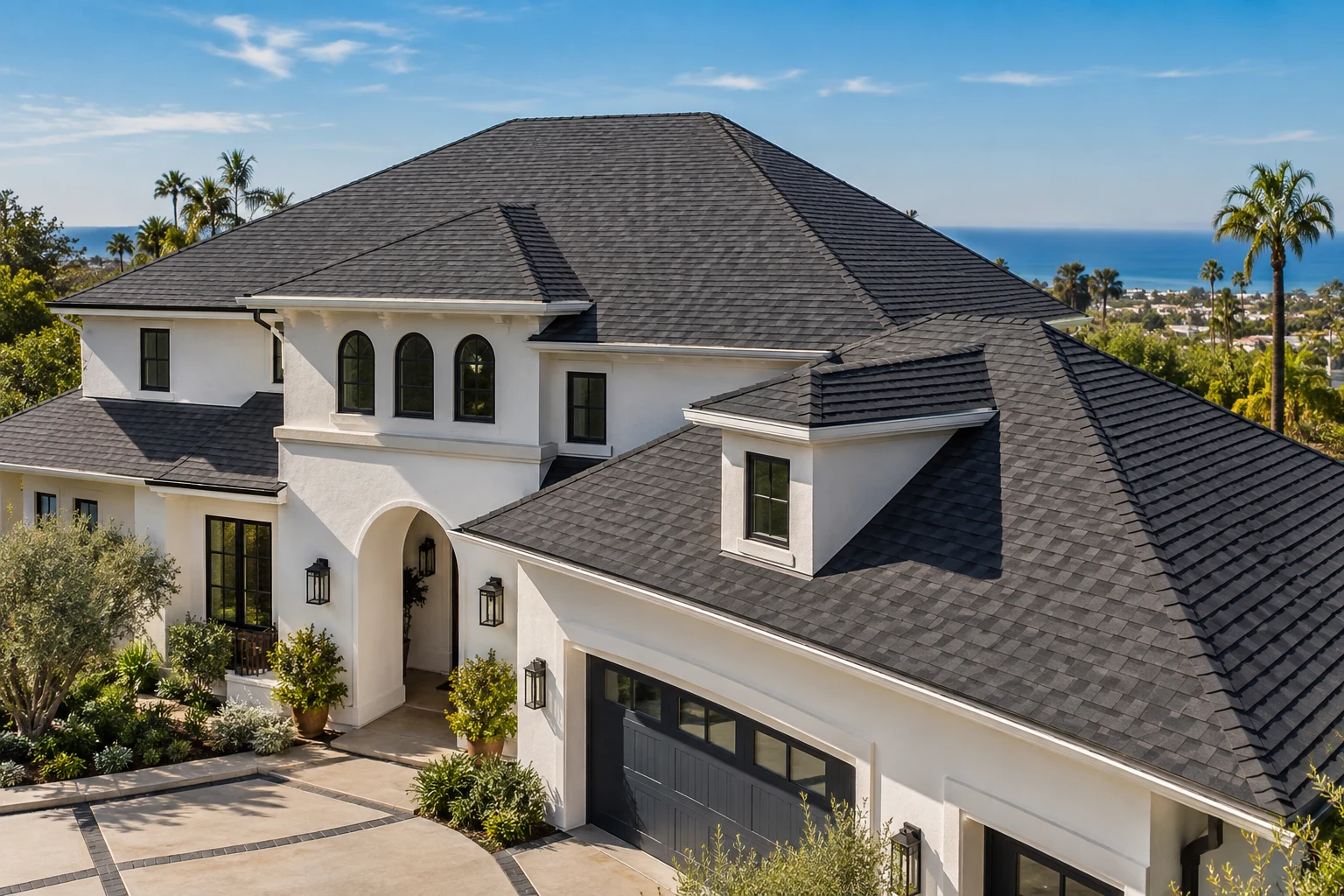
In homes across Lakewood, roof lifespan varies considerably depending on the roofing material, underlayment quality, ventilation, and climate exposure. At All Star Roof Replacement, we’ve seen firsthand how Southern California’s Mediterranean weather, combined with older home construction styles, shapes the durability of residential roofs. Understanding your roof’s expected life can help you plan timely replacements and avoid costly damages down the road.
For Lakewood homeowners, roof longevity isn’t just about the shingles or tiles you see — it’s about the full roofing system working together to protect your home from heat, UV rays, wind, and moisture.
Typical Roof Lifespans in Lakewood and Why It Matters
Generally, architectural asphalt shingles in Lakewood last between 22 and 30 years when installed with proper ventilation and quality underlayment. However, many older homes built in the 1950s and 1960s have attic ventilation that falls short of current standards. This leads to higher attic temperatures that accelerate shingle aging and reduce their lifespan.
Tile roofs, common on many Lakewood homes, can last for decades—often 50 years or more. But underlayment beneath concrete or clay tiles tends to fail earlier, around 20 to 30 years. Even if the tiles remain intact, aged underlayment can cause leaks, making it a hidden risk many homeowners don’t realize.
Low-slope roofs, such as those with modified bitumen or membrane systems, typically last 15 to 25 years in Lakewood. Poor drainage and ponding water are common causes of premature failure here, magnified by local weather patterns.
Knowing these timelines is important for proactive maintenance and replacement planning, helping you protect your home value and avoid emergency repairs. For a better idea, visit our roof replacement in Lakewood page.
Why Lakewood’s Climate and Home Age Affect Roof Longevity
Lakewood’s hot, dry summers bring intense UV exposure that speeds up the breakdown of asphalt binders and underlayment felt. This causes shingles and underlayment to become brittle, lose granules, and crack earlier than in cooler climates.
Santa Ana winds common in Southern California add another challenge. They put stress on flashing and shingle adhesion, especially on older roofs or ones with DIY patchwork, increasing the risk of uplift or leaks.
A common issue during inspections is inadequate attic ventilation in older homes. Poor ventilation traps heat inside the attic, further degrading roofing materials and shortening their lifespan. Moisture from Lakewood’s mild winter rains, combined with debris buildup—sometimes including wildfire ash—can accelerate water intrusion through vulnerable roof valleys and flashing points.
Because of these factors, we always emphasize a holistic approach to roofing that considers local climate impacts along with underlayment and ventilation quality. Learn more about improving your roof’s energy efficiency in our energy-efficient roofing guide.
What Happens When a Roof Goes Beyond Its Expected Lifespan
Once a roof edges past its typical lifespan, the first failures usually happen below the surface. Underlayment deterioration leads to hidden water intrusion through valleys and flashing transitions, eventually causing visible leaks inside your home.
Extended exposure to these leaks often causes dry rot and structural decking damage at eaves and gutters. We commonly see this in Lakewood homes with original roofing components installed decades ago, where repairs only mask the underlying problem temporarily.
Repeated patching becomes cost-inefficient as heat and moisture stresses accelerate. Poor attic ventilation also compounds issues by raising energy expenses and accelerating shingle degradation to the point of voiding warranties.
If you’re experiencing multiple leaks or signs of dry rot, it’s usually better to consider replacement instead of further temporary fixes. We provide clear evaluations on when to repair versus replace in our roof repair or replacement section.
Understanding Roof Lifespan Based on Roofing Material and System Components in Lakewood
Asphalt Shingle Roofs
Asphalt shingles are the most common roofing material in Lakewood. When paired with synthetic or SBS-modified underlayments, they can hold up well to the Southern California climate. However, many older homes still have the original felt underlayment, which breaks down faster under intense UV and heat.
Proper attic ventilation is critical; homes with ventilation ratios below the recommended 1:150 experience higher attic temperatures that shorten shingle life and cause premature curling or granule loss. Quality flashing materials—usually aluminum or G90 galvanized steel—are also vital, especially on south- and west-facing exposures that get the most sun and wind.
For more on asphalt products and replacement options, see our asphalt shingle roof replacement page.
Tile Roofs (Concrete/Clay)
Tile roofs are iconic in Lakewood neighborhoods and can easily last over 50 years. The tiles themselves are extremely durable, but the underlayment below often ages out sooner—typically 25 to 35 years—especially if it’s the older felt type. Without underlayment renewal, leaks often develop even when tiles remain intact.
Tile roof replacements often focus on the underlayment and flashing. Lift-and-reset tile methods allow reusing many tiles while replacing the worn underlayment. However, excessive tile breakage during removal adds cost and complexity.
Valleys and flashing near stucco penetrations require close attention due to heat and debris buildup accelerating felt breakdown. We explain this in detail on our tile roof underlayment replacement page.
Low-Slope and Flat Roofs
Low-slope or flat roofs in Lakewood typically use modified bitumen or TPO/PVC membranes. These roofing systems last about 15 to 25 years but demand excellent drainage to avoid ponding water, which is a common issue that shortens membrane lifespan here.
UV exposure causes membrane cracking and seam failures, and flashing or drain components need regular inspection and replacement to prevent premature failure.
We cover maintenance and replacement strategies on our flat low-slope roofing page.
Ventilation and Decking Impact on Lifespan
Ventilation plays a vital role in roof longevity. Proper attic ventilation, ideally meeting or exceeding a 1:150 ratio, lowers attic temperatures and moisture, extending shingle and underlayment life. Many Lakewood homes have ventilation below code, contributing to accelerated roof aging.
The roof decking must be carefully inspected and repaired as needed during replacement. Dry rot or delamination in decking, often caused by prolonged leaks, can jeopardize the entire roof system and cost more if left unaddressed.
To learn more, visit our attic ventilation and code requirements page.
Roof Material | Typical Lifespan in Lakewood | Key Aging Factors | Replacement Considerations
--- | --- | --- | ---
Architectural Shingles | 22–30 years | UV damage, ventilation, flashing wear | Ventilation upgrades recommended at replacement
Tile (Concrete/Clay) | Tile: 50+ years; Underlayment: 25–35 years | Underlayment failure, flashing leaks | Lift-and-reset underlayment replacement
Low-Slope Membranes | 15–25 years | Ponding, cracking, UV degradation | Drainage and flashing essential
When to Consider Roof Replacement in Lakewood Instead of Repair
For Lakewood homes, replacement is often the best choice once roofs show extensive aging or damage. Tile roofs with underlayment older than 20 years and architectural shingle roofs past 18–25 years with visible wear usually warrant replacement rather than spot repairs.
Multiple leaks, dry rot, failing flashings, and poor attic ventilation that cannot be corrected easily point to replacement as the cost-effective, long-term solution. Overlay reroofs are discouraged because they may conflict with code, reduce ventilation effectiveness, and void manufacturer warranties—especially under Lakewood’s heat.
If you plan on installing solar panels, coordinating your roof replacement with solar installation can save money and avoid duplicate costs. For detailed guidance, see our repair vs replacement content and solar panel removal & reinstall for reroof page.
Common FAQs About Roof Lifespan in Lakewood, CA
How long do asphalt shingle roofs typically last in Lakewood?
Asphalt shingles generally last about 22 to 30 years here with proper ventilation and quality installation. However, poor attic ventilation or original felt underlayment can shorten their lifespan significantly.
Why do tile roofs leak even when tiles look fine?
Tile underlayment often fails first, especially with older felt types that deteriorate after 20 to 30 years due to heat and debris exposure. This causes leaks beneath otherwise intact tiles.
What signs indicate my roof is beyond its expected lifespan?
Look for widespread granule loss, curling or brittle shingles, multiple active leaks, dry rot at eaves, rusted flashing fasteners, and brittle or cracked tiles.
Does attic ventilation really affect my roof’s lifespan?
Yes. Poor ventilation traps heat in the attic, accelerating aging of roofing materials, increasing energy bills, and potentially voiding manufacturer warranties.
Is repairing my old roof better than replacing it?
Repair works best for localized damage on roofs less than 10 to 15 years old for asphalt, or under 20 years for tile underlayment. Older, extensively worn roofs generally benefit from replacement for longer-lasting protection.
How does Lakewood’s climate impact roof material performance?
Strong UV rays dry out asphalt binders and underlayment felt, Santa Ana winds stress flashing and shingles, and occasional rain combined with debris can cause leaks if underlayment or flashing has deteriorated.
What is the expected lifespan of low-slope roofing in Lakewood?
Low-slope membranes last about 15 to 25 years but require proper drainage and well-maintained flashing to avoid the ponding and cracking failures common in this area.
Next Steps: Scheduling a Roof Inspection and Estimate in Lakewood
At All Star Roof Replacement, we provide thorough roof inspections that evaluate every part of your roofing system—from decking to underlayment, flashings, and ventilation. Our team understands Lakewood’s building codes and Title 24 cool roof requirements to help ensure your replacement meets local standards.
There’s no pressure to commit after an inspection. We aim to provide clear options based on your roof’s condition, helping you plan for replacement or financing. Contact us today for a straightforward assessment of your home’s roof lifespan and replacement needs.
Phone: (310) 729-3013
Email: teamallstarconstruction@gmail.com
To learn more about roof inspection costs, replacement processes, or financing options, visit our roof inspection cost in Lakewood, roof replacement process, and finance roof replacement pages.