
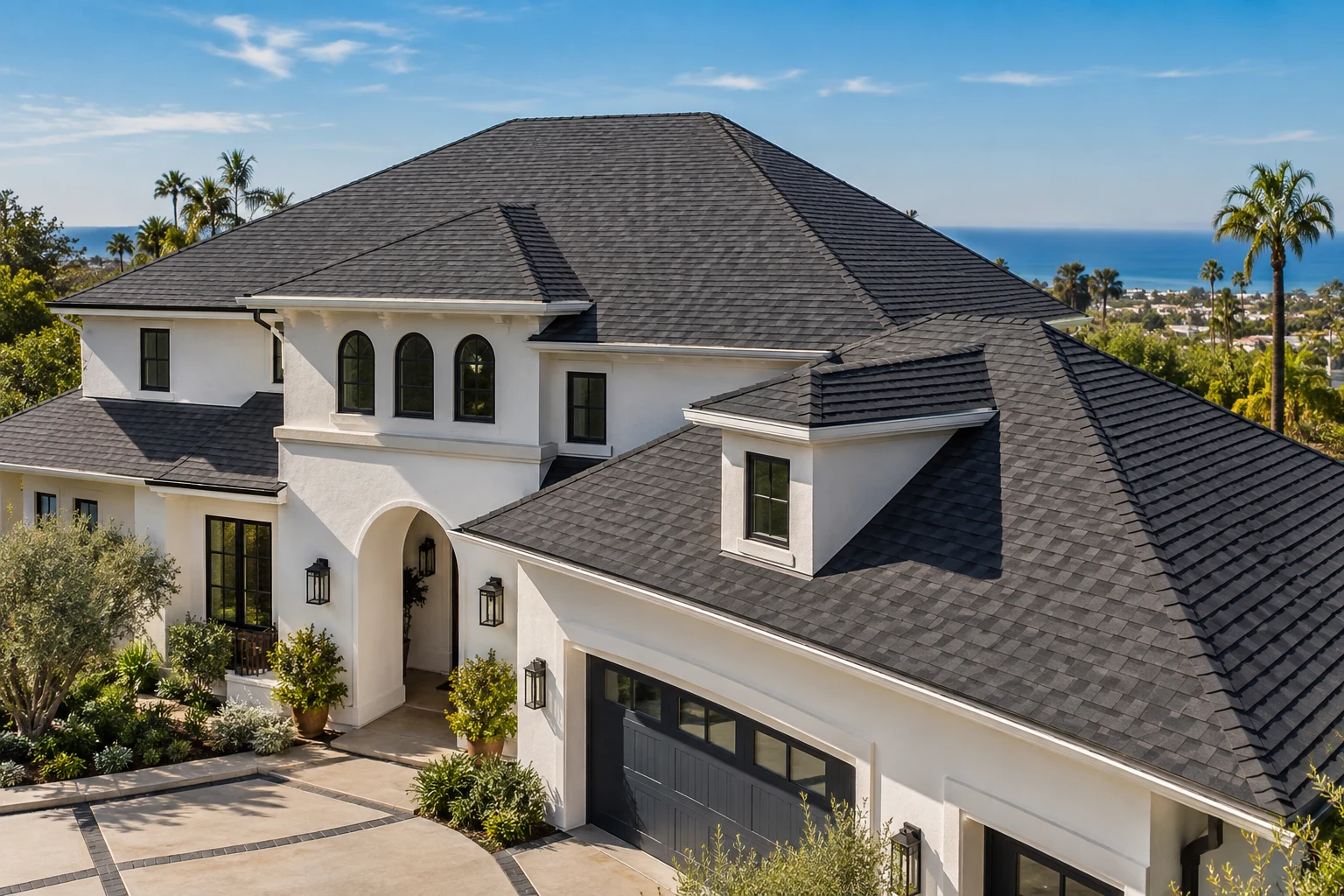
Many homeowners in Lakewood face the tough question: is my roof fixable, or is it time for a full replacement? At All Star Roof Replacement, we provide straightforward evaluations and help you understand the best solutions tailored to Southern California’s unique climate and your home’s condition.
With decades of experience replacing roofs on Lakewood’s aging ranch-style homes, we emphasize that roofing is more than just shingles—it’s a complete system including underlayment, decking, flashing, and ventilation.
Understanding the Roof Condition in Lakewood — Why Issues Occur Here
Lakewood Climate’s Impact on Roofing Systems
Lakewood’s hot, dry summers and intense sun subject roofs to prolonged UV exposure that breaks down asphalt shingles and deteriorates roofing underlayment faster than many other regions. The repeated thermal stress causes materials to become brittle and crack over time. Additionally, seasonal Santa Ana winds create physical wear like nail pops and shingle uplift, leading to compromised flashing and potential water intrusion.
Coastal influences such as morning fog and marine salt mildly accelerate corrosion on metal components like flashings and fasteners, especially if not properly maintained.
That means the conditions here demand a roofing solution that accounts for sun, heat, wind, and moisture stress. Many homeowners don’t realize that roof failures often start below the surface, where underlayment and decking deteriorate before shingles show visual damage. This full-system approach is essential for lasting protection in Lakewood.
Common Causes of Roof Problems in Lakewood
In homes across Lakewood, many roofs date from the 1950s to 1960s and feature older construction practices, such as insufficient attic ventilation. Poor ventilation results in trapped heat and moisture build-up in the attic, accelerating shingle aging and risking premature decay of wood decking. It’s very common to find flashing around stucco walls and chimneys patched repeatedly with mastic but never replaced properly, causing hidden leaks that worsen annually.
Also typical on older tile roofs is the failure of the original underlayment, even when the tiles themselves appear intact. Because underlayment acts as the roof’s secondary barrier, its deterioration can cause leaks that lead to costly damage if ignored. For details on ventilation’s role in these issues, see our attic ventilation and code requirements guide.
What Happens If Roof Problems Are Ignored in Lakewood?
Continuing to live with unresolved roofing problems risks serious damage. Water leaks eventually cause dry rot at roof edges and the wooden decking, threatening structural integrity. The relentless Lakewood sun strips shingle granules, exposing the fiberglass mat and leading to cracking and curling that allow water infiltration.
Poor attic ventilation aggravates these issues by allowing moisture to stagnate, invalidating many common shingle warranties. Flat roofs also suffer in Lakewood’s environment; ponding water promotes membrane cracks and seam failures, which can cause interior water damage if not addressed promptly. To learn more about the signs and risks, visit our signs you need a new roof page.
Repair vs Replacement — Making the Right Choice for Your Lakewood Home
When Roof Repair May Be Appropriate
In Lakewood, repairs may be reasonable for minor, isolated problems on newer roofs. This includes a first-time flashing failure, small punctures on flat roofs, or isolated storm damage affecting limited shingles. Repairs typically involve targeted replacement of flashing, resetting a few shingle tabs, or patching minor membrane tears without decking replacement.
However, these repair scenarios usually apply to asphalt roofs less than 12 years old and tile roofs with underlayment less than 15–20 years old. For most older roofs built before modern material upgrades, repairs tend to be temporary and cost-inefficient.
When Replacement Is the Correct Solution
Replacement is the best option when you see widespread signs of aging and system failure. For asphalt shingles, this means roofs over 18–25 years old with issues like granule loss, cracking, curling, or multiple failed repairs. Tile roofs often require replacement when original underlayment exceeds 20–25 years or has multiple leak points despite intact tile surfaces.
Repeated leak repairs, damaged plywood decking, or the need for ventilation upgrades also justify replacement. In Lakewood, overlay reroofing (installing new shingles over existing roof) is discouraged because it traps heat, can void warranties, and often fails to meet local code. A full tear-off and system replacement are better long-term investments. Learn more about these factors in our repair or replace your roof guide.
Considerations for Tile Roof Lift-and-Reset vs Full Replacement
When tile roofs have sound tiles but failed underlayment, a common solution is to lift and reset the existing tiles after replacing the underlayment. Expect about 10%–20% tile breakage that requires replacement during the process. A full tile replacement becomes necessary if the tiles are cracked, spalled, or unavailable in matching styles.
If you plan to switch from asphalt shingles to tile, a framing and engineering assessment is essential due to differences in weight and structural load. Our team ensures your Lakewood home is safely prepared for such upgrades. For more on roofing materials and tile system differences, visit our tile vs shingle roof page.
Signs You Need a New Roof in Lakewood
Recognizing when it’s time for a new roof helps avoid expensive damage. Widespread granule loss and brittle asphalt shingles with visible cracking or curling are clear red flags. Tile roofs with underlayment deterioration often cause stained ceilings and recurring leaks at valleys and penetrations. Flat roofs with ponding water, alligatoring membranes, cracked seams, or previous patching history typically require replacement.
Often overlooked are attic indicators such as excessive heat, mold or mildew odors, rusted nails (“nail pops”), and signs of moisture or dry rot. Many homeowners don’t realize these internal signs are as critical as the visible roof surface. For a deeper dive, see our signs you need a new roof resource and learn how roof lifespan interacts with these factors in our roof lifespan page.
Why Quality Installation and System Approach Matter in Lakewood’s Climate
Quality matters more than ever in Lakewood’s demanding climate. Poor installation dramatically shortens roof life, especially under intense heat and UV exposure. A full system replacement involves not just new shingles or tiles, but also proper decking inspection and replacement, synthetic underlayment installation, and comprehensive flashing upgrades to resist corrosion and leaks.
Balanced attic ventilation—intake and exhaust with proper baffles—lowers attic temperature and moisture, crucial in extending roof material lifespan. Proper flashing and counter-flashing, using durable metals suited for marine and inland conditions, protect against water intrusion and corrosion. These elements all contribute to maintaining your roof warranty and avoiding premature failure.
Our team at All Star Roof Replacement ensures every roof we install in Lakewood meets these standards. For more on ventilation, see our attic ventilation and code requirements page, and learn about warranty coverage at roof warranty explained.
Frequently Asked Questions About Roof Repair vs Replacement in Lakewood, CA
How much does a roof replacement cost in Lakewood?
Costs vary widely depending on roofing material and project scope. Asphalt shingle replacements typically range from $12,000 to $28,000 or more. Tile lift-and-reset projects usually start around $14,000 and can reach $30,000+, while a full tile replacement may range from $22,000 to $50,000 or more. Additional expenses may include repairs to wood decking, flashing upgrades, and permits.
How long does a roof last in Lakewood?
Architectural asphalt shingles usually last 22 to 30 years if ventilation and maintenance are adequate. Tile underlayment can last 25 to 35 years or longer when modern materials are used. Low-slope membranes typically have lifespans of 15 to 25 years depending on material type and care.
What roofing material is best for Lakewood homes?
Architectural asphalt shingles with reflective “cool” colors and good attic ventilation are popular for steep-slope roofs. Existing tile roofs benefit from lift-and-reset with upgraded underlayment. For flat or low-slope roofs, modified bitumen or TPO/PVC membranes are common choices adapted to local conditions.
What’s the difference between repair and replacement?
Repair addresses isolated, localized damage on relatively new roofs. Replacement is necessary when there is widespread wear, multiple leak points, underlayment failure, decking damage, or ventilation issues that affect the roof system’s integrity.
How important is attic ventilation in Lakewood roofing?
Attic ventilation is critical due to Lakewood’s heat and attic design common to older homes. Balanced ventilation reduces attic temperatures and moisture levels, preventing premature aging of roofing materials and protecting warranty coverage.
Can I finance a roof replacement in Lakewood?
Yes. Financing options include unsecured home improvement loans, HELOCs, personal loans through credit unions, and specialized contractor financing programs. Our team can guide you through these options to make your replacement affordable.
Is overlay reroofing advisable in Lakewood?
Generally, overlay reroofing is discouraged in Lakewood. It traps heat, hides potential decking damage, and often violates local building codes and warranty requirements. A full tear-off and replacement provide a more reliable and code-compliant solution.
Next Steps: Inspection and Consultation with All Star Roof Replacement
Deciding whether to repair or replace your roof starts with a thorough inspection. All Star Roof Replacement’s expert evaluations include attic and roof system assessment, ventilation calculations, wood condition checks, and compliance verification with Los Angeles County building codes and Title 24 energy standards.
We deliver clear, detailed findings with photo documentation and explain all your options—without pressure or obligation. We handle scheduling, permits, and the complexities of Lakewood’s roofing requirements to make the process smooth and transparent for you.
For a no-obligation roof inspection and expert advice, call us today at (310) 729-3013 or email teamallstarconstruction@gmail.com. Protect your home with confidence by partnering with Lakewood’s trusted roofing professionals.