
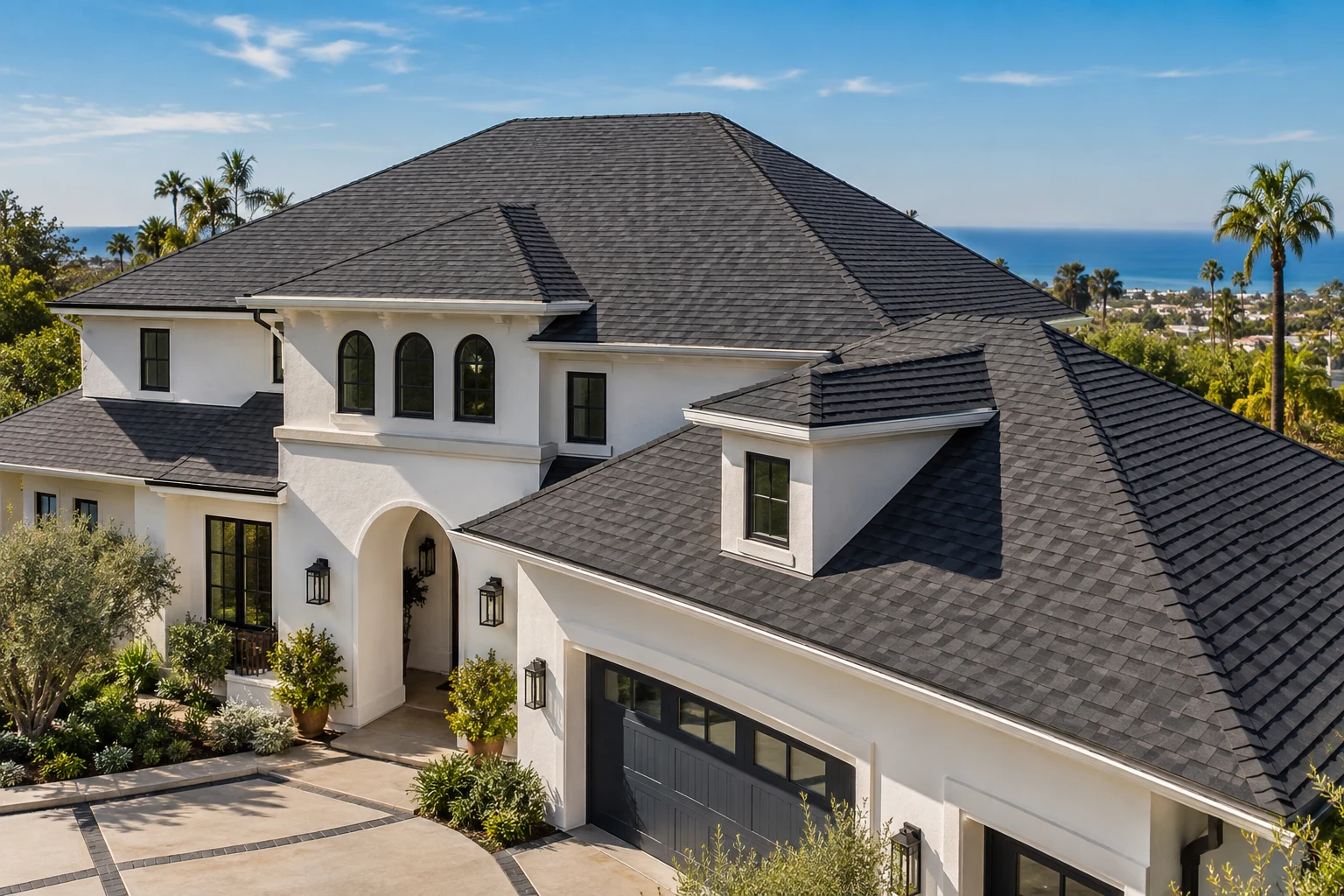
When replacing your home’s roof in Lakewood, understanding the details of your roof warranty is essential to protect your investment. At All Star Roof Replacement, we specialize in full-system residential roof replacements, ensuring all components—from decking to ventilation—meet the highest standards to keep your warranty valid. In Lakewood’s hot, sun-exposed climate, proper installation and material selection play a critical role in how warranties perform over time.
Why Understanding Roof Warranties Matters for Lakewood Homeowners
How Lakewood Climate and Age Impact Warranty Coverage
In homes across Lakewood, aging roofs face unique challenges from intense UV exposure and high summer temperatures, which accelerate wear on shingles and underlayment. We often see roofs on older post-WWII ranch-style homes where original decking and underlayment are approaching the end of their useful life. Without proper full-system replacement—including ventilation and flashing upgrades—warranty coverage is frequently compromised.
Lakewood’s proximity to the coast means salt air plays a subtle but persistent role in accelerating corrosion on metal flashing and fasteners. Combined with powerful Santa Ana winds, poor flashing details can cause leaks that aren’t covered unless the installation was done correctly. Proper airflow through the attic is another critical factor; without adequate ventilation, shingle materials degrade faster, which often leads to denied warranty claims.
Common Reasons Homeowners Misunderstand Roof Warranties
Many homeowners don’t realize that manufacturer warranties focus on material defects, while the roofer’s workmanship warranty protects against installation issues. Confusion between these two often leads to unmet expectations when leaks or granule loss appear. Another common mistake is opting for overlays or partial repairs instead of full replacements. In Lakewood’s climate, overlays trap moisture and can hide underlying damage, which usually voids most warranty protections.
Additionally, neglecting to register the warranty or hiring contractors who overlook manufacturer nailing patterns and flashing details often results in invalidated coverage. To avoid this, it’s important to follow proper protocols throughout the project, as we explain in our attic ventilation and code requirements guide, which covers ventilation needs for warranty compliance.
What Lakewood Roof Warranty Covers and What It Doesn’t
Manufacturer Material Warranties – Scope and Limitations
Manufacturer warranties generally cover the material itself—shingles or tiles—but often exclude underlayment, flashing, and other components vulnerable to Lakewood’s UV-heavy, heat-cycling environment. For example, 30# felt underlayment in many older tile roofs deteriorates well before the shingles or tiles, and its failure is typically not covered by tile warranties.
Lifetime or extended warranties commonly become prorated over time, reducing coverage on issues like granule loss or fading. This reduction is especially true in areas exposed to direct sun for most of the day. Understanding these nuances helps homeowners anticipate what is protected and what isn’t under their manufacturer warranty.
Contractor Workmanship Warranties – Critical for Leak Protection
Workmanship warranties, provided by contractors like All Star Roof Replacement, usually range from 5 to 15 years and cover leaks or damage caused by installation errors. In Lakewood, where strong winds and seasonal rains can exacerbate roof vulnerabilities, ensuring proper flashing installation, sealant application, and ventilation setup is crucial to maintain this warranty’s validity.
Verify the current CSLB record for license #1009760 and confirm the appropriately licensed contractor responsible for your roofing scope in the written agreement. This transparency gives homeowners peace of mind that installation faults causing issues down the line will be handled responsibly.
Common Warranty Exclusions Specific to Lakewood Climate
Damage resulting from homeowner neglect—such as clogged gutters leading to dry rot—is a frequent exclusion. Also, unauthorized roof penetrations like solar panel mounts installed without proper flashing will typically void warranties. Lakewood’s intense heat means overlays often lead to trapped heat and moisture, conditions that most manufacturers exclude from coverage.
Another exclusion is abrasive cleaning methods; pressure washing tile roofs can prematurely damage granules or tile surfaces, causing early failure outside warranty protection. For more on appropriate system components, see our tile roof underlayment replacement page.
How to Maintain Roof Warranty Validity in Lakewood
Importance of System-Level Replacement for Warranty Compliance
Lakewood’s housing stock typically includes original decking and underlayment from the 1950s and 1960s. During roof replacement, a thorough inspection and repair of decking are necessary to qualify for full warranty coverage. This includes installing high-temperature resistant synthetic underlayments, upgraded flashing, and improved attic ventilation to combat the local climate’s specific stresses.
Partial repairs or patch jobs risk invalidating warranties because hidden rot or flashing flaws commonly cause leaks later on. Compliance with California’s Title 24 cool roof standards by installing CRRC-rated shingles or membranes also influences warranty acceptance. Learn more about the process in our roof replacement process overview.
Key Installation Practices That Protect Warranties
Meeting manufacturer specifications for nailing patterns and properly installing ridge and eave flashing is critical, especially with the additional wind load from Santa Ana winds and elements of coastal moisture. Using compatible, certified materials for underlayment, fasteners, and flashing ensures that manufacturer system warranties remain intact.
Additionally, trustworthy contractors document every step with photos, permits, and ventilation calculations, which can be crucial if warranty claims arise. This thorough documentation also confirms that all work adheres to building codes and manufacturer guidelines.
How Ventilation Upgrades Extend Warranty Life and Roof Longevity
Upgrading attic ventilation helps reduce heat buildup that degrades shingles and underlayment faster in Lakewood’s sun-intensive environment. Proper intake and exhaust ventilation is often a warranty condition; without it, premature shingle failure can shorten coverage periods.
Balanced ventilation strategies—such as installing ridge vents paired with soffit or O’Hagin vents and baffles—are essential for the older attic designs found in Lakewood homes. For detailed standards, visit our attic ventilation and code requirements page.
Frequently Asked Questions About Roof Warranties in Lakewood, CA
How long does a typical roof warranty last in Lakewood?
Material and workmanship warranties have separate terms. Coverage depends on the selected products, installation program, and written warranty; review the duration, exclusions, transfer rules, and claim process before proceeding.
Does the warranty cover leaks caused by Santa Ana winds or storms?
Leaks due to installation defects may be covered under workmanship warranty. However, damage caused by natural weather events or normal material aging is typically excluded from manufacturer warranties.
Can I keep my manufacturer warranty if I add solar panels later?
Maintaining the warranty depends on proper solar mounting with manufacturer-approved flashing and penetration methods. Improper installation commonly voids warranties.
Is an overlay roof replacement covered by warranty in Lakewood’s climate?
Overlays are generally not recommended in Lakewood because trapped moisture and heat buildup void most warranties and reduce roof lifespan. A full tear-off and system replacement is preferred.
What happens if my attic ventilation isn’t upgraded during roof replacement?
Without ventilation upgrades, shingles and underlayment degrade prematurely, potentially reducing or voiding warranty coverage over time due to accelerated material aging.
Will warranty cover underlayment failure in tile roofs?
Tile roof warranties typically exclude underlayment, which often fails first in Lakewood’s climate. Some upgraded warranty systems may cover underlayment when specific materials and installation methods are used.
How can I ensure my warranty is valid after roof replacement in Lakewood?
Choose a licensed contractor who provides detailed scopes of work, including decking inspection, underlayment and flashing upgrades, ventilation improvements, and warranty registration. This approach ensures clear warranty coverage and local code compliance.
Next Steps: Getting Your Lakewood Roof Replacement Warranty Right
Scheduling a detailed roof inspection with ventilation analysis is the best first step to ensuring your roof replacement meets warranty conditions. All Star Roof Replacement offers full-system tear-offs with upgraded underlayments, flashing, and ventilation tailored to Lakewood’s unique climate and older home construction.
We provide transparent quotes and clear, written warranty terms that address the scope of coverage, helping you avoid surprises and understand your roof’s protection. Contact us for a no-pressure, professional evaluation and warranty review.
Call us at (310) 729-3013 or email teamallstarconstruction@gmail.com to schedule your roof inspection and warranty consultation today.