
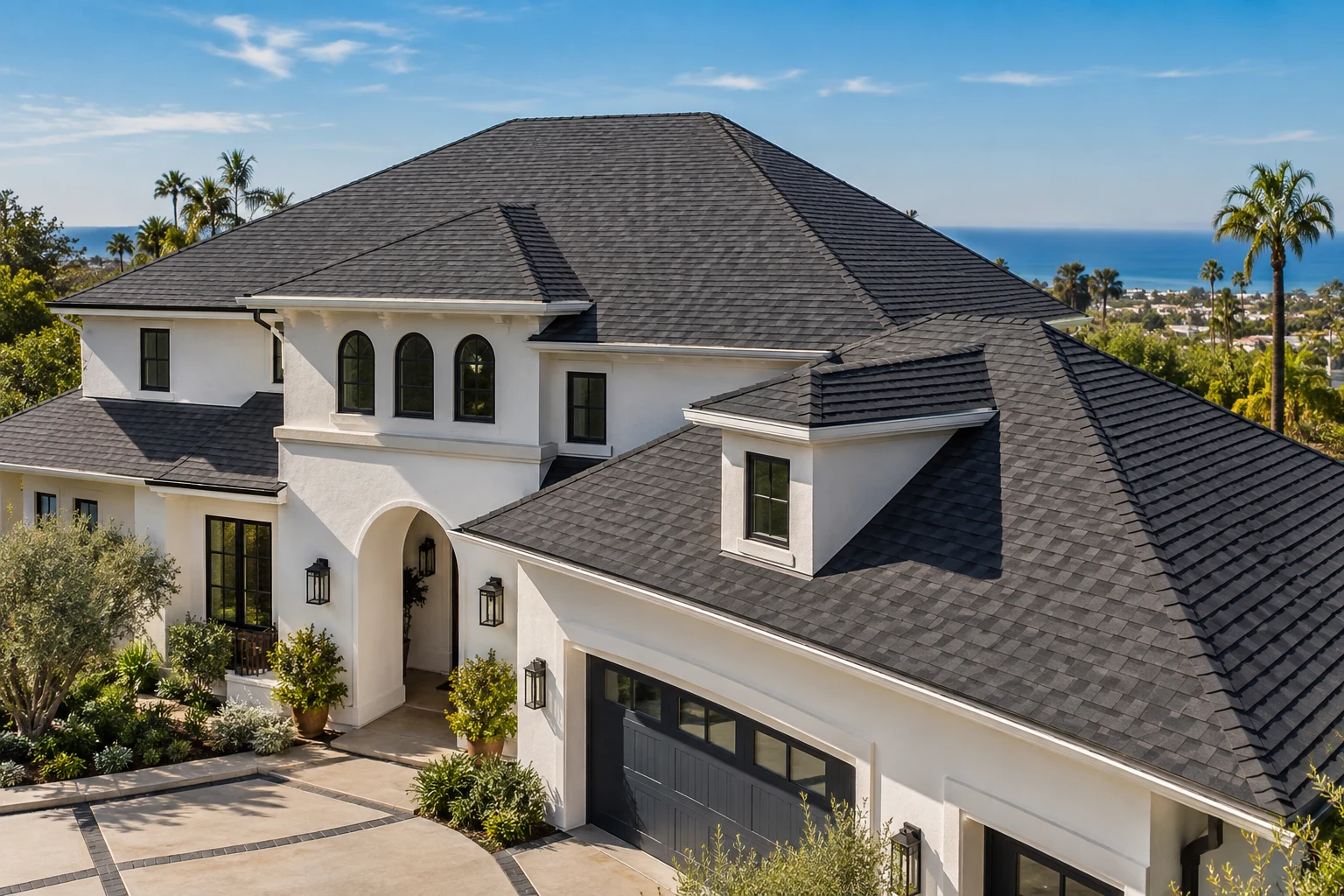
When it comes to roof replacement in Lakewood, All Star Roof Replacement helps homeowners navigate the decision between tile and shingle roofs based on local climate and home specifics. Both roof types have advantages and challenges unique to Southern California’s heat, sun exposure, and aging home stock. Understanding these factors ensures you choose a roofing system built to last in Lakewood’s environment.
Which Roof Type Works Best for Lakewood Homes?
For many Lakewood homeowners, asphalt shingles offer a cost-effective, quicker installation with a lifespan of about 22 to 30 years, provided the attic is well ventilated and installation is done right. On the other hand, tile roofs feature long-lasting tile bodies that can reach 50 years or more, but their overall system life depends heavily on underlayment quality and modernization.
Both roof types need professional installation to address flashings, decking inspections, and ventilation systems to cope with Lakewood’s intense sun and heat. Proper ventilation is critical to slow down underlayment aging that can be accelerated by the dry, UV-intense Southern California climate.
Why Do Tile and Shingle Roofing Problems Arise in Lakewood’s Climate?
Lakewood’s hot, dry summers and consistent UV radiation degrade typical asphalt shingles by breaking down their binders, while felt-based underlayments common under tiles and shingles lose resilience over time. Strong Santa Ana winds frequently cause shingle uplift, creating pathways for water intrusion. The marine-influenced salt air also corrodes exposed metal flashings faster, especially on roofs facing south and west.
In many older Lakewood ranch-style homes, attic ventilation from original construction is insufficient, leading to elevated attic temperatures that accelerate roof system deterioration. While tile itself is quite durable, the underlayment beneath regularly fails within 20 to 30 years due to heat cycling, UV damage, and debris collection, especially in valleys and roof penetrations. Many homeowners don’t realize that even intact tile can conceal underlayment failure causing leaks.
Consequences of Ignoring Roof System Failure in Lakewood Homes
Ignoring signs of roof aging can result in costly structural damage. Shingle roofs typically show wear as granule loss, curling, and exposed mats, eventually leading to decking rot and interior water damage. Tile roofs may look sound on the surface, but failed underlayment leaks often go unnoticed until interior damage unfolds.
Poor attic ventilation worsens these issues by trapping heat, accelerating aging, and voiding many manufacturer warranties. Moisture intrusion caused by neglected leaks often damages eaves and fascia, requiring repairs beyond roofing. In homes across Lakewood, we often see repeat repairs that could have been avoided by timely full roof replacements that include ventilation upgrades.
How Do Tile and Shingle Roof Systems Differ in Lakewood?
Asphalt Shingle Roof Systems
Architectural asphalt shingles are commonly installed over synthetic underlayments or upgraded felt materials to improve durability in the sun-intense Lakewood environment. Balanced attic ventilation—using ridge and eave vents—is essential for extending the lifespan by reducing attic heat buildup.
Careful flashing installation is critical to resist damage from Santa Ana winds and prevent leaks. Asphalt shingles also integrate easily with solar panels, an increasingly popular option in Southern California, and are lighter on the roof framing—a key consideration for homes built in the 1950s and ’60s.
Tile Roof Systems
Concrete or clay tile roofing in Lakewood offers a tile body lifespan often exceeding 50 years. However, the underlayment beneath the tiles usually fails sooner—around 20 to 30 years unless upgraded to modern SBS-modified layers. Replacing the underlayment usually involves lifting and resetting the existing tiles, not a full tile replacement.
Tile roofs are heavier and may require a professional structural evaluation before replacing a shingle roof to ensure the framing supports the increased weight. Flashing systems with metal valleys, step flashings, and counterflashings are key to preventing leaks common around walls and penetrations.
Roofing as a Complete System
Effective roof replacement in Lakewood means more than swapping materials. Decking must be inspected and repaired as needed, flashing correctly installed, bird-stops added for tile roofs, and attic ventilation upgraded to current code requirements. This full-system approach prevents recurring problems that plague many aging roofs in the area.
Compliance with LA County’s Title 24 energy codes, which promote cool roofing materials, also affects product choices and installation practices. For a deeper look at tile underlayment upgrades, check our guide on tile roof underlayment replacement. For energy-saving solutions, learn more about cool roofing options.
When Does Tile or Shingle Roof Replacement Make Sense in Lakewood?
Asphalt shingle roofs usually warrant replacement between 18 and 25 years, especially if granules have worn off, tabs become brittle, or previous patch repairs have accumulated. Tile roofs often require underlayment replacement at 20 to 30 years or sooner if leaks appear despite sound tile surfaces.
Switching from shingle to tile is popular but requires a framing review due to the heavier weight of tile systems. In Lakewood, low attic ventilation or previous flashing failures increase the risk of leaks and warranty issues, making full roof replacement with ventilation upgrades the best long-term solution.
For homeowners weighing repair versus replacement, or assessing roof lifespan, All Star Roof Replacement recommends consulting our detailed pages on roof repair or replacement and roof lifespan.
Feature | Asphalt Shingle | Tile Roof
--- | --- | ---
Lifespan | 22–30 years with proper ventilation | 50+ years for tile, 20–30 years underlayment life
Weight | Lightweight | Heavier, may require structural evaluation
Installation Time | Faster | Slower (due to lift-and-reset for underlayment)
Energy Efficiency | Good with cool roof options | Excellent thermal mass, but ventilation critical
Solar Integration | Easy | More complex
Common Questions About Tile vs Shingle Roof Replacement in Lakewood
How much does tile vs shingle roof replacement typically cost in Lakewood?
While prices vary by roof size, repairs needed, and permits, asphalt shingle replacement generally costs less per square than tile systems. A full new tile roof can be nearly double the cost but offers a longer tile lifespan. Lift-and-reset for tile underlayment replacement usually falls between these price ranges. For detailed cost guidance, see our roof replacement cost page.
How long do shingle and tile roofs last in Lakewood’s climate?
Asphalt shingles can last 22 to 30 years if attic ventilation and maintenance are properly handled. Tile roofs themselves often exceed 50 years, but underlayment replacement is necessary about every 20 to 30 years to avoid leaks.
Can I repair a leaking tile roof instead of replacing it?
Isolated leaks caused by cracked tiles or flashing issues can sometimes be repaired if the underlayment is still relatively new and the overall roof is sound. However, when leaks are frequent or the underlayment is aging, a full roof replacement with tile lift-and-reset is advisable.
Is reroofing with an overlay recommended for Lakewood roofs?
Overlays are generally discouraged in Lakewood due to heat traps raised by added layers, the inability to inspect decking and flashing, and compliance issues with Title 24 cool roof standards. A full tear-off ensures these concerns are properly managed.
What role does attic ventilation play in roof longevity here?
Effective attic ventilation controls heat buildup, slowing degradation of shingles and underlayments, helps prevent mold and rot, and is a requirement to maintain most roofing manufacturer warranties. Many older Lakewood homes need ventilation upgrades during roof replacement.
Are tile roofs heavier and require framing upgrades?
Yes, tile roofing systems weigh considerably more than shingles. Many homes built in the mid-1900s in Lakewood require structural analysis before converting from shingle to tile to ensure safety and code compliance.
How does Lakewood’s climate affect roofing materials?
Lakewood’s strong UV rays and intense heat dry out asphalt binder materials and conventional underlayments faster than more temperate climates. The marine salt air speeds corrosion of metal flashings, and Santa Ana winds exert additional stress on shingles. Wet winter conditions expose older tile underlayments to leaks more frequently.
For more FAQs and financing information, visit our finance roof replacement and roof inspection cost resources.
Contact All Star Roof Replacement for Tile or Shingle Roof Advice in Lakewood
If you’re facing an aging roof, leaks, or uncertainty about your best replacement option in Lakewood, All Star Roof Replacement offers expert inspections and clear guidance. We specialize in full residential roof replacements including ventilation upgrades, flashing, underlayment, and decking repairs to extend your roof’s life and improve energy efficiency.
Our team understands Lakewood homes—with their unique exposure to heat, sun, and age-related issues—and works closely with you to choose the right system for your budget and home style. We handle LA County permitting and ensure Title 24 code compliance for cool roofs.
Call us at (310) 729-3013 or email teamallstarconstruction@gmail.com to schedule your consultation. Learn more about the roof replacement process and how we uphold your roof warranty.