
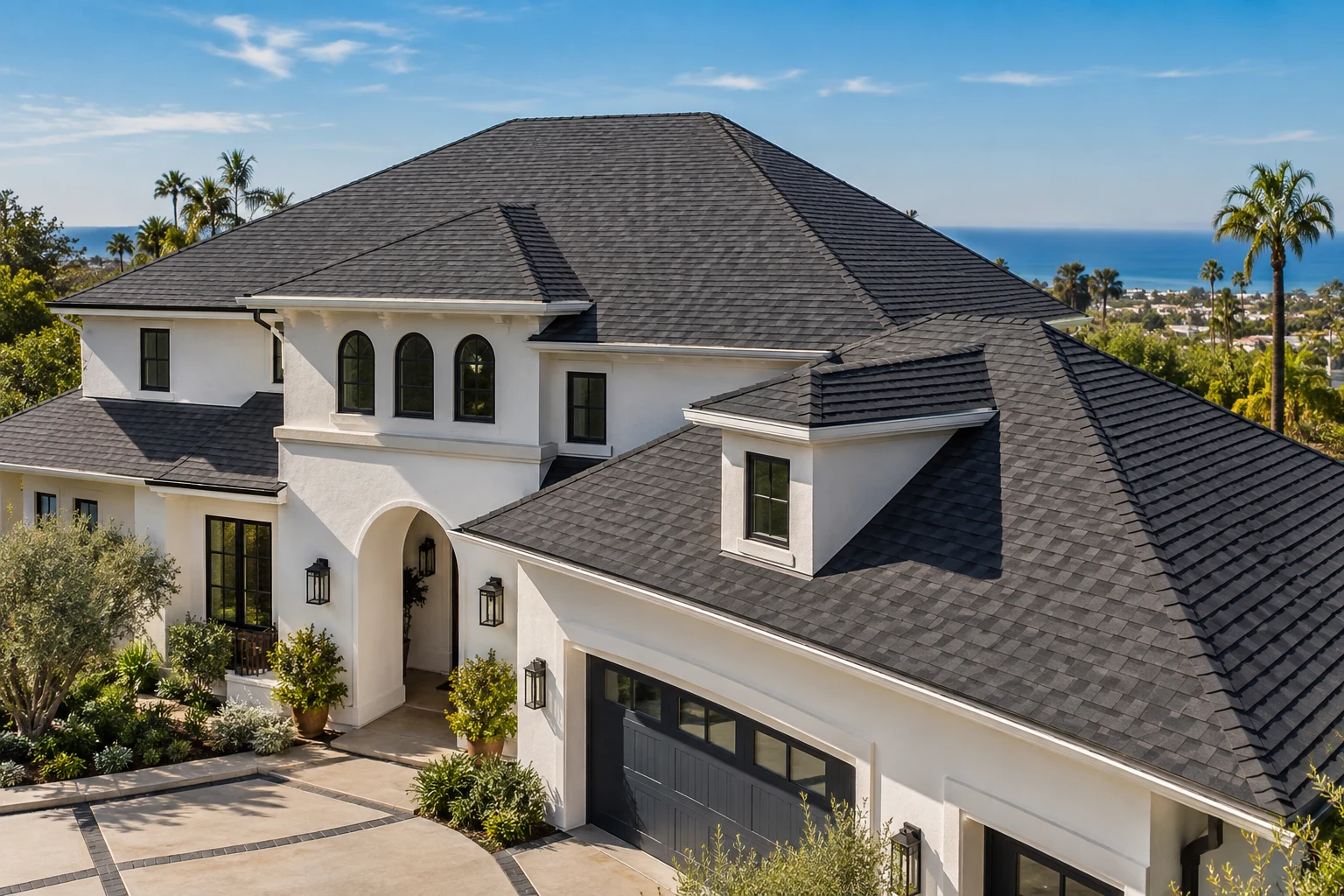
For homeowners in Los Angeles facing an aging or damaged roof, reroofing often presents the most practical long-term solution. At All Star Roof Replacement, we specialize in thorough roof inspections and full-system reroofs designed to handle Southern California’s intense heat, UV exposure, and coastal conditions. A complete reroof goes beyond patching and addresses all layers to ensure your home stays protected for decades.
Understanding when reroofing is the right choice can save you money and prevent recurring problems. This guide explains why roofing system replacement is typically the best option in Los Angeles and what makes our climate and local codes unique.
When Is Reroofing Worth It in Los Angeles?
In many Los Angeles homes, reroofing is worth the investment when your roof approaches the end of its functional lifespan. Asphalt shingles generally last 18 to 25 years, while tile roof underlayment typically requires replacement after 20 to 30 years—even if the surface tiles remain intact. The persistent heat, strong UV rays, and seasonal Santa Ana winds accelerate the aging process, making simple repairs increasingly ineffective over time.
A reroofing provides a full system replacement—repairing or replacing the decking, underlayment, flashings, and ventilation along with the roofing material itself. This ensures durability, enhances energy efficiency, and keeps your home compliant with Los Angeles building codes. For balanced insight on whether to repair or replace, see our repair or replace your roof guidance.
Roofing Type | Typical Cost Range (Los Angeles) | Notes
--- | --- | ---
Asphalt Composition Shingles | $11,000 – $24,000+ | Includes tear-off, underlayment, flashing, ventilation
Tile Lift-and-Reset | $18,000 – $45,000+ | Reuses tiles, replaces underlayment and flashings
New Tile Roof | $30,000 – $70,000+ | Full system replacement; premium tiles cost more
Flat/Low-Slope Membranes | $600 – $1,100 per square | TPO, PVC, or modified bitumen with drainage focus
Standing-Seam Metal | $1,400 – $2,500+ per square | Coastal-grade metals recommended for durability
Why Roofing Problems Occur in Los Angeles
Heat, UV Exposure, and Aging Materials
Los Angeles faces prolonged periods of strong sunlight that dry out roofing materials faster than in many other climates. This UV exposure breaks down shingle asphalt oils and weakens underlayment adhesives, especially on south and west-facing slopes that absorb the most heat.
In homes across Los Angeles, we often see cracks and brittleness develop in shingles and felts, leading to open laps vulnerable to leaks. Over time, this causes the roofing system to fail prematurely, meaning repairs alone rarely provide lasting relief.
Santa Ana Winds and Wildfire Risks
Seasonal Santa Ana winds can lift shingles or tiles, exposing underlying layers to moisture and driving rain beneath flashings. This wind-driven moisture accelerates deterioration and leakage.
Hillside properties and wildfire-prone areas also require compliance with Class A fire-rated roof assemblies and ember-resistant venting systems. These fire and wind-resistant roofing systems are critical given Los Angeles’s wildfire risk, and reroofing provides the best opportunity to upgrade your home’s protection. Learn more about fire- and wind-resistant roofing systems in Los Angeles.
Coastal Corrosion and Moisture Effects
For homes near the coast or in the South Bay, salt air can corrode flashing metals and fasteners if non-coastal-grade materials are not used. This corrosion weakens critical leak barriers much faster than in inland areas, reducing roof lifespan.
Many homeowners don’t realize the importance of using corrosion-resistant flashings and upgraded ventilation components to withstand this environment. Our cool-roof requirements in Los Angeles also factor into material selections to maximize longevity and energy savings.
What Happens If Aging Roof Issues Are Ignored?
Ignoring roofing problems often leads to underlayment failure, especially beneath tile roofs. Though the tiles may look fine, once the underlayment is compromised, leaks become frequent and repairs become costly and less effective.
In many Los Angeles homes, poor attic ventilation from outdated or blocked systems causes excess heat buildup. This speeds up shingle aging, increases energy bills, and is linked to the structural failures we see during inspections.
Hidden deck damage like rot or soft spots often goes undetected without a tear-off. Overlaying new materials without removing old layers can trap moisture and hide problems, ultimately reducing your roof’s lifespan.
For a deeper understanding of risks caused by patching versus replacement, check out our page on repair vs replacement risks.
Understanding Reroofing as a Full System Replacement
Beyond Shingles — The Complete Roofing System
Reroofing isn’t just about installing new shingles or tiles. It involves replacing or repairing every component of the roofing system: decking (if damaged), high-performance synthetic or multi-layer underlayments designed for LA’s heat, coastal-grade flashing metals, and ventilation systems.
Upgraded flashings, including cricket and valley metals chosen for corrosion resistance, help prevent leaks common in aging roofs.
Ventilation and Airflow Corrections
Balanced attic ventilation is essential in Los Angeles to reduce high attic temperatures that accelerate roofing material degradation and increase home cooling costs. Energy-efficient attic ventilation upgrades performed during reroofing can deliver lasting performance improvements aligned with local energy and cool-roof codes.
Our service includes recommendations for attic ventilation improvements in LA that support roof longevity and energy savings.
Tear-off vs Overlay: Why Tear-off Is Preferred in LA
We recommend full tear-off reroofing in Los Angeles because it allows a thorough deck inspection and removal of heat-brittle materials. Overlaying is limited by building codes here and often leads to early roof failures because the older, degraded layers remain underneath.
Tear-off reroofing also ensures full compliance with LA’s cool-roof and wildfire interface requirements. More detail on the roof replacement steps in Los Angeles is available on our site.
Decision Factors: Is Reroofing Better Than Repair in Los Angeles?
Common Causes of Roof Problems Requiring Reroofing
In Los Angeles, systemic roof failures result mainly from heat, UV radiation, seasonal strong winds, and coastal salt exposure. These factors degrade roofing materials in ways that simple repairs cannot address. A critical threshold for reroofing is when the underlayment—especially under tile roofs—has aged beyond its effective lifespan.
When Patch Repairs Can Work
Localized damage on relatively young roofs—less than 10 to 12 years old for shingles or under 20 years for tile underlayments—can often be repaired successfully. Similarly, isolated failures in flat roof membranes may be patchable.
When Repair Is Only a Short-Term Solution
Repeated leaks, brittle flashing, ventilation shortcomings, and decking problems common in many LA homes mean repair costs escalate and fail to resolve the root cause. Repairs rarely uncover hidden underlayment or ventilation failures that accelerate deterioration, reinforcing the value of reroofing.
For guidance on making this repair-or-replace decision, visit our page on repair vs replace decisions.
Frequently Asked Questions About Reroofing in Los Angeles
How much does a reroof typically cost in Los Angeles?
Costs vary by material and project scope. Asphalt shingle reroofs range from $11,000 to $24,000+, tile lift-and-reset from $18,000 to $45,000+, and new tile roofs between $30,000 and $70,000+.
How long does a reroof last in Los Angeles?
Roof lifespan depends on materials and maintenance. Asphalt shingles last 18–30 years, tile roofs require underlayment replacement every 20–30 years, and membrane roofs last 15–25 years.
Can I install a new roof over my existing one in Los Angeles?
Overlaying is rarely recommended due to heat and building code restrictions. Full tear-off reroofing extends roof life, ensures compliance, and allows full system upgrades.
Does reroofing improve my home’s energy efficiency in Los Angeles?
Yes. Combining cool-roof materials with proper attic ventilation reduces attic temperatures and lowers cooling costs in the hot LA climate.
What is the typical reroofing process in Los Angeles?
It starts with inspection and permits, followed by full tear-off, decking repairs, new underlayment, flashing, ventilation upgrades, and roofing material installation, ending with cleanup and inspections.
Are there special roofing requirements in wildfire-prone areas of Los Angeles?
Yes. Homes must meet Class A fire ratings, have ember-resistant vents, and use non-combustible roofing components to comply with safety and code standards.
How do I know if reroofing is necessary over repair in Los Angeles?
Signs include widespread aging, multiple leaks, brittle flashing, failed underlayment, and poor ventilation. These issues usually mean reroofing is a more lasting, cost-effective solution.
Additional resources to help with your roofing choices include our roof replacement cost in Los Angeles, roof replacement timeline, and roof leak emergency steps pages.
Contact All Star Roof Replacement for Your Los Angeles Reroof Estimate
If you’re considering reroofing your home in Los Angeles, trust All Star Roof Replacement for a clear, no-pressure inspection and detailed estimate. We specialize in full-system replacements tailored to LA’s unique climate challenges, including heat, UV, wildfire risk, and coastal exposures.
Our licensed team (CSLB #1009760) will explain every component of your roofing system, discuss costs, materials, timing, and financing options so you can make an informed decision without surprises. Understand the full roofing system benefits—not just materials—to maximize your investment and home protection.
Schedule a professional roof inspection today by calling (310) 729-3013 or emailing us at teamallstarconstruction@gmail.com. Learn more about our roof replacement process overview and roof financing options in Los Angeles.