
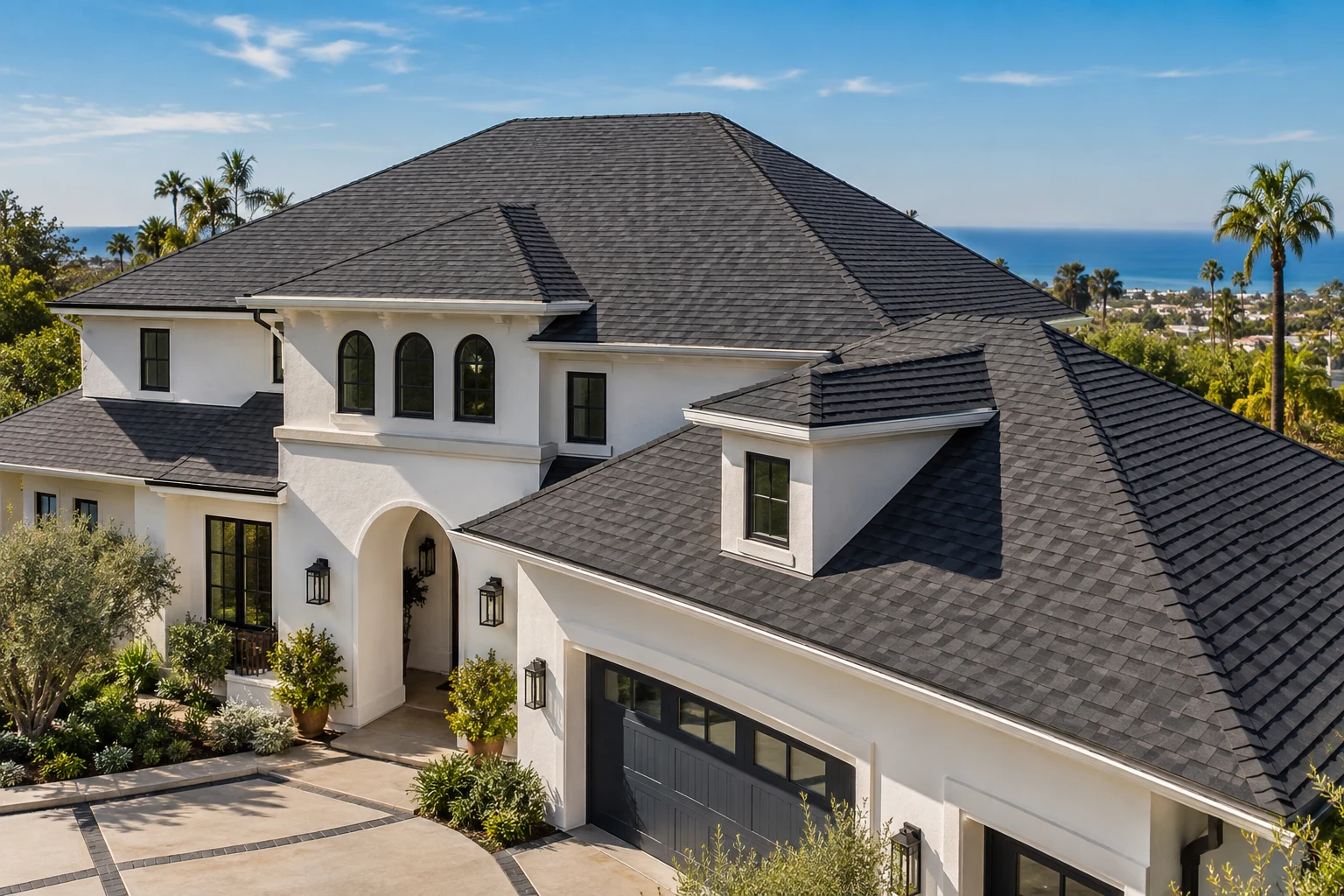
Choosing the best roofing material for your Norwalk home means understanding the unique climate challenges Southern California presents. At All Star Roof Replacement, we help homeowners navigate these choices with practical guidance tailored to local conditions. Whether your roof is aging, leaking, or causing energy loss, we provide thorough inspections and clear recommendations focused on durable roofing systems designed to withstand Norwalk’s heat, UV exposure, and occasional strong winds.
Which Roofing Materials Perform Best in Norwalk’s Climate?
In homes across Norwalk, architectural asphalt shingles with high wind resistance and cool-roof technology offer a balanced solution for many residential styles. These shingles are cost-effective and meet fire safety standards, while reducing attic temperatures with reflective coatings. For homes looking for long-term durability and excellent heat resistance, concrete and clay tile roofing remain popular choices despite the heavier weight and need for structural review.
Where you have low-slope or flat roof areas such as garages or accessory dwelling units (ADUs), white TPO or PVC single-ply roofing membranes excel due to their high reflectivity and durable, heat-welded seams. Each roofing material suits different parts of Norwalk homes, helping you optimize both longevity and energy efficiency.
Choosing the right material means considering local factors such as daily UV exposure and hot summer temperatures, as well as seasonal rains and wind patterns.
How Does Norwalk’s Climate Affect Roofing Material Performance?
Norwalk experiences intense summer heat with attic temperatures frequently exceeding 130°F, which accelerates aging in shingles and underlayments. We often see granule loss on asphalt shingles and brittleness developing from prolonged UV exposure. This reduces a roof’s protective qualities prematurely if ventilation isn’t properly addressed.
Santa Ana winds are another factor homeowners must consider. These strong, dry winds increase the likelihood of wind uplift on shingles and displacement of tile along hips and ridges. So, we recommend mechanically fastened roofing systems with correct nailing patterns to improve wind resistance and avoid costly damage.
Rainfall, while infrequent, tests the integrity of flashings and drainage systems each season. Common leak points stem from aging or corroded metal flashings, making it critical to include flashing replacement and proper underlayment upgrades during a roof replacement.
For a deeper dive into how cool roofing can mitigate heat effects or ways to upgrade attic ventilation, visit our Cool Roof Guide and Roof Ventilation Upgrades pages.
Pros and Cons of Common Roofing Materials in Norwalk
Architectural Asphalt Shingles
Architectural shingles are a well-rounded choice for many Norwalk homes. They offer Class A fire resistance, a variety of colors including cool-rated options to reduce heat gain, and are budget-friendly compared to other materials. However, they typically last between 20 and 30 years and require careful installation with quality underlayment and ventilation to avoid premature wear due to UV exposure and wind uplift.
Concrete and Clay Tile
Concrete and clay tiles are prized for their longevity and ability to handle intense heat while maintaining a beautiful look classic to Southern California homes. Their weight means a structural assessment is often needed before installation. Tile roofs often require a lift-and-relay method to replace underlayment and flashings every 20 to 30 years to ensure leak protection, as we regularly observe during roof inspections.
Low-Slope Roofing (Modified Bitumen, TPO/PVC)
Low-slope roofs on garages and ADUs can benefit from white reflective membranes like TPO or PVC. These materials reflect sunlight well and offer strong seams welded to prevent leaks. That said, proper drainage is critical—standing water can quickly degrade membranes—and installation must be handled by experienced contractors to maximize lifespan, typically 15 to 30 years.
For more details on each type, see our dedicated service pages for Architectural Asphalt Shingle Roof Replacement, Tile Roof Lift-and-Relay, and Low-Slope Roofing.
Material Type | Pros | Cons | Typical Lifespan | Climate Suitability Notes
--- | --- | --- | --- | ---
Architectural Shingles | Cost-effective, fire-rated, cool options available | Vulnerable to UV/heat aging; requires good ventilation | 20–30 years | Ideal for typical Norwalk tract homes
Concrete/Clay Tile | Long-lasting, heat resistant, tile reuse possible | Heavy; needs structural check; underlayment replacement | 50+ years (tile) | Lift-and-relay common to preserve tile
Low-Slope (TPO/PVC) | Reflective, durable seams, good for garages/ADUs | Drainage critical; lower lifespan without maintenance | 15–30 years | Best for flat/low-slope roof areas
Roofing as a Complete System: Beyond Just Material Choice
Many homeowners don’t realize that roofing materials function best when integrated into a full roofing system. This system includes decking, underlayment, flashing, ventilation, and drainage components. In Norwalk, heat, UV exposure, moisture from seasonal rain, and Santa Ana winds put extra strain on these elements.
During inspections, we often find that even high-quality roofing materials fail prematurely due to worn underlayment or inadequate ventilation. Norwalk roofs benefit from mechanical fastening to resist high winds and thorough flashing replacement to avoid leaks around chimneys, vents, and hips.
The roof system quality impacts not just longevity but energy efficiency and warranty validity. We recommend reading our Roof Replacement Process page and exploring options at our Roof Ventilation Upgrades resource for full system insights.
How to Decide Which Roofing Material is Right for Your Norwalk Home
Deciding on the best roofing material depends on your home’s current roof age, architecture, structural capacity, and ventilation condition. Tile roofs often require underlayment replacement through a lift-and-relay method, while shingle roofs benefit greatly from wind-rated installation techniques and modern cool-roof options.
Many homeowners underestimate the role attic ventilation plays in extending roof lifespan and reducing summer energy bills. A qualified roof inspection can reveal decking condition, ventilation adequacy, and flashing integrity—critical information before making material choices.
If you’re unsure about repair versus full replacement or want to know more about inspection costs, see our pages on Repair vs Replacement, Signs You Need a New Roof, and Roof Inspection Cost.
Frequently Asked Questions About Roofing Materials in Norwalk
What is the typical lifespan of asphalt shingle roofs in Norwalk?
Typically, asphalt shingle roofs last 20 to 30 years in Norwalk. Their lifespan depends heavily on attic ventilation, the use of cool-rated shingles, and the quality of installation.
How long does a tile roof last and what maintenance is required?
Tile roofs can last 50 years or more, but underlayment and flashings typically need replacement every 20 to 30 years to prevent leaks, especially given Norwalk’s heat and occasional rains.
Are cool-rated shingles worth it in Norwalk’s climate?
Yes, cool-rated shingles help reduce attic heat buildup, improving energy efficiency and potentially meeting Title 24 energy code credits.
Can my home’s ventilation affect roofing material performance?
Absolutely. Balanced intake and exhaust ventilation reduce attic heat and moisture buildup, extending the roof system’s life and improving comfort.
What are the cost differences between shingle and tile roofing in Norwalk?
Asphalt shingles typically have a lower upfront cost compared to tile. While shingles range roughly from $550 to $1,200 per square, tile lift-and-relay or replacement projects can range from $700 to $1,700+ per square, depending on complexity.
How do Santa Ana winds influence material choice?
Strong Santa Ana winds require roofing materials with high wind ratings and mechanically secured fasteners to resist uplift and wind damage, especially critical for shingle and tile roofs.
Should I consider low-slope roofing materials for my garage or ADU?
Yes, white TPO/PVC and modified bitumen membranes are excellent for low-slope areas due to their reflectivity and water resistance, provided they have proper drainage and quality installation.
Contact All Star Roof Replacement for Expert Roofing Material Guidance in Norwalk
At All Star Roof Replacement, we offer no-pressure consultations focused on thorough inspections and roofing system assessments. Our licensed Norwalk roofing contractors provide straightforward advice on material options, ventilation improvements, flashing replacements, and permit compliance. Let us help you select the most durable and energy-efficient roofing system for your home.
Reach out today by phone at (310) 729-3013 or email us at teamallstarconstruction@gmail.com to schedule your personalized roof evaluation. Learn more about our approach on the Norwalk service area page and explore our Roof Replacement Process.