
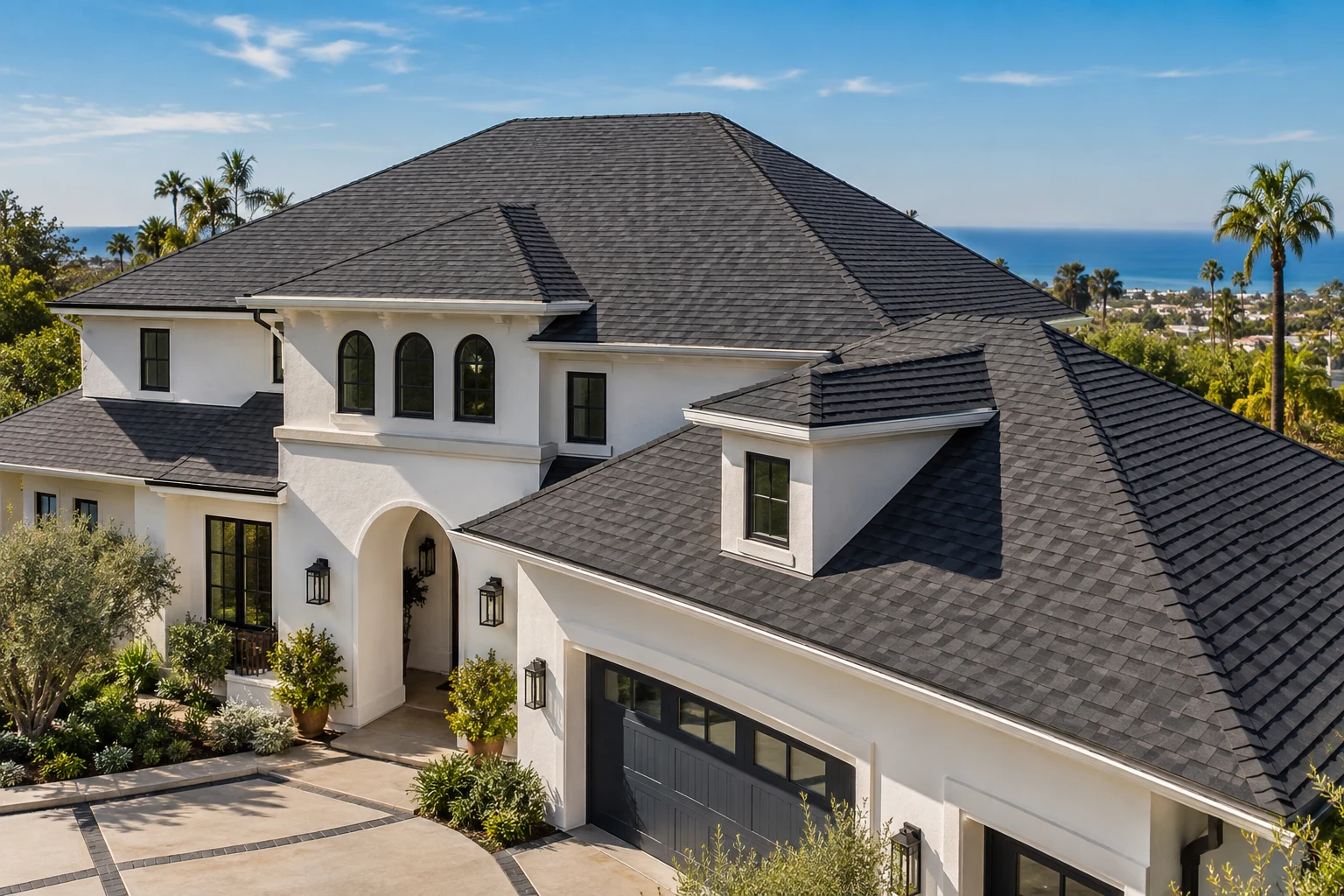
Choosing between a tile roof and an asphalt shingle roof is a common question for homeowners in Norwalk. At All Star Roof Replacement, we understand the unique Southern California climate challenges and the nuances of residential roofing systems here. Whether your home features aging tiles or worn shingles, we provide thorough inspections and clear guidance tailored to your roof’s full system—including decking, underlayment, flashing, and ventilation.
Tile vs Shingle Roof in Norwalk: Direct Overview and When to Consider Each
In Norwalk, the choice between tile and shingle roofs rests largely on durability, cost, and home style. Asphalt shingles are generally lighter and more budget-friendly upfront, making them popular for many mid-century tract homes found throughout the city. Tile roofs—whether concrete or clay—offer superior exterior durability and a distinctive aesthetic but require more from the roof structure and underlayment over time.
The heat and strong Santa Ana winds common here increase wear on shingles, causing granule loss and cracking, while tiles may face breakage or flashing issues if not installed correctly. Proper ventilation is critical for extending the life of both roofing types due to Norwalk’s high summer temperatures and UV exposure.
Many homeowners don’t realize that roofing is more than just the visible tiles or shingles; the full system impacts long-term performance. For more on the basics, see our roof replacement in Norwalk page.
Why Roofing Problems Happen in Norwalk’s Climate
Norwalk’s hot summers frequently see temperatures soaring into the 80s and 90s, combined with intense UV radiation and drying Santa Ana winds. This environment ages roofing materials faster than in cooler areas. Shingles become brittle, tile mortar dries and cracks, and sealants and flashing adhesives degrade more quickly.
The city’s rainy season, while less frequent, brings intense storms that expose any weaknesses in flashing and gutters. Older homes often face underlayment deterioration and outdated ventilation, which means moisture intrusion and heat buildup can damage decking and shorten material life.
Balanced attic ventilation is especially important for managing this heat load and humidity. Without it, roofing materials fail prematurely and homeowners experience higher energy bills. To learn about improving ventilation specifically, visit our roof ventilation upgrades and attic health page.
What Happens If Tile or Shingle Problems Are Ignored in Norwalk
Ignoring early signs like shingle granule loss or underlayment wear can be costly. Water leakage leads to wood decking rot and interior damage during Norwalk’s winter rains. With tile roofs, even though the tiles last longer, failing underlayment allows hidden water intrusion that can seriously affect structural wood without visible clues on the exterior tile surface.
Ventilation issues compound these problems by making attic temperatures rise, accelerating material aging and increasing your home’s cooling costs—often without obvious cause to the homeowner.
Repeated patch repairs without addressing underlying issues seldom resolve the root causes, especially on older roofs. For guidance on when to consider repair versus a full replacement, see our roof repair or replacement page.
Comparing Tile and Shingle Roof Systems in Norwalk
System Components Beyond Tiles/Shingles
Effective roofing depends on a whole system working together: decking, underlayment, flashing, ventilation, and the roof covering. Underlayment failure is common in Norwalk and significantly impacts both tile and shingle roofs.
Tile roofs require battens and heavier framing to support their weight, while shingle roofs are lighter but still need proper fastening to withstand the Santa Ana winds. Flashing is a critical component, especially in valleys and around roof penetrations. This area often fails first if not installed or maintained properly during intense rainy seasons.
Pros and Cons of Asphalt Shingles vs Tile for Norwalk Homes
Feature | Asphalt Shingles | Tile Roofs (Concrete/Clay)
--- | --- | ---
Initial Cost | Lower cost; popular for budget-conscious homeowners. | Higher upfront investment, including structural assessment.
Weight | Lighter; easier installation on common Norwalk home framing. | Heavier; requires structural confirmation especially for retrofits.
Lifespan | About 20–30 years depending on ventilation and UV exposure. | Tile cladding can last 50+ years; underlayment needs replacement every 25–30 years.
Durability | Vulnerable to wind uplift without proper fastening; brittle under heat. | Long-lasting tile surface; mortar and flashing maintenance needed for wind resistance.
Maintenance | Generally less complex but may require more frequent replacement. | Underlayment lift-and-relay every 25–30 years recommended, along with tile re-setting.
Overall, shingles fit well on typical Norwalk tract homes with simpler framing and tight budgets. Tiles are best for homes built or remodeled for that look but require careful attention to structure and system upgrades. For specific comparisons on installation and rehabilitation, our tile roof lift-and-relay and asphalt shingle roof replacement pages offer detailed insights.
When Each Option Makes Sense for Norwalk Homeowners
If you live in a mid-century tract home and need an affordable, efficient roofing solution, asphalt shingles are usually the best fit. Their lighter weight aligns better with common framing, and they are relatively straightforward to install.
On the other hand, if your home currently has tile roofing or if you prefer the premium look and long exterior life of tile, installing or maintaining a tile roof can add value and curb appeal. Just be prepared for the lift-and-relay of the underlayment every few decades and verifying that your home’s structure can support this added weight.
Regardless of choice, proper ventilation and flashing upgrades are critical to extend your roof’s lifespan in Norwalk’s challenging climate.
FAQs About Tile vs Shingle Roof Replacement in Norwalk
How much does a tile roof replacement cost in Norwalk compared to shingles?
Tile roof lift-and-relay projects typically range between $700 and $1,100 per square (100 sq ft), with full new tile roofs costing more. Asphalt shingles usually run from $550 to $900 per square for straightforward installations. Additional expenses like wood repairs, flashing upgrades, and coordinating solar panel work can affect final costs.
Which roofing material lasts longer in Norwalk’s heat and wind conditions?
Tile roofing cladding can last over 50 years, but its underlayment generally needs replacement every 20–30 years. Asphalt shingle roofs last around 20–30 years depending on ventilation and exposure. Both benefit significantly from proper attic ventilation to slow aging.
Is it better to replace or repair a tile roof with underlayment issues?
When underlayment fails beneath a tile roof, a lift-and-relay replacement is the recommended approach. Repairs only patch visible leaks and do not address the critical waterproofing layer beneath the tile, leading to ongoing leaks especially during Norwalk’s intense rains.
How long does a shingle roof usually last in Norwalk?
Shingle roofs generally last 20–30 years in this region, with lifespan reduced if ventilation is inadequate or exposure to heat and UV rays is high—common issues in many older Norwalk homes.
Can I convert from shingle to tile, and what should I consider?
You can convert, but it requires a structural evaluation to confirm your roof framing can support tile’s heavier weight. Upgrades to underlayment and flashing styles to meet wind and weather standards are also necessary for a successful conversion.
How does ventilation impact my choice of tile vs shingle?
Both roofing systems require balanced intake and exhaust ventilation to minimize attic heat buildup, reduce premature material aging, and improve home energy efficiency. Ventilation is often upgraded during roof replacement projects in Norwalk.
What is the typical timeline for tile vs shingle roof replacement in Norwalk?
Shingle replacements typically take 1–3 days for standard homes, while tile lift-and-relay projects often require 4–8+ days depending on size and complexity. Permit and scheduling processes can add 1–3 weeks to the overall timeline.
Call to Action: Schedule a Roof Inspection and Estimate in Norwalk – No Pressure, Just Clear Information
At All Star Roof Replacement, we provide professional attic and roofing system inspections designed for Norwalk homes and their unique climate challenges. During your evaluation, we explain your roof’s condition, including underlayment, flashing, and ventilation status, in clear, jargon-free language. Our no-obligation estimates are customized to fit your home’s needs and budget.
We handle all coordination with permits, HOAs, and solar panel providers to make your roof replacement as smooth as possible. Ready to understand your roof options with confidence? Contact All Star Roof Replacement by calling (310) 729-3013 or emailing teamallstarconstruction@gmail.com.
Learn more about the roof replacement process in Norwalk or weigh repair versus replacement choices on our roof repair or replacement page.