
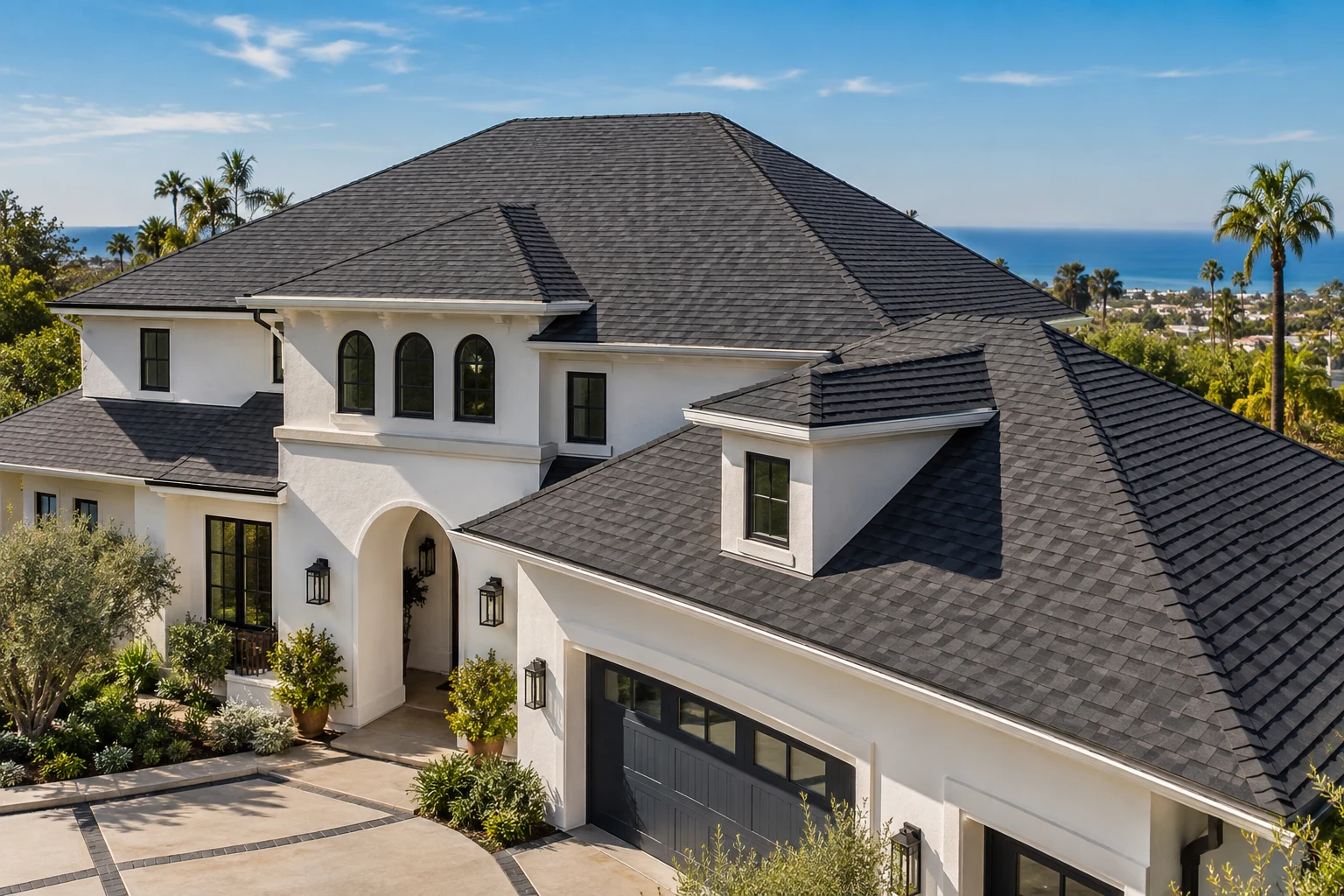
The roof replacement process in Santa Monica starts with a thorough inspection, clear documentation of damage, and a plan built around your home’s condition, not guesswork. All Star Roof Replacement helps homeowners understand what is actually happening on the roof, shows real issues with photos and findings, and then recommends the right replacement approach based on heat exposure, leaks, aging materials, and long-term energy performance.
In Santa Monica, California, roof replacement decisions are often driven by sun and UV exposure, coastal weather, salt air, older homes, and rising energy costs. That combination can speed up roof aging, increase heat buildup in the attic, and turn small weak points into expensive water damage if the problem is delayed.
If you are still deciding whether a full replacement is the right move, start here: roof repair or replacement.
What Is the Roof Replacement Process?
The roof replacement process is the step-by-step removal of an aging or failing roof system and installation of a new one designed to protect the home, reduce future leaks, and improve performance. In Santa Monica, that process also needs to account for UV damage, heat retention, and coastal wear.
All Star Roof Replacement begins with diagnosis first. That means inspecting the roof thoroughly, identifying visible and hidden issues, and showing homeowners proof before recommending any replacement work.
Many homeowners don’t realize how often roofing problems are misdiagnosed. A roof may look “old” from the ground, but during inspection the real issue may be trapped moisture, deteriorated underlayment, cracked tile movement, failed flashing, or heat-related wear around penetrations.
- Initial roof inspection
- Photos and documented findings
- Replacement recommendation and material options
- Detailed estimate and scope of work
- Material ordering and scheduling
- Tear-off of old roofing
- Deck inspection and repairs if needed
- Installation of underlayment, flashing, and roofing material
- Final cleanup and walkthrough
Why Roofs in Santa Monica Need Replacement
Roofs in Santa Monica often need replacement because constant sun exposure, UV degradation, coastal conditions, and age break down roofing materials over time. Older homes are especially vulnerable because many have aging roof systems that were not built for today’s heat and energy-efficiency demands.
In homes across Santa Monica, we often see roofing systems that have dried out, cracked, shifted, or lost waterproofing integrity long before homeowners notice an active leak inside. This is one reason delaying can increase cost: damage may already be worse than visible.
Common local causes include:
- Intense sun and UV exposure that dries and weakens materials
- Coastal salt air that contributes to metal corrosion and system wear
- Older roofs with outdated underlayment or flashing details
- Heat buildup that increases attic temperatures and energy bills
- Small leaks that spread into decking, fascia, or insulation
If your main concern is performance in hot weather, see energy-efficient roofing.
Step 1: Roof Inspection and Proof of Damage
The first step is a detailed inspection to determine whether replacement is necessary and what problems must be addressed underneath the surface. All Star Roof Replacement does not guess; the roof is inspected thoroughly, and homeowners are shown photos and findings so they can see the actual condition before any recommendation is made.
A common issue during inspections is damage that cannot be confirmed from street level. Cracked tiles, brittle shingles, failed valleys, soft decking, lifted flashing, and moisture intrusion around vents are often only found up close.
This inspection stage matters because not all contractors are equal. A rushed bid without proof can lead to poor decisions, missed damage, and long-term issues after the new roof is installed.
- Surface condition of roofing material
- Flashing at walls, chimneys, vents, and transitions
- Signs of active or past leaks
- Condition of underlayment and roof deck where visible
- Ventilation and heat retention concerns
- Drainage patterns and weak points
If you want to understand inspection pricing first, visit roof inspection cost.
Step 2: Recommendation, Materials, and Estimate
After inspection, the next step is choosing the right replacement scope and roofing system for the home. The best recommendation depends on the roof’s current condition, the home’s design, local weather exposure, and whether your priority is durability, appearance, or energy efficiency.
All Star Roof Replacement explains what needs to be replaced, why it needs replacement, and what material options make sense in Santa Monica. That includes discussing how roofing material affects heat absorption, lifespan, maintenance, and future repair risk.
For budgeting, many smaller homes may fall in the $8,000–$15,000+ range, while full roof replacements often run $15,000–$30,000+ depending on size, material, structural repairs, and complexity. If hidden deck damage or moisture intrusion is found after tear-off, costs can increase because those problems must be fixed before the new system is installed correctly.
Many homeowners don’t realize that the lowest estimate can become the most expensive if key components are skipped. Underlayment, flashing details, ventilation corrections, and deck repairs all affect how well the roof performs after installation.
For more cost details, review roof replacement cost and cost per square roof.
Step 3: Scheduling, Permits, and Preparation
Once the estimate is approved, the project is scheduled and the home is prepared for the replacement. This stage includes material coordination, timeline planning, and site preparation so the installation moves efficiently and safely.
In Santa Monica, preparation is important because roof replacements may involve older structures, limited access, attached garages, landscaping protection, and careful handling of debris around occupied homes. Clear planning helps prevent delays and sets expectations before work begins.
- Confirm material selection and scope
- Set installation date
- Prepare access and staging areas
- Protect landscaping and surrounding surfaces
- Coordinate debris removal and cleanup process
The answer here is simple: a smooth project depends on what is discovered before work starts, not after. Inspection-first planning is what helps avoid surprises.
Step 4: Tear-Off and Deck Evaluation
The old roof is removed so the structure underneath can be inspected and prepared for the new roofing system. This is one of the most important stages because underlying problems are often hidden until the existing materials come off.
In homes across Santa Monica, we often see aging roofs where the outer material is only part of the problem. Once tear-off begins, there may be soft spots, rotted wood, old patchwork repairs, or water damage near penetrations and edges.
This step is where roof replacement becomes more than “installing a new roof.” It is about solving leak risk, structural wear, and energy inefficiency before they continue getting worse.
- Remove existing roofing material
- Inspect decking for rot, softness, or separation
- Replace compromised wood where needed
- Prepare clean, stable surface for installation
Damage found during tear-off is one reason delaying can increase cost. What starts as an exposed aging roof can develop into deck replacement, insulation damage, or interior repairs if moisture keeps getting in.
Step 5: Installing the New Roofing System
After the deck is confirmed sound, the new roofing system is installed in layers. This usually includes underlayment, flashing, ventilation components where needed, and the final roofing material selected for the home.
All Star Roof Replacement focuses on full-system performance, not just surface appearance. The goal is to create a roof that resists leaks, handles Santa Monica’s sun and coastal exposure, and helps reduce heat transfer into the home.
A common issue during inspections is seeing newer-looking roofs fail early because flashing and waterproofing details were poorly done. Poor installation decisions lead to long-term issues, especially in areas around vents, valleys, skylights, walls, and roof transitions.
- Waterproof underlayment installation
- New flashing at critical leak points
- Proper fastening and layout of roofing material
- Ventilation considerations for heat management
- Edge and drainage detailing
If you are comparing materials before replacement, see tile vs shingle roof.
Step 6: Cleanup, Final Review, and Next Steps
The final step is site cleanup and a review of the completed work. Homeowners should understand what was installed, what issues were corrected, and what to watch for over time.
All Star Roof Replacement closes the project by making sure the roof replacement addressed the actual problems found during inspection. That includes leak-prone areas, visible wear, and performance concerns related to heat and aging materials.
The direct answer is this: a proper roof replacement should leave you with clarity, documentation, and a system built to solve the problems that caused the replacement in the first place.
How Long Does Roof Replacement Take in Santa Monica?
Most roof replacement projects take a few days to about a week, depending on roof size, material type, weather, access, and whether hidden repairs are found during tear-off. Complex roofs, tile systems, and older homes may take longer.
Santa Monica homes can vary widely in age and design, so timelines are not one-size-fits-all. A straightforward replacement may move quickly, while a roof with structural repairs, layered materials, or difficult access will require more time.
Many homeowners don’t realize that speed is not the main goal. Accuracy matters more, especially when hidden moisture damage or deck deterioration is involved.
How to Know If You Should Replace Instead of Repair
If the roof has widespread wear, recurring leaks, advanced aging, or multiple failing components, replacement is often the more cost-effective long-term solution. Repair may make sense for isolated damage, but repeated patching on an aging roof usually leads to more expense later.
In Santa Monica, California, prolonged UV exposure and heat can age a roof from multiple points at once. That means even if one leak is repaired, another weak area may fail soon after.
Signs replacement may be the better option include:
- Roof is nearing the end of its expected lifespan
- Leaks have happened more than once
- Visible cracking, brittleness, or movement
- Evidence of underlayment or flashing failure
- Rising cooling costs from poor roof performance
- Widespread wear rather than one isolated issue
For a broader overview, read signs you need new roof and roof replacement.
Related Roofing Answers in Santa Monica
- Roof Replacement
- Roof Replacement Cost
- Roofing Contractor Near Me
- Energy-Efficient Roofing
Get Your Free Roof Replacement Estimate In Santa Monica
If your roof is aging, leaking, or no longer protecting your home efficiently, All Star Roof Replacement can help you understand exactly what’s happening and what your options are.
Call (310) 729-3013
or visit:
> Contact
“Contact” — Roof Replacement - All Star Roof Replacement
Licensed • Insured • Owens Corning Preferred Contractor • CA License #1009760