
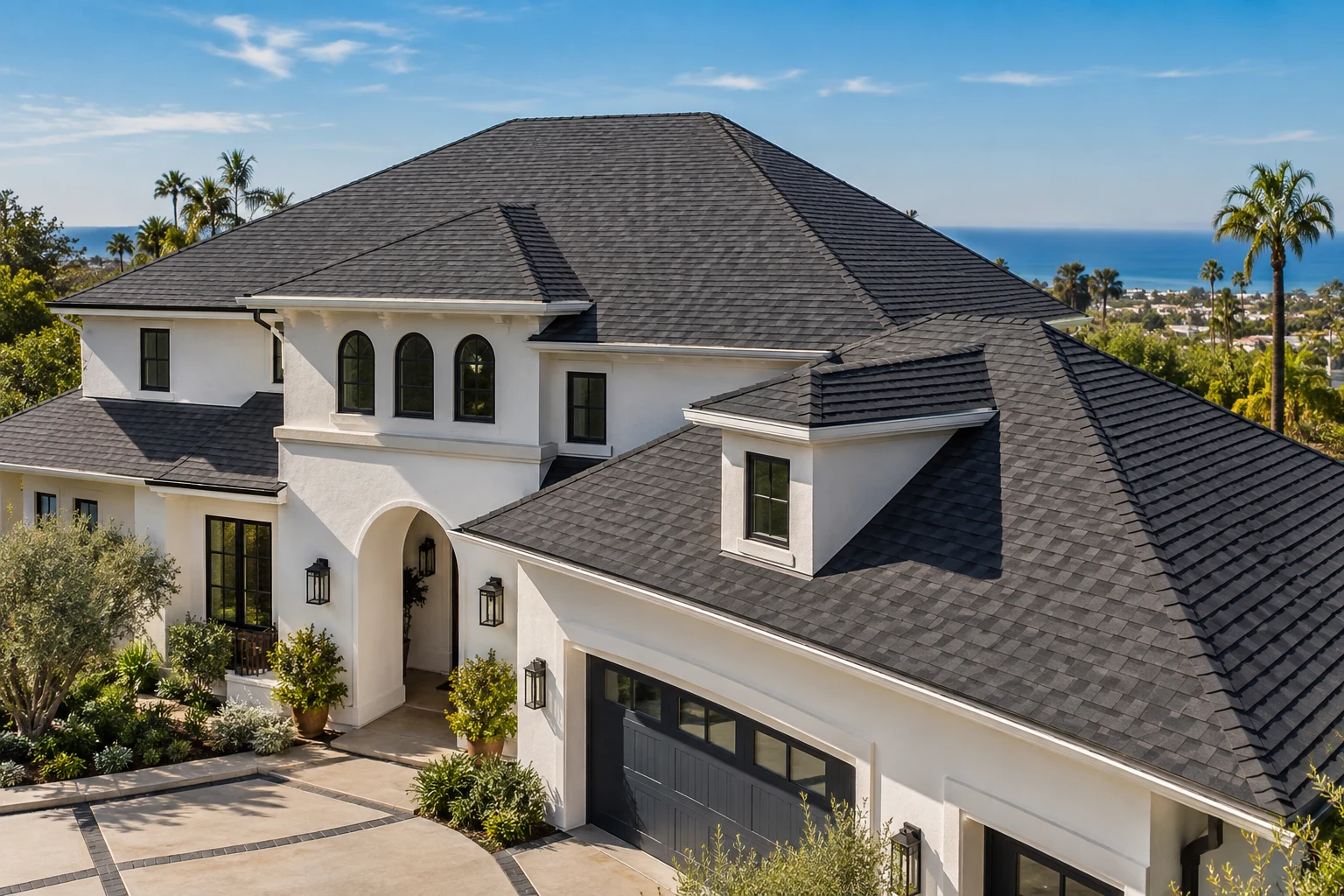
In Santa Monica, a roof replacement usually takes anywhere from a few days to about two weeks, depending on the roof size, material, weather, permit timing, and how much hidden damage is found after tear-off. All Star Roof Replacement helps homeowners understand the timeline clearly by inspecting the roof thoroughly, documenting real issues with photos and findings, and showing proof before recommending repair or full replacement.
That matters in Santa Monica, California because strong sun, UV exposure, coastal air, and aging roofing systems on older homes can speed up wear, raise indoor temperatures, and increase the risk of leaks. If you are trying to plan around your schedule, budget, and home protection, the right answer starts with a real inspection, not guesswork.
If you are still deciding whether replacement is the right move, review roof repair or replacement to compare your options.
How long does a roof replacement take in Santa Monica?
Most roof replacements in Santa Monica take about 3 to 7 working days for the installation itself, but the full timeline can stretch to 1 to 3 weeks when inspection, materials, permits, and final cleanup are included. Larger homes, tile systems, structural repairs, and scheduling delays can add time.
All Star Roof Replacement sets expectations upfront so homeowners know what happens before work starts, what happens during tear-off and installation, and what could extend the schedule. A common issue during inspections is that the visible roof problem is only part of the story, and damage underneath the surface may already be worse than it looks.
Delaying replacement can increase cost because sun damage, trapped moisture, and small leaks often continue affecting the underlayment and roof decking while homeowners wait.
What affects the roof replacement timeline?
The biggest factors are roof size, roof material, permit requirements, weather conditions, and whether hidden damage is found once the old roofing is removed. In Santa Monica, sun and coastal exposure can make roofing materials brittle over time, which sometimes reveals more deterioration during tear-off.
- Roof size and complexity: Larger roofs and multi-level homes take longer.
- Material type: Asphalt shingles are usually faster than tile or more specialized systems.
- Tear-off condition: Multiple old layers or deteriorated decking add labor.
- Permits and inspections: City scheduling can affect project timing.
- Weather: Even in Southern California, marine moisture and wind can slow specific phases.
- Repairs below the surface: Rot, soft spots, and flashing failures can extend the job.
Many homeowners don’t realize that roofing timelines are often shaped more by hidden conditions than by the new material itself. That is why All Star Roof Replacement inspects first, documents what is actually happening, and provides proof before recommending the scope of work.
For an overview of replacement service in the area, visit roof replacement.
Typical roof replacement timeline step by step
A standard roof replacement follows a predictable sequence: inspection, estimate, scheduling, material delivery, tear-off, repairs, installation, and final cleanup. The exact number of days depends on the roof system and site conditions.
1. Inspection and diagnosis
This stage usually happens first and should never be rushed. All Star Roof Replacement performs a thorough inspection, shows homeowners real issues with photos and findings, and explains whether the roof needs targeted repair or full replacement.
Heat and roof issues are often misdiagnosed, especially when homeowners notice only higher energy bills or a ceiling stain. In homes across Santa Monica, we often see UV-related cracking, worn underlayment, failing flashing, and aging roof sections that no longer protect the structure efficiently.
2. Estimate and scope confirmation
After inspection, the project scope is confirmed based on evidence, not assumptions. This is where homeowners learn what work is needed, what materials are recommended, and whether any underlying wood repairs are likely.
Not all contractors are equal. Poor decisions at this stage can lead to long-term issues, especially if someone skips ventilation corrections, flashing details, or energy-efficiency upgrades.
3. Scheduling, permits, and material coordination
Once approved, the project moves into scheduling. Depending on city timing and material availability, this phase can take several days to over a week.
Santa Monica homes often require thoughtful planning because older homes may have aging structures, layered roofing, or specialty materials that need additional coordination. If energy savings are part of your goal, review energy-efficient roofing before finalizing material choices.
4. Tear-off and deck inspection
Tear-off usually takes 1 to 2 days on many homes. This is the phase where the old roofing is removed so the roof deck can be fully evaluated.
A common issue during inspections is that leaks have been traveling under the surface long before they show up inside. Once the old roof comes off, All Star Roof Replacement can confirm whether the decking is sound or whether structural wear and water damage need to be addressed before installation continues.
5. Repairs and new roof installation
If the deck is in good shape, installation moves quickly. Many straightforward residential roofs can be dried-in and installed within a few days, while tile and more complex systems can take longer.
In Santa Monica, California, this phase also matters for energy performance. The right roofing system can reduce heat buildup caused by sun exposure and help lower cooling strain during hotter periods.
6. Cleanup and final review
The final step is site cleanup and project review. Homeowners should know what was completed, what materials were used, and what condition the roof structure was found in.
All Star Roof Replacement focuses on a clear closeout process so you understand the completed work and the reason behind each recommendation. That clarity helps prevent future surprises.
How Santa Monica conditions affect replacement timing
Santa Monica roofing projects are shaped by sun, UV exposure, coastal conditions, and the age of the local housing stock. These conditions can shorten roof life and create hidden deterioration that affects both urgency and timeline.
Salt air near the coast can contribute to metal component wear, while repeated sun exposure dries out and weakens roofing materials over time. Many older homes in Santa Monica also have roofs that have been patched repeatedly, which can complicate replacement once the existing system is opened up.
That is why a timeline estimate without a real inspection is incomplete. All Star Roof Replacement diagnoses the roof first so homeowners understand whether they are dealing with surface wear, active leaks, structural concerns, or energy inefficiency.
How much does roof replacement usually cost while planning the timeline?
In Santa Monica, smaller home roof replacement projects often fall around $8,000–$15,000+, while full replacements commonly range from $15,000–$30,000+ depending on size, material, complexity, and repairs found during the project. The timeline and cost are connected because longer projects often involve more labor, more complex materials, or additional deck repairs.
For example, a smaller aging roof with straightforward shingle removal and limited repairs may stay near the lower end, while an older home with tile removal, underlayment failure, and wood replacement may push into the higher range. Many homeowners don’t realize that waiting too long can turn a manageable replacement into a more expensive structural repair project.
If you want more pricing detail, see roof replacement cost and cost per square roof.
Can you stay in your home during a roof replacement?
Yes, most homeowners can stay in the home during a roof replacement, but there will be noise, vibration, and limited access around parts of the property during work hours. The main exception is when major structural issues or unusual site conditions create a temporary safety concern.
All Star Roof Replacement helps set expectations before the project starts so you can plan for pets, parking, work-from-home schedules, and access around the house. Clear communication makes the process easier, especially on multi-day projects.
When should you replace instead of waiting?
If your roof is aging, leaking, overheating the home, or showing signs of widespread wear, it is usually better to schedule replacement before more damage develops. Roof problems in Santa Monica often get worse under continued UV exposure and can quietly raise energy costs even before a major leak appears.
In homes across Santa Monica, we often see homeowners call only after interior symptoms appear, but by then the roof deck or underlayment may already be compromised. If you are unsure whether your roof is nearing the end, review signs you need a new roof.
Related Roofing Answers in Santa Monica
- Roof Replacement
- Roof Replacement Cost
- Roofing Contractor Near Me
- Roof Repair or Replacement
Get Your Free Roof Replacement Estimate In Santa Monica
If your roof is aging, leaking, or no longer protecting your home efficiently, All Star Roof Replacement can help you understand exactly what’s happening and what your options are.
Call (310) 729-3013
or visit:
> Contact
“Contact” — Roof Replacement - All Star Roof Replacement
Licensed • Insured • Owens Corning Preferred Contractor • CA License #1009760