
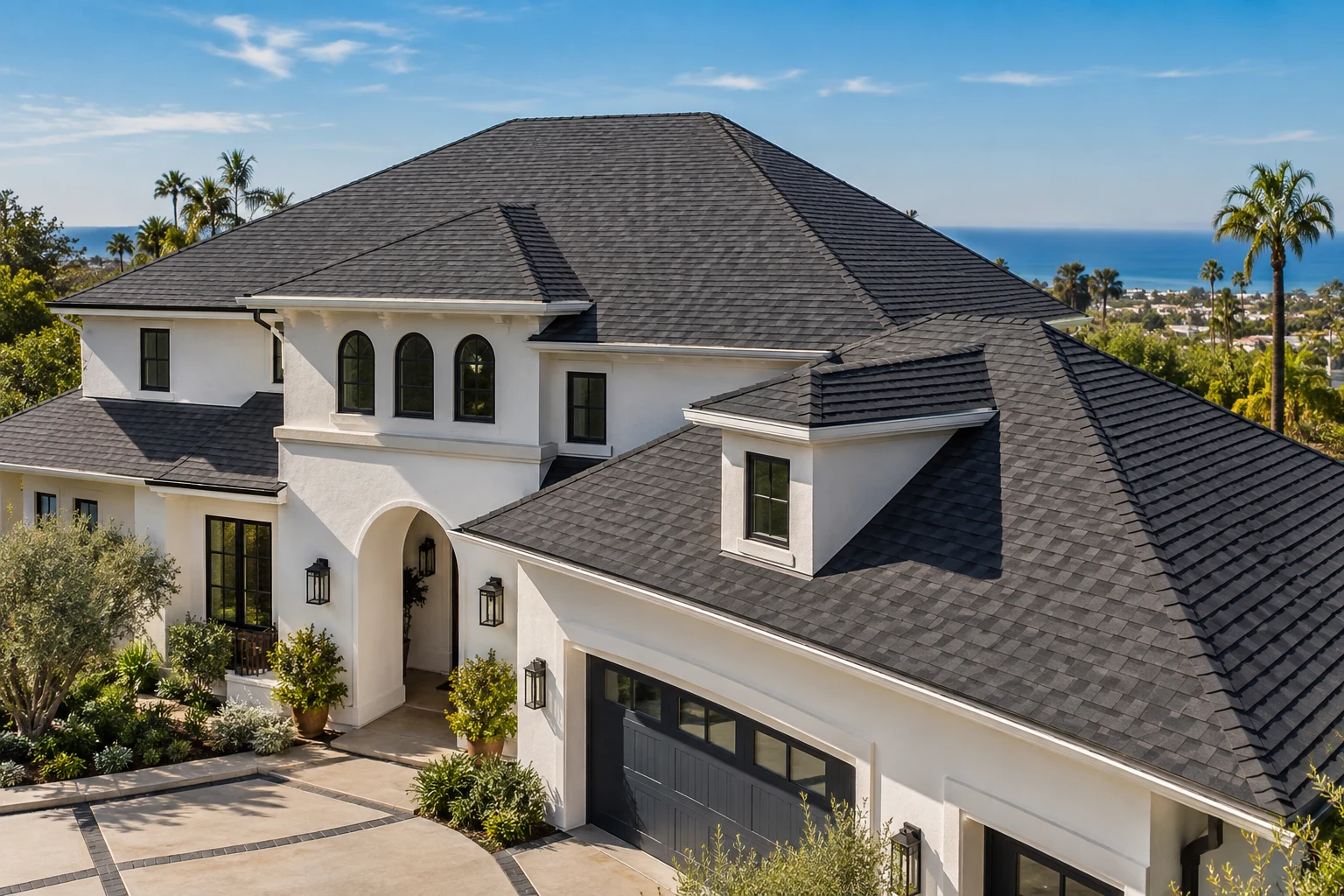
At All Star Roof Replacement, we understand that Whittier homeowners face unique challenges with roofing due to intense Southern California sun and heat. A cool roof is a smart choice here—it’s designed to reflect more sunlight and emit heat more efficiently than traditional roofs. This not only protects your home from excessive heat but can extend the life of your roofing system while lowering energy bills.
In Whittier’s warm Mediterranean climate, where temperatures regularly climb into the 90s and beyond, a cool roof gives you an edge against heat-related roofing wear and high cooling costs. Our team specializes in residential roof replacement across Whittier and can evaluate whether a cool roof system fits your home’s needs.
What Is a Cool Roof and Why Does It Matter in Whittier?
A cool roof is specifically built to reflect more solar radiation and release absorbed heat quickly, keeping the roof surface temperature notably cooler than traditional roofing materials. In Whittier, where the sun’s UV rays and heat are intense, this helps slow the aging of shingles and underlayment.
A direct benefit you’ll see is reduced attic temperatures. Many homeowners don’t realize how high attic heat can get during summer—often reaching 130–150°F—which puts heavy strain on HVAC systems trying to cool the home. A cool roof reduces that attic heat, leading to lower energy use and improved comfort indoors.
All Star Roof Replacement offers expert roof replacement services tailored to these conditions. Learn more about our roof replacement in Whittier services and how cool roofs fit into that offering.
Why Are Cool Roofs Especially Relevant to Whittier Homes?
Whittier’s climate intensifies the need for roofing solutions that can withstand sustained heat and UV exposure. With summer highs frequently in the 90s and heat waves pushing past 100°F, roofing materials undergo faster degradation. We often see asphalt shingle granules eroding and underlayments cracking due to these conditions.
Additionally, Whittier experiences Santa Ana winds that can dry out roofing components and hasten damage. Proper ventilation is critical, and cool roofs lessen attic heat, allowing ventilation systems to work more efficiently in protecting your roof.
When heavy rains hit after long dry spells, many homes reveal leaks caused by brittle underlayment and damaged decking. Cool roofs moderate these thermal expansion and contraction cycles, reducing early wear. For more on ventilation’s role, visit our roof ventilation upgrades page.
What Can Happen If a Cool Roof Is Ignored or Traditional Roofing Is Used Instead in Whittier?
Choosing a traditional roof without cool roof technology in Whittier means accepting higher roof surface temperatures. This accelerates granule loss on asphalt shingles and causes underlayment to become brittle much sooner. A direct result is premature leaks and the need for unexpected roof replacements.
During inspections in Whittier homes, it’s common to find attics overheating past 140°F when cool roofing isn’t present. This not only raises cooling costs significantly but also contributes to dry rot in roof framing and fascia components.
Without proper heat-management from a cool roof, flashing sealants deteriorate faster, leading to repeated leak issues. This cycle drives many homeowners to ask whether they need a full replacement versus repairs. You can explore the differences on our roof repair or replacement page.
Cool Roof Technology Explained: How Does a Cool Roof Work in Whittier?
Cool roofs employ materials engineered to reflect UV and infrared rays that normally cause heat buildup. Reflective granules embedded in shingles or reflective white coatings on membrane roofs bounce sunlight away, preventing excessive heat absorption.
Typical cool roofing options for Whittier homes include CRRC-rated architectural shingles or white TPO/PVC membranes for low-slope roofs, designed specifically to maximize reflectivity. Thermal emittance properties allow these roofs to radiate absorbed heat back into the atmosphere efficiently, rather than transferring that heat into your attic.
Understanding these materials and how they perform is critical. For more technical details, visit our dedicated cool roof page or learn how these innovations enhance energy efficiency on our energy-efficient roofing page.
How Cool Roofs Fit Into Your Roof System in Whittier: Beyond Just Shingles
Roofing is a full system, and a cool roof’s benefits depend heavily on every component working in harmony. In Whittier, the sun and heat challenge not only shingles but also underlayment, flashing, decking, and ventilation.
For example, synthetic underlayments that resist heat damage extend the life of your roof underlayment. Proper ventilation—through well-placed ridge vents and soffit vents—helps prevent heat buildup in the attic, complementing the reflective surface of cool roofing materials. All Star Roof Replacement installs these critical components to maximize system durability.
When we inspect older roofs in Whittier, we often find flashings cracked or improperly sealed after years of heat cycles. Updating flashing and ensuring tight seals are vital steps. Learn more on our roof flashings page, along with improving ventilation on roof ventilation upgrades.
Frequently Asked Questions About Cool Roofs in Whittier
How much does installing a cool roof cost in Whittier?
The cost can vary widely based on roof size, slope, and material selected. Cool roof shingles typically add a 5–15% premium over standard shingles, while cool white TPO membranes for flat roofs generally range from $800 to $1,250 per square. Full roof tear-offs and upgrades to underlayment or ventilation can affect pricing.
How long does a cool roof last in Whittier’s climate?
Cool-rated architectural shingles often last 18 to 28 years if properly ventilated and installed with quality underlayment. TPO or PVC cool membranes usually last 15 to 25 years. Using heat-resistant underlayments and maintaining good ventilation extends their lifespan further.
Does a cool roof reduce my energy bills in Whittier?
Yes. By lowering roof surface temperatures and keeping attics cooler, cool roofs reduce air conditioning demands during Whittier’s hot summers. The degree of savings depends on your home’s insulation and ventilation status.
Can any roof be made into a cool roof?
Most roofs can be upgraded with cool roofing materials during a full replacement. However, overlays often limit the effectiveness and certification of cool roofing systems. Full tear-off is usually necessary to properly install a certified cool roof.
Is a cool roof required by Whittier building codes?
California Title 24 energy codes may require cool roofs on low-slope re-roofs or projects that trigger certain energy upgrades. On steeper slopes, cool roofs may be optional but strongly recommended for increased comfort and efficiency.
What maintenance do cool roofs require in Whittier?
Maintenance involves removing debris, inspecting flashing seals, checking ventilation components, and promptly repairing damaged shingles or tiles to maintain reflectivity and system integrity.
How do cool roofs perform during Santa Ana winds and rain events in Whittier?
When installed correctly with secure fastening, proper flashing, and adequate ventilation, cool roofs withstand typical Santa Ana wind gusts and heavy first-rain events well. Proper installation is key to durability and leak prevention in these conditions.
Contact All Star Roof Replacement for Your Whittier Cool Roof System Evaluation
If you’re considering a roof replacement in Whittier, All Star Roof Replacement offers no-pressure inspections and expert evaluations tailored to your home’s unique conditions. We examine your roof deck, ventilation, flashing, and existing materials to recommend the right cool roofing system for Southern California’s climate.
Our experience with Whittier’s permitting process, HOA regulations, and California Title 24 compliance ensures your upgrade is smooth and fully compliant. Schedule your free consultation today by calling (310) 729-3013 or email teamallstarconstruction@gmail.com. Learn more about the process and costs by visiting our roof inspection cost and roof replacement process pages.