
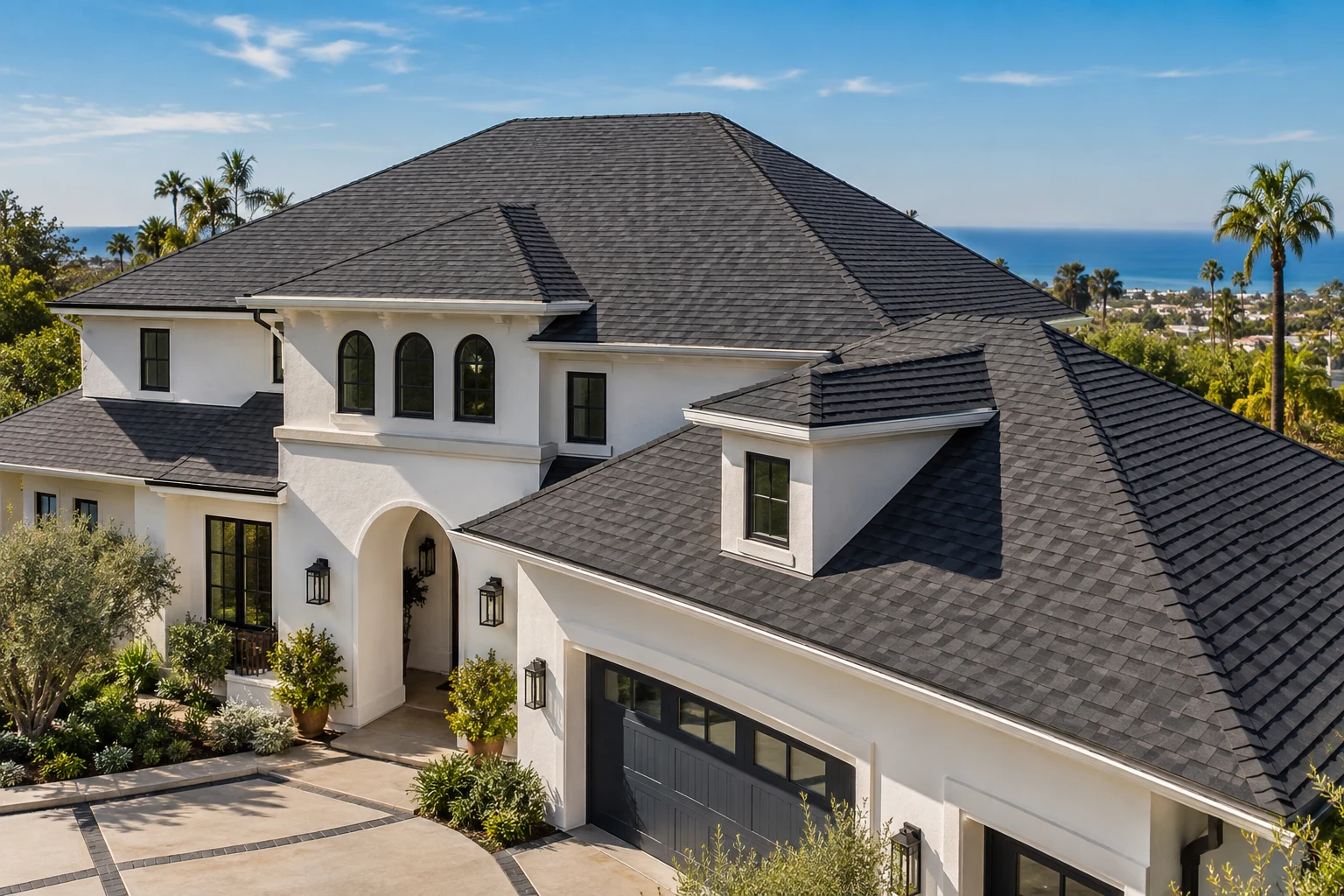
At All Star Roof Replacement, we understand the unique challenges Whittier homeowners face when it comes to roofing. Our energy-efficient roof replacement services focus on the entire roofing system—from underlayment and ventilation to reflective shingles—that work together to lower your energy bills and extend your roof’s lifespan in Southern California’s intense sun and heat.
What Energy-Efficient Roofing Means for Whittier Homeowners
In homes across Whittier, the warm-summer Mediterranean climate brings prolonged periods of heat with daytime temperatures routinely in the 90s and occasional heat waves pushing above 100°F. This heat not only stresses roofing materials but also causes serious attic temperature buildup, driving up indoor cooling costs. An energy-efficient roof replacement reduces these effects by using materials that reflect more solar radiation and ventilation systems that promote better airflow.
It’s not just about cool-colored shingles; the roofing system—from specialized underlayments to properly sealed and vented attic spaces—works together to reduce heat transfer.
Many homeowners don’t realize that addressing only one part of the roof, such as replacing shingles without upgrading ventilation or underlayment, falls short of providing the full energy-efficient benefits. At All Star Roof Replacement, we evaluate your roof as a complete system that needs all components working in harmony for optimal energy savings and durability. For a comprehensive overview, learn more about our roof replacement in Whittier.
Why Energy Efficiency is Crucial in Whittier’s Climate
Whittier’s intense sun and high UV levels accelerate material degradation—shingles lose granules faster, and underlayments become brittle, leading to cracks and leaks sooner than expected. Add in the impact of Santa Ana winds that push roofing materials to their limits, causing ventilation imbalances that trap more heat in the attic. Even the moderate winter rains impact flashing and underlayment condition after years of heat/moisture cycles.
A common issue during inspections is poorly balanced ventilation systems that lead to attic temperatures exceeding 130°F in summer. This not only shortens the lifespan of roofing materials but also forces your HVAC system to work harder. Proper energy-efficient roofing construction extends roof life and reduces these energy costs. To explore ventilation options that complement your roof, consider our roof ventilation upgrades in Whittier.
Components of an Energy-Efficient Roofing System in Whittier
Cool Roofing Materials and Reflective Surfaces
Cool roofing materials make a fundamental difference by reflecting more sunlight and reducing roof surface temperatures. CRRC-rated cool shingles and white TPO or PVC membranes are excellent choices that help keep your home cooler. These materials can reduce heat absorption by a significant margin without sacrificing aesthetics or compliance—many architectural shingles now come in cool-rated colors suitable for Whittier’s climate.
Choosing cool roofing materials can also help meet California’s Title 24 energy efficiency standards. If you want to see specific product options and benefits, check out our cool roof options in Whittier for more detailed guidance.
Underlayment Choices Supporting Energy Efficiency
While shingles receive much of the attention, the underlayment beneath plays a vital role in energy efficiency and roof longevity. In Whittier’s heat, traditional 30 lb felt underlayment quickly degrades and loses effectiveness. Synthetic or high-temperature underlayments, often installed in dual layers, provide better heat resistance and moisture control, which extends the life of your roof deck and roofing materials.
Many homeowners don’t realize that quality underlayment is an important defense against heat transfer into your attic and living spaces. To learn about underlayment suited for tile roofs and high-heat conditions, see our tile underlayment lifespan in Whittier page.
Ventilation System Design for Optimal Heat Management
Proper attic ventilation is often the missing piece for energy-efficient roofing in Whittier. Attics without balanced intake and exhaust airflow can reach extreme temperatures regularly — with records exceeding 150°F during the hottest summer days. A roof system with well-planned soffit or edge vents as intake and ridge, hip, or tile vents for exhaust ensures better circulation and cooler attic air.
This ventilation design not only preserves shingle and underlayment health but also reduces strain on your cooling system. We recommend aiming for net free ventilation ratios of 1:150 or 1:300, balanced carefully with a sealed attic air barrier. For more on ventilation options suited for Whittier’s climate, visit our roof ventilation upgrades in Whittier page.
Sealing and Attic Air Barriers for Energy Control
Many Whittier homes experience heat infiltration through common attic penetrations like hatches, plumbing vent openings, and wiring chases. Proper sealing of these penetrations is critical in an energy-efficient roof system and improves HVAC efficiency. Incorporating radiant barriers in the attic can further reduce heat gain, especially in older homes with limited insulation.
Sealing, ventilation, and reflective materials work together to maintain the balanced thermal envelope your home needs. For comprehensive roof replacement system details in Whittier, see our main roof replacement in Whittier page.
What Happens if Energy Efficiency Is Overlooked in Whittier Roofs
Neglecting energy efficiency during roof replacement leads to costly consequences. Excessive heat in the attic raises your indoor cooling bills and stresses HVAC equipment. We often see premature material failure including granule loss from shingles, cracking underlayments, and dry rot of roof decking. Such deterioration increases the likelihood of leaks and moisture damage as flashing and ventilation components degrade.
Deferring an energy-efficient roof system increases ongoing repair costs and shortens your roof’s functional lifespan. Signs of aging roofs that need replacement or upgrading are detailed in our signs you need a new roof in Whittier resource. If you’re unsure whether to repair or replace, our guide on roof repair vs replacement can help clarify your options.
Balancing Energy Efficiency with Other Roofing System Factors
Maintaining energy efficiency should never come at the expense of other critical roofing elements. During roof replacement, we prioritize high-quality flashing, decking inspection, and installation that meets or exceeds code. Upgrading to cool roofing materials works best when combined with proper ventilation and a well-sealed attic to avoid localized failures and inefficiencies.
Homeowners in Whittier should also check any HOA restrictions related to roofing colors or materials before selecting reflective products. Our team ensures your new roof complies with local standards and maximizes both energy savings and durability. For detailed material options and considerations, see our best roofing materials for Whittier page.
Roofing System Component | Energy Efficiency Role | Whittier Considerations
--- | --- | ---
Cool Shingles / Membranes | Reflect solar radiation, reduce surface heat | Combat routine 90°F+ summer temps
Synthetic / High-temp Underlayment | Minimize heat transfer, extend underlayment life | Necessary due to UV and heat cycling damage
Balanced Ventilation | Lower attic temps, improve airflow | Essential to offset attic heat over 130°F
Attic Sealing | Prevent heat infiltration into living spaces | Complements reflective materials; reduces HVAC loads
Radiant Barriers (Optional) | Reflect radiant heat within attic | Useful where attic insulation is limited
Energy-Efficient Roofing FAQs for Whittier Homeowners
What makes a roof energy-efficient in Whittier’s climate?
Energy-efficient roofing in Whittier relies on cool-rated materials that reflect solar heat, synthetic or high-temp underlayments that reduce heat transfer to the decking, and well-designed ventilation to keep attic temperatures lower. Proper sealing of attic penetrations also limits heat gain inside the home, addressing the intense sun and heat typical here.
Are cool roofs required by Whittier building codes?
Under California’s Title 24 Energy Code, cool roofs or insulation upgrades are required on some reroof projects, especially for low-slope roofs or conditioned attic spaces. However, many homeowners opt for cool shingles voluntarily to lower their energy bills given the hot summers in Whittier.
How does proper ventilation impact my roof’s energy efficiency?
Balanced intake and exhaust ventilation help lower attic temperatures, slowing the aging of shingles and underlayment, and reducing HVAC loads. Without good ventilation, attic heat can exceed 130°F regularly, negating the benefits cooler roofing materials provide.
Does upgrading roofing materials to cool shingles increase replacement cost?
Cool-rated shingles and roofing membranes generally add about a 5–15% premium to material costs. However, the energy savings over time and potential Title 24 compliance benefits often offset this investment.
Can I improve energy efficiency on a tile roof?
Yes. Energy efficiency on tile roofs improves with synthetic high-temp underlayments, installation of cool tile options when available, balanced ventilation, and careful sealing of attic penetrations and flashings.
How long does energy-efficient roofing last compared to conventional roofing?
With proper ventilation and professional installation, energy-efficient roofing systems in Whittier can last as long or longer than conventional systems. Cooler roof surfaces reduce thermal stress that normally accelerates granule loss and underlayment damage.
What should I expect during an energy-efficient roof replacement?
The process includes tear-off to decking, deck inspection, installation of synthetic underlayment, and correctly sized ventilation (both intake and exhaust). Cool-rated shingles or membranes are installed along with flashing upgrades and attic sealing to meet local code and energy standards.
Ready to Improve Your Home’s Energy Efficiency with a Quality Roof Replacement?
An energy-efficient roof replacement in Whittier requires a full-system approach—not just swapping out materials but upgrading ventilation, underlayment, and sealing all working together. At All Star Roof Replacement, we provide thorough roof inspections, clear explanations, and customized recommendations tailored to the specific climate challenges Whittier homes face year-round.
Contact us today for a no-obligation inspection and consultation. We focus on delivering quality installation and lasting value to help your home stay cooler longer and protect your investment.
Phone: (310) 729-3013
Email: teamallstarconstruction@gmail.com
To better understand our process, visit our roof replacement process in Whittier page. If financing is a concern, see our finance roof replacement in Whittier options.