
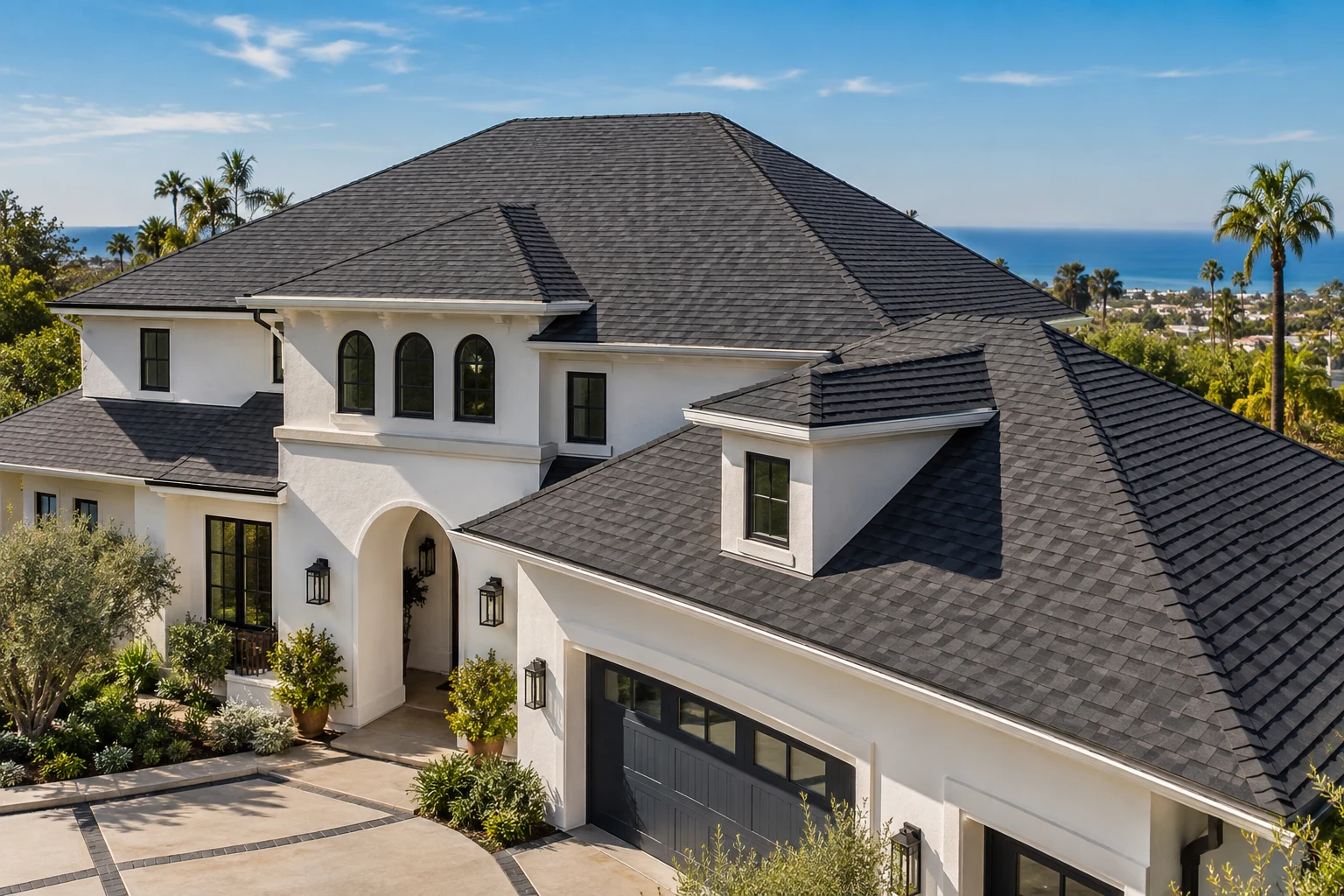
In the warm climate of Whittier, California, managing roof heat plays a crucial role in maintaining comfortable homes and extending roof lifespan. At All Star Roof Replacement, we specialize in residential roof replacement systems designed to reduce heat buildup by integrating reflective materials, upgraded underlayment, and proper ventilation. Our experienced team helps Whittier homeowners make informed decisions for cooler, more energy-efficient roofs tailored to local conditions.
Understanding Heat Issues on Roofs in Whittier: Why Your Roof Gets Hot
Whittier’s sunny Mediterranean climate brings long, dry summers often exceeding 90°F, with frequent heat spikes over 100°F. This intense solar radiation and UV exposure significantly increase roof surface temperatures, especially on dark or aged roofing materials. In homes across Whittier, we often see asphalt shingles losing granules and asphalt binders drying out, making them less reflective and more heat-absorbent over time.
Another key factor is attic ventilation. Poor ventilation traps hot air inside attics, pushing temperatures far beyond outdoor levels, often above 130°F during summer months. A common issue during our inspections is inadequate ventilation leading to these heat spikes, which in turn degrade roofing materials faster and increase cooling costs inside the home.
Addressing these heat issues is not just about the surface materials but understanding the entire roofing system—from decking and underlayment to ventilation and flashing—to effectively reduce heat impact.
Proper attic airflow combined with modern roofing materials helps keep attic temperatures in check, which can reduce energy bills and extend the life of your roof. To explore options, visit our roof replacement in Whittier page.
The Consequences of Ignoring Roof Heat Reduction
Ignoring heat buildup in roofing systems can lead to accelerated aging and frequent repairs. Excessive heat causes asphalt shingles to lose protective granules and become brittle, reducing their lifespan. For tile roofs common in Whittier, underlayment can dry and crack, risking leaks when the first rains arrive after dry summers. Many homeowners don’t realize that heat stress also accelerates flashing deterioration, increasing vulnerability to water intrusion.
Higher attic and roof surface temperatures translate into hotter indoor environments and increased air conditioning demand. This causes noticeable spikes in energy bills, especially during the hottest months. Left unaddressed, this cycle shortens roof lifespan and impacts home comfort. If your roof materials show signs of degradation or your energy costs are climbing, it’s time to consider a full roof replacement rather than patch repairs.
To learn more, see our guide on signs you need a new roof in Whittier.
How Roofing Systems Help Reduce Heat in Whittier Homes
The Roof as a System: Materials, Underlayment, Ventilation, and Flashing
Effective heat reduction in roofing requires a system approach. At All Star Roof Replacement, we emphasize that roofing materials, underlayment, ventilation, and flashing need to work together. For example, synthetic high-temperature underlayments or breathable membranes installed beneath shingles or tiles reduce heat transfer to roof decking and the attic space.
Balanced attic ventilation is critical. Properly sized soffit intake vents combined with ridge exhaust vents create airflow that expels hot attic air, reducing heat buildup significantly. The goal is an airflow ratio of about 1:150 net free area or better, preventing attic temperatures from reaching harmful peaks.
Flashing and roof penetrations sealed with heat-resistant materials also play a dual role—they block moisture intrusion and reflect heat away from vulnerable areas. Whittier’s combination of strong sun and occasional Santa Ana winds demands durable, heat-tolerant flashing systems to protect your home year-round. Learn more about ventilation upgrades on our roof ventilation upgrades in Whittier homes page.
Cool Roof Materials and Technologies
Cool-rated roofing materials certified by the Cool Roof Rating Council (CRRC) reflect more solar heat, reducing surface and attic temperatures by several degrees. Architectural shingles with reflective granules or white/light-colored TPO and PVC membranes on low-slope roofs offer proven heat reduction, improving home energy efficiency.
Tile roofs, popular in Whittier for their aesthetic and long life, naturally provide thermal mass and an air gap that reduces heat transfer. However, they must be paired with modern synthetic underlayments designed for high temperatures to fully benefit from heat reduction. For a detailed look at materials suited for Whittier’s heat, visit our best roofing materials for Whittier heat overview.
Attic Ventilation and Heat Reduction
Without proper ventilation, attic spaces can reach 130–150°F or more during summer. This heat not only stresses roofing materials but leads to higher indoor temperatures and energy costs. Properly installed soffit and ridge vents work as an effective ventilation system by allowing cooler outside air to enter and hot attic air to escape.
For homes in wildfire-prone areas near Whittier’s chaparral, ember-resistant intake vents may be advised, while standard mesh vents suffice elsewhere. During each roof replacement, we also install attic baffles and seal penetrations to maintain proper airflow and reduce radiant heat entering your living areas. For more information, visit our page on cool roof solutions in Whittier.
Practical Steps to Reduce Roof Heat When Replacing Your Roof in Whittier
Material Selection and Color Choice
When selecting roofing materials, choose cool-rated shingles or reflective tiles that meet CRRC standards. These products reflect significant portions of infrared and ultraviolet radiation, reducing heat absorption. Light-colored roofing also reduces heat gain but keep in mind some Whittier neighborhoods may have HOA restrictions on materials and colors.
Upgrading Underlayment and Flashing Systems
Replacing aged felt underlayment with synthetic, heat-resistant options greatly improves moisture protection and heat tolerance. Many older Whittier homes still have felt underlayment that no longer performs well under today’s heat stresses.
Flashing upgrades with corrosion-resistant metals and temperature-tolerant sealants further reduce heat transfer and protect against water intrusion, increasing roof longevity. See our details about tile underlayment lifespan and replacement in Whittier for more specifics.
Optimizing Ventilation
Balanced ventilation is key. Properly sized intake and exhaust vents with a minimum ratio of 1:150 net free area ensure efficient attic airflow. Consider ridge vents or turbine vents to improve hot air exhaust. We check existing attic airflow for blockages or insulation coverage during replacement projects and install attic baffles as needed.
Maintaining clear, sealed attic penetrations helps prevent heat and moisture leaks into living spaces. For a step-by-step overview, see our roof replacement process in Whittier.
Homeowner Decision Guide: Repair vs Replacement for Heat Reduction
Heat reduction benefits are best realized through full roof system replacement rather than surface repairs alone. Repairs typically address symptoms like leaks but do not fully restore heat management capabilities of underlayment or ventilation systems.
Replacement is especially advisable for roofs over 15 years old (shingles) or underlayment older than 20–30 years (tile). When homeowners face recurring leaks, brittle materials, or high cooling bills, a full tear-off allows inspection of decking, air sealing, ventilation upgrades, and installation of cool roof materials that deliver lasting comfort and efficiency.
All Star Roof Replacement provides clear evaluations to help Whittier homeowners decide between repair and replacement. For guidance, visit our repair or replace your roof in Whittier page.
Frequently Asked Questions About Reducing Heat with Roofing in Whittier, CA
What roofing materials best reduce heat in Whittier?
Cool-rated architectural shingles and white or light-colored TPO/PVC membranes on low-slope roofs offer the best combination of reflectivity, durability, and code compliance. Tile roofs with modern synthetic underlayment also effectively reduce heat transfer due to thermal mass benefits.
Will upgrading ventilation lower my attic temperature?
Yes. Properly balanced intake at soffits and exhaust at ridges or other high points improves airflow and significantly reduces attic heat buildup, extending roof life and lowering cooling costs.
Can I get a cool roof on existing shingles?
Retrofitting existing shingles for cool roof performance is limited. The most effective solution is a full roof replacement using cool-rated shingles designed to reflect solar heat.
How does Whittier’s heat affect roof lifespan?
High UV exposure and heat accelerate degradation by breaking down asphalt binders and causing underlayment to become brittle. This can shorten typical shingle lifespan to 18–28 years, and tile underlayment to 20–30 years unless upgraded with heat-resistant materials.
What is the role of underlayment in heat reduction?
A quality underlayment acts as a moisture and heat barrier, reducing radiant heat transfer from roofing surfaces to decking and attic spaces, thereby protecting the roof system and improving interior comfort.
Do cool roofs save money on energy bills in Whittier?
Yes. By lowering roof and attic temperatures, cool roofs reduce the strain on air conditioning systems, leading to measurable energy savings during Whittier’s hot months.
Are there Title 24 requirements for cool roofs in Whittier?
Title 24 may require reflective roofing materials on low-slope roofs and certain steep-slope projects, depending on the scope. However, voluntary use of cool roofing is common due to the local climate benefits.
Contact All Star Roof Replacement for Practical Heat-Reducing Roof Solutions in Whittier
If you’re a Whittier homeowner facing roofing challenges from heat stress, leaks, or aging materials, All Star Roof Replacement offers no-pressure roof inspections focused on evaluating your roof’s heat reduction performance. We provide clear explanations of system upgrade options tailored to the Southern California climate to help you choose the right path.
Our experts guide you through material selection, ventilation improvements, underlayment upgrades, and flashing installation to deliver roofs that keep your home cooler and last longer.
Contact Us:
Phone: (310) 729-3013
Email: teamallstarconstruction@gmail.com
Learn more or schedule your consultation on our roof replacement in Whittier page. For help finding the best roofing company in Whittier or understanding roof inspection costs in Whittier, browse our resource pages.