
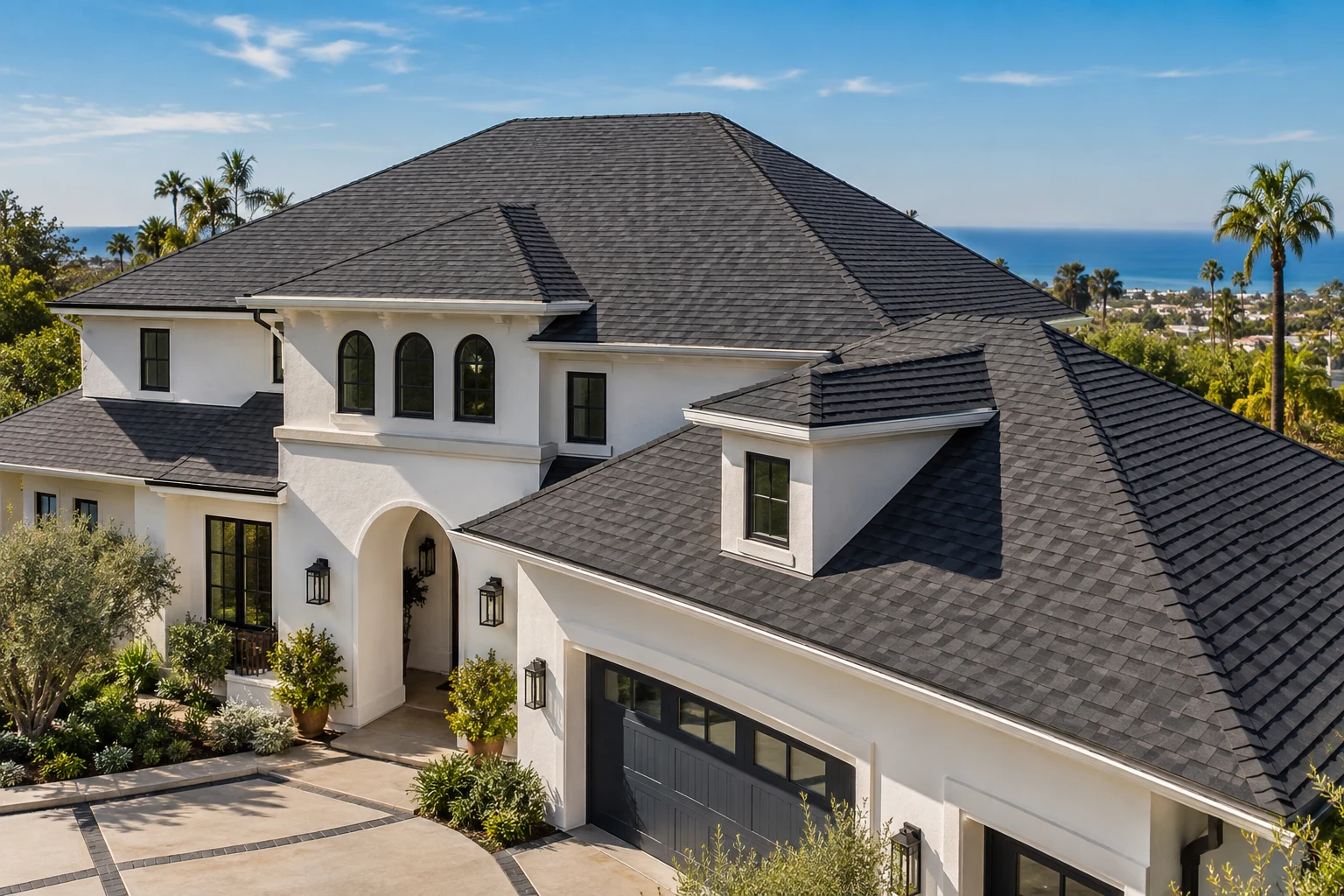
For homeowners in Whittier, knowing how long a roof lasts is crucial before deciding on replacement. At All Star Roof Replacement, your trusted Whittier roofing contractor, we provide clear, practical assessments tailored to Southern California’s unique climate and your home’s needs. Typically, roofs here last between 18 and 75 years, depending on materials, installation quality, and maintenance.
Typical Roof Lifespans in Whittier
In Whittier’s Mediterranean climate, heat and sun exposure play a big role in how long roofing materials last. Architectural asphalt shingles typically last between 18 and 28 years, though factors like ventilation and UV exposure can push that range. Concrete and clay tile roofs are more durable, with the tile itself often lasting 40 to 75+ years. However, the underlayment beneath tiles usually needs replacement after 20 to 30 years to keep the system watertight.
Low-slope roofs using modified bitumen or TPO/PVC membranes generally hold up between 15 and 25 years, depending on product quality and upkeep. Whatever the roofing style, proper ventilation and expert installation help extend your roof’s life.
If you want to understand the role of ventilation in roof longevity, our guide on roof ventilation in Whittier offers valuable insights. For a deeper dive into material choices, visit roofing materials best for Whittier.
Why Roofs Age Faster in Whittier’s Climate
Whittier’s long, hot summers with intense UV exposure accelerate roof aging in several ways. Asphalt shingles lose granules faster, underlayments become brittle, and metal flashings corrode more quickly. During Santa Ana wind events, strong gusts cause shingles to blow off and ridge tiles to loosen. Ensuring shingles are securely fastened—typically with six nails per shingle—is essential to withstand these winds.
The first heavy rains after dry spells can expose hidden problems like underlayment damage or rusted flashing, often leading to leaks. Many homeowners don’t realize attic temperatures can soar above 130°F without balanced ventilation, which speeds up material breakdown significantly.
If you’re curious about reducing heat impact, check out our cool roof shingles for heat reduction.
Consequences of Ignoring Roof Age and Wear in Whittier
Ignoring your roof’s age and wear signs can lead to costly consequences in Whittier. Underlayment failure is common during seasonal rains and results in leaks that damage your home’s interior. Aging flashing combined with poor ventilation promotes persistent water intrusion and dry rot in roof decking and fascia.
Continually patching leaks doesn’t solve these systemic problems and often ends up costing more in the long run. Plus, energy efficiency drops as heat penetrates through degraded roofing materials and poorly ventilated attics, increasing cooling expenses.
To know when your roof is beyond simple fixes, our pages on signs you need a new roof and what to do if your roof leaks offer detailed advice.
Understanding Your Roof as a System for Longevity
A roof in Whittier isn’t just shingles on top; it’s a full system including decking, underlayment, flashing, ventilation, and drainage working together. During a roof replacement, inspecting deck condition is crucial because heat and moisture cycles cause dry rot that’s often hidden beneath surface layers.
Choosing synthetic or heat-resistant underlayments is especially important here, as these last longer and resist brittleness better than traditional felt. Balanced attic ventilation lowers attic temperatures, slowing material degradation and saving energy.
We walk homeowners through this entire process in our roof replacement step-by-step checklist, and explain warranties in our roof warranty guide.
Repair or Replacement? Making the Right Choice for Your Roof’s Age in Whittier
For homes under about 10 to 12 years old with isolated problems, repairs may be appropriate. However, roofs older than 15 years with signs like widespread granule loss, multiple leaks, or failing underlayment generally require replacement for lasting protection.
Tile roofs older than 20 to 30 years since their last underlayment update often need a lift-and-reset or full replacement because the underlying layer weakens even if the tiles look fine. In Whittier, overlays aren’t recommended due to faster heat-related aging and hidden deck issues.
Learn more about your options in repair vs replace roof and whether an overlay is worth it in overlay versus tear-off value.
Estimated Roof Lifespan in Whittier
Roof Type | Expected Lifespan | Notes
--- | --- | ---
Architectural Asphalt Shingles | 18–28 years | Depends on ventilation, UV exposure, installation quality
Concrete/Clay Tile (Tile Life) | 40–75+ years | Underlayment requires replacement every 20–30 years
Low-Slope Membrane (TPO, PVC, Modified Bitumen) | 15–25 years | Varies with product and maintenance
FAQ: How Long Does a Roof Last in Whittier?
How long do asphalt shingle roofs typically last in Whittier?
Architectural asphalt shingles generally last between 18 and 28 years here, influenced by factors like sun exposure, ventilation levels, and installation craftsmanship.
What’s the lifespan of concrete or clay tile roofs in Whittier?
The tile bodies themselves can last 40 to 75 years or more, but the underlayment beneath usually needs replacement every 20 to 30 years due to heat-induced wear.
Can upgrading underlayment increase a roof’s lifespan?
Absolutely. Installing synthetic or high-temperature resistant underlayments significantly extends underlayment durability, which is especially important under tile roofs in Whittier’s climate.
How does attic ventilation affect roof longevity?
Proper attic ventilation keeps temperatures down, reducing heat stress on shingles and underlayment. This slows material aging and lowers cooling costs.
Why do some roofs fail sooner in Whittier than in neighboring cities?
Whittier experiences prolonged high heat, strong UV radiation, and frequent Santa Ana winds that accelerate roofing wear. Additionally, many local homes have aging original materials nearing end-of-life.
Is it better to repair or replace an aging roof in Whittier?
For roofs older than 15 years with widespread issues like leaks or granule loss, replacement typically offers better long-term value and reliability.
How do Santa Ana winds impact roof lifespan?
These winds can cause shingles to blow off and loosen ridge and hip tiles, making secure fastening and regular post-wind inspections essential.
Contact All Star Roof Replacement for a Clear Roof Lifespan Evaluation
In homes across Whittier, we often see roofing issues linked directly to aging materials and climate stresses. At All Star Roof Replacement, we offer thorough, no-pressure evaluations that look beyond the surface to include decking, underlayment, flashing, and ventilation condition.
Getting an early, detailed assessment helps you avoid surprises after the first rains and prevents costly emergency repairs later. Reach out anytime at (310) 729-3013 or teamallstarconstruction@gmail.com to schedule your inspection.
Learn more about inspection options on our roof inspection and estimate page or plan your project timeline with our roof replacement scheduling guide.