
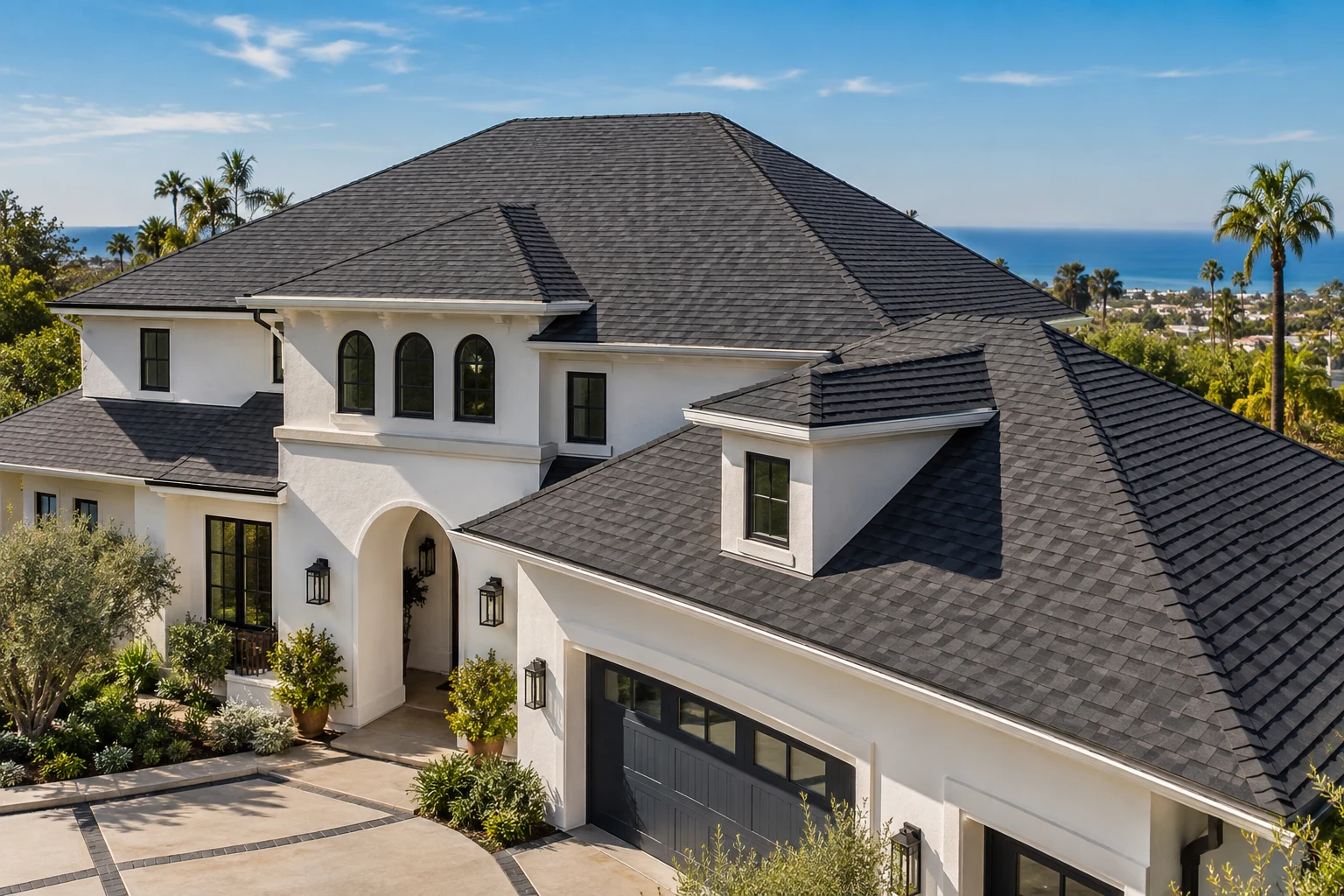
At All Star Roof Replacement, we understand the challenges Whittier homeowners face with aging roofs. If you’re noticing leaks, repeated repairs, or declining energy efficiency, these can be clear indicators that it’s time to consider a full roof replacement rather than patching up issues. With extensive experience as a trusted roofing contractor serving Whittier, we provide thorough inspections to help you understand the condition of your roof and what options make the most sense.
What Are the Clear Signs You Need a Roof Replacement in Whittier?
Many homes across Whittier show early warning signs once the roof’s protective layers have been compromised by years of sun and wind exposure. When you see bald spots on your shingles or find excessive granules collected in your gutters, that’s a strong sign your shingles are deteriorating.
Other common indications include curling or cracking shingles and tabs that have become brittle or broken. For tile roofs, slipped or broken tiles, visible underlayment that looks dry or brittle, and leaks around valleys and mortar hips are prevalent issues we often identify during inspections. Low-slope roofs may show soft spots in decking, ponding water, seam splits, or surface “alligatoring” which signals the roofing membrane has degraded.
If your home experiences multiple or recurring leaks—especially after Whittier’s first heavy rains or during Santa Ana wind seasons—this usually points to system-wide failures rather than isolated damage, making replacement the more practical and long-lasting solution. For more information on deciding between repair and replacement, check our Roof Repair vs Replacement page.
Why Do Roof Problems Develop in Whittier’s Climate?
Whittier’s hot Mediterranean climate accelerates roof wear, especially on asphalt shingles and clay or concrete tile roofs. Intense UV rays and high summer temperatures cause underlayment and roofing materials to dry out and crack far faster than in milder regions.
In addition, seasonal Santa Ana winds create significant stress by loosening fasteners and lifting edges, which can cause ridge material blow-offs or flashing failures. The concentrated winter rains that follow long dry spells often reveal hidden leaks due to degraded flashing or corroded metal valleys. Many tile roofs fail prematurely at the underlayment level long before the tiles themselves need replacement.
Attic ventilation is another crucial factor. Many older Whittier homes suffer from inadequate airflow, trapping heat that worsens material degradation and raises cooling costs. To learn how better ventilation and energy-efficient roofing can benefit your home, visit our Energy Efficient Roofing and Reduce Heat with Roofing pages.
What Happens If I Ignore These Warning Signs?
Ignoring early roof issues in Whittier can lead to costly interior damage. Moisture intrusion promotes wood decking rot, dry rot in rafters and fascia boards, and damage to drywall or ceilings inside the home. Flashing failures often result in slow, hidden leaks that expand in damage scope over time, making repairs more invasive and expensive.
Repeated patch repairs are often a waste of money and shorten your roof’s effective lifespan. When the underlayment fails—something we see commonly in homes across Whittier after the first rains—waiting too long invites mold risks, which can affect your family’s health.
Poor attic ventilation exacerbates these problems by accelerating roof material aging and increasing energy bills due to trapped heat in summer. For guidance on weighing repair vs replacement as well as understanding warranties, visit our Roof Repair vs Replacement and Roof Warranty Explained pages.
Understanding the Whole Roofing System: Beyond Just Shingles or Tiles
In Whittier, a roof is more than its surface material—it functions as a complete system including underlayment, decking, flashing, ventilation, and drainage components. Many homeowners don’t realize that underlayment failure is the leading cause of roof replacement here, especially under tile roofs where the tiles themselves may appear intact.
Proper flashing installation and maintenance around valleys, skylights, and roof edges is critical to prevent common leak points. Attic ventilation also plays a vital role by controlling heat loads that cause material brittleness and premature aging. To withstand Santa Ana wind stresses, high-quality installation is essential, including six-nail fastening for shingles and proper mechanical fastening for tiles.
For an in-depth view into what a full roof replacement involves and the best materials for Southern California homes, see our Roof Replacement Process and Best Roofing Materials pages.
Causes of Roof Problems Specific to Whittier’s Environment
Whittier’s environment intensifies common roof issues. Asphalt binders degrade under persistent UV exposure while certain tiles become brittle due to soda-ash content. Santa Ana winds generate uplift forces that loosen fasteners and risk blow-offs.
Heavy seasonal rains concentrate water runoff exposing rusted metal components and aged sealants. Many older tile roofs have 30 lb felt underlayment which typically fails between 20 to 30 years, well before the tile itself wears out. Poor attic ventilation further traps heat, accelerating these failures.
Homeowners interested in tile roof longevity and ventilation science can learn more at our Tile Underlayment Lifespan and Roof Ventilation Science pages.
How to Identify Signs of a Failing Roof in Whittier
Visual inspections remain a key to recognizing roof failures. In Whittier homes, look for brittle or missing shingles, lifted or missing ridge caps, and granules in gutters after storms or wind events. For tile roofs, watch for cracked or slipped tiles, deteriorated mortar, and exposed underlayment surfaces.
Inside your attic and ceilings, mold stains or dampness after winter rains are serious signs your roofing system is compromised. Listening for unusual wind noise near roof edges or feeling excessive attic heat can also reveal ventilation or sealing issues.
For professional assessments and clear next steps, review our Roof Inspection Cost and Roof Leak What To Do pages.
Repair vs Replacement: Which Is Best for Your Whittier Home?
For Whittier homes under 10–12 years old with isolated roofing problems, repairs like tile replacement or flashing resealing often suffice. However, roofs older than 15 years for shingles or 20 years for tile roofs usually require replacement due to systemic underlayment and decking deterioration.
Frequent patch work on leaks strongly suggests a failing roofing system that will benefit more from a full replacement. Overlaying a new layer without tear-off is discouraged here because it can hide decking damage, worsen ventilation, and void manufacturer warranties.
Our experts recommend full tear-off replacements to enable deck inspections, ventilation upgrades, and proper flashing installation—features that ensure durability given Whittier’s climate. Learn more at Roof Repair or Replacement and Is Reroofing Worth It.
FAQs About Needing a New Roof in Whittier
How much does a new roof replacement cost in Whittier?
Costs vary depending on roof size, materials, and complexity. Asphalt shingles typically range from $700–$1,150 per square (100 sq ft), while tile lift-and-reset runs about $450–$800 per square. A full new tile roof can cost $1,050–$1,600+ per square. Additional expenses may include decking repair, flashing upgrades, and access challenges.
How long will my new roof last in Whittier?
Architectural shingles generally last 18–28 years depending on ventilation and sun exposure. Tile roofs can last 40+ years for the tiles themselves, but underlayment usually needs replacement after 20–30 years without upgrades. Low-slope membrane roofs typically last 15–25 years.
When should I replace instead of repairing my roof?
Replacement is advised when you encounter widespread shingle granule loss, tile underlayment older than 20 years failing, repeated leaks despite repairs, decking damage, or ventilation issues.
How does Whittier’s climate affect my roof’s lifespan?
Whittier’s intense sun and heat cause roofing materials to dry and crack faster. Santa Ana winds loosen roofing components, and winter rains expose underlying weaknesses in flashing and underlayment.
What is a cool roof and should I consider it in Whittier?
Cool roofs reflect more sunlight and emit absorbed heat to reduce thermal load on your home. In Whittier, cool shingles or reflective membranes help lower attic temperatures and can support compliance with Title 24 energy efficiency standards.
Is reroofing without tear-off a good option in Whittier?
Generally, no. Overlays can conceal deck damage, hinder ventilation, accelerate aging, and may invalidate warranties. Full tear-off and inspection is the preferred method to ensure a durable roof suited for Whittier’s climate.
How long does the roof replacement process take in Whittier?
From initial inspection to job commencement, the process typically spans 1–4 weeks. On-site work depends on complexity: small shingle roofs take 2–4 days, tile lift-and-resets 1–2+ weeks, factoring in weather and permit timing.
Call to Action: Get a Professional Roof Inspection and Estimate in Whittier—No Pressure, Just Facts
Don’t wait for leaks or damaged roofing materials to cause costly problems inside your home. All Star Roof Replacement offers detailed roof inspections tailored to Whittier’s unique climate challenges, assessing attic conditions, decking, flashing, and ventilation.
We provide clear explanations of what’s needed, why replacement may be the best option, and outline all available choices—without any high-pressure sales tactics. Verify the current CSLB record for license #1009760 and confirm the appropriately licensed contractor responsible for your roofing scope in the written agreement.
Contact us today at (310) 729-3013 or teamallstarconstruction@gmail.com to schedule your no-obligation roof evaluation. Early inspections save money by preventing interior damage and reducing energy costs. Learn what a full replacement entails on our Roof Replacement Process page and get the facts you need for a sound roofing decision.