
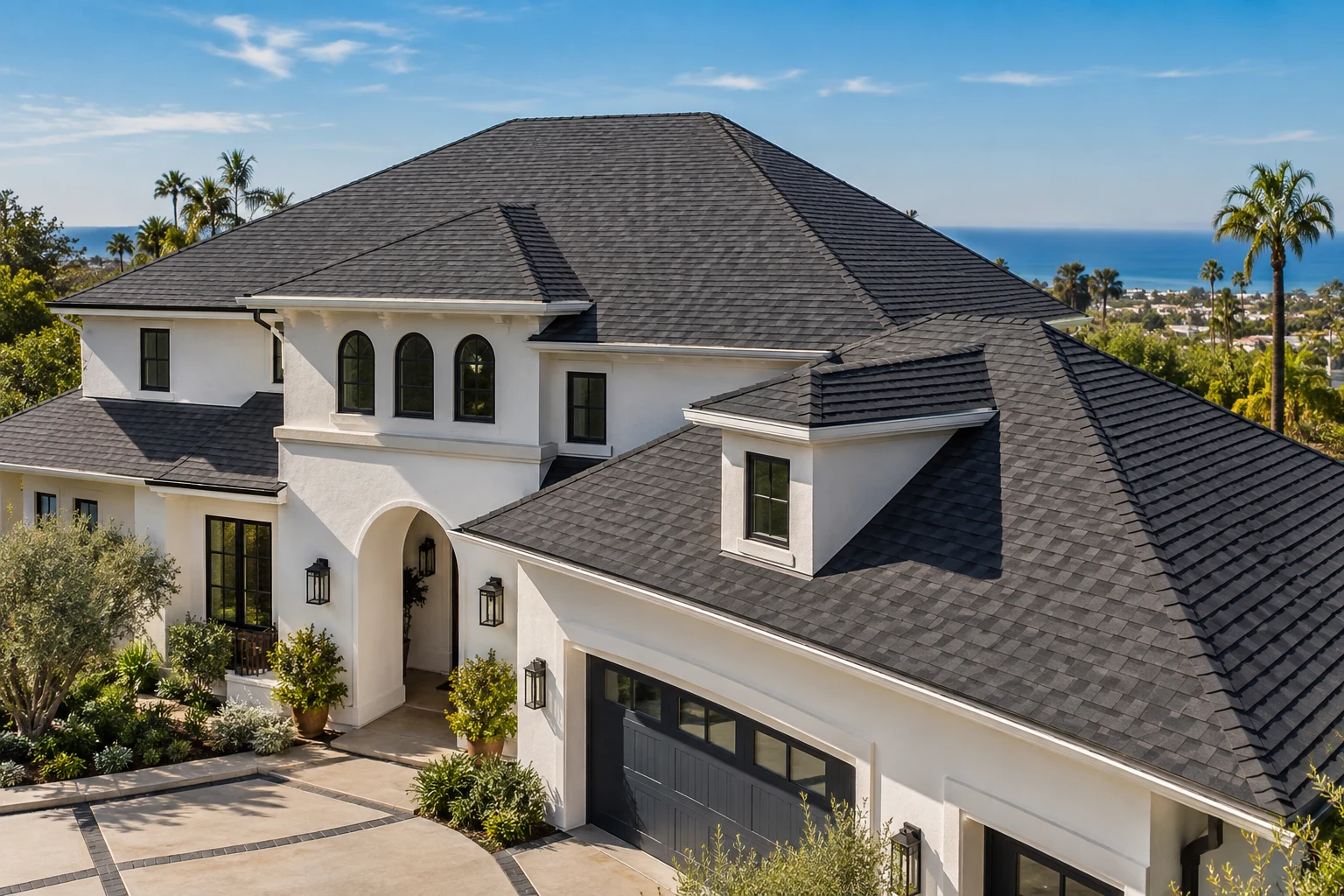
If you’re a homeowner in Dana Point facing an aging or problematic roof, the question of whether reroofing is worth it is common. At All Star Roof Replacement, with years of experience in the Dana Point coastal environment, we see firsthand how the unique climate impacts roof systems. Reroofing is almost always a smart investment when your roof’s aging components—underlayment, decking, flashing, and ventilation—are failing or causing leaks, especially given the stresses from local conditions.
Understanding the full roofing system and how it interacts with Dana Point’s marine Mediterranean climate is crucial. We help homeowners recognize when replacement—not just repair—is the right path to long-term protection and energy savings.
Is Reroofing Worth It for Dana Point Homeowners?
Simply put, yes. In homes across Dana Point, we often see roofs with multiple leaks, brittle underlayments, and corroded flashings that have been patched repeatedly without lasting success. The salt air combined with strong UV exposure accelerates the deterioration of vital roofing layers beneath the visible surface. Reroofing addresses the entire system, correcting hidden damage and outdated materials that repairs alone can never fully solve.
Reroofing protects your home’s structure and helps reduce energy loss by improving attic ventilation and updating materials designed to withstand coastal conditions. When you consider the costs and headaches of repeated repairs, reroofing becomes a sensible long-term investment. If you’d like to explore your options, visit our roof replacement in Dana Point page for more details.
Why Roof Problems Happen in Dana Point
Impact of Dana Point’s Coastal Climate on Roof Systems
Dana Point’s marine Mediterranean climate presents specific challenges for roofs. Year-round UV radiation from the Southern California sun speeds up the breakdown of shingle granules and underlayment materials. Meanwhile, salt carried through the air aggressively corrodes metal elements like flashings and fasteners, often unseen until leaks develop.
Seasonal Santa Ana winds can uproot shingles and loosen tiles, especially when roofing materials have become brittle with age. Winter storms and periodic atmospheric rivers bring heavy rains that test the integrity of your roof’s drainage and flashing systems. Ponding water or clogged gutters add to moisture risks, accelerating deterioration below the surface.
Because of these pressures, many homeowners don’t realize that a roof that looks intact on top can have critical failure underneath. To learn which materials hold up best here, view our section on best roofing materials suited for the Dana Point coast.
Common System Failures in Dana Point Roofs
A common issue during inspections is underlayment failure beneath tile roofs. Many older tile roofs still rely on legacy felt that lasts only 20–30 years, meaning leaks form despite intact-looking tile surfaces. Corroded aluminum or steel flashings near roof valleys, chimneys, and vents also create invisible entry points for moisture.
Another major factor is inadequate attic ventilation. In Dana Point, poor airflow leads to intensified heat buildup under shingles during summer, shortening their lifespan. It also traps moisture, causing wood deck rot and mold growth. Addressing ventilation is a key part of a full reroof to ensure the new system lasts longer.
If your roof’s ventilation is struggling, you can find helpful information on our attic ventilation upgrades page. For wood issues, see our details on wood repair standards to understand common deck and fascia repairs during reroofing.
Consequences of Ignoring Roof Replacement in Dana Point
Ignoring signs that your roof needs replacement can quickly turn costly. Prolonged moisture intrusion beneath your tiles or shingles causes decking wood to rot, undermining your home’s structural support. Interior damage from leaks—like stains, mold, and ruined insulation—is a preventable risk with timely reroofing.
Patch repairs may appear to fix leaks temporarily but rarely address deep flashing corrosion or ventilation deficiencies. For Dana Point homeowners, each Santa Ana wind or winter storm can bring new leaks if the underlying system is compromised. Energy bills also rise as your attic overheats without proper ventilation and reflective membranes, costing you more each summer.
Recognizing these consequences early can save money and hassle. For more warning signs, check out “Signs You Need a New Roof.” And learn how efficient roofing can reduce your energy costs on our energy-saving roofing page.
Understanding Reroofing as a Full System Replacement
What Does a Roof Replacement Include in Dana Point?
Reroofing is not just swapping shingles or tile. A full roof replacement removes all existing materials down to the decking. We inspect and repair or replace any damaged decking or fascia to ensure a solid foundation.
Next comes installing high-temperature or modified underlayments designed to resist Dana Point’s coastal heat and moisture. We replace old flashings and fasteners with corrosion-resistant metals like stainless steel or aluminum, crucial in salty air environments. Proper ventilation components—ridge vents, soffits, and tile vents—are integrated to promote even airflow and reduce heat and moisture buildup in your attic.
Finally, the new roof covering is installed, whether architectural shingles or tile, with attention to wind uplift features for Santa Ana winds. This comprehensive approach offers peace of mind in a challenging climate. If you want a step-by-step explanation, our roof replacement process page breaks down each phase in detail.
Common Dana Point Roof Types and System Challenges
Tile roofs—concrete or clay—are popular in Dana Point due to their longevity and aesthetic. However, underlayment failure remains the primary concern. We often recommend a lift-and-relay method that preserves the tile while replacing the underlayment. This approach is usually better than a tile overlay, which traps moisture and causes further issues.
Architectural asphalt shingles are common in older homes or those with budget considerations, but the coastal environment shortens their life to about 18–25 years. UV radiation and salt accelerate granule loss and brittleness. Low-slope membrane roofs, while less frequent in residential Dana Point properties, require careful waterproofing with tapered insulation and specialty materials to prevent ponding and seam failures during heavy rainfall.
For more on tile-specific solutions, visit our tile lift-and-relay and underlayment replacement page. For detailed shingle options, see architectural shingles.
Decision Support: Repair vs Replacement for Dana Point Homeowners
When Repair May Be Adequate
If your roof is relatively new—under 15 years—and experiencing isolated damage like a few missing shingles or small, traceable leaks, repair might be sufficient. Emergency patching for minor flashing leaks or broken tiles can give temporary relief, especially if you plan replacement in the near future.
However, repairs are best viewed as stop-gap measures when issues are contained and once your roof ages beyond 15 years or shows signs of systemic failure, replacement becomes the better option. More about repair versus replacement decisions can be found on our repair or replace your roof guide.
When Replacement is the Better Long-Term Investment
For roofs approaching or exceeding their expected lifespan—18 to 25 years for shingles, 20 to 30+ years for tile underlayment—replacement pays off. Multiple leak points, visible patchwork, brittle or failing underlayment, corroded flashings, and signs of decking rot require a comprehensive reroof to avoid costly repeated repairs and worsening damage.
Also, roofs with poor ventilation causing accelerated wear and high attic heat should be replaced with upgraded systems that include ventilation improvements. This helps protect your investment and lowers your energy footprint. If you want details on identifying replacement needs, visit our signs you need a new roof page to spot key symptoms.
Alongside roofing quality, consider energy efficiency by reviewing our energy-efficient roofing solutions.
FAQs About Reroofing in Dana Point, CA
How much does a roof replacement cost in Dana Point?
Costs vary by material, roof size, and complexity. Architectural shingles typically range from $15,000 to $35,000, while tile lift-and-relay replacements can range from $25,000 up to $55,000 or more due to corrosion-resistant materials and HOA requirements. For more details, see our roof replacement cost page.
How long does a new roof last in Dana Point?
Asphalt shingles last about 18 to 25 years near the coast. Tile roofs can have a tile body lifespan exceeding 50 years, but the underlayment typically lasts 20 to 30 years. Low-slope membranes tend to last 15 to 25 years, depending on materials used.
What is the difference between roof repair and replacement?
Repair addresses isolated issues such as small leaks or broken shingles. Replacement involves removing all roofing layers, inspecting and repairing decking, installing new underlayment, flashing, and ventilation to ensure a durable, long-lasting system.
Can I finance my roof replacement in Dana Point?
Yes. Options include unsecured home improvement loans, HELOCs, PACE financing, and credit cards for smaller projects. Financing plans vary, so contact us or visit our finance roof replacement page to learn more.
What roofing materials are best for Dana Point’s coastal climate?
Concrete or clay tiles with upgraded underlayment and stainless steel or aluminum flashings are popular, especially in HOA communities. Architectural shingles with high-performance wind packages and good ventilation provide a cost-effective option. Low-slope roofs often use TPO or PVC membranes designed for moisture and UV resistance.
How long does the roof replacement process take?
From inspection to start, wait times can range from one to six weeks depending on HOA approvals and permitting. Actual installation typically takes 2 to 4 days for shingles and 7 to 14 days for tile roofs. Weather and coordinating solar installations may add days.
What should I do if my roof leaks during winter storms?
Limit water intrusion by using buckets or tarps if safe to do so. Document the damage and avoid climbing on wet roofs. Contact a licensed roofer promptly for emergency protection and to schedule permanent repairs or replacement.
Summary of Roof Types in Dana Point
Roof Type | Typical Lifespan in Dana Point | Common System Weakness | Replacement Considerations | Approximate Cost Range*
--- | --- | --- | --- | ---
Architectural Shingles | 18–25 years | Granule loss, wind damage, ventilation | Full system replacement recommended past 20 years | $15,000–$35,000+
Concrete/Clay Tile | Tile body 50+ years; underlayment 20–30 years | Underlayment failure, corroded flashings | Lift-and-relay or full replacement if underlayment rotted | $25,000–$70,000+
Low-Slope Membranes | 15–25 years | Seam failures, ponding | Replacement with tapered insulation and edge metals | $6,000–$30,000+
*Costs depend on size, complexity, and coastal upgrades.
Schedule a No-Pressure Roofing Assessment in Dana Point
Verify the current CSLB record for license #1009760 and confirm the appropriately licensed contractor responsible for your roofing scope in the written agreement. We provide thorough roof inspections with photo documentation, clearly explain replacement options, and avoid any pressure sales. Our proposals cover every detail—the underlayment, flashing, ventilation, and roofing materials—to help you make an informed decision.
Contact us today at (310) 729-3013 or teamallstarconstruction@gmail.com to schedule your consultation. Learn more about what to expect from inspections and the process on our roof inspection cost and roof replacement process pages.