
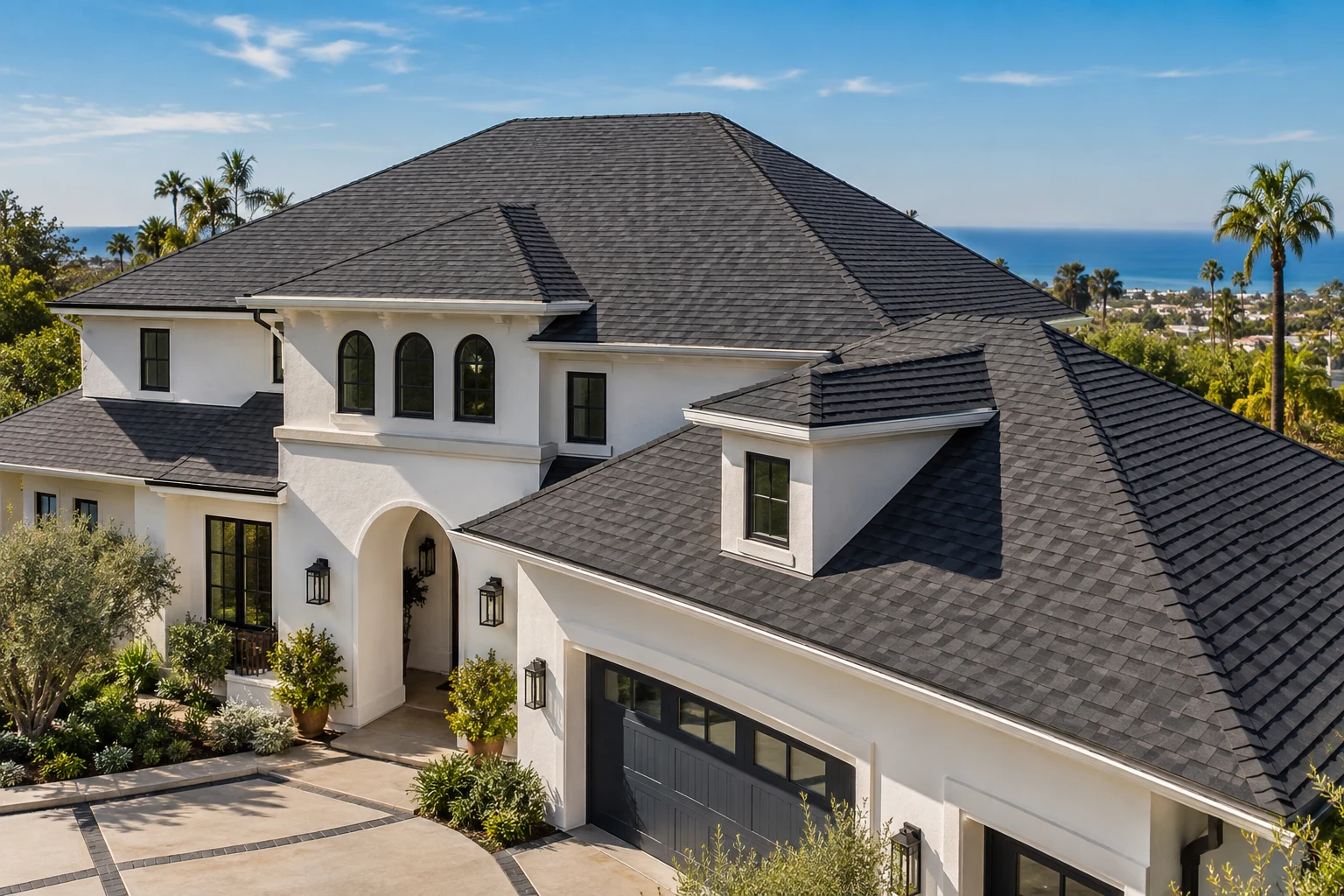
In the sunny coastal city of Dana Point, managing roof heat is essential for comfortable, energy-efficient homes. At All Star Roof Replacement, we understand how Southern California’s intense UV exposure and salt air impact roofing systems. Our expert roof replacements focus on complete roofing systems designed to reduce heat buildup and protect your home year-round.
Why Roof Heat is a Concern in Dana Point
Dana Point’s Mediterranean climate means roofs face constant strong sunlight and marine air. This combination keeps roof surfaces hotter for longer periods, which accelerates the breakdown of common materials like asphalt shingles and underlayments. Many homes across Dana Point show signs of this accelerated aging during inspections.
The area’s frequent Santa Ana winds also cause sharp temperature swings. These rapid changes stress roofing materials and can disrupt attic ventilation balance. Poor ventilation often worsens heat buildup, which not only shortens the roofing system’s lifespan but also drives up cooling costs inside the home.
Understanding these local conditions is key to choosing a roof replacement that truly helps reduce heat and extends durability for Dana Point homes.
Consequences of Ignoring Roof Heat Management
Ignoring heat issues in your roof can have multiple effects. Heat damages the underlayment beneath your shingles or tiles, causing brittleness and cracks that lead to leaks. Many homeowners don’t realize that attic temperatures also increase significantly, making air conditioning work harder and raising energy bills.
Adding to the challenge is the coastal salt air, which speeds corrosion on flashings and fasteners. This corrosion further weakens your roof’s waterproofing, intensifying potential failures. Our inspections in Dana Point frequently reveal rusted flashing that compromises the roof’s ability to keep heat and moisture under control.
How Roofing Systems Reduce Heat in Dana Point Homes
Roofing as a Complete System for Heat Reduction
A roof is much more than just its visible surface. It is a system that includes decking, underlayment, ventilation components, flashings, and shingles or tiles. Each part influences how much heat enters your home and how well the roof lasts under Dana Point’s tough coastal conditions.
Modern high-temperature, self-adhered underlayments perform far better against heat and UV damage than traditional felt. Balanced attic ventilation systems using ridge vents, soffit intakes, and specialized vents for tile roofs are essential in reducing attic temperatures. We recommend ventilation setups like O’Hagin-style vents on tile roofs to maintain airflow without compromising waterproofing.
Reflective Roofing Materials and Energy Savings
Choosing reflective roofing materials is a proven way to reduce heat. CRRC-rated cool shingles and white roofing membranes reflect sunlight and release absorbed heat faster. For Dana Point homes, cool roof options cut attic temperatures and lessen air conditioning loads during long, sunny days.
Tile roofs, common in Southern California, benefit from natural air gaps under the tiles that help vent heat. Adding proper ventilation enhances this effect, making tile an excellent choice for heat reduction in coastal settings.
Practical Measures to Improve Roof Heat Performance in Dana Point
Upgrading Underlayment and Insulation
Many older Dana Point homes still have legacy 30 lb felt underlayments that degrade faster under heat stress. Upgrading to multi-ply SBS-modified or self-adhered membranes provides much stronger resistance to UV and heat damage. This upgrade helps maintain the roof’s integrity longer.
Proper attic insulation paired with radiant barriers can significantly reduce heat transfer into the living spaces. In our experience, inspecting and repairing decking during roof replacement is also vital to ensure the entire system offers thermal protection and moisture resistance.
Enhancing Ventilation and Flashings for Cooler Attics
Balanced ventilation following code requirements (typically 1:150 or 1:300 net free area) is an effective way to keep attics cooler under Dana Point’s intense sun. Ridge vents combined with soffit intake vents allow hot air to escape while drawing in cooler air.
Because of the coastal salt air, using corrosion-resistant metals such as stainless steel, aluminum, or copper for flashings and fasteners is crucial. These materials hold up better and help prevent premature roof failures caused by rust and corrosion found frequently in Dana Point homes.
Decision Support: Repair or Replace for Heat Management?
When faced with heat-related roof damage, homeowners in Dana Point often ask whether to repair or replace. Repairing is appropriate for isolated issues like small leaks or upgrading ventilation when the roof is otherwise sound.
However, full replacement is advisable if the underlayment is brittle, multiple leaks exist, or attic ventilation is inadequate. We often caution against overlays because hidden wood rot and wind exposure common here can reduce roof longevity and performance.
Frequently Asked Questions on Reducing Roof Heat in Dana Point
How does a cool roof help reduce heat in Dana Point?
Reflective shingles or membranes lower roof surface temperatures by reflecting more sunlight and emitting heat efficiently. This reduces attic heat buildup and lowers cooling costs in Dana Point’s sunny coastal climate. Learn more about cool roofs here.
Why is attic ventilation important for managing roof heat?
Proper attic ventilation removes hot, moist air, reducing stress on the roofing system and cooling the living space below. This helps prevent underlayment deterioration and improves energy efficiency. See details on attic ventilation and energy-efficient roofing.
Can tile roofs keep my home cooler than shingles?
Yes. Tile roofs naturally provide an airspace that vents heat away from the roof deck. Combined with adequate ventilation, tile roofs offer superior cooling benefits in the coastal Southern California environment.
What underlayment is best for heat resistance in Dana Point?
Multi-ply SBS-modified membranes or high-temperature self-adhered underlayments resist UV exposure and heat damage far better than traditional felt. Upgrading these materials extends roof system life under Dana Point’s intense sun.
How does salt air impact roof heat problems?
Salt air accelerates corrosion of flashing and metal fasteners, weakening waterproof barriers and increasing the risk of leaks and heat-related damage. Using corrosion-resistant materials is essential here.
Are reflective shingles more expensive?
Reflective shingles typically add around $30–70 per 100 square feet but offer long-term energy savings and better durability in strong sunlight, making them a smart investment for Dana Point homes.
How quickly can heat-damaged roofs be replaced?
Standard asphalt shingle replacements usually take 2 to 4 days onsite after approvals and permits. Tile roofs are more complex, often requiring 5 to 10 days due to lift-and-relay work.
Contact All Star Roof Replacement for Practical Roof Heat Solutions in Dana Point
At All Star Roof Replacement, we specialize in full residential roof system replacements tailored to the unique climate challenges of Dana Point. Our thorough inspections cover attic ventilation, underlayment, decking, and flashings with a focus on reducing heat and extending roof life.
We provide no-pressure evaluations so you can understand your options clearly and make the best decisions for your home comfort and energy efficiency. Call us today at (310) 729-3013 or email teamallstarconstruction@gmail.com to schedule your inspection and improve your home’s roofing performance.