
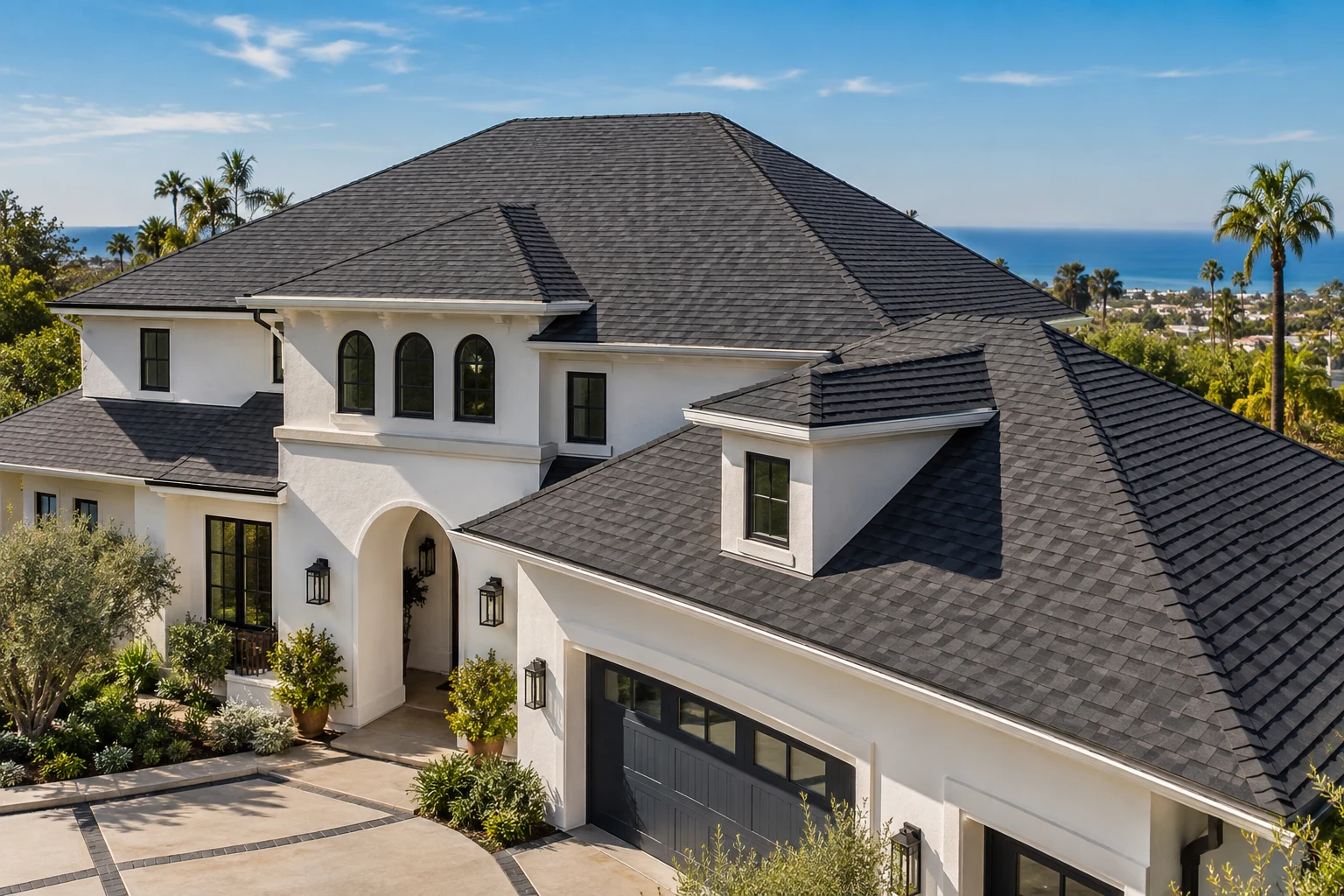
In Dana Point, the lifespan of a residential roof depends heavily on the roofing materials and the unique coastal climate conditions. At All Star Roof Replacement, we help homeowners understand that while architectural asphalt shingles typically last between 18 and 25 years here, tile roofs can protect your home for 50 years or more—though their underlayment often needs replacement every 20 to 30 years.
Proper installation, quality materials, and balanced attic ventilation play critical roles in reaching or exceeding these lifespan expectations.
Many homes in Dana Point experience unique stresses like intense UV radiation, salt air corrosion, and strong seasonal winds. These factors accelerate wear and tear in ways inland homeowners might not see, making expert evaluation and maintenance from a trusted local contractor like All Star Roof Replacement essential.
Roof Lifespan in Dana Point and What Influences It
Typically, architectural asphalt shingle roofs in Dana Point last about 18 to 25 years. However, roofs with south- or west-facing slopes often see shorter lifespans because they endure more direct sun and salt air exposure. The salt air corrodes metal components like flashings and nails faster, which can create leak points as your roof ages.
Tile roofing offers an impressive lifespan for the tiles themselves—often lasting more than 50 years. But an important consideration many homeowners overlook is the underlayment beneath the tiles. Legacy underlayment, such as felt paper, generally begins to fail after 20 to 30 years. At this point, a tile roof may require a lift-and-relay process that involves removing and reinstalling the tiles to replace the underlayment and extend the roof’s life.
For low-slope roofs using membranes, typical longevity ranges from 15 to 25 years. However, ponding water and corrosion from salt air frequently shorten this lifespan by degrading flashings and seams. Attic ventilation is another key factor across all roofing types; poor air circulation traps heat and moisture, which accelerate roofing material degradation in Dana Point’s marine-influenced climate.
Evaluating your roof’s condition and lifespan takes into account all these variables — material type, exposure, and installation quality. If you’re curious about the specifics of roof replacement in Dana Point, visit our service area page to learn more about how we approach roofing solutions tailored to local needs.
Why Roof Lifespan Varies in Dana Point’s Coastal Climate
In homes across Dana Point, prolonged exposure to sunlight and salty ocean air accelerates asphalt shingle wear, causing granule loss and making the shingles brittle more quickly than inland. Salt also rapidly corrodes metal flashings, nails, and fasteners, increasing the risk of leaks, especially after heavy rains typical of Southern California’s winter months.
Strong seasonal Santa Ana winds add extra strain; they exert uplift forces on roofing materials, which can loosen shingles and tiles that are nearing the end of their life. Older tile roofs are often equipped with legacy 30-pound felt underlayment beneath the tiles, a material prone to failure after 20 years, making them particularly vulnerable in this environment.
Dry rot and deterioration around fascia and decking edges are common because wind-driven rain can saturate these vulnerable areas. Many Dana Point homeowners don’t realize that without balanced attic ventilation and proper flashing upgrades designed for the coastal environment, their roofs degrade faster.
To explore how corrosion-resistant materials and coastal-grade flashing can improve your roof’s durability, check out our coastal flashing and fastener options page.
Common Consequences of Ignoring Roof Lifespan in Dana Point
Ignoring your roof’s natural lifespan in Dana Point can lead to costly consequences. Underlayment failure causes leaks that damage decking, insulation, and interior elements, often requiring more extensive repairs. Corroded flashings and fasteners mean water can penetrate your roof system, encouraging wood rot and mold growth inside the home.
Many homeowners don’t realize that repeated spot repairs may temporarily address leaks but do not fix the systemic problem of aging flashings or degraded underlayment. This can lead to structural weakening of the roof deck, significantly increasing overall replacement costs.
Poor attic ventilation exacerbates these problems by trapping heat and moisture, further accelerating the degradation of roofing materials. Over time, emergency roofing replacements become necessary — these are disruptive and more expensive than planned roof replacement handled by a trusted contractor.
If you notice multiple leaks after storms, brittle or curling shingles, or rusted flashings, it’s likely your roof is nearing the end of its lifespan. Visit our signs you need a new roof page for detailed warning indicators and when replacement becomes essential.
Understanding Roof Lifespan: Roofing as a Complete System
A roof’s lifespan is determined by more than just the visible top layer like shingles or tiles. The whole roofing system—including underlayment, decking, flashings, ventilation, and drainage—works together to protect your home.
In tile roofs, for example, tiles serve primarily as the weather shield, but the waterproof barrier beneath—the underlayment—is vital to preventing leaks. This layer typically needs replacing well before the tiles reach the end of their lifespan. Without proper installation, including the use of corrosion-resistant metals and balanced attic ventilation, even the best materials won’t reach their full potential life.
At All Star Roof Replacement, we emphasize quality workmanship and use coastal-grade products, such as stainless steel or aluminum flashings and high-temperature synthetic underlayments, to extend roof durability in Dana Point’s salty, UV-heavy environment. We encourage homeowners to avoid shortcuts like overlays, which can hide problems and reduce lifespan.
For more information on how these components affect longevity and how proper installation impacts warranties, visit our pages on coastal flashing and fasteners, attic ventilation upgrades, and roof warranty explanations.
Frequently Asked Questions About Roof Lifespan in Dana Point
How long do architectural asphalt shingles last in Dana Point?
Typically, they last between 18 and 25 years. However, shingles on south- and west-facing slopes often wear out faster due to stronger sunlight and salt air, which accelerate granule loss and asphalt degradation.
When does tile roofing underlayment typically need replacement here?
Legacy felt underlayments tend to fail after 20 to 30 years, requiring a lift-and-relay of tiles to replace the underlayment. Upgraded synthetic underlayment materials used today can last 30 to 40 years or more, improving longevity.
Does attic ventilation affect roof lifespan?
Absolutely. Proper attic ventilation reduces heat and moisture buildup, slowing material aging and preventing premature failures in shingles, underlayments, and wood decking.
Are overlays recommended for aging Dana Point roofs?
Generally, no. The coastal climate demands thorough deck inspection and flashing replacement, which overlays do not accommodate. Overlays can trap moisture, hide existing damage, and add extra weight to your roof.
What are signs my roof is near end-of-life in Dana Point?
Look for repeated leaks after storms, brittle or curling shingles, exposed underlayment under tiles, rusted flashings, and soft or rotted decking or fascia areas.
How do Santa Ana winds affect roof longevity?
Strong Santa Ana winds place extreme uplift forces on roofing components. Older or weakened roofs are vulnerable to shingle and tile blow-offs. Reinforced wind-uplift packages during installation improve resistance to these conditions.
Can a roof’s lifespan be extended with better materials?
Yes. Using high-temperature synthetic underlayments, stainless steel or aluminum flashings, and enhanced attic ventilation strategies significantly improves roof durability amid Dana Point’s coastal environment.
Explore more about roofing lifespan factors linked to repair vs replacement decisions and see detailed material comparisons at coastal flashing & fastener options.
Schedule Your Roof Inspection to Evaluate Lifespan – No Pressure
Each roof ages differently based on materials, climate exposure, installation, and maintenance history. The best way to know your roof’s actual condition and lifespan remaining is through a professional inspection. At All Star Roof Replacement, we offer thorough evaluations in Dana Point that include attic assessments, decking condition, flashing integrity, and ventilation inspection.
Our inspections come with photo documentation and clear explanations, so you understand the choices before you without any pressure. We focus on helping homeowners protect their investment and achieve long-term durability tailored to Dana Point’s coastal climate.
Ready to get started? Call us today at (310) 729-3013 or email teamallstarconstruction@gmail.com to schedule your inspection. Learn more about the roof replacement process and inspection costs on our website.