
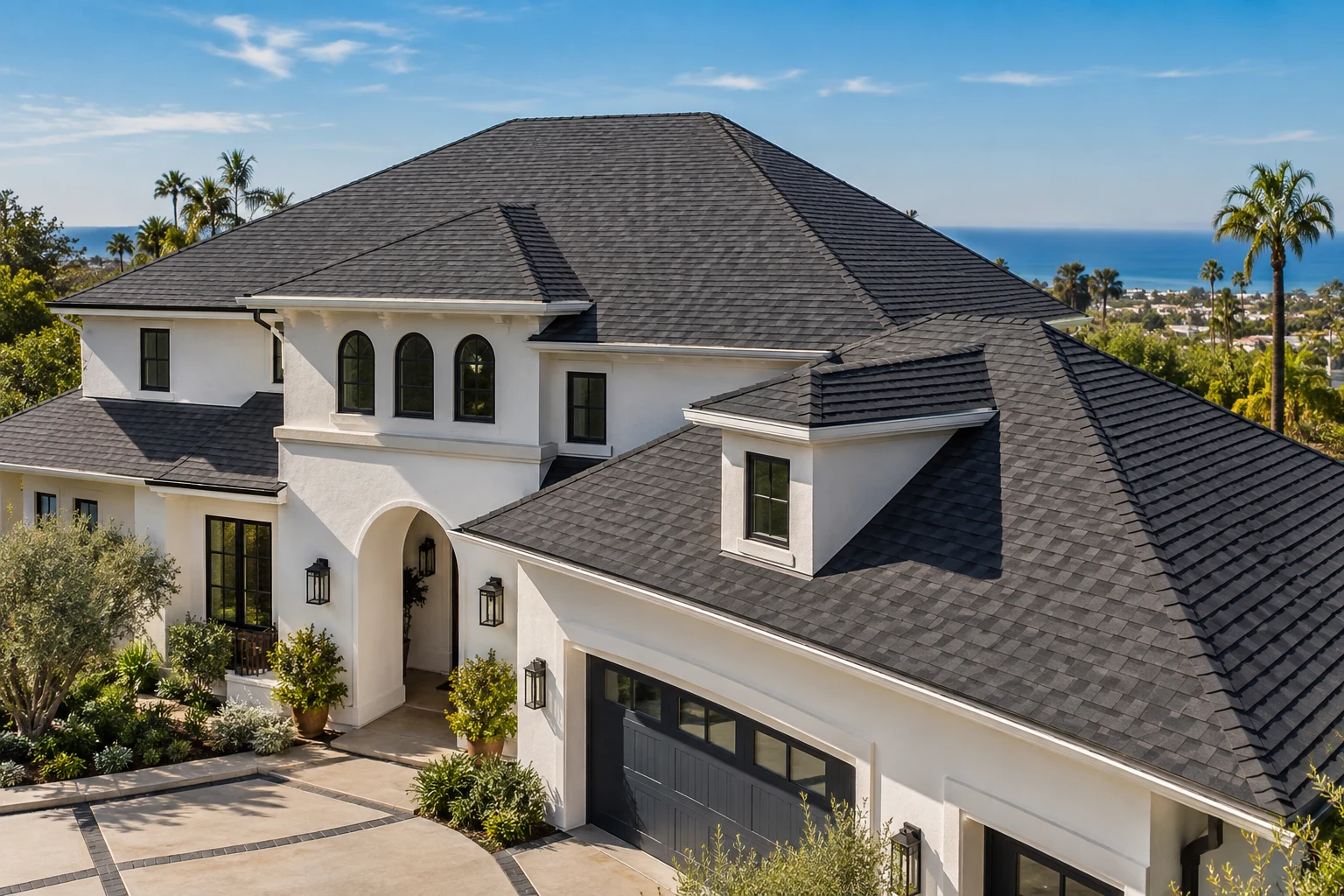
When it comes to replacing your residential roof in Dana Point, understanding your roof warranty is essential. At All Star Roof Replacement, we know the unique challenges posed by the coastal environment here. That’s why we focus on quality installations using coastal-grade materials to protect your investment and ensure your warranty remains valid.
If you’re considering a full roof replacement, including decking, underlayment, flashing, ventilation, and drainage, a clear explanation of roof warranties will help you make informed decisions. Let’s dive into what roof warranties mean for Dana Point homeowners.
Understanding Roof Warranties: What Dana Point Homeowners Should Know
Why Warranty Issues Are Important in Dana Point
In homes across Dana Point, coastal UV rays and salt air can quickly degrade roofing materials, including shingles and metal flashings. Your roof is constantly exposed to strong Santa Ana winds, with gusts exceeding 40 mph, which add further stress to the roof system. This environmental stress means that warranties need to specifically cover coastal-grade materials and proper installation techniques.
A common issue during inspections is that warranties become voided not because the materials are faulty but due to improper ventilation or using non-corrosion-resistant metals. This makes it critical to choose a roofing contractor like All Star Roof Replacement who understands Dana Point’s climate and ensures your roof system meets or exceeds warranty requirements.
Common Warranty Coverage Types
Most homeowners see two main types of roof warranties: manufacturer’s warranties and workmanship warranties. The manufacturer’s warranty covers defects in roofing materials themselves but is often prorated and tied closely to proper installation criteria. For example, wind damage coverage may require specific fasteners and installation methods.
System warranties go further by requiring all components, like underlayment, flashings, and fasteners, be of the same brand and installed by certified contractors. Workmanship warranties protect you against installation errors and typically last between 5 to 10 years—an especially important protection given the harsh coastal conditions.
Many homeowners don’t realize that using mismatched materials or subpar installation can invalidate both manufacturer and workmanship warranties. For more about choosing roofing materials for warranty compliance, visit our detailed guide.
Why Roof Warranties May Fail in Dana Point’s Coastal Climate
Impact of UV, Salt, and Wind on Warranty Validity
The intense UV exposure in Southern California breaks down asphalt binders and synthetic underlayments faster than most inland areas. Salt air causes corrosion on flashings and fasteners, which can lead to leaks if non-stainless metals were installed. Insurance and warranty claims often get denied when these coastal-specific challenges are overlooked.
Wind damage claims in Dana Point can also fail if enhanced nailing patterns, starter strips, or reinforced flashing details aren’t used and documented. A common reason claims are rejected is the absence of proof showing installation met these stricter local standards.
Ventilation and Installation Quality as Warranty Requirements
Proper attic ventilation is another critical factor. Without adequate airflow, attics overheat, accelerating underlayment failure and forcing warranties to become void for shingles and other materials. Improper flashing or using incompatible metals causes leaks manufacturers often classify as installation defects.
Many homeowners don’t realize that documented inspections and approvals during installation play a key role in protecting warranty claims. At All Star Roof Replacement, our team ensures your ventilation meets manufacturer guidance. Learn more about the importance of attic ventilation and use of coastal-grade metals for warranty compliance.
What Happens if You Ignore Warranty Requirements in Dana Point
Consequences of Voided Warranties
If you bypass requirements like coastal-grade materials or proper ventilation, your roof will age faster. In Dana Point, cracks, blistering, and water intrusion happen sooner than expected, and these failings are often excluded from warranty coverage.
The costs of repeated repairs become a heavy burden—they don’t fix underlying issues like compromised underlayment or flashing corrosion, which worsen over time. Moisture infiltration, leading to deck rot and mold, can also go uncovered, causing significant out-of-pocket expenses.
Why Choosing Quality Installation Matters
Manufacturers require certified installers for full system warranties, particularly important for tile roof replacements that involve lift-and-relay methods common in Dana Point’s older homes. Cutting corners on nail patterns, flashing installation, or ventilation risks voiding warranties on wind, tear-off, and materials.
Proper documentation, including permits, inspections, and photographs, supports your warranty claims in case of future problems. For a reliable guide on when to replace your roof and how warranties impact your decision, see our page on signs you need a new roof and roof repair or replacement considerations.
How Dana Point Conditions Affect Your Roof Warranty Terms
Coastal Salt Air and Flashing Corrosion
Salt-laden air accelerates corrosion on standard galvanized metals, making upgrades to stainless steel, aluminum, or copper flashing materials a warranty-relevant necessity. Homes with standard metals often face early flashing failures, exposing the underlayment and triggering warranty denials.
Effects of Santa Ana Winds on Warranty Coverage
Santa Ana winds increase the risk of wind damage, so warranties require specific reinforcement steps such as starter courses, enhanced nails, and documented installation patterns. Missing ridge caps or improperly vented areas invite leaks, which warranties commonly exclude.
Heat and Ventilation Impact on Warranty
Balanced intake and exhaust ventilation—via ridge, soffit, or tile vents—is essential to prevent overheating of decking and underlayment. Manufacturer warranty guidelines often mandate these measures to maintain coverage. Without proper attic airflow, roofing materials degrade faster than ordinary warranties expect.
Explore more on coastal flashing to protect your warranty and the critical role of ventilation in warranty coverage.
FAQs About Roof Warranties in Dana Point
What does a typical roof warranty cover?
Warranties usually cover material defects by the manufacturer and workmanship by the contractor. However, warranty claims can be denied for improper ventilation, poor installation, or failure to use coastal-rated materials, which are common concerns for Dana Point homes.
How long do roof warranties last in Dana Point?
Manufacturer warranties on shingles typically last 20 years prorated or longer for tile roofs (50+ years on bodies), but practical protection for underlayment and flashing is often 5–10 years. Workmanship warranties generally range from 5 to 10 years.
Can improper ventilation void my warranty?
Yes. Inadequate attic ventilation accelerates underlayment and shingle deterioration, violating warranty terms especially in Dana Point’s hot, marine environment.
Does All Star Roof Replacement provide workmanship warranties?
Yes. We offer written workmanship warranties that align with manufacturer terms and carefully document installation quality to support your warranty claims in the Dana Point coastal climate.
Are there special warranty considerations for tile roofs in Dana Point?
Absolutely. Tile roofs rely heavily on proper underlayment and flashings to be waterproof. Coastal salt air can corrode metals prematurely, so warranties typically require lift-and-relay methods plus upgraded membranes and coastal-grade materials.
What can void a roof warranty in Dana Point?
Warranties can be voided due to installation errors, missing coastal specification metals, overlays without deck inspection, unauthorized penetrations (solar or skylights), or lack of documentation for proper ventilation.
How do Santa Ana winds affect roof warranty claims?
Warranties require specific wind-resistant installations like enhanced nailing and starter strips. Damage caused by winds won’t be covered if these guidelines weren’t properly followed and documented.
Contact All Star Roof Replacement for Expert Roof Warranty Guidance in Dana Point
Our team at All Star Roof Replacement understands the challenges posed by Dana Point’s coastal climate. We ensure every roof replacement meets or exceeds warranty requirements, using coastal-grade materials and proper ventilation techniques.
We provide thorough inspections, detailed documentation, and clear proposals so you can confidently evaluate your roofing and warranty options. Reach out to us for a no-pressure consultation tailored to your home’s specific needs.
Call us today at (310) 729-3013 or email teamallstarconstruction@gmail.com to schedule your roof warranty review and replacement inspection.
Learn more about our roof replacement process in Dana Point and what to expect from your roof inspection.
Warranty Type | Typical Duration | Key Dana Point Requirements | Common Void Causes
--- | --- | --- | ---
Manufacturer Material | 20+ years lifetime* | Use coastal-rated materials, proper ventilation | UV degradation, improper materials, overheating
System (Full Assembly) | 5–10 years | Certified installers, complete branded systems | Missing components, mixed materials, poor installation
Workmanship | 5–10 years | Permits, quality installation, inspection documentation | Poor workmanship, missing flashings, ventilation failures
*Typically prorated and reduced in usability after 10–15 years in coastal environments due to accelerated wear.