
When considering a residential roof replacement in Fullerton, selecting the right roofing material is key to lasting performance and energy efficiency. At All Star Roof Replacement, we specialize in inspecting roofs under Fullerton’s intense sun and climate conditions to help homeowners choose roofing systems built to endure.
The best roofing materials for Fullerton homes balance durability, UV resistance, and compliance with California energy codes, while fitting neighborhood styles and budgets.
Best Roofing Materials for Fullerton’s Climate and Homes
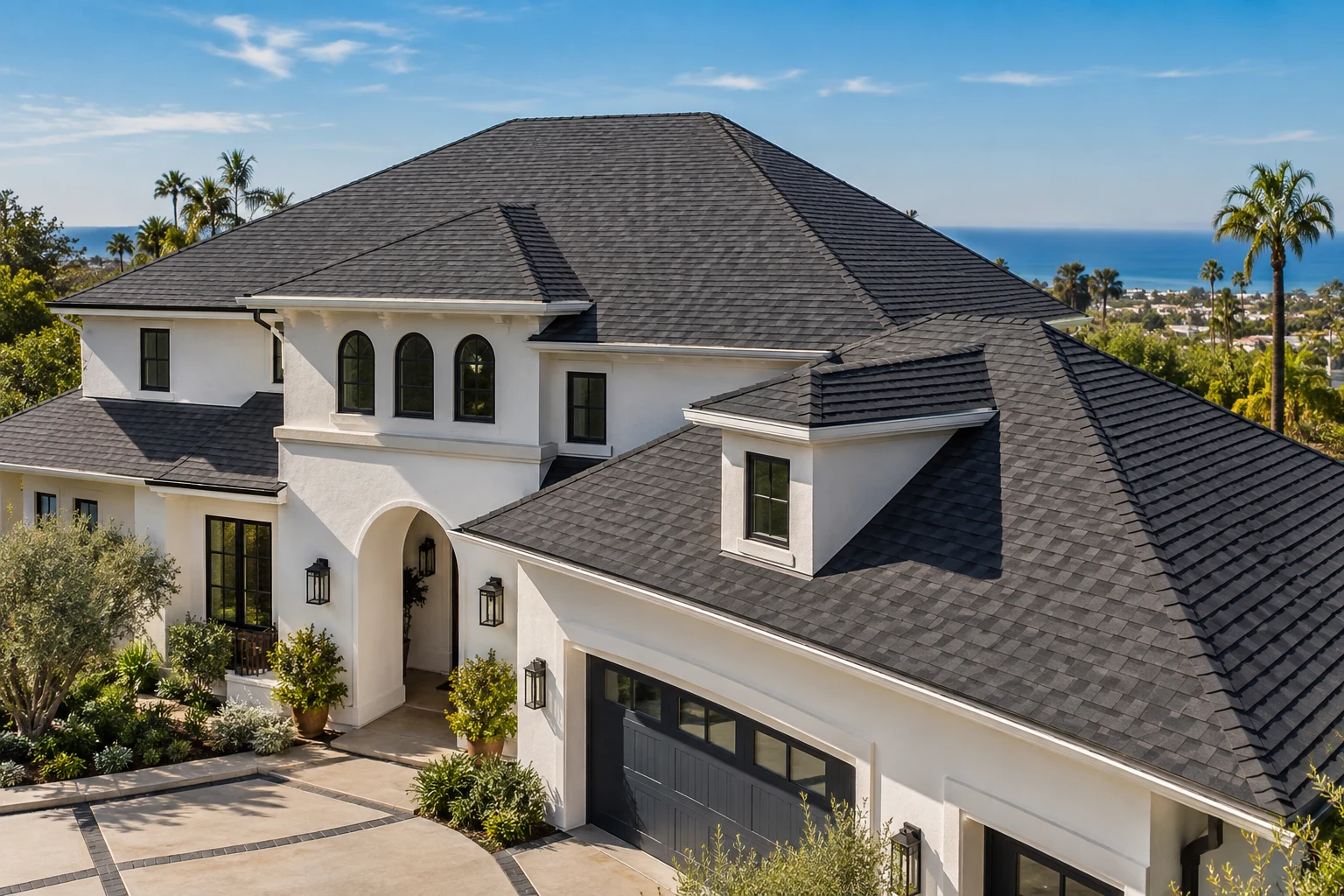
In Fullerton, cool roof-compliant architectural asphalt shingles provide an excellent balance of cost and performance for most suburban homes. These shingles meet Title 24 requirements by reflecting solar heat and resisting UV damage better than older styles. For mid-century modern homes with flat or low slopes—like those in the Sunny Hills neighborhood—specialized membranes such as TPO or spray polyurethane foam (SPF) roofing are the best choice due to their water resistance and flexibility.
Clay and concrete tile roofs offer unmatched longevity, often lasting 50 years or more, with strong resistance to fire and heat. However, their weight generally requires reinforced roof framing. Regardless of material, success depends on a complete roofing system that includes proper decking, synthetic underlayment, effective flashing, and attic ventilation.
Many homeowners don’t realize that the performance of their roofing material is only as good as the components supporting it. Explore roofing materials options for Fullerton homes to understand benefits and limitations before making a choice.
Why Fullerton’s Climate Demands Specific Roofing Material Choices
Fullerton’s Mediterranean climate exposes roofs to intense UV radiation—with about 278 sunny days annually—accelerating surface material degradation. The thermal cycling from hot days and cooler coastal evenings also causes expansion and contraction cycles that can crack underlayments and damage flashing. Additionally, Santa Ana winds can lead to physical damage and debris accumulation, increasing the risk of roof leaks and moisture intrusion during seasonal rains.
A common issue during inspections in Fullerton is deteriorated roof flashing and underlayment failures triggered by these cycles and moisture retention beneath tree canopies. Buildings in Fullerton must also meet Climate Zone 8 energy codes, requiring roofing materials with specific solar reflectance and thermal emittance to reduce HVAC loads and indoor heat buildup.
This means roofs here need more than just surface durability—they require thoughtful design and installation for system-wide integration. For detailed technical benefits, check out cool roofing benefits in Fullerton and learn about how proper ventilation and flashing work together in the roof replacement process.
Consequences of Ignoring Proper Material Selection in Fullerton
Choosing roofing materials without accounting for Fullerton’s unique climate stresses can lead to premature roof failures. For example, asphalt shingles may crack and lose granules faster than expected, exposing the underlayment to water damage. Tile roofs, while long-lasting, often face underlayment degradation after 25 years, resulting in expensive “lift and relay” replacements instead of simple overlays.
In homes across Fullerton, we often see that poor attic ventilation combined with improper materials causes excessive heat absorption, raising energy bills and compromising the roof decking. Moisture intrusion left unchecked can cause structural deck rot, sagging rooflines, and costly repairs that go beyond surface material replacement.
Recognizing early warning signs like granule loss, missing flashing, or soft decking is critical. Homeowners should familiarize themselves with early warning signs to watch for to avoid such expenses. For guidance on cost implications, visit repair or replacement considerations.
How Roofing Materials Perform as a System in Fullerton
Understanding Roofing as a System, Not Just Materials
Many homeowners don’t realize that roofing longevity comes from a complete system, not just the surface material. For Fullerton’s environment, the deck, underlayment, ventilation, and flashing must be properly integrated with quality installation methods. Even the best materials can fail prematurely if nails are misapplied or flashing is poorly sealed.
Attic ventilation plays a major role in roof health by balancing internal temperatures to reduce material degradation. Proper soffit intake combined with ridge exhaust ventilation supports energy efficiency and helps preserve warranties.
Material-Specific System Considerations
- Architectural Asphalt Shingles: Require synthetic underlayment and vented ridge caps. Choosing CRRC-rated cool shingles helps reflect heat.
- Clay and Concrete Tile: Demand structurally reinforced decking. Use advanced synthetic or modified bitumen underlayment to withstand thermal cycling. Flashing must be carefully detailed to prevent water intrusion.
- Flat Roofs (TPO, SPF): Need seamless waterproof membranes and graded drainage. Improper installation can cause ponding and leaks within months.
For a full understanding of the system installation steps and quality considerations, see our roof replacement process and roof warranty explained pages.
Decision-Support: Choosing the Right Material for Your Fullerton Home
Choosing the right roofing material starts with assessing your roof’s age, damage extent, pitch, HOA guidelines, and budget. Most Fullerton homes with steeper pitched roofs and HOA restrictions favor architectural shingles for their affordability and compliance. If longevity and traditional Southern California style are priorities, clay or concrete tile roofs are appropriate where the structure supports the load.
Low slope or flat roofs, common in mid-century modern neighborhoods, require specialty membranes like TPO or SPF roofing to prevent leaks and meet Title 24 energy codes. Remember, system upgrades—like improved ventilation and deck repairs—can affect total costs and roof performance beyond initial material pricing.
Homeowners looking for a comparative overview of material pros and cons should visit our best roofing materials page and the direct tile versus shingle roof comparison.
Frequently Asked Questions About Roofing Materials in Fullerton
What is the average cost of a new roof in Fullerton by material?
Architectural asphalt shingles typically range between mid to high price points depending on roof size and complexity, while tile roofs start higher due to materials and structural reinforcement. For guidance on costs without exact pricing, see roof replacement cost considerations.
How long will my roof last in Fullerton’s climate?
Asphalt shingles usually last 20-25 years under Fullerton’s sunny conditions, whereas clay and concrete tile roofs can last 50 to 100 years but often need underlayment replaced around 30 years. Learn more on how lifespan varies by material on our roof lifespan page.
Should I repair or replace my roof?
A common question—we recommend replacement for roofs older than 20 years with widespread damage like granule loss or sagging decking. Repeated repairs may cost more over time. Assess your options at roof repair or replacement.
What about flat roofs in Fullerton?
Flat or low-slope roofs require TPO, modified bitumen, or spray foam membranes for waterproofing and energy compliance. These materials handle water drainage challenges and thermal cycling better than traditional shingles.
How does energy efficiency influence material choice?
California Title 24 requires cool roofing materials with minimum Solar Reflectance Index ratings. Reflective architectural shingles or tile roofs help reduce attic heat buildup and lower energy bills during Fullerton’s hot months. Visit our cool roof page for more details.
Can my HOA dictate what roofing material I can install?
Yes. Many Fullerton neighborhoods, including Amerige Heights, have HOA architectural guidelines controlling roofing materials and colors to preserve community aesthetics. Check directly with your HOA before selecting materials.
How important is proper attic ventilation with my new roof?
Proper attic ventilation is essential to prevent overheating and moisture buildup that degrade roofing materials. It supports roof warranty validity and contributes to energy efficiency. For ventilation recommendations, see our roof replacement process.
Contact All Star Roof Replacement for a Clear, No-Pressure Roofing Material Consultation in Fullerton
At All Star Roof Replacement, we provide thorough roof inspections tailored to Fullerton’s climate and home characteristics without any pressure to decide immediately. We help you understand how different materials and roofing systems will perform on your home before you commit. Our experienced, licensed contractors ensure proper installation for durability and warranty compliance.
Call us at (310) 729-3013 or email teamallstarconstruction@gmail.com to schedule your consultation today. Learn more about our Fullerton roof replacement services and what to expect during the replacement process on our website.