
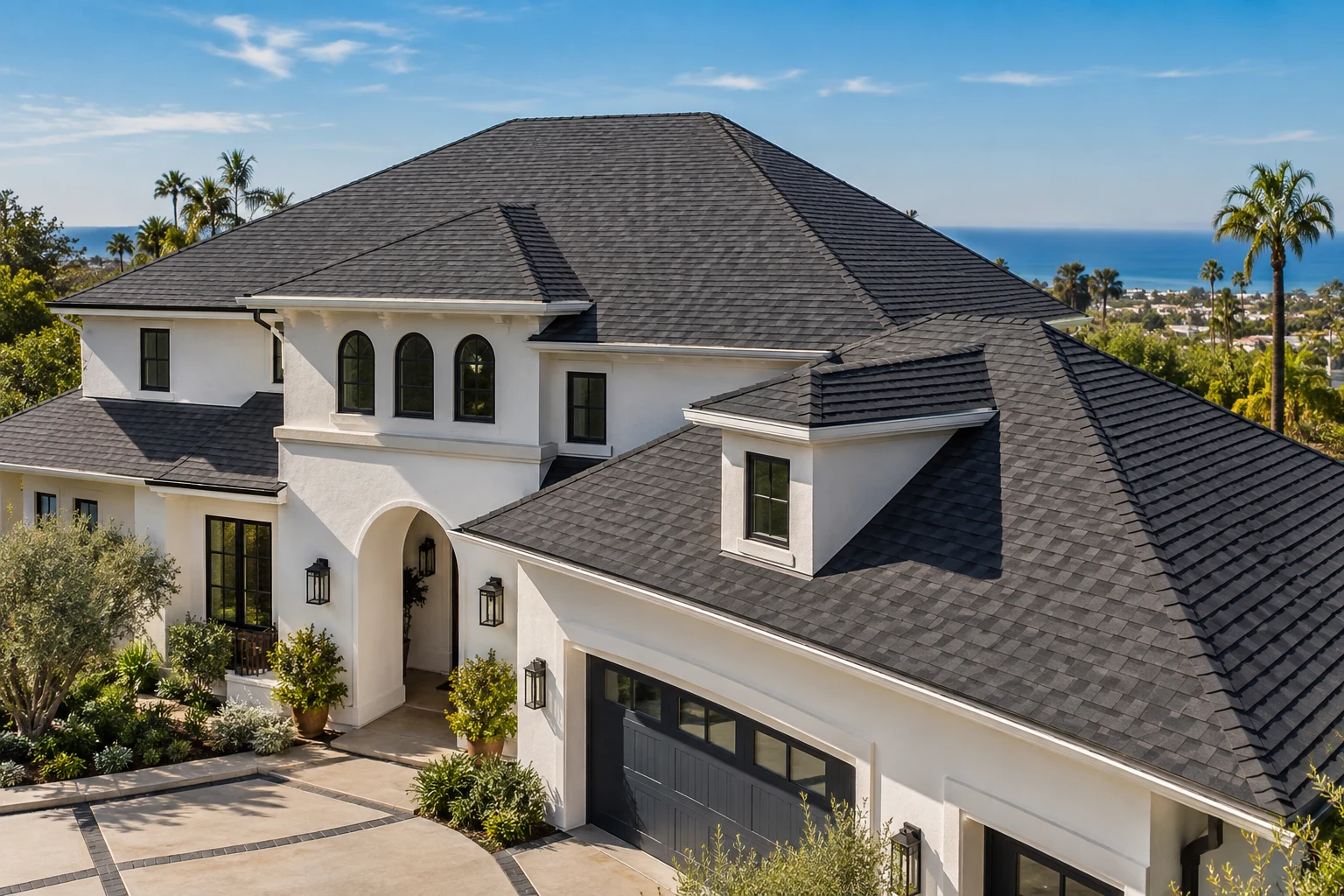
Choosing the right roof for your San Clemente home means balancing durability, aesthetics, and cost while addressing local climate challenges. At All Star Roof Replacement, we help homeowners evaluate the pros and cons of tile and shingle roofing systems to ensure their home is well protected against Southern California’s sun, salt air, and wind.
In our experience serving San Clemente neighborhoods, tile roofs are popular in newer, HOA-governed communities, while shingles remain common on classic coastal bungalows. Each material requires a complete roofing system approach—including quality underlayment, flashing, ventilation, and proper fastening—to maximize lifespan and weather resistance.
Which Roof Type Works Best for San Clemente Homes?
Tile roofs excel for homes where long-term durability, fire resistance, and HOA standards are top priorities. Their clay or concrete tiles can easily last over 50 years with proper maintenance. However, tile roofing systems require scheduled underlayment and flashing replacements every 20 to 30 years, which are critical to preventing leaks.
Shingle roofs offer a more affordable upfront cost and quicker installation, appealing to owners of older homes or those preferring a straightforward replacement. Keep in mind, shingles have a shorter effective lifespan—typically 18 to 25 years in San Clemente—due to constant exposure to UV rays and salt air, which accelerate wear.
Ultimately, the best choice depends on your home’s architectural style, HOA rules, and budget. For example, in Talega and Forster Ranch, tile roofs dominate, while many older oceanfront bungalows are well-suited for shingles if properly maintained. Learn more about best roofing materials for San Clemente to fine-tune your decision.
Understanding San Clemente’s Unique Roofing Challenges
San Clemente’s marine Mediterranean climate poses special challenges for roofing materials. UV exposure here is among the highest in the country, accelerating granule loss on shingles and degrading underlayment and flashings. The salty coastal air accelerates metal corrosion, threatening fasteners and flashing, which are vital parts of the roofing system.
Santa Ana winds add another layer of stress. These gusts can loosen shingle nails if fastening isn’t upgraded and threaten tile roofs if the anchors age or aren’t properly installed. Homes on bluffs or closer to the ocean typically face harsher conditions due to wind and salt spray.
A frequent issue we discover during roof inspections is underlayment degradation beneath otherwise intact tile roofs. Heat, moisture cycles, and abrasion wear down this protective layer, leading to leaks even when the tiles appear pristine. To combat these effects, roof ventilation and corrosion-resistant metals in flashings are critical to prolong system life.
For more on protecting your roof against these issues, check out our pages on coastal roofing metals, attic ventilation and roof longevity, and Santa Ana winds and roofing.
The Cost of Overlooking Material and System Limitations
Ignoring underlayment and flashing condition can lead to persistent leaks and costly water damage, even if tile or shingles look fine at first glance. In many San Clemente homes, repeated patch repairs only delay a full system replacement, which often becomes more expensive over time.
Water intrusion weakens roof decking and invites mold, especially in attics affected by marine moisture cycles. Poor ventilation worsens this, trapping heat and humidity that speeds up dry rot and reduces the effectiveness of shingle sealants.
Homeowners who wait too long often face complex repairs—including decking replacement—not just tile or shingle removal. If you notice frequent leaks, visible water stains, or damaged flashings, it’s wise to evaluate your roof’s overall health. Learn to spot these problems on our signs you need a new roof page and what to do in emergencies at roof leak what to do.
How Tile and Shingle Roofing Systems Work in San Clemente
Tile Roofing Systems
Tile roofs in San Clemente typically feature heavy clay or concrete tiles secured over high-quality underlayment and supported by battens or anchors. Metal flashings are usually stainless steel or aluminum to resist coastal corrosion. The underlayment, often felt or synthetic, is the most vulnerable layer and usually needs replacement every 20 to 30 years, well before the tiles reach the end of their service life.
Ventilation improvements, such as intake vents near the eaves and ridge vents designed for tile systems, help prolong decking and underlayment life by reducing attic heat and moisture. We often recommend ventilation upgrades when replacing a tile roof’s underlayment to get the full benefit.
Asphalt Shingle Roofing Systems
Shingle roofs lay a lighter material over synthetic or felt underlayment with metal drip edges and valleys. In San Clemente, the biggest challenges for shingles are granule loss from UV and salt exposure, especially on sun-facing slopes. This loss reduces the shingle’s waterproofing capabilities and grime resistance sooner than inland roofs.
High-wind fastening methods, such as six-nail installation patterns, are essential to withstand Santa Ana winds. Proper attic ventilation, with balanced soffit intake and ridge exhaust vents, also delays shingle aging and prevents blow-offs during storms.
System-Level Considerations for Both Materials
No matter the roof covering, the full roofing system’s integrity is vital. This includes sound decking, durable underlayment, corrosion-resistant flashing metals, and effective ventilation. In San Clemente, we prioritize upgrading to stainless or aluminum flashings to avoid premature failures common with traditional metals.
Installation quality significantly affects roof life. Poorly installed flashings or ventilation components lead to leaks and faster degradation. At All Star Roof Replacement, we inspect all system components to tailor the replacement to local conditions, ensuring the roof performs optimally for years. For a detailed look at system weak points and solutions, visit our pages on tile underlayment replacement, coastal roofing metals, and attic ventilation and roof longevity.
Roof Type | Typical Cost per Square (100 sq ft) | Typical Lifespan (years) | Key System Concerns
--- | --- | --- | ---
Asphalt Shingles | $650 – $1,100 | 18–25 | UV/salt granule loss, ventilation needs
Tile Lift-and-Relay (Underlayment Replacement) | $650 – $1,200 | Underlayment 20–30 | Underlayment aging, ventilation upgrades
New Tile System | $1,150 – $1,900 | Tile 50+, underlayment 25–30 | Flashings corrosion, proper fastening
Frequently Asked Questions About Tile vs Shingle Roofs in San Clemente
How much does tile roofing cost compared to shingles in San Clemente?
Tile roofing generally carries a higher upfront price, with new tile systems averaging between $1,150 and $1,900 per 100 square feet. In contrast, asphalt shingles typically range from $650 to $1,100 per 100 square feet. For tile roofs needing only underlayment replacement and tile lift-and-relay, costs fall roughly between $650 and $1,200 per square. These figures can vary based on roof complexity and materials chosen. For detailed cost considerations, visit our roof replacement cost page.
How long does each roof type last in San Clemente’s coastal climate?
Asphalt shingles usually last 18 to 25 years but may degrade faster near the coast due to intense UV exposure and salt spray. Tile roofs, especially concrete or clay, can last over 50 years; however, the underlayment and flashings typically require full replacement every 20 to 30 years to maintain leak-free performance. Read more about roof lifespans on our roof lifespan page.
When should I consider tile versus shingle replacement?
Tile roofs are advisable if your HOA mandates them or if you prioritize long-term durability and fire resistance. Shingles are a practical choice if on a tighter budget, if your home currently has shingles, or if you prefer a simpler installation. In either case, the roof’s system condition—especially underlayment and ventilation—should drive your timing. Our roof repair vs replacement guide can help you make this decision.
Can shingles handle Southern California’s Santa Ana winds?
Yes, shingles can perform well under Santa Ana winds when installed with high-wind rated materials and proper six-nail fastening patterns. Tile roofs also require correct anchoring to resist uplift. We inspect fastening details thoroughly to ensure roofing systems stand up to seasonal gusts.
What ventilation improvements are necessary for tile and shingle roofs?
Proper ventilation consists of balanced intake vents at the eaves and exhaust vents at the ridge or tile vents. Tile roofs often need bird block modifications to maintain intake airflow, while shingle roofs benefit from ridge vents paired with soffit intake vents. Adequate ventilation reduces attic heat and moisture, prolonging the life of the decking and underlayment. Learn more on our attic ventilation and roof longevity page.
Are tile roofs better for energy efficiency in San Clemente?
Tile roofs offer good thermal mass that helps dissipate heat, especially when combined with reflective coatings and enhanced ventilation. While “cool” asphalt shingles can reflect some heat, their shorter lifespan and vulnerability to UV and salt exposure in San Clemente can limit long-term energy savings.
Should I repair or replace a damaged tile or shingle roof in San Clemente?
Spot repairs work well for isolated damage on newer roofs, but replacement is recommended when there’s underlayment or decking damage, frequent leaks, or widespread shingle granule loss and wind damage. Preemptive replacement often avoids costly structural repairs later. Our roof repair vs replacement page offers a good decision-making framework.
Next Steps: Scheduling Your Tile or Shingle Roof Replacement Estimate in San Clemente
At All Star Roof Replacement, our San Clemente roof inspections go beyond surface checks. We evaluate attic conditions, decking integrity, and ventilation to provide a comprehensive understanding of your roof system’s health. This thorough approach helps us recommend the best replacement option tailored to your home and neighborhood conditions.
Your detailed proposal will include tear-off options, underlayment upgrades, ventilation improvements, corrosion-resistant flashing choices, and any necessary wood repairs. We also coordinate HOA requirements and permits, and if you have solar panels, we help plan safe detachments and resets.
To schedule your free inspection and estimate, call us at (310) 729-3013 or email teamallstarconstruction@gmail.com. Learn more about what to expect during replacement by visiting our roof replacement process page, or check local contractor options on our roofing contractor near me page. We’re ready to help you protect your home with a quality roof designed for San Clemente’s unique weather.