
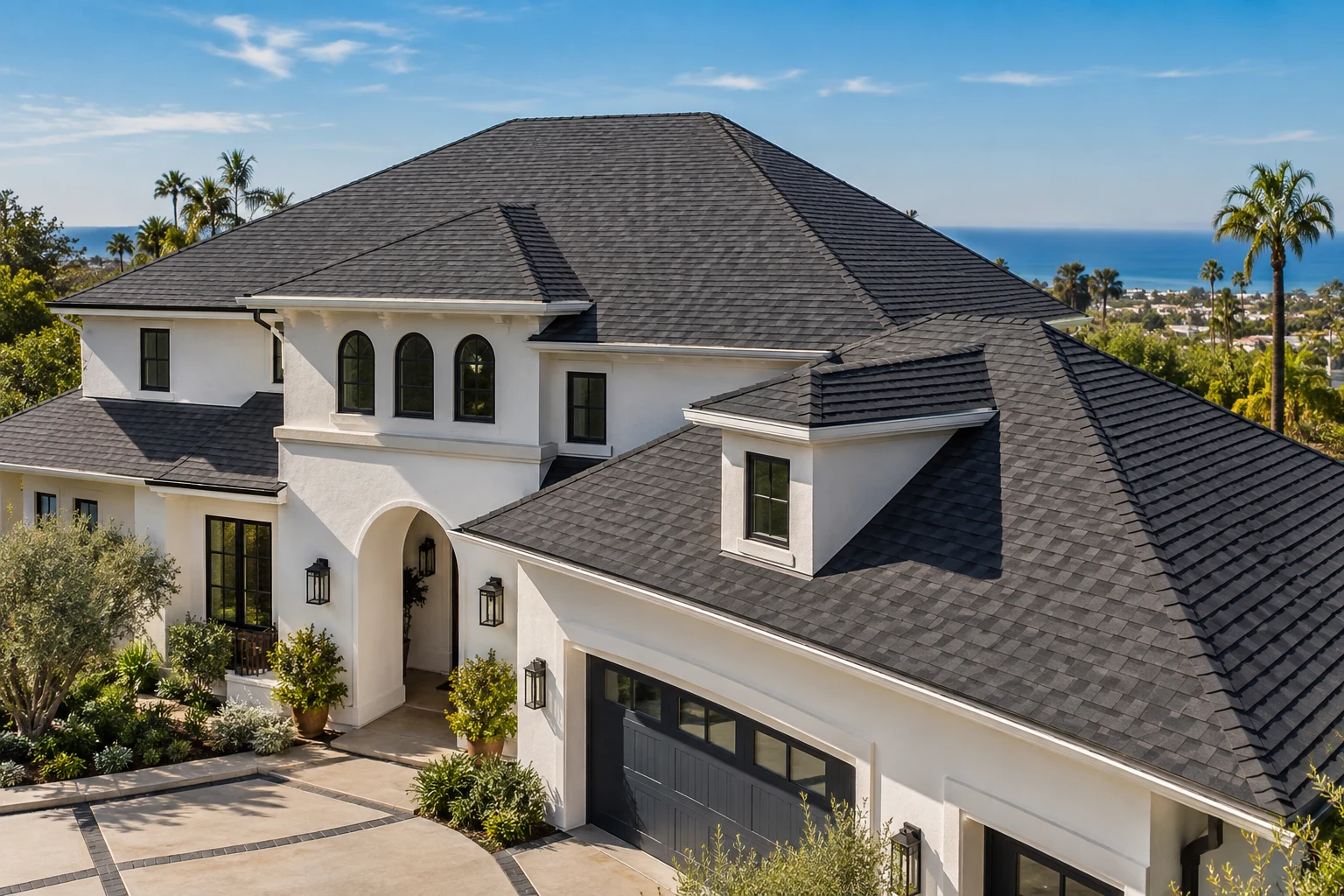
Homeowners in Jurupa Valley often face roofing challenges caused by our region’s intense heat and climate conditions. At All Star Roof Replacement, we specialize in residential roof replacements that address these unique demands, restoring your home’s protection and energy efficiency. If you’re dealing with an aging roof or persistent leaks, reroofing is often a practical and long-term solution worth considering.
When Is Reroofing Worth It in Jurupa Valley?
In homes across Jurupa Valley, reroofing becomes necessary when signs of roof deterioration are apparent—such as leaking, curling or missing shingles, visible granule loss, or sagging decking. These issues show the roof is beyond minor repair and warrant a full replacement. The Southern California sun pushes attic temperatures higher, breaking down underlayment and flashing, which means reroofing isn’t just about new shingles—it includes upgrading ventilation and other components to ensure durability.
Reroofing in Jurupa Valley typically involves a comprehensive approach that improves your roof’s entire system. If you want a clear guide on identifying these signs, see our page on signs you need a new roof. For emergencies like leaks, it’s helpful to review our advice on what to do if your roof leaks. Understanding the roof replacement process will also prepare you for what a full reroof entails beyond just replacing shingles.
Why Roof Issues Are Common in Jurupa Valley, California
Impact of Extreme Heat and UV Exposure on Roofing Materials
The summer sun in Jurupa Valley regularly heats roof surfaces to 160–180°F, which wears out asphalt shingles much faster than average lifespans predict. The heat causes the binders in shingles to oxidize and lose granules early, reducing protection. Underlayment and flashing degrade too, often leading to leaks and weak spots.
A common issue during inspections is cracking and shrinkage from extreme heat cycles, which cause decking to expand and contract. These movements loosen nails and flashing, diminishing the roof’s watertight seal. Many homeowners don’t realize these climate stressors shorten roof life significantly compared to cooler coastal areas.
Amplifying Factors: Santa Ana Winds and Wildfire Risks
In addition to heat, strong Santa Ana winds, which can reach 40–60 mph in the fall, challenge roof integrity by testing how well shingles and flashing hold down. Homes with older roofs or less durable materials are especially vulnerable to uplift damage.
Wildfire ash deposits also affect roofing surfaces, particularly tile roofs common in Jurupa Valley’s Spanish-style homes. These deposits can degrade surface coatings and hide damage under layers of debris. When reroofing, it’s important to inspect decking and flashing thoroughly to repair any hidden damage from these conditions.
Ventilation and Attic Heat Problems
Many homes in Jurupa Valley lack adequate soffit or ridge vents, trapping extreme heat in attics. This trapped heat accelerates the breakdown of roofing materials and can void manufacturer warranties. Excess heat also raises energy bills as air conditioners work harder to cool the home.
Upgrading attic ventilation during reroofing is a practical way to extend the life of your roof system and improve home comfort. Learn more about how better energy-efficient roofing and proper roof ventilation reduce these issues. The harsh local climate can shorten roof lifespan, which we discuss in our roof lifespan in Jurupa Valley resource.
Risks of Ignoring Roof Replacement in Jurupa Valley
Ignoring signs that your roof needs replacement often leads to larger problems. Water leaks from failing flashing or underlayment cause rot in decking and mold growth in attics and walls. These issues compromise both your home’s structure and indoor air quality.
Repeated patch repairs can become costly without addressing underlying deck or ventilation problems. Many homeowners are surprised that energy bills climb as their aging roofs fail to insulate or ventilate properly under Jurupa Valley’s intense heat.
Over time, structural decking can sag or rot, creating safety hazards and requiring major reconstruction. Insurance claims for damage may also be denied if the roof is deemed too old or worn out. Staying ahead with replacement prevents these expensive consequences. For help deciding, see our guide on repair or replace your roof.
What Does Reroofing Include? Understanding the Full Roofing System
Inspection and Permitting – The First Step
Verify the current CSLB record for license #1009760 and confirm the appropriately licensed contractor responsible for your roofing scope in the written agreement. We assess decking condition, underlayment integrity, flashing status, and attic ventilation. Jurupa Valley requires permits for projects replacing more than 25% of your roof, ensuring your new roof meets current codes, including California’s Title 24 energy standards.
Our inspection identifies necessary deck repairs and ventilation upgrades that are critical here, given the climate. This upfront evaluation helps avoid surprises during reroofing and ensures your new roof lasts.
Tear-off and Deck Preparation
Complete removal of the old roofing exposes any deck issues—rot, warping, or insect damage are common in Jurupa Valley’s older homes. Proper deck repair and reinforcement create a solid foundation that can handle heavy clay or concrete tiles, popular in our area’s traditional home styles.
Underlayment, Flashing, and Ventilation Installation
We install modern synthetic underlayments and ice/water shields to protect against the occasional heavy rains Southern California can see. Flashing is replaced or upgraded to secure roof penetrations and edges, areas highly prone to leaks if left unattended.
Improved soffit and ridge vents are installed to reduce attic heat accumulation, a key factor in extending roof life under Jurupa Valley’s blazing summers. For details about the step-by-step process, see our roof replacement process page.
Roofing Material Installation and Final Inspection
Whether your new roof uses shingles or tile, we install materials strictly according to manufacturer specifications to avoid premature failures common in our UV-intensive environment. Many customers opt for cool roof materials with reflective granules to reduce cooling costs and meet California’s energy codes. You can read more on cool roofs.
After installation, a final inspection confirms workmanship quality and compliance with local codes, so your warranty remains valid. Learn why craftsmanship matters at roof warranty explained.
Decision-Making Support: Repair vs Full Roof Replacement in Jurupa Valley
If your roof is less than 10 years old with isolated damage, targeted repairs may be appropriate. However, when you see widespread shingle curling, granular loss affecting more than 10–20% of the roof, failing flashing, or sagging decking, full replacement is usually safer and more cost-effective in the long run.
Repeated repairs in Jurupa Valley often fail to keep pace with accelerated aging from heat and wind, ultimately leading to bigger problems. A reroof allows upgrades in ventilation and energy efficiency that repairs can’t provide, improving home comfort and cutting utility bills. For help deciding, visit our repair or replacement guide and also review expected roof lifespan details specific to our climate.
Frequently Asked Questions About Reroofing in Jurupa Valley
How much does a roof replacement cost in Jurupa Valley?
Typical asphalt shingle reroofs on a 2,000 square foot home range between $8,000 and $12,000. Tile roofs usually cost more—approximately $18,000 to $28,000—due to weight and installation complexity. Costs depend on deck repairs, roof slope, local permits, and materials chosen.
How long does a roof replacement take?
The active installation phase generally takes 1 to 3 days, including tear-off and decking prep. The full project duration, from initial inspection through final city approval, is about 1 to 2 weeks, depending on permit processing and roof complexity.
Do I need a repair or replacement?
If your roof age is near or beyond 20–25 years with recurring problems across multiple areas, replacement is typically the better choice. For isolated damage on younger roofs, repairs might suffice temporarily.
How long will a new roof last in Jurupa Valley?
Asphalt shingle roofs usually last 20 to 25 years here due to heat stress. Tile roofs can last 40 to 60+ years, and metal roofs often exceed 40 to 70 years, especially with proper ventilation and maintenance.
What roofing materials perform best in Jurupa Valley’s climate?
Materials rated as cool roofs—reflective shingles, clay or concrete tile, and metal roofing—perform best. Tile and metal roofs offer the longest lifespans but come with higher upfront costs compared to asphalt shingles.
What is a cool roof and why does it matter?
A cool roof reflects solar heat and radiates thermal energy, reducing attic temperatures and lowering summer cooling bills by 10–25%. It’s a key energy code requirement in California and particularly beneficial in the hot Jurupa Valley climate.
Can I finance my roof replacement?
Yes, financing options are available, including home equity loans, personal loans, and flexible contractor financing plans designed for Jurupa Valley homeowners.
Contact All Star Roof Replacement for a Clear, No-Pressure Roof Inspection in Jurupa Valley
Verify the current CSLB record for license #1009760 and confirm the appropriately licensed contractor responsible for your roofing scope in the written agreement. We provide transparent, no-pressure consultations with clear explanations of whether repair or replacement makes the most sense for your home.
Schedule your free or low-cost inspection with flexible timing that fits your needs. Call us at (310) 729-3013 or email teamallstarconstruction@gmail.com today to get started.
Want to learn more about roof inspection costs? Visit our roof inspection cost page. Looking for a qualified local professional? Find out why we’re recognized as a top roofing contractor near you.