
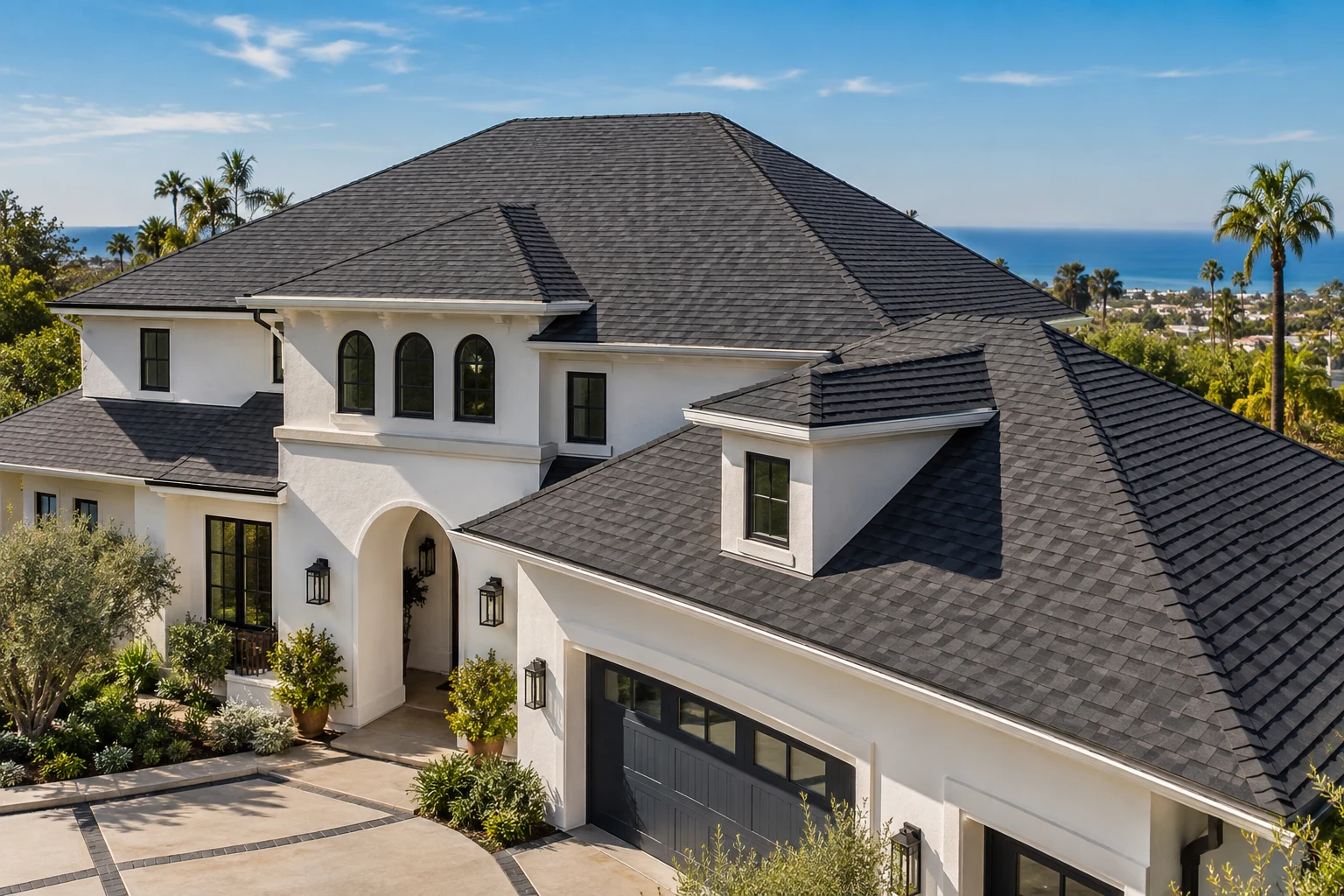
In Jurupa Valley’s hot, dry climate, inadequate roofing can turn your home into an oven, pushing energy costs higher and shortening your roof’s lifespan. At All Star Roof Replacement, we understand how roofing choices—from materials to ventilation—play a critical role in managing heat. Homeowners across Jurupa Valley trust us to provide comprehensive roof replacement solutions that tackle heat buildup effectively.
Why Roof Heat Is a Unique Challenge in Jurupa Valley
Jurupa Valley experiences summer temperatures averaging around 95°F, but roof surfaces often heat up to 160–180°F under intense UV exposure. This extreme heat accelerates shingle aging by causing asphalt oxidation and granule loss more rapidly than in cooler climates. Many homes in the area, especially older ones, show signs of this premature wear during inspections.
A common issue during inspections is that Santa Ana winds increase uplift risks and can worsen damage to flashing or underlayment if the roof is not properly installed. Because roofing is a full system, deck quality, ventilation, flashing, and underlayment all matter when preparing to manage heat on your Jurupa Valley home.
For homeowners thinking about roof replacement in Jurupa Valley, understanding these local climate challenges helps prioritize solutions that keep your roof durable and comfortable through the hottest months.
Consequences of Ignoring Roof Heat and Ventilation Issues
Ignoring excessive heat buildup in your roof can raise your cooling bills by 10 to 25 percent or more. Hot attic temperatures increase the strain on your home’s air conditioning system, especially during Jurupa Valley’s long, dry summers. Many homeowners don’t realize that poor ventilation can void roof warranties, and it often leads to faster deterioration of underlayment and decking.
Additionally, trapped heat combined with moisture buildup can lead to wood rot, flashing leaks, and structural damage. This makes professional ventilation design and roof assembly quality critical to prolonging your roof’s life and maintaining energy efficiency.
If you’re facing these challenges, you may want to consider options for roof repair or replacement to restore proper airflow and improve thermal performance.
How Roofing Material Choices Impact Heat Reduction
Material selection is one of the best ways to reduce heat absorbed by your roof. Light-colored or reflective shingles that meet cool roof standards reflect more solar radiation, significantly lowering roof surface temperatures. These shingles typically have an aged solar reflectance above 0.63 or 70%, which helps keep your attic cooler.
Tile roofs, both clay and concrete, have natural thermal mass that reduces surface heat. In Jurupa Valley, many older homes benefit from tile roofing’s longevity—lasting 40 to 60 years or more—and excellent heat resistance.
Metal roofs also offer strong heat-reflective properties and can reduce attic temperature and cooling costs by up to 20–25%. However, they need professional installation to guarantee proper underlayment and ventilation, preventing heat trapping or moisture issues.
For a deeper dive into material pros and cons, check out our pages on best roofing materials and tile vs shingle roofing. Also review cool roof options that are compliant with Southern California climate demands.
Ventilation and Insulation Upgrades for Hot Climates
Proper ventilation is crucial to reducing attic heat in Jurupa Valley homes. Installing soffit and ridge vents or attic fans can lower attic temperatures by 20–30°F, which not only improves comfort but also extends roof life by reducing thermal stress.
Upgrading attic insulation to R-38 or above limits heat transfer into your living spaces, alleviating the workload on cooling systems. Many homeowners don’t realize the added benefits of installing a radiant barrier foil under the roof decking, which reflects infrared rays and further decreases indoor heat gain.
If you’re planning a roof replacement, consider our energy-efficient roofing upgrades that include enhanced ventilation and insulation techniques. These are key to meeting Title 24 energy codes and lowering utility bills.
Roof Coatings and Reflective Treatments as Heat Mitigation
Applying elastomeric or reflective roof coatings on an existing roof can reduce surface temperatures by 50–60°F, giving immediate relief and extending roof life. However, these coatings require a sound underlying roof deck and properly installed layers to be effective.
For roofs with decking damage or underlayment failures, coatings are not a substitute for full replacement. New roofs or reroofs in Jurupa Valley must comply with Title 24 energy standards, which often means certified reflective materials or coatings are mandatory.
Explore our details on cool roof coatings, and see when coatings might be a cost-effective option versus complete roof replacement services. For cost considerations, visit our roof replacement cost overview.
Practical Maintenance Tips to Keep Your Roof Cooler
Maintaining your roof can prevent heat issues from worsening. Keeping gutters, soffits, and vents clean ensures proper airflow and prevents heat and moisture entrapment. Removing debris and organic growth like moss or algae stops darkening of the roof surface, which otherwise increases solar heat absorption.
Additionally, landscaping can help reduce roof temperatures. Shade structures, well-placed trees, and awnings reduce direct sun exposure to roofing materials, indirectly lowering roof surface heat. This is especially helpful in neighborhoods across Jurupa Valley where shade is sparse.
Regular roof inspections are advisable for maintenance and to catch heat-related wear early. Learn more about inspection costs and schedules here. When maintenance isn’t enough, you’ll find guidance on signs you need a new roof.
Decision Support: Repair vs Roof Replacement to Improve Heat Management
When your roof is less than 20 years old and decking is sound, targeted repair or upgrades to ventilation and shingle layers may be enough to reduce heat and improve comfort. However, if your roof is older or showing multiple heat-related failures like granule loss, cracking, or sagging decking, roof replacement is usually the better option.
Replacing your roof allows for full installation of modern cool roofing materials, improved underlayment, flashing, and advanced ventilation systems designed for Jurupa Valley’s climate and Title 24 compliance. Quality installation is key to avoid premature failures caused by poor attic airflow or flashing leaks.
For personalized guidance, review our detailed roof repair or replacement decision guide and what to expect during the roof replacement process.
Frequently Asked Questions About Reducing Heat with Roofing in Jurupa Valley
How much does a cool roof cost in Jurupa Valley?
Costs vary by material and roof size. Light-colored asphalt shingles for a typical 2,000 ft² roof usually run between $8,000 and $12,000. Tile roofs are more expensive, often two to three times that amount. Final pricing also includes permit fees, decking repairs, and ventilation upgrades.
How long does a cool roof last in this climate?
Asphalt-based cool roofs generally last 20–25 years due to intense UV and heat exposure. Tile roofs last significantly longer, from 40 to over 60 years, especially when paired with proper attic ventilation and insulation.
Can I keep my existing roof and reduce heat with coatings?
Yes, reflective coatings can reduce heat if your roof deck and underlayment are in good condition. If there are leaks or decking damage, full replacement is recommended to avoid moisture problems under the coating layer.
How does attic ventilation affect roof heat?
Good attic ventilation exhausts hot air, lowering deck temperatures and extending roof lifespan. Without adequate airflow, heat and moisture buildup accelerate damage and increase energy costs.
Are cool roofs mandatory in Jurupa Valley?
Yes, Title 24 energy code requires most reroofs in Jurupa Valley’s climate zone to use cool roofing materials that meet specified solar reflectance and thermal emittance standards.
What upgrades improve energy efficiency besides roofing material?
Improving attic insulation to R-38 or higher and installing radiant barrier foil under roof decking significantly reduces heat transfer into living spaces. These upgrades complement cool roof materials for best energy savings.
How soon should I replace my roof to improve heat management?
Plan replacement before major leaks, deck damage, or extensive heat-related wear appears. Roofs over 20 years old displaying signs of heat stress benefit most from replacement to meet current energy and durability standards.
Contact All Star Roof Replacement for a Heat-Reducing Roof Replacement Inspection — No Pressure, Just Clear Answers
At All Star Roof Replacement, we specialize in residential roof replacements designed to reduce heat and improve energy efficiency for Jurupa Valley homes. Our thorough roof inspections focus on identifying heat buildup causes and potential solutions tailored to your roof system’s condition.
We provide clear explanations about materials, ventilation options, and energy savings without any high-pressure sales tactics. Call us at (310) 729-3013 or email teamallstarconstruction@gmail.com to schedule your no-obligation consultation today.
As your trusted roofing contractor near me, we stand behind our work with full transparency, including the roof warranty explained to ensure your investment is protected. Learn more about our process before you commit with our roof replacement process overview.