
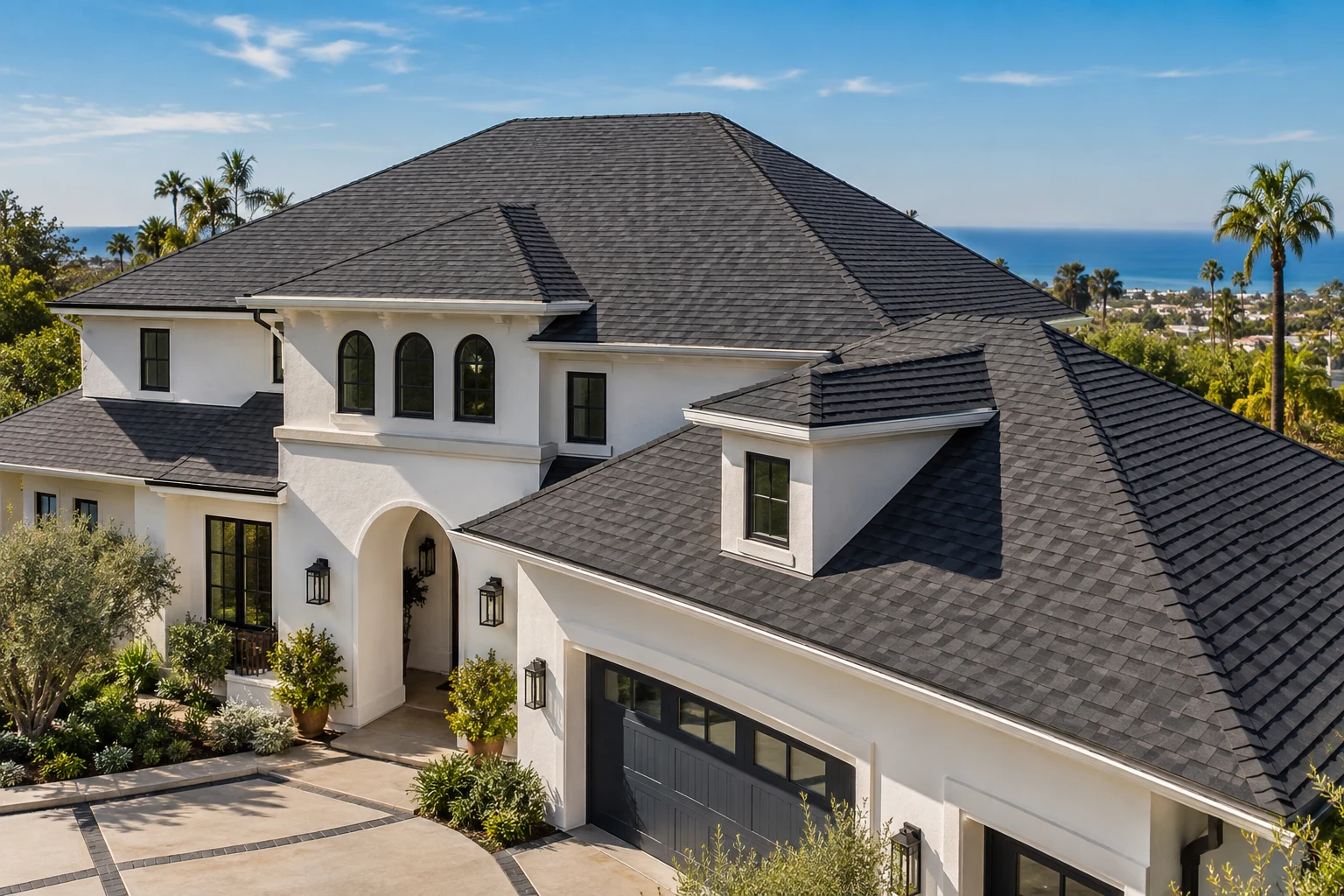
Choosing the best roofing material in Moreno Valley means addressing the harsh Southern California heat, intense UV radiation, and seasonal winds all year round. At All Star Roof Replacement, we specialize in full residential roof replacements designed for these local challenges, ensuring your new roof lasts and performs as expected. Our expert inspections help identify what roofing material will best serve your home’s style, durability needs, and energy efficiency goals.
Understanding Moreno Valley’s Climate Impact on Roofing Materials
Moreno Valley’s climate features long stretches of intense summer heat and high ultraviolet exposure. This combination “bakes” standard asphalt shingles, causing them to lose granules and become brittle over time. A common issue during inspections is spotting these weathered shingles that have cracked or blown off due to repeated heat and occasional strong Santa Ana winds.
Many homes built between the 1980s and early 2000s have original builder-grade materials now nearing failure simultaneously. Homeowners don’t always realize that seasonal rains expose any weakened underlayment or decking to moisture, which can lead to structural rot or mold problems if the roof system isn’t properly designed and maintained.
Given these conditions, selecting materials and installation practices that withstand UV damage, wind uplift, and moisture exposure is essential. At All Star Roof Replacement, we focus on reroofs that use durable components built to last against Moreno Valley’s climate.
Key Factors That Determine the Best Roofing Material in Moreno Valley
The best roofing material here is part of a complete system. It’s not just about the shingles or tiles you see. Decking quality, underlayment type, flashing details, and attic ventilation all critically affect your roof’s lifespan and performance. We often find roofing failures trace back to failures in these hidden system components, not the surface materials alone.
Concrete and clay tiles are popular in Moreno Valley’s Mediterranean-style neighborhoods, thanks to their thermal mass that keeps homes cooler. However, they require upgraded synthetic underlayment and strong decking support to perform under local building codes. Meanwhile, cool-rated architectural shingles offer a cost-effective, energy-efficient option that meets Title 24 requirements, ideal for typical suburban tract homes.
For flat or low-slope roofs, TPO membrane systems provide excellent reflectivity and waterproofing, critical in areas prone to heat buildup. Knowing your home’s architecture and roofing design helps us recommend the right materials combined with proper ventilation and flashing to handle Moreno Valley’s unique conditions.
Pros and Limitations of Popular Roofing Materials in Moreno Valley
Asphalt Shingles (Standard and Cool-Rated)
Asphalt shingles remain the most common choice due to installation ease and upfront costs. Standard shingles typically last 15 to 20 years here before heat exposure accelerates their aging. Cool-roof rated shingles, however, meet Title 24 energy efficiency standards by reflecting more solar heat and can last 25 to 30 years with proper installation.
Installation quality is crucial because heat can cause fasteners to loosen, and flashing to fail prematurely in this environment. In homes across Moreno Valley, we see cases where poor installation results in early roof problems, even with quality shingles.
Concrete and Clay Tiles
Tiles can last well over 50 years, making them the longest-lasting option for many Moreno Valley homes. Their high thermal mass helps reduce cooling loads, an important energy factor in hot summers. However, the underlayment beneath tiles is often the weak link; replacing old felt with modern synthetic underlayment markedly improves durability.
Tile roofs are heavier and more expensive to install, requiring precise flashing and strong decking support. We routinely assess structural readiness during roof evaluations to ensure compliance with local building codes and long-term roof integrity.
Flat Roof Systems (TPO Membrane)
For flat or low-slope roof areas, TPO (Thermoplastic Olefin) membrane systems provide a highly reflective white surface that lowers heat absorption. Welded seams create a strong, waterproof barrier essential for flat roofs prone to ponding water.
With regular maintenance, TPO roofs last 20 to 30 years. Even then, balanced attic ventilation and adequate insulation underneath remain critical to prevent heat and moisture buildup that can shorten the membrane’s lifespan.
Material | Typical Lifespan | Energy Efficiency | Durability Factors | Cost Consideration
--- | --- | --- | --- | ---
Asphalt Shingles (Cool-Rated) | 25-30 years | Meets Title 24 standards | Heat degradation; installation quality critical | Affordable
Concrete & Clay Tiles | 50+ years | Excellent thermal mass | Heavy; requires strong decking and flashing | Higher upfront cost
TPO Membrane (Flat Roof) | 20-30 years | Highly reflective surface | Needs maintenance; ventilation important | Moderate
Energy Efficiency and Title 24 Compliance for Moreno Valley Roofs
Moreno Valley falls within California’s Climate Zone 10, which mandates strict energy efficiency standards under Title 24. Roof materials must have an aged solar reflectance of at least 0.20 and thermal emittance of 0.75 or greater. These metrics ensure cool roofs that reduce heat absorption and lower indoor temperatures.
Cool roofs can reduce attic surface temperature by up to 30°F, which translates into lower air conditioning demands and utility bills. But cool roofing’s effectiveness depends on balanced attic ventilation. Without proper soffit and ridge vents, heat and moisture can accumulate, negating many benefits and accelerating material wear.
All Star Roof Replacement integrates energy-efficient roofing options with ventilation improvements to maximize compliance and home comfort. Learn more about how cool roofs perform in this climate.
Considering Roofing as a Full System—Not Just Surface Material
Many homeowners don’t realize a roof replacement is more than just applying new shingles or tiles. We inspect and often replace decking damaged by hidden moisture, upgrade underlayment to synthetic materials for better protection, and install new flashing to prevent leaks. Ventilation systems are thoroughly evaluated and enhanced where needed.
A thorough roof replacement in Moreno Valley commonly involves decking replacement at $80 to $120 per sheet if damage is found. This upfront work prevents issues that would surface within a few years if overlooked.
Our comprehensive approach ensures your roof withstands heat, wind, and moisture, extending its service life while protecting your home. See more on our roof replacement process for details.
How to Choose the Best Roofing Material for Your Moreno Valley Home
Start by considering your home’s architectural style, budget, and any HOA restrictions regarding materials and colors. Mediterranean-style homes fit perfectly with tile roofs, offering aesthetics and durability despite the higher weight and cost. Many suburban tract homes opt for cool-rated architectural shingles, balancing affordability with energy savings and Title 24 compliance.
Also factor in future energy savings and potential repair costs. Cool roofs combined with good attic ventilation can reduce cooling expenses significantly over the roof’s lifespan. At All Star Roof Replacement, we help you weigh these factors during your inspection and provide clear recommendations tailored to your property.
For budgeting, visit our roof replacement cost page that breaks down the factors influencing pricing.
FAQs About Roofing Material Choices in Moreno Valley
What roofing material lasts longest in Moreno Valley?
Concrete and clay tile roofs can last 50+ years when properly installed with quality underlayment and good ventilation. Asphalt shingles generally last 15 to 30 years depending on the specific product and the level of heat and UV exposure.
Are cool roofs required in Moreno Valley?
Yes. California’s Title 24 regulations require roof replacements in Moreno Valley to use materials with minimum solar reflectance and thermal emittance to qualify as cool roofs, helping reduce energy consumption.
Why is roofing considered a system, not just shingles or tiles?
Because the decking, underlayment, flashing, and ventilation all influence the roof’s overall performance and longevity. In Moreno Valley’s hot and windy climate, poor system components lead to premature failures even if the surface materials are high quality.
Can I install a new tile roof over my existing shingles?
No. Local codes and structural requirements prohibit adding heavy tile roofing over old shingles. The existing roof must be removed, decking inspected or replaced, and flashing upgraded before tile installation is possible.
What causes shingle roofs to fail faster here?
Prolonged heat exposure breaks down the asphalt shingles’ oils, making them brittle. Additionally, strong Santa Ana winds stress fasteners and flashing, causing leaks and blow-offs.
How does ventilation affect roofing material performance?
Proper ridge and soffit ventilation balance attic temperatures and moisture levels, reducing heat stress and preventing rot or mold buildup. This helps roofing materials last longer and protects home interiors.
Is reroofing (overlay) a good option in Moreno Valley?
Generally, no. Overlays trap heat, add unnecessary weight, and often void manufacturer warranties. Full removals provide a better, longer-lasting result and allow inspection of the roofing system beneath.
Contact All Star Roof Replacement for Expert Roofing Material Advice in Moreno Valley
If your roof is aging, leaking, or losing energy efficiency, trust All Star Roof Replacement for a thorough evaluation tailored to Moreno Valley homes. We only do full roof replacements, ensuring every part of your roof system meets code, performs well, and lasts shorter.
Get in touch for a no-pressure inspection at (310) 729-3013 or email us at teamallstarconstruction@gmail.com. Let our experienced Moreno Valley roofing contractors guide you in selecting the best roofing material for your home’s full system replacement.