
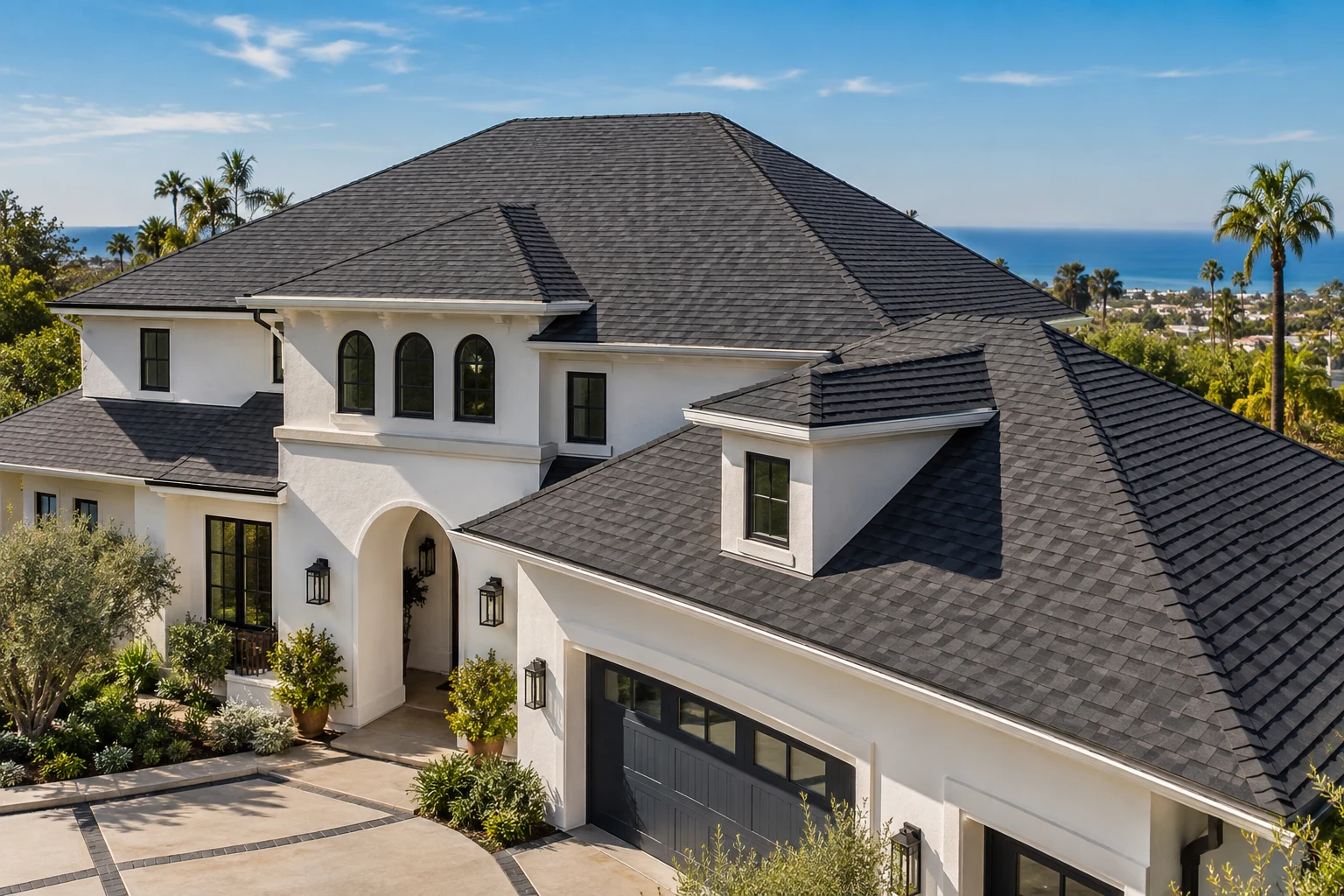
In homes across Moreno Valley, a cool roof means a roofing system specifically designed to reflect more sunlight and absorb less heat than standard roofing. At All Star Roof Replacement, we specialize in residential roof replacements that meet local climate demands, helping homeowners avoid accelerated material wear and high energy bills. Understanding what a cool roof entails is key to ensuring your new roof stands up to Moreno Valley’s intense sun and heat.
Why Cool Roofs Matter Specifically in Moreno Valley’s Climate
Moreno Valley sits in the Inland Empire, where hot, arid conditions combined with intense UV exposure cause typical roofs to age faster than in many other Southern California areas. A common issue during inspections is heat cycling — the constant expansion and contraction of roofing materials — that leads to cracking and asphalt oil leaching. Over time, shingles become brittle and vulnerable to damage, especially when strong Santa Ana winds hit.
To answer why this matters: a cool roof reduces the amount of heat absorbed by the roof surface. This directly lowers attic temperatures, which otherwise spike during summer days and turn your roof into a “heat battery.” As a result, your cooling system doesn’t need to work as hard, helping reduce energy bills while protecting your roof’s structural components from premature failure.
Many homeowners don’t realize that cool roofing is also a code requirement in Moreno Valley. Title 24 mandates cool roofs for replacements covering over half the roof in Climate Zone 10, which includes Moreno Valley. This ensures not only energy efficiency but also the longevity of roofing systems built to withstand our unique climate.
What Problems a Cool Roof Addresses in Moreno Valley Roofing Systems
Cool roofs address several major roofing problems common in Moreno Valley homes. For one, their reflective surfaces reduce heat absorption and protect asphalt shingles from breaking down due to UV rays and thermal stress. This slows the loss of asphalt oils that would otherwise cause shingles to become brittle and cracked early on.
Beyond the surface, cool roof systems include synthetic high-temperature underlayment designed to resist cracking from the relentless summer heat, a problem especially noticeable under tile roofs popular in this region. Additionally, proper attic ventilation—balanced ridge and soffit vents—prevents excessive hot air buildup, reducing moisture risks and wood rot in roof decking.
Fastener backing out and flashing failures are other challenges in Moreno Valley’s harsh conditions. Cool roofs help stabilize surface temperatures, lowering the stress that causes these components to loosen or fail. This full-system approach to roofing is critical when opting for a long-lasting, trouble-free roof replacement.
What Happens If You Ignore Cool Roof Requirements and Benefits
If you don’t account for the benefits and standards of a cool roof, your home will face several risks. Heat buildup inside your attic can increase your cooling costs by up to 20%, a significant hit during Moreno Valley’s long, hot summers. We often see aging roofs with accelerated granule loss leading to cracking, leaks, and widespread damage.
Ignoring synthetic underlayment and ventilation upgrades increases the risk of water intrusion during the winter rainy season. This results in structural damage like rotted decking and even mold growth—common in older roofs that aren’t properly upgraded. Plus, roofs replaced without cool roof materials and system components risk failing final building inspections, leading to costly rework and permit issues.
Many homeowners learn the hard way that compliance with current building codes isn’t just paperwork—it’s critical to protecting your home and investment with a roof designed specifically for Moreno Valley’s climate.
Core Explanation: What Defines a Cool Roof System in Moreno Valley?
At its core, a cool roof system in Moreno Valley combines reflective roofing materials with high-performance underlayment and enhanced ventilation to meet Title 24 standards. Materials must have an aged solar reflectance of at least 0.20 and thermal emittance of at least 0.75, meaning they reflect sufficient sunlight and release absorbed heat effectively.
Common options include cool-rated architectural asphalt shingles, light-colored concrete or clay tiles, and reflective membrane roofing for flat sections. All Star Roof Replacement ensures synthetic underlayments rated for Inland Empire temperatures (up to 300°F) protect your roof deck beneath these surfaces.
Proper installation is vital—balanced ridge and soffit venting must be incorporated to maintain consistent airflow, and flashing needs to be expertly installed to prevent leaks. We perform full decking inspections and replace damaged sheathing to create a complete roofing system that holds up over time.
Cool Roof Component | Purpose | Moreno Valley Benefit
--- | --- | ---
Reflective Shingles or Tiles | Reflect sunlight, reduce heat absorption | Less surface heat, reduced asphalt breakdown
Synthetic High-Temp Underlayment | Protects decking, resists cracking | Lasts longer despite heat cycling and UV exposure
Balanced Ridge/Soffit Ventilation | Promotes attic airflow to cool interior | Prevents attic heat traps and limits moisture build-up
Proper Flashing Installation | Seals roof edges and penetrations | Prevents water intrusion in winter rain
FAQs About Cool Roofs in Moreno Valley
How much does installing a cool roof add to my roof replacement cost?
Cool-rated shingles typically cost $100 to $200 more per roofing square than standard shingles. However, these upfront costs are often offset over time through lower energy bills and reduced roof maintenance needs.
How long do cool roofs last in Moreno Valley?
With quality materials and professional installation, cool roofs can last 20-30 years for asphalt shingles. Tile systems with cool roof benefits often have even longer lifespans, as they handle heat better than traditional roofing.
Can I convert my existing roof into a cool roof during replacement?
Yes. Replacing your roof is the ideal time to specify cool roof materials and include system upgrades such as synthetic underlayment and improved attic ventilation to comply with Title 24 and enhance performance.
Are cool roofs required for all replacements in Moreno Valley?
When replacing over 50% of your roof in Moreno Valley’s Climate Zone 10, Title 24 requires installation of cool roofing products designed to reduce heat absorption and improve energy efficiency.
How do cool roofs help with my home’s energy bills?
Cool roofs reflect more sunlight and reduce heat transfer into your attic, which lowers the demand on your home’s air conditioning. This can reduce your summer energy bills by up to 20%.
Do cool roofs work with tile or just shingles?
Both shingles and tile roofing can have cool roof ratings. Light-colored concrete or clay tiles provide thermal mass benefits and reflectivity, making them a great option alongside cool-rated asphalt shingles.
What ventilation upgrades are needed with a cool roof?
Balanced ridge and soffit vents are critical for flushing hot attic air and preventing moisture build-up. Proper attic ventilation maintains roof deck integrity and maximizes the efficiency of your cool roof system.
Call to Action: Schedule Your Free Cool Roof Inspection in Moreno Valley
At All Star Roof Replacement, we offer free, no-obligation inspections to explain how a cool roof can protect your home and meet local code requirements here in Moreno Valley. Our licensed and experienced roofing crews specialize in residential roof replacements designed for Southern California’s unique climate challenges.
Call us today at (310) 729-3013 or email teamallstarconstruction@gmail.com to schedule your inspection. We’ll provide clear guidance on your options, including detailed cost information and financing availability, so you can make an informed decision with confidence.
Explore more about roof replacement in Moreno Valley or learn about the roof replacement costs before your consultation.