
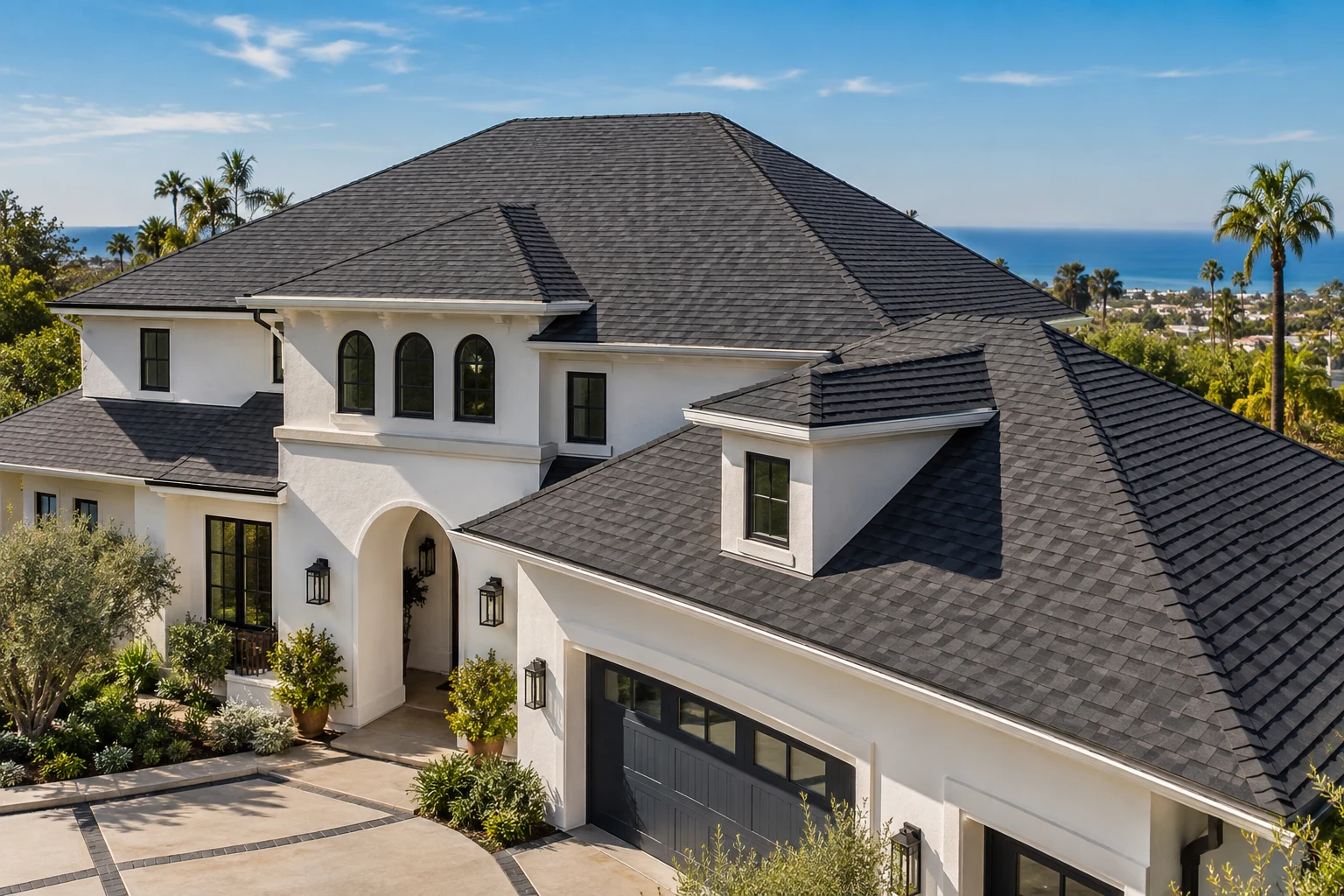
Managing heat in your home starts at the roof, especially here in Moreno Valley where summer temperatures soar and sun exposure is relentless. At All Star Roof Replacement, we specialize in residential roof replacements designed to tackle heat buildup effectively. From selecting the right materials to installing a complete roofing system—including underlayment, decking, flashing, and ventilation—we help homeowners reduce indoor heat and energy costs.
Addressing Heat Issues in Moreno Valley Roofing: Quick Overview
Reducing heat with roofing isn’t just about picking light-colored shingles. It involves the entire roofing system working together to reflect and dissipate heat. In homes across Moreno Valley, we often see that improper ventilation or using standard materials leads to excessive attic temperatures and inflated energy bills.
Choosing roofing materials with high solar reflectance and combining them with synthetic reflective underlayments and balanced ventilation significantly lowers heat transfer into the home. Effective roofing systems can cut cooling expenses by up to 20%, making them an essential investment for southern California homeowners.
If you’re considering a roof replacement in Moreno Valley, it’s important to think beyond just surface materials and focus on the full system for optimal heat reduction.
Why Heat Builds Up in Moreno Valley Roofs
Climate Factors Driving Roof Heat Stress
Moreno Valley experiences extreme heat with summer temperatures frequently climbing above 90°F, coupled with strong UV radiation. These conditions accelerate the breakdown of asphalt shingles and underlayments, especially organic felts that fail faster under sustained heat.
A common issue during inspections is the effect of Santa Ana winds which not only strain roofing structures but also worsen thermal cycling. Multiple heat and cooling cycles cause materials to expand and contract, leading to seam separation and faster deterioration.
The constant “baking” of roofing surfaces turns dark shingles into intense heat sources. These roofs absorb 85% to 95% of solar energy, transferring that heat into the attic and creating uncomfortable interior temperatures.
Roofing System Components That Affect Heat Gain
The roofing system is more than just what you see from outside. Dark asphalt shingles significantly increase heat retention, but attic ventilation and underlayment choices also play critical roles.
Many homeowners don’t realize that traditional organic felt underlayments degrade quickly under Moreno Valley’s heat and lose their insulating properties. Synthetic underlayments with reflective coatings better resist heat flow and protect home structures.
Equally important is attic ventilation. Without balanced ridge and soffit vents, hot air is trapped, raising attic temperatures and reducing shingle lifespan. Proper ventilation serves as a vital heat exhaust system.
To explore these system components in detail, visit our roof replacement process page.
Consequences of Ignoring Heat-Related Roof Issues
Ignoring heat buildup in your roof can have costly consequences. Elevated attic temperatures increase cooling loads, often leading to higher energy bills throughout the summer. In our experience with Moreno Valley homes, excessive heat not only affects comfort but speeds up roofing material degradation.
Heat stress causes premature granule loss on shingles, brittle and cracked tiles, and underlayment failures—resulting in leaks and structural issues. Additionally, flashing failures can allow moisture intrusion, leading to mold and wood rot in the decking.
These problems compound over time, inevitably requiring repeated repairs or full roof replacement. It’s far more practical to address heat management proactively during replacement rather than fix recurring heat-related damage later.
For homeowner guidance on recognizing roofing issues, see our signs that you need a new roof.
How Roofing Systems Help Reduce Heat in Moreno Valley Homes
Using Cool Roof Materials to Reflect Solar Heat
California Title 24 requires cool roofs in Moreno Valley by setting minimum aged solar reflectance and thermal emittance standards. Meeting these reduces heat absorbed by roofing materials and improves indoor comfort.
Cool-rated asphalt shingles incorporate specialty granules that reflect a higher percentage of sunlight. These roofs can stay up to 30°F cooler than standard shingles, significantly lowering attic temperatures. Similarly, concrete and clay tile roofs offer thermal mass benefits by slowly releasing absorbed heat during cooler nighttime hours, making them excellent for heat management.
Synthetic underlayments designed for high-temperature stability further limit heat transfer to the decking beneath, extending the roof system’s lifespan.
Attic Ventilation: The Critical Heat Exhaust System
Balanced ventilation is indispensable for comprehensive heat reduction. In many Moreno Valley homes, we find imbalanced or insufficient attic ventilation that traps hot air and moisture. Installing coupled ridge and soffit vents enables continuous airflow, flushing heat out of the attic before it affects living spaces.
Proper ventilation also prevents heat-related issues like fastener back-out and seam separations, preserving roof integrity over time. For southern California’s high-heat environment, ventilation is as crucial as choosing cool roofing materials.
Radiant Barriers and Decking Solutions
Radiant barriers installed on the underside of roof decking or attic floors reflect radiant heat away from living spaces. These barriers, combined with reflective decking coatings, can noticeably improve attic cooling efficiency and reduce heat flow into your home.
During roof replacement, inspecting and upgrading decking is key to ensuring the entire roofing system contributes to effective heat management.
Roof Component | Heat Management Role | Best Practice in Moreno Valley
--- | --- | ---
Shingles/Tiles | Reflect or absorb solar energy | Cool-rated shingles or clay/concrete tiles
Underlayment | Thermal barrier and protection layer | High-temp synthetic reflective underlayment
Decking | Heat transfer substrate | Heat-resistant coatings and solid plywood
Ventilation | Exhausts hot air from attic | Balanced ridge and soffit vents
Learn more about cool roofs at our cool roof page and about our full energy-efficient roofing solutions.
FAQs About Reducing Heat with Roofing in Moreno Valley
How much can a cool roof reduce my home’s cooling costs in Moreno Valley?
Cool roofs can lower attic temperatures by up to 30°F, reducing cooling bills by roughly 10% to 20%, depending on your home’s design and ventilation.
Are tile roofs better at reducing heat than asphalt shingles?
Yes. Concrete and clay tile roofs have high thermal mass, absorbing daytime heat and releasing it slowly at night, which reduces overall heat transfer into the attic compared to asphalt shingles.
What role does attic ventilation play in heat reduction?
Proper attic ventilation—balanced ridge and soffit vents—removes hot air and moisture, preventing heat buildup and extending the life of roofing materials by reducing thermal stress.
Can underlayment type affect heat retention under my roof?
Absolutely. High-temperature synthetic underlayments withstand heat better and reduce heat conduction more effectively than traditional organic felt, enhancing overall roof thermal performance.
Does reroofing (adding a layer) help with reducing heat?
No. Adding a second shingle layer traps heat, accelerates shingle degradation, and violates California code limiting two layers. Full replacement with a cool roof system is the recommended approach.
How long do cool roof materials last in Moreno Valley?
Cool-rated architectural shingles typically last 25 to 30 years. Tile roofs can last 50+ years when properly installed and ventilated.
Is a radiant barrier worth installing during a roof replacement?
Yes. Radiant barriers reflect radiant heat away from the attic, complementing cool roofs and ventilation to reduce heat and lower energy costs.
Contact All Star Roof Replacement for Expert Roof Replacement and Heat Reduction Solutions in Moreno Valley
At All Star Roof Replacement, we understand the unique roofing challenges posed by Moreno Valley’s hot, sun-exposed climate. Many homeowners don’t realize that effective heat reduction requires a full roofing system replacement, not just a surface fix. Our team offers thorough inspections and honest evaluations focused on heat management improvements tailored to your home.
We provide no-obligation phone consultations and personalized estimates. Whether you’re dealing with an aging roof, frequent leaks, or rising energy costs, we can recommend the right system replacement to keep your home cooler and protect your investment.
Call us at (310) 729-3013 or email teamallstarconstruction@gmail.com to schedule your inspection. Discover why homeowners across Moreno Valley trust All Star Roof Replacement for durable, energy-efficient roof replacements designed for Southern California’s climate.
Learn more about our roof replacement services in Moreno Valley and the roof replacement process that ensures lasting performance. We also offer detailed information on roof warranty options to give you peace of mind.