
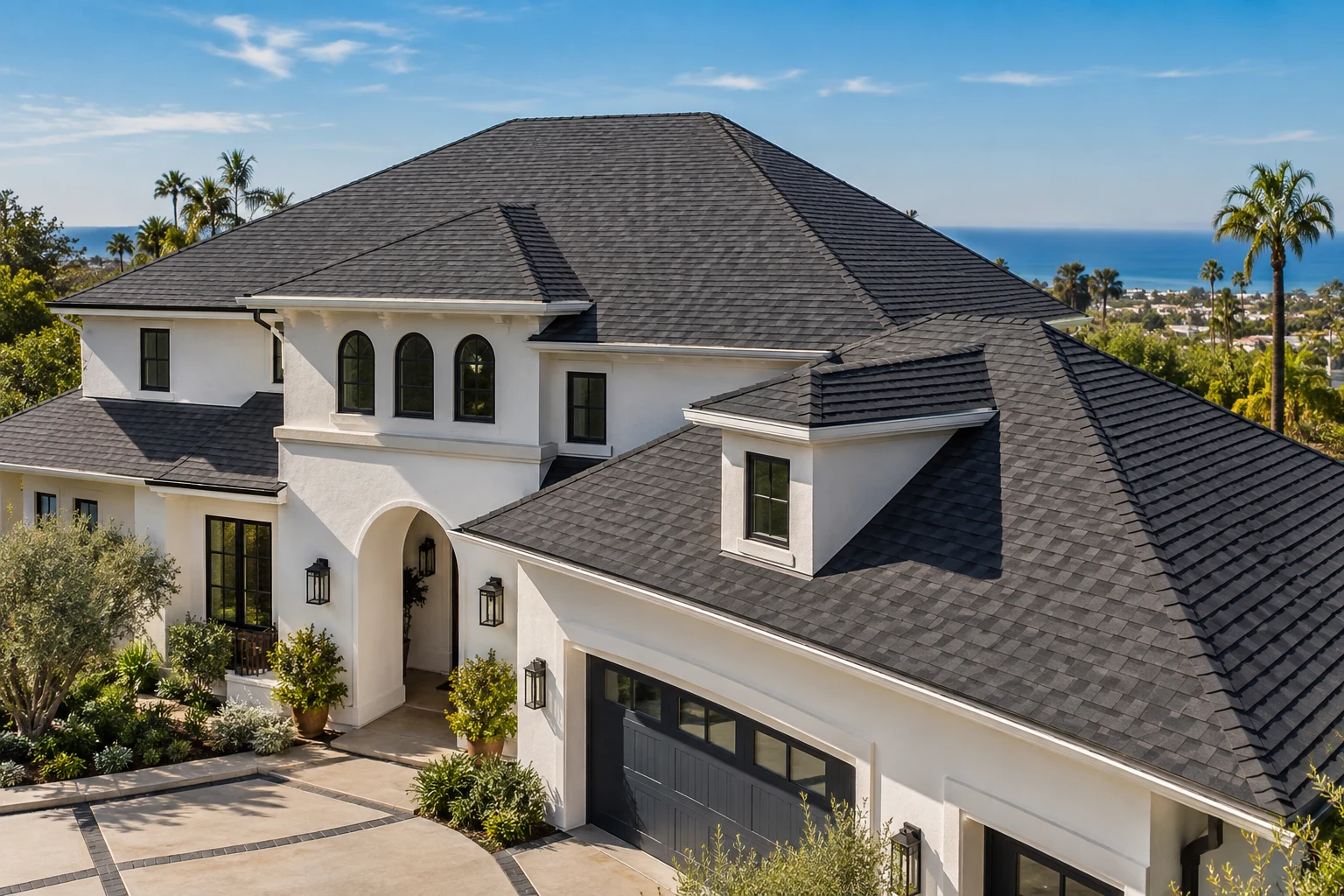
In Riverside, a cool roof is a roofing system designed to reflect more sunlight and release more absorbed heat than a standard roof, which helps reduce heat buildup on and inside the home. All Star Roof Replacement explains cool roofs as a full-system roofing solution, not just a color choice or a single product, because in Riverside the real issue is often deeper roof system wear caused by age, heat, and previous installation problems.
That distinction matters in the Inland Empire. Riverside homes deal with stronger inland heat, long UV exposure, seasonal wind, and many older roof systems that are already near the end of their service life. What looks like a simple heat problem from the ground can actually be underlayment failure, poor ventilation, aging decking, or a roof assembly that no longer performs as a system.
If you are comparing roofing concerns in your area, our Riverside roof replacement page explains how local climate, roof age, and replacement decisions connect.
What a cool roof actually means
A cool roof is built to reduce solar heat gain. It does that by using roofing materials with higher solar reflectance and thermal emittance, which means the roof surface takes on less heat and sheds heat more effectively than a conventional roof.
The direct answer is this: a cool roof is not just a lighter-looking roof. It is a roof system designed to manage heat better, and in Riverside that usually means the material choice, ventilation design, underlayment, flashing details, and installation quality all need to work together.
Many homeowners don’t realize that a roof can seem like it only has a surface heat problem when the bigger issue is underneath. If the roofing system is old or failing, putting a reflective surface on top of it does not correct hidden problems below the outer layer.
That is why All Star Roof Replacement evaluates the full roofing system before recommending replacement. We are not guessing based on appearance from the street. We use satellite measurements and visual inspection to understand what the roof is actually doing and whether a cool roof approach makes sense as part of a full replacement.
Why cool roofs matter more in Riverside
Riverside is not dealing with mild coastal weather. Inland heat stays stronger for longer, summer temperatures regularly climb high, and roof surfaces take direct sun day after day. That constant heat load accelerates wear on older roofing systems and increases the amount of heat that can transfer into the attic and living space.
The clear answer is simple: Riverside roofs age faster because of heat and UV exposure. Even when a roof is not actively leaking yet, prolonged sun exposure can dry out materials, weaken sealants, break down underlayment over time, and make the home harder to keep cool.
In homes across Riverside, we often see homeowners first ask about energy bills or hot upstairs rooms, then find out the roof itself is part of the reason. Once roofing materials begin to deteriorate, the home can lose both weather protection and thermal performance at the same time.
A common issue during inspections is a roof that still looks passable from the ground but has clear signs of heat-related aging up close. Shingles may be brittle, tile underlayment may be dried out, penetrations may be loosening, and attic ventilation may be insufficient for Riverside’s climate.
That is why a cool roof matters here. In the right replacement situation, it can help reduce heat gain and improve comfort. But if the existing roof system is already failing, the real solution is not just “cooler material.” The solution is replacing the roof system correctly.
Why older Riverside homes are more likely to need this conversation
Riverside has a large number of homes built decades ago, and many still have roofing systems that are 15 to 30 years old or more. That matters because age changes the question from “What material do I want?” to “Is my current roof system still structurally and functionally sound?”
The direct answer is this: older roofs in Riverside often have layered problems. The exposed roofing may show visible wear, but the bigger failures are often in the underlayment, ventilation setup, flashing transitions, and decking condition.
Many homeowners don’t realize that tile roofs can be especially misleading. The tile itself may still be sitting in place, but the waterproof layer underneath may already be brittle, cracked, or worn out from years of inland heat. The roof can look solid from outside while the system below it is no longer dependable.
In homes across Riverside, we often see this same pattern with older shingle systems too. Granules wear off, shingles lose flexibility, sealant strips weaken, and the roof becomes more vulnerable to both heat and wind. By the time leaks show up inside, the deterioration has usually been developing for a while.
That is the reason cool roof discussions often lead into replacement discussions. If the house is harder to cool and the roof is already aging out, the smart move is to evaluate whether the home needs a full system replacement rather than another short-term fix.
A cool roof is about performance, not just appearance
Some homeowners assume a cool roof just means a white roof or a lighter color. In reality, cool-roof performance is based on tested material properties, code compliance, and how the full assembly is installed.
Here is the practical answer: a cool roof works because it helps reduce heat absorption, but it only performs well when the rest of the roof system is sound. If the decking is compromised, the underlayment is failing, or the ventilation is poorly designed, material reflectivity alone will not solve the broader problem.
In Riverside, that matters because the roof affects more than exterior appearance. It affects attic temperature, cooling demand, indoor comfort, and how fast the whole roofing system continues to wear. A roof that runs hotter can add strain to the house over time, especially during long summer periods.
Many homeowners don’t realize the roof is tied directly to energy efficiency. When heat builds up at the roof surface and in the attic, your HVAC system has to work harder to maintain indoor temperature. That is one reason older failing roofs often show up as both comfort complaints and utility cost concerns.
If you are comparing options beyond the basic definition, our energy-efficient roofing page for Riverside explains how roofing decisions affect long-term performance.
What usually causes the problem in the first place
When homeowners search for a cool roof, they are usually responding to symptoms. The home feels hotter, cooling bills are climbing, rooms are uneven in temperature, or the roof has already had repairs and still does not feel right.
The direct answer is this: the problem is often not just excess surface heat. It is an aging roof system, poor ventilation, hidden moisture intrusion, or previous installation work that did not address the roof as a complete assembly.
A common issue during inspections is finding that previous work only treated visible symptoms. A leak may have been patched. A few shingles may have been replaced. A broken tile may have been swapped out. But none of that tells you whether the underlayment below has reached the end of its life or whether the roof deck is still in solid condition.
In homes across Riverside, we often see recurring leaks and cooling complaints tied together. That is not unusual. If ventilation is poor and the roofing system is aging, heat builds up faster, materials deteriorate faster, and weak points around flashing and penetrations become more likely to fail.
That is also why delays usually increase total cost. Once a roof system is failing internally, waiting tends to allow more damage to spread into the deck, insulation, fascia, or interior areas of the home.
Why surface-level fixes often miss the real issue
Riverside homeowners are often trying to figure out whether they need a repair, a cool roof upgrade, or a full replacement. The answer depends on the actual condition of the roof, but many roofing problems are not surface-level.
The answer every homeowner should understand is this: visible roofing material is only one part of the system. A roof may show fading, granule loss, cracked tile, or hot interior rooms, but the real failure may be in components you cannot see from the ground.
Underlayment breakdown is a major example. On older tile roofs in Riverside, the tile may still be present while the underlayment below has dried out from years of heat. On older shingle roofs, the top layer may show obvious aging, but the larger concern may be trapped heat, failing flashing details, or soft decking from long-term moisture exposure.
Many homeowners don’t realize that repeated repairs can hide the progression of a larger roof failure. A patched roof may seem manageable for a while, but if the surrounding system is worn out, the house keeps moving toward replacement anyway.
If you are weighing that decision now, our Riverside roof repair or replacement guide gives a clearer breakdown of when spot work stops making financial sense.
What happens if the issue is ignored
Roofing issues rarely stay in one place. In Riverside, heat exposure continues almost year-round, and that constant stress keeps moving deterioration forward even when the roof is not leaking heavily yet.
The short answer is this: if a worn roof system is ignored, you usually end up with more than a roofing problem. You can end up with deck repairs, insulation damage, interior staining, higher cooling costs, and a more expensive replacement project later.
A common issue during inspections is seeing homes where the first warning signs were heat-related, not leak-related. The owner noticed hotter rooms or longer AC run times, but the roof system had already begun breaking down. By the time water intrusion became obvious, the project scope had grown.
In homes across Riverside, we often see that delay creates two losses at once. The home stays less efficient during hot weather, and the eventual replacement can involve more repair work because the failing system was allowed to keep deteriorating.
Your roof affects both protection and energy performance. If the system is no longer doing either job well, the right next step is not to guess. It is to evaluate the full roof and determine whether a proper cool-roof replacement is the better long-term solution.
How All Star Roof Replacement looks at a cool roof question
When homeowners ask All Star Roof Replacement what a cool roof is in Riverside, we answer the question directly, but we also look at what is driving the question. Is the goal lower heat gain? Is the roof old? Are there repeated leaks? Has previous work already failed? Those details matter because every roof is different.
The direct answer is this: the right cool roof solution depends on the condition of the whole system, not just the top layer. A cool roof can be a smart part of a replacement, but only after the roof is evaluated for hidden issues like underlayment wear, deck problems, and ventilation deficiencies.
We look beyond the surface because that is where many real roofing problems are found. Our process uses satellite measurements and visual inspection to understand the roof accurately, then explain what we are seeing in plain language before recommending replacement.
Many homeowners don’t realize how often installation quality determines long-term results. Material matters, but workmanship matters just as much. A reflective roof that is poorly installed will not perform the way it should, and a replacement that ignores ventilation or waterproofing details will not solve the bigger problem.
If your home already shows signs of age, high heat exposure, or recurring roof issues, understanding what a cool roof is should really lead to one bigger question: whether your current roof system is still sound enough to protect the house and support better energy performance over time.
How a cool roof fits into a full roof replacement
The clear answer is this: in Riverside, a cool roof makes the most sense when it is part of a properly planned roof replacement, not when it is treated like a simple surface upgrade. All Star Roof Replacement looks at cool-roof performance as one part of the larger system that protects the house from heat, water intrusion, and long-term wear.
That matters because a roof replacement is more than removing old shingles or lifting tile and putting new material back down. A complete replacement can involve tear-off, inspection of the roof deck, updated underlayment, new flashing details, ventilation improvements, and then the installation of roofing materials that are appropriate for Riverside’s heat and code requirements.
In practical terms, a cool roof helps reduce heat gain, but the underlayment is what helps keep water out, the decking is what supports the assembly, and the ventilation is what helps the roof dry and perform correctly over time. If one of those parts is failing, the roof does not act like a complete system anymore.
In homes across Riverside, we often see homeowners focus first on the visible layer because that is the part they can recognize. But once the old roof is removed, the real condition of the system becomes much clearer. That is why All Star Roof Replacement does not recommend replacement based on guesswork. We evaluate what the roof actually needs before explaining the next step.
If you want to understand how this ties into installation planning, our Riverside roof replacement process page breaks down what happens during a full system replacement.
What materials can be part of a cool roof in Riverside
The short answer is that a cool roof can be built with different roofing materials, as long as the full system is designed and installed correctly for the home. All Star Roof Replacement helps homeowners understand that the best choice depends on roof shape, home style, existing structure, and the condition of the current system.
For many Riverside homes, cool-roof options may include reflective architectural shingles, properly designed tile systems, or cool-rated membranes on low-slope areas. The important point is not just the category of material. It is whether that material fits the home and whether the replacement is being done in a way that addresses the underlying problems.
Architectural shingles are common because they work well on many residential roof designs and can be selected in energy-conscious options that are better suited for inland heat. Tile roofs remain common throughout Riverside, especially on Spanish and Mediterranean-style homes, but the tile itself is only one part of the assembly. On many older tile roofs, the tiles may still be reusable in appearance while the underlayment below has already failed from heat and age.
Low-slope or flat sections are a separate issue. These areas usually need a different roofing approach than the main pitched roof. A common issue during inspections is finding a house with multiple roof types, where one section is aging differently than another. That is another reason a cool roof conversation has to stay tied to the full roof system, not just one material choice.
If you are comparing surface options for your home style, our guide to the best roofing materials in Riverside explains how different systems perform in local conditions.
Why installation quality matters as much as the material
The direct answer is simple: even a good cool-roof product will not perform well if the roof replacement is installed poorly. All Star Roof Replacement treats installation quality as a major part of roof performance because poor workmanship is one of the most common reasons homeowners keep dealing with leaks, heat issues, and premature roof failure.
In Riverside, that shows up in a few predictable ways. Flashing around penetrations may be handled poorly. Ventilation may be left unbalanced. Underlayment may not be appropriate for the heat exposure. Fastener patterns may be inconsistent. Valleys and transitions may not be detailed correctly. Those are not small details. They are the parts of the replacement that determine whether the roof performs well over time.
Many homeowners don’t realize that two roofs with similar-looking materials can perform very differently based on how they were installed. That is especially true in Southern California, where long sun exposure, sudden seasonal rain, and Santa Ana wind events put stress on the entire assembly.
Poor installation leads to long-term issues because water rarely enters where homeowners expect. It often gets in through transitions, penetrations, edges, or under aged materials that were not replaced correctly. Heat performance can also suffer when the roof system is not ventilated properly or when replacement work only addresses the visible top layer.
That is why All Star Roof Replacement explains findings clearly before recommending replacement. If the roof has hidden issues, we show what is driving the problem so the homeowner understands why the replacement needs to be done a certain way.
How cool roofs relate to energy use and indoor comfort
The short answer is that a cool roof can help reduce attic heat buildup and improve indoor comfort, especially in Riverside’s inland climate. But the best results happen when the reflective roofing surface is combined with a sound roof assembly and ventilation that actually supports heat control.
Homeowners usually notice the issue before they know the reason for it. Upstairs rooms feel hotter. The AC runs longer in the afternoon. Certain parts of the home stay uneven in temperature. Those signs can point to heat gain through the roof, but they can also point to an older roof system that is no longer performing well.
In homes across Riverside, we often see that comfort complaints and roof-age concerns overlap. A roof that has been baking in the sun for 20 years or more may not just be worn cosmetically. It may be allowing more heat into the attic while also nearing failure in its waterproofing layers.
A cool roof is helpful because it addresses one side of the problem: reducing heat absorption. But if attic ventilation is poor or the roofing system underneath is failing, the improvement may be limited. That is why replacement decisions should be based on the whole roof, not just the hope that a reflective surface will solve every heat issue on its own.
If lowering heat gain is part of your goal, our Riverside page on reducing heat with roofing goes further into how roofing choices affect comfort and cooling demand.
What Riverside homeowners should know about code and compliance
The direct answer is this: in Riverside, cool-roof performance is not just a preference issue. It is often tied to California energy-code requirements, which is one reason roof replacement has to be planned carefully and documented correctly.
Most homeowners are not expected to know the details of Title 24 requirements, but they should know that replacement work in Riverside is not simply about choosing any material that looks good. Depending on the roof type and project scope, the installed system may need to meet energy-efficiency standards that affect what products are appropriate.
That does not mean every house gets the same answer. Every roof is different. Slope, design, ventilation, existing structure, and roofing type all matter. The key point is that cool-roof discussions in Riverside are tied to real performance standards, not just marketing language.
A common issue during inspections is homeowners being told about a product benefit without getting a clear explanation of how that choice fits the actual roof. All Star Roof Replacement takes the more practical approach: evaluate the roof, identify the hidden issues, and then recommend a replacement approach that makes sense for the house and the local environment.
Decision clarity: when replacement makes more sense than repair
The short answer is that replacement usually makes more sense when the roof is older, has recurring leaks, has widespread heat-related wear, or shows signs that the system below the surface is breaking down. All Star Roof Replacement focuses on this decision point because many Riverside homeowners are not dealing with one isolated issue. They are dealing with a roof that is aging out as a system.
Repair can make sense on a newer roof with a truly limited problem in one area. But if the roof is 15 to 30 years old, has already had multiple repairs, or continues to create comfort and leak concerns, patching often becomes temporary spending instead of a lasting solution.
Here is what usually points more toward replacement than repair:
- Recurring leaks in different areas
- Older shingles that are brittle, curling, or losing granules
- Tile roofs with aging or failed underlayment beneath intact-looking tile
- High attic heat and uneven indoor temperatures tied to roof age
- Visible wear combined with signs of previous patchwork
- Suspected deck or flashing issues that cannot be solved by surface repair alone
Delaying increases cost when the roof is already failing internally. What starts as a heat-performance question can become underlayment replacement, deck repair, fascia repair, insulation damage, or interior staining if the issue is left to keep progressing.
If you are trying to make that call now, our Riverside signs-you-need-a-new-roof guide can help you compare your roof’s condition with what full system failure usually looks like.
What a good roofing decision looks like for a Riverside homeowner
The direct answer is this: a good decision is one based on the actual condition of the roof, not just the visible symptoms or the lowest short-term option. All Star Roof Replacement helps homeowners make clearer decisions by showing whether the problem is mainly surface-level or whether the full system is wearing out.
A good decision usually means stepping back and asking a few practical questions. How old is the roof? Have there been repeated repairs? Are indoor comfort issues getting worse? Is the home harder to cool than it used to be? Does the roof still have enough system life left to justify another repair?
If the answer points toward broad wear, hidden underlayment issues, or a roof that has already passed through multiple repair cycles, then replacement is often the smarter long-term move. Not because replacement is always the first answer, but because an aging roof system usually does not become more reliable with more patching.
Not all contractors are equal when it comes to this decision. The right evaluation should explain what is visible, what may be hidden, and why the recommendation makes sense for that specific roof. That is especially important in Riverside, where heat-related deterioration can make a roof look better from the ground than it really is.
If cost planning is part of your decision, our Riverside roof replacement cost page explains what typically affects project pricing without reducing the conversation to a one-size-fits-all quote.
Frequently asked questions about cool roofs in Riverside
Does a cool roof mean I need a specific color?
No. A cool roof does not simply mean white or very light colored roofing. It means the roofing system uses materials rated to reflect more sunlight and release heat more effectively than standard options.
The color can play a role, but material design, product rating, and how the roof is installed matter more than appearance alone.
How much does a cool roof replacement cost in Riverside?
The short answer is that pricing depends on the roof’s size, slope, material type, tear-off requirements, and whether hidden issues like damaged decking or ventilation upgrades are found. There is no responsible fixed price without evaluating the actual roof.
In Riverside, full replacement costs are shaped by system condition as much as materials. If the roof has multiple layers, poor access, or underlying damage, the scope changes. That is why All Star Roof Replacement evaluates the full roof before discussing replacement recommendations.
How long does a cool roof replacement take?
For most homes, the on-roof installation portion may take several days, but the full timeline can be longer once permitting, scheduling, material ordering, tear-off, inspection, and final details are included. The exact schedule depends on the roof design and the amount of repair needed once the old materials are removed.
If you want a fuller breakdown, our Riverside roof replacement timeline page explains what homeowners should expect before and during the project.
Can my current roof be repaired instead of replaced?
Sometimes yes, but only if the issue is limited and the rest of the roof system is still in good condition. If the roof is older, has recurring leaks, or shows broad heat-related wear, repair often becomes short-term relief instead of a lasting fix.
In Riverside, many roofs that seem repairable from the ground turn out to have deeper underlayment, flashing, or decking problems once inspected more closely.
How long should a roof last in Riverside’s climate?
The direct answer is that Riverside heat usually shortens roof life compared with milder areas. Shingle roofs often wear out sooner under long-term inland sun exposure, while tile roofs can last longer on the surface but still require underlayment replacement underneath.
That is why lifespan depends on more than the visible roofing material. Ventilation, installation quality, and heat exposure all affect how long the system holds up. Our Riverside roof lifespan page goes deeper into what homeowners should realistically expect.
Do cool roofs help enough to be worth it in Riverside?
For many homes, yes, especially when the roof is already due for replacement and the homeowner wants better heat performance. A properly chosen cool-roof system can help reduce heat gain and improve comfort in Riverside’s climate.
But it is worth it only when the rest of the roof system is sound or being replaced correctly at the same time. A reflective surface alone does not solve hidden roof failure.
Should I get an inspection if I am mainly worried about heat, not leaks?
Yes. Heat complaints are often one of the first signs that an older roof system is no longer performing well. You do not need to wait for a major leak to find out the roof is wearing out.
If you are deciding whether it is time to evaluate the roof, our Riverside roof inspection cost page can help you understand what inspection discussions usually involve.
Talk to All Star Roof Replacement about your Riverside roof
If you are trying to figure out whether a cool roof makes sense for your home, All Star Roof Replacement can help you understand the condition of the full roofing system before you decide what to do next. We look beyond the surface, identify hidden issues where possible, and explain whether your Riverside home is dealing with a heat-performance problem, an aging roof system, or both.
If you would like to talk through your roof replacement options, contact All Star Roof Replacement by phone at (310) 729-3013, by email at teamallstarconstruction@gmail.com, or through our contact page.
Licensed • Insured • Owens Corning Preferred Contractor • CA License #1009760