
Prices and performance figures in this guide are planning examples, not a project quote or a promise of savings. Your estimate and results depend on the products, installation scope, existing home, climate, and energy use.
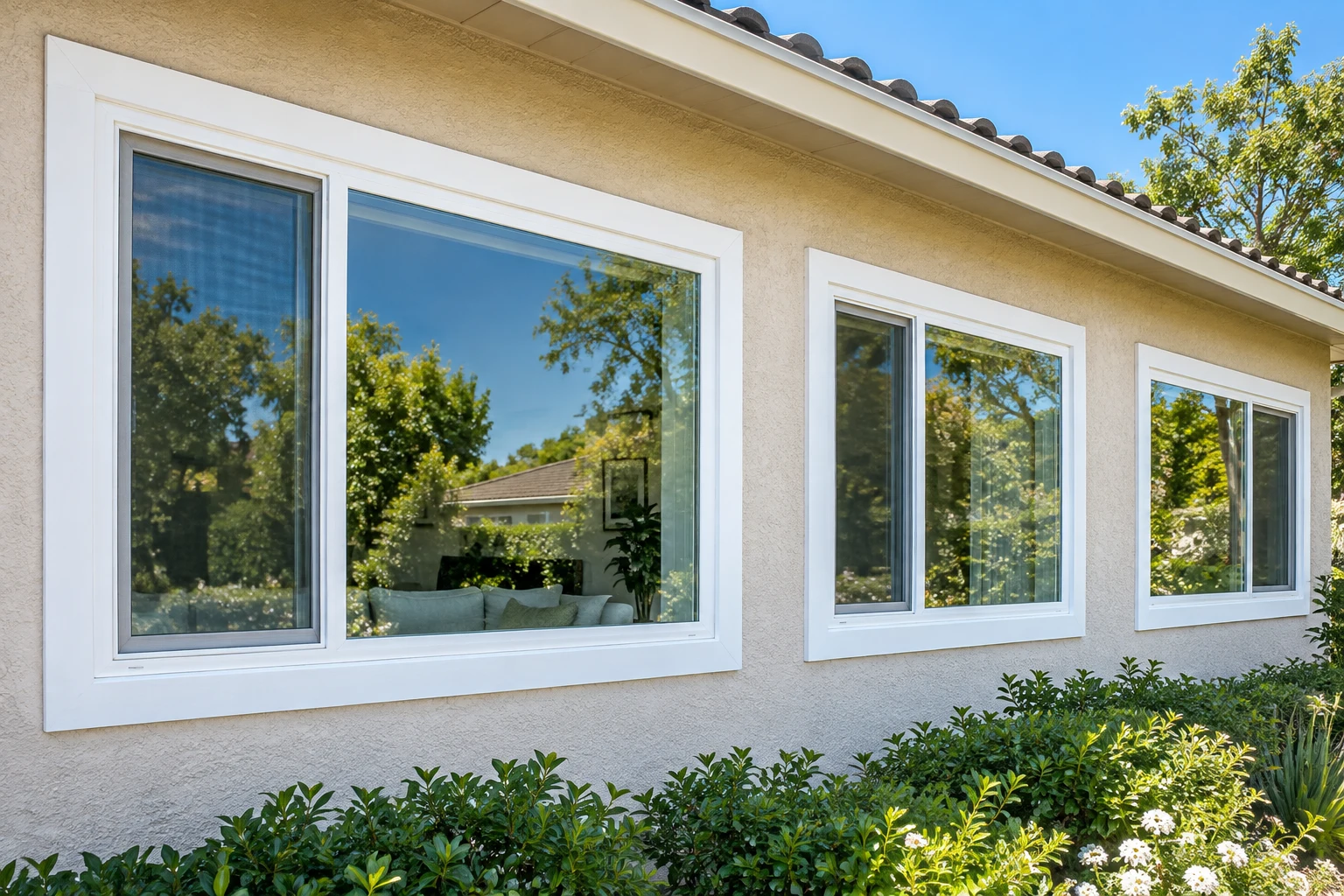
The best windows for blocking heat in Ontario are those with Low-E glass, low solar heat gain (SHGC) ratings, and properly sealed dual-pane construction. These features reduce how much solar heat enters your home through the glass.
At Total Home Windows, we see this every day in Ontario homes—if your house feels hot even with the AC running, the issue is often your windows, not your cooling system. Older or inefficient windows allow heat to pass through constantly, forcing your AC to work harder without ever solving the root problem.
For a broader look at how this affects homes in your area, visit our Ontario window replacement guide, where we break down why heat control starts at the window level.
Why Heat Comes Through Windows in Ontario Homes
Ontario experiences long periods of direct sun, especially during summer months when temperatures regularly climb into the 90s and beyond. That heat doesn’t just stay outside—it passes directly through your windows.
The glass in your windows acts like a filter. If it’s outdated or not designed for heat control, it allows solar radiation to enter and build up inside your home.
Short answer: Heat comes through windows because older glass and frames don’t block solar energy—they let it pass through and trap it indoors.
In homes across Ontario, we often see the same pattern: rooms with direct sun exposure—especially west-facing—become significantly hotter than the rest of the house. The AC runs longer, but those rooms never fully cool down.
A common issue we find is that homeowners assume their HVAC system is underperforming, when in reality, heat is constantly entering through inefficient windows.
If that sounds familiar, this page on why homes stay hot even with AC in Ontario explains the problem in more detail.
What Actually Blocks Heat in a Window
Not all windows block heat the same way. The ability to stop heat depends on a combination of glass technology, coatings, and installation quality—not just the brand or price.
Short answer: Windows block heat by reflecting solar radiation, reducing heat transfer, and sealing out hot air.
The key components that make this possible include:
- Low-E glass coatings that reflect infrared heat
- Low SHGC ratings to limit solar heat gain
- Dual-pane construction that slows heat transfer
- Insulated frames that reduce thermal conductivity
- Proper installation that prevents air leaks
Each of these plays a role, but the glass itself is the most important factor when it comes to blocking heat.
This is why simply replacing windows without understanding their performance ratings can lead to disappointing results.
Low-E Glass: The Most Important Feature for Heat Blocking
If your goal is to reduce heat, Low-E glass is essential.
Low-E (low emissivity) coatings are microscopically thin layers applied to the glass that reflect heat while still allowing natural light to pass through. This keeps your home brighter without the added heat.
Short answer: Low-E glass blocks heat by reflecting solar energy away from your home instead of letting it pass through.
In Ontario homes, the right Low-E configuration can:
- Reduce indoor temperatures during peak sun hours
- Limit heat buildup near windows
- Reduce UV damage to floors and furniture
- Improve overall comfort without overworking your AC
However, not all Low-E coatings are the same. Some are designed for colder climates and won’t perform well in Southern California heat.
To understand the difference, visit our page on Low-E windows in Ontario.
Why SHGC Matters More Than Most Homeowners Realize
The Solar Heat Gain Coefficient (SHGC) is one of the most important numbers when choosing windows in Ontario.
SHGC measures how much solar radiation passes through a window. The lower the number, the less heat enters your home.
Short answer: Lower SHGC = less heat entering through your windows.
This becomes especially important for:
- West-facing windows with intense afternoon sun
- South-facing windows with all-day exposure
- Rooms that consistently feel warmer than others
In homes across Ontario, we often see high SHGC windows causing uneven temperatures—where one side of the house feels comfortable and another feels noticeably hotter.
Choosing the right SHGC rating helps stabilize indoor temperatures and reduces the load on your cooling system.
Dual-Pane Windows vs Older Windows
If your home still has single-pane windows or older aluminum frames, they are likely a major source of heat gain.
Dual-pane windows use two layers of glass with an insulating space in between, which significantly reduces heat transfer.
Short answer: Dual-pane windows block more heat than single-pane by slowing down how quickly heat moves through the glass.
Compared to older windows, dual-pane systems can:
- Reduce heat entering your home
- Improve temperature consistency
- Reduce AC usage
- Make rooms near windows more comfortable
In Ontario, triple-pane windows are usually not necessary. A properly designed dual-pane window with the right Low-E coating and SHGC rating is typically the most effective and practical solution.
If you’re evaluating your options, our window replacement in Ontario page explains how to choose the right system for your home.
Frame Materials and Their Impact on Heat
While glass does most of the work, the window frame still plays a role in overall performance.
Short answer: Better-insulated frames reduce heat transfer around the edges of the window.
Common frame materials include:
- Vinyl: Good insulation, cost-effective, low maintenance
- Fiberglass: Strong, durable, and highly energy-efficient
- Aluminum: Conducts heat easily unless thermally improved
A common issue we find in Ontario homes is older aluminum frames that become hot to the touch during the day, transferring that heat directly indoors.
Upgrading to insulated vinyl or fiberglass frames helps reduce that heat transfer and improves overall performance.
Installation Quality Is What Makes or Breaks Performance
Even the best heat-blocking window will fail if it’s not installed correctly.
Gaps, poor sealing, or improper fitting allow hot air to enter around the window, reducing the effectiveness of the glass.
Short answer: Proper installation ensures your windows actually block heat instead of letting it leak inside.
In homes across Ontario, we often see newer windows that still allow heat in—not because the window is bad, but because the installation was rushed or incomplete.
This is why at Total Home Windows, we don’t just install—we first measure where heat is entering and show you exactly what’s happening at the window level before recommending a solution.
Which Windows Work Best for Different Heat Problems?
Not every heat issue in Ontario homes comes from the same place, which means the right window solution depends on how and where heat is entering.
Short answer: The best heat-blocking window is the one matched to your home’s sun exposure, glass size, and existing window condition.
From what we see in the field, most overheating problems fall into a few predictable categories:
- West-facing rooms: These get intense afternoon sun and benefit from low SHGC glass with strong Low-E coatings
- Large living room windows or sliders: Require dual-pane Low-E glass with tighter seals to reduce radiant heat
- Older aluminum frames: Need full replacement with insulated vinyl or fiberglass to stop heat transfer
- Uneven temperatures between rooms: Often caused by inconsistent window performance across the home
- Whole-home heat buildup: Usually a combination of poor glass and air leakage
One thing we consistently observe in Ontario homes: the hottest rooms are almost always the ones with the most direct sun exposure and the weakest window performance. Once those windows are upgraded properly, the temperature difference becomes immediately noticeable.
Do Heat-Blocking Windows Actually Lower Energy Bills?
They can—but the bigger impact is usually comfort first.
Short answer: Yes, heat-blocking windows reduce energy use by lowering how often your AC needs to run.
When solar heat is reduced at the glass level, your home stays cooler longer. That means:
- Your AC cycles less frequently
- Cooling becomes more consistent across rooms
- Peak daytime heat is easier to manage
However, energy savings depend on how inefficient your current windows are. Homes with single-pane or older aluminum windows tend to see the biggest improvement.
If you’re evaluating long-term savings, this breakdown of how new windows reduce energy bills in Ontario explains what to realistically expect.
In many cases, homeowners call us because of high energy bills—but what they really want is a house that feels comfortable without constantly adjusting the thermostat.
What Most Homeowners Get Wrong About “Heat-Blocking” Windows
There’s a lot of confusion around what actually makes a window effective in hot climates like Ontario.
Short answer: The biggest mistakes are focusing on brand or price instead of performance specifications.
Common issues we see include:
- Choosing windows without checking SHGC ratings
- Installing glass designed for colder climates
- Assuming all dual-pane windows perform the same
- Prioritizing frame material over glass performance
- Overlooking installation quality entirely
We’ve inspected homes where “new windows” were installed, but the house still felt hot. In most cases, the wrong glass package was used, or the installation left small gaps that allowed heat to enter.
This is exactly why Total Home Windows measures heat at the window level before making recommendations. Without that step, it’s easy to invest in windows that don’t solve the actual problem.
What to Expect After Replacing Heat-Problem Windows
When the right windows are installed correctly, the results are usually immediate—but they’re also specific.
Short answer: You should expect cooler rooms, more even temperatures, and less strain on your AC—not a drastic drop in temperature overnight.
Here’s what typically changes:
- Rooms with direct sun feel noticeably less intense
- Temperature differences between rooms decrease
- AC runs more efficiently and cycles less often
- Hot spots near windows are reduced
One thing we often point out during installs: homeowners expect the entire house to feel different instantly, but the biggest improvement is usually in the problem areas—the rooms that were previously uncomfortable.
Over time, those improvements translate into a more stable indoor environment overall.
Should You Replace All Windows or Just Problem Areas?
This is one of the most common decisions homeowners face.
Short answer: You don’t always need to replace every window—start with the ones causing the most heat gain.
In Ontario homes, we often recommend prioritizing:
- West- and south-facing windows
- Large glass areas like living rooms
- Rooms that are consistently hotter than others
From there, some homeowners choose to phase the project over time, while others move forward with full-home replacement for consistency and long-term performance.
If you’re unsure which route makes sense, this guide on whether to replace all windows or not walks through the decision.
Are Heat-Blocking Windows Worth It in Ontario?
Given Ontario’s long, hot summers and strong sun exposure, windows play a major role in indoor comfort.
Short answer: Yes—if your home has heat issues, upgrading your windows is one of the most effective ways to fix it at the source.
The value shows up in:
- Reduced indoor heat buildup
- More comfortable living spaces
- Less reliance on constant AC use
- Improved long-term energy performance
But the key is getting the right combination of glass, frame, and installation—not just replacing windows for the sake of it.
That’s where Total Home Windows takes a different approach. We don’t start with products—we start by showing you where heat is entering your home and why.
Related Window Answers in Ontario
- Energy-efficient windows in Ontario
- Dual-pane vs triple-pane windows in Ontario
- Vinyl vs fiberglass windows in Ontario
- How long window installation takes in Ontario
Frequently Asked Questions About What Windows Block Heat Best in Ontario
How much do heat-blocking windows cost in Ontario?
Most homeowners can expect between $800 and $1,200 per window, depending on size, materials, and glass type. Full-home projects typically range from $10,000 to $25,000 or more.
Do Low-E windows make a noticeable difference?
Yes. Low-E glass significantly reduces heat transfer, especially in rooms with direct sun exposure. The difference is often felt within the first few hot days after installation.
Is dual-pane enough for Ontario’s climate?
In most cases, yes. A properly designed dual-pane window with the right Low-E coating and SHGC rating is more than sufficient for Southern California heat.
How long does installation take?
Most projects are completed in one to two days depending on the number of windows. Larger or more complex homes may take longer.
Will new windows fix a house that stays hot even with AC?
If windows are the source of heat gain, then yes. Replacing inefficient windows often resolves the root cause of the problem rather than just treating the symptoms.
Get Your Free Window Replacement Estimate In Ontario
If your home still feels hot even with the AC running, the issue may not be your system—it may be your windows.
Total Home Windows will show you exactly where heat is entering your home, measure window-level performance, and explain what’s actually causing the problem before recommending any solution.
No guesswork. No pressure. Just clear answers.
contact page to schedule your estimate.
If you’re ready to solve the problem at the source, learn more about your options for
window replacement in Ontario with Total Home Windows.
Request Free Estimate
Related Content
Best Windows for Homes in Ontario
Should I Replace All Windows At Once in Ontario
What Type Of Windows Are Best For Hot Climates in Ontario
Milgard Vs Andersen Windows in Ontario
Vinyl vs Fiberglass Windows in Ontario
Best Window Brands in Ontario
Helpful Resources for Homeowners
Whether you’re researching energy-efficient windows, looking for ways to reduce heat and noise, or comparing replacement options for an older home, these resources cover some of the most common questions homeowners ask. Browse the articles below for practical guidance and expert insights on choosing the right windows for your home.