
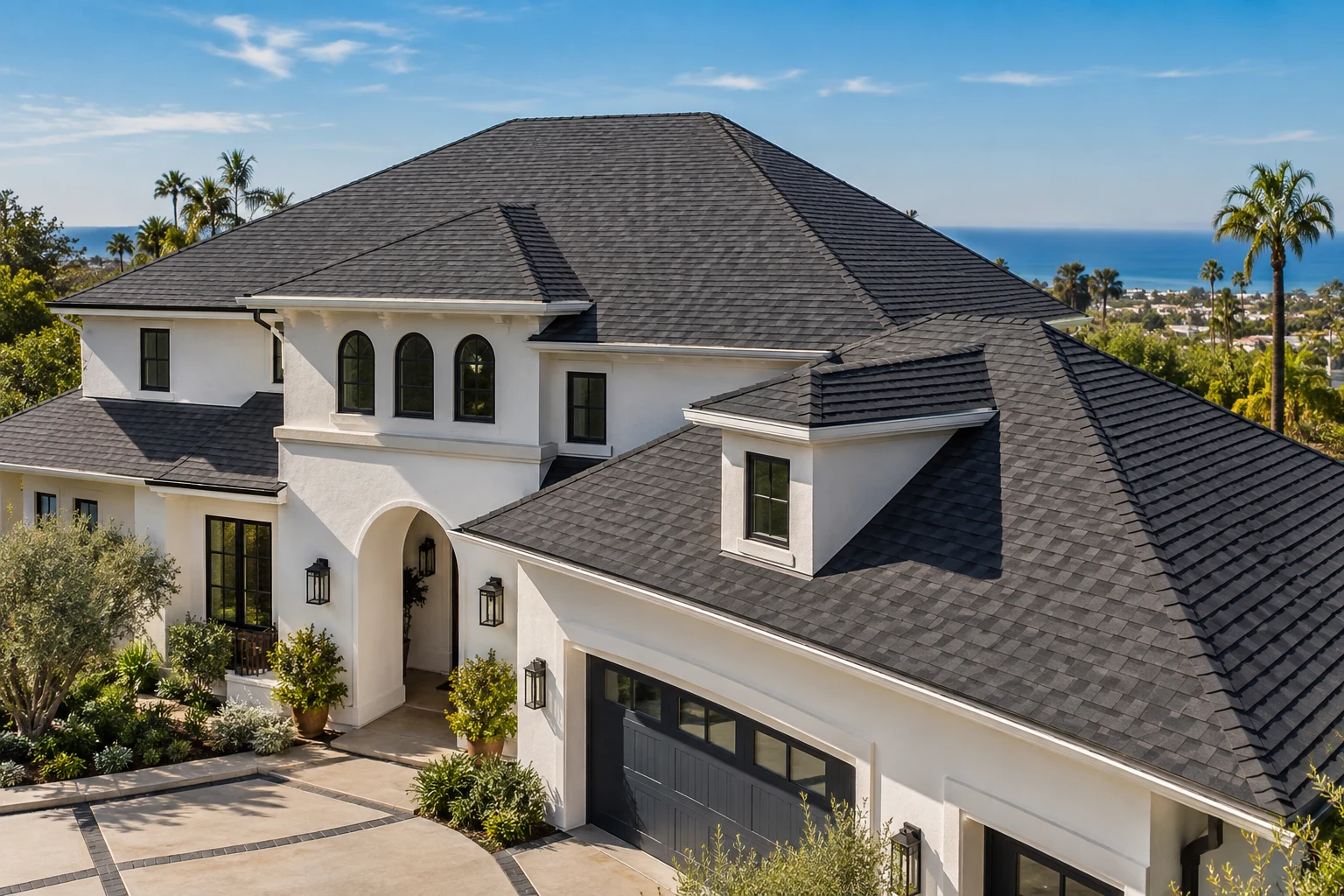
The best roofing material in Redlands depends on the age of the home, how the full roofing system is performing, and how well the roof can handle Inland heat and UV exposure. All Star Roof Replacement helps homeowners in Redlands understand that the right answer is usually not just about tile or shingles by themselves, but about which complete roof system will protect the home, improve energy performance, and hold up in local conditions.
In many cases, the better question is not “What material is best?” but “What roof system makes sense for this house in this climate?” If you are comparing options for your home, it helps to start with a local view of roof replacement in Redlands before deciding which material is worth installing.
For most homeowners in Redlands, the best roofing material is the one that fits the structure, ventilation, slope, and long-term condition of the roof system. A material can look good on paper and still perform poorly if the underlayment, decking, or installation quality are already compromised.
Why this question matters so much in Redlands
Redlands is not a mild coastal roofing environment. Homes here deal with strong sun, high summer heat, dry conditions for long stretches, and seasonal weather swings that put steady stress on roofing systems. That affects how fast materials age, how much heat transfers into the attic, and how long a roof can perform before deeper problems show up.
The direct answer is this: in Redlands, heat and UV exposure are major reasons roofing systems break down earlier than homeowners expect. What looks like a surface issue from the ground often starts below the visible layer, especially on older homes.
In homes across Redlands, we often see roofs that still appear “mostly fine” from the street but are already showing failure in the underlayment, flashing details, or ventilation balance. That matters because the visible roofing material is only one part of the system protecting the home.
Many homeowners don’t realize that two roofs with the same material can perform very differently depending on installation quality. If one roof has poor attic ventilation, aging decking, or weak flashing transitions, it will usually run hotter, wear faster, and become more expensive to keep patching over time.
That is why choosing the best roofing material cannot be separated from checking the full roof system first. Material choice matters, but system condition matters just as much.
Why roofing problems happen here
Redlands has many established neighborhoods with aging homes, and that means many roofs are now in the 15 to 30+ year range. Once a roof reaches that stage, the local climate starts exposing weaknesses more clearly. Expansion and contraction from heat, long-term UV breakdown, and repeated minor repairs all add up.
A common issue during inspections is finding that the visible roofing surface is not the only problem. We often uncover worn underlayment, brittle seal points, damaged decking in leak-prone areas, or ventilation issues that are trapping heat in the attic.
The short answer is that Redlands roofs often fail from cumulative stress, not from one dramatic event. Heat, age, and prior installation shortcuts usually work together until the roofing system can no longer perform the way it should.
This is especially important for homeowners trying to compare tile and composition roofing. The material itself does matter, but if the layers beneath it are failing, replacing a few sections or focusing only on the top surface does not solve the main issue.
Inland Southern California conditions also affect energy use. When roofing materials absorb and hold too much heat, attic temperatures rise, HVAC systems work harder, and indoor comfort becomes more uneven. Homeowners may notice higher cooling costs before they realize the roof is part of the problem.
So when people ask what roofing material is best in Redlands, the practical answer is this: the best option is one that matches the home’s structure and is installed as a complete, properly functioning system designed for local heat exposure.
What homeowners usually compare first
Most Redlands homeowners start by comparing the two most common residential replacement directions: composition shingles and tile-based roofing systems. That comparison makes sense, but it should be handled carefully.
Composition shingles are often chosen because they are versatile, widely used, and can be a strong fit for many homes when the full roof system is rebuilt correctly. Tile roofing is often valued for its appearance and longevity potential, but tile systems also depend heavily on what is happening underneath, especially the underlayment and supporting structure.
The direct answer here is simple: no roofing material is automatically the best for every house in Redlands. The right choice depends on roof slope, weight considerations, ventilation, existing structural conditions, and the homeowner’s long-term goals for protection, maintenance, and energy performance.
Many homeowners don’t realize that older tile roofs often fail below the tile before the tile itself becomes the main issue. In those situations, the question is not whether some tiles still look usable. The real question is whether the full system under them is still doing its job.
Likewise, a newer-looking shingle roof may still have serious problems if it was installed over weak decking, poor flashing work, or inadequate ventilation. This is one reason surface appearance can be misleading.
If you are deciding between materials, it also helps to understand whether your roof is already beyond repair-level work. A roof with repeated leaks, widespread wear, or aging system components may need the kind of evaluation explained on the repair or replacement page for Redlands homeowners.
What happens when the wrong material or system is left in place
When a roof system is aging out, delays usually increase the total cost. That does not mean every old roof needs immediate replacement, but it does mean unresolved system failure tends to spread rather than stabilize.
The short answer is this: waiting too long can turn a manageable roof replacement into a larger project involving decking repairs, insulation concerns, interior leak damage, or more extensive ventilation correction. Roofing problems usually do not stay limited to one small area for long.
In homes across Redlands, we often see homeowners spend money on repeated leak fixes without being shown the bigger problem. The leak may appear in one room, but the cause is often tied to broader failure in the roofing system, not just a single broken tile or lifted shingle.
That is why material choice should never be treated like a simple product decision. A good roof does more than shed water. It helps regulate heat, protects the structure below, supports attic performance, and reduces the chance of recurring moisture intrusion.
If the roof is already struggling with age and system failure, installing the “best” material on top of unresolved problems will not deliver the result homeowners are expecting. Installation quality and system preparation matter just as much as the material selected.
How Redlands heat changes the conversation
Heat is one of the biggest reasons this topic matters locally. Redlands homeowners are not just trying to choose something that looks good. They are trying to choose a roof system that can handle long-term sun exposure without driving up cooling costs or breaking down too early.
The clear answer is that roofing in Redlands has to be evaluated through both durability and energy performance. A roof that traps too much heat or lacks proper ventilation can make the house less comfortable and more expensive to cool.
A common issue during inspections is attic heat buildup caused by poor ventilation design or aging materials that are no longer performing well. Homeowners may notice hot ceilings, uneven temperatures between rooms, or AC systems running longer in the afternoon and evening.
That does not always mean one material category is wrong and another is right. It means the replacement plan has to consider reflectivity, ventilation, insulation interaction, and the existing roof assembly. In other words, the best roofing material is part of a bigger solution.
For some homes, that may lead toward a more energy-conscious roofing approach. For others, the deciding factor may be structural compatibility, neighborhood style, or the condition of the current system. Either way, the roof needs to be evaluated as a working assembly, not just a visible surface.
How to start making the right decision
The best place to start is with a real assessment of the current roof, not a guess based on age alone. Some Redlands roofs are overdue because the system is failing in multiple areas. Others still have a narrow window to plan replacement before costs rise.
The direct answer is this: before choosing between roofing materials, homeowners should first understand the condition of the underlayment, decking, flashing, and ventilation. Without that, material comparisons are incomplete.
All Star Roof Replacement evaluates the full roofing system using satellite measurements and visual inspection so homeowners can see what the roof actually needs. That approach is important in Redlands because hidden wear is common on older roofs exposed to years of Inland heat.
Many homeowners don’t realize how much prior workmanship affects current roof performance. We regularly find roofs where the real issue is not just age, but poor installation details from an earlier project that allowed heat stress, moisture intrusion, or premature deterioration to build over time.
If your roof is older, leaking, or making the home harder to cool, the next step is not to pick a material from a list. The next step is to determine whether the system is still functioning the way it should and which replacement direction makes sense for your specific home.
That is how homeowners in Redlands make a better decision. Not by chasing the most popular material, but by choosing the roof system that fits the house, the climate, and the real condition of the roof underneath.
How the main roofing materials actually perform in Redlands
The short answer is that the best roofing material in Redlands is the one that performs well under high heat, fits the structure of the home, and is installed as part of a properly rebuilt roofing system. All Star Roof Replacement helps homeowners compare materials in a practical way by looking at how each option handles Inland Empire sun, ventilation demands, and the real condition of the roof underneath.
In Redlands, the conversation usually comes down to composition shingles versus tile roofing, but that comparison is only useful when the roof system is evaluated first. A material can be a good fit on one house and the wrong choice on the next, even on the same street.
Composition shingles
For many homes in Redlands, composition shingles are a strong replacement option because they are versatile, widely compatible with different roof shapes, and easier to install correctly on a wide range of residential structures. They can also make sense when a homeowner wants a full replacement that balances appearance, performance, and cost.
The practical advantage of shingles is that they work well on many homes as long as the decking, underlayment, flashing, and ventilation are addressed at the same time. In homes across Redlands, we often see shingle roofs perform well when the replacement includes the full system instead of just the visible outer layer.
That said, shingles are still exposed to constant UV and heat. If the attic runs hot, ventilation is poor, or earlier installation work was rushed, shingle roofs can age faster than expected. This is one reason homeowners comparing options should also review how local conditions affect roof lifespan in Redlands.
Tile roofing
Tile remains a common choice in Southern California because it suits many home styles and can be a durable system when everything below it is in good condition. The key point is that tile itself is not the whole roof. The underlayment beneath the tile often determines whether the system is still protecting the home.
Many Redlands homeowners assume that if the tile still looks presentable, the roof is still in good shape. In reality, older tile roofs often fail below the surface first. Underlayment wear, flashing breakdown, and heat-related deterioration can exist long before the tile becomes the obvious issue.
A common issue during inspections is finding tile roofs where the visible pieces are not the main problem at all. The deeper concern is usually aging waterproofing layers, poor details around valleys and penetrations, or ventilation problems that have been stressing the system for years.
For homeowners still weighing both directions, a closer comparison of tile versus shingle roofing in Redlands can help clarify which system better fits the home’s structure and long-term goals.
Why the best material is really about the full roof system
The direct answer is that no roofing material will perform the way it should if the system below it is failing. All Star Roof Replacement approaches roof replacement in Redlands by looking beyond the outer surface to identify whether the underlayment, decking, ventilation, and flashing are still doing their job.
This is where many homeowners get incomplete advice. They are shown product options before anyone confirms what condition the roof deck is in, whether heat is being trapped in the attic, or whether old leak areas have already affected the structure below. Material choice matters, but system condition determines how well that material can actually perform.
In homes across Redlands, we often see older roofs where the visible wear seems moderate from the ground, but the real damage is hidden at transitions, edges, or beneath previous repair areas. That is why replacement planning should begin with a full evaluation, not a sales list of materials.
When All Star Roof Replacement inspects a roof, the goal is to understand the full assembly. Satellite measurements help establish layout and scope, and visual inspection helps identify where the roof may be failing beyond what is obvious. Homeowners are then shown what is actually happening so the recommendation is based on condition, not guesswork.
How heat, ventilation, and energy performance affect material choice
The short answer is that Redlands heat changes what “best” means. The right roofing material should not only protect against weather, but also work with the home’s ventilation and roof design to reduce heat buildup and support better indoor comfort.
Inland Southern California homes often deal with attic temperatures that rise sharply in summer. When the roofing system is absorbing too much heat or the attic is not ventilating properly, the result can be hotter rooms, uneven indoor temperatures, and more strain on the cooling system.
This is why some homeowners focus on appearance first and only later realize the roof has also been affecting monthly comfort and energy use. If reducing heat is part of the goal, the conversation should include not just material type, but also color, reflectivity, ventilation design, and how the system is rebuilt.
For many homes, it helps to look at whether a cool roof approach in Redlands makes sense or whether broader energy-efficient roofing improvements should be part of the replacement plan.
The key point is simple: a roof that looks right but traps heat is not the best-performing roof for this climate. Material choice should support the way the house actually handles heat, especially during long Redlands summers.
What installation quality changes
The direct answer is that installation quality can matter just as much as the material itself. A good product installed poorly will usually lead to early wear, recurring leak points, and long-term frustration that could have been avoided during the replacement.
Homeowners sometimes compare materials as if performance comes from the product alone. In reality, valleys, flashing details, underlayment attachment, ventilation balance, and deck preparation all affect how the roof performs over time. Poor installation leads to long-term issues even when the visible roofing material is considered a good option.
In homes across Redlands, we often see roof problems tied to earlier workmanship decisions rather than the material category itself. That may include improperly handled transitions, reused components that should have been replaced, or systems installed without fully addressing the roof below.
This is one reason not all contractors are equal when it comes to roof replacement. A homeowner is not just choosing between shingles and tile. They are choosing whether the full system will be evaluated carefully and rebuilt correctly. If you want to understand what to expect from a qualified roof replacement installer in Redlands, it helps to look at how the process is handled before work starts.
Decision clarity: when replacement makes more sense than repair
The short answer is that replacement usually makes more sense when the roof is aging out, repairs keep coming back, or the underlying system is failing in multiple areas. All Star Roof Replacement helps Redlands homeowners make that call based on actual roof condition, not just one visible symptom.
Repair can still make sense in limited situations, but repeated patching is often the wrong move when the roof is already in the later stage of its lifespan. If leaks keep returning, underlayment is worn, or ventilation and decking issues are showing up together, a repair may only delay the larger decision without solving the root problem.
A common issue during inspections is finding homeowners have already spent money on several isolated fixes, only to learn the roof has broader system failure. At that point, delaying replacement often increases cost because damage may already be worse than visible from inside the home or from the yard.
If you are unsure which direction makes sense, reviewing the difference between roof repair or replacement in Redlands can help frame the decision around age, leak history, and full-system condition.
Signs replacement is usually the better decision
- The roof is 15 to 30+ years old and showing broad wear rather than one isolated issue.
- Leaks or repairs keep returning in different areas or after weather changes.
- The home feels harder to cool and attic heat seems excessive.
- Past workmanship was poor and multiple parts of the system were not handled correctly.
- The roof has hidden problems beneath the surface such as underlayment or decking deterioration.
If those conditions sound familiar, the best decision is usually not the cheapest short-term fix. It is the option that restores the roof as a complete working system and prevents the homeowner from paying repeatedly for the same unresolved failure.
What happens if you delay the decision too long
The direct answer is that waiting can turn a straightforward roof replacement into a larger and more expensive project. Redlands roofs rarely fail all at once, but once system deterioration is underway, it typically spreads rather than stabilizes.
Delays often mean more than just an older roof for a few extra months. Leak-prone areas can affect decking, heat buildup can continue stressing materials, and minor installation defects can become wider system failures. In practical terms, delaying increases cost because the roof may need more correction by the time replacement finally happens.
That does not mean every older roof needs immediate replacement, but it does mean homeowners should not rely on appearance alone. If the roof is showing age, leak activity, or comfort-related issues, a real evaluation is usually the most cost-conscious next step.
For homeowners already noticing warning signs, this guide to signs you may need a new roof in Redlands can help connect what you are seeing inside the home to what may be happening on the roof.
What a good roofing decision looks like
The short answer is that a good decision is based on the house, not just the product. The right choice in Redlands is the roofing system that fits the structure, handles the climate well, and is installed with the hidden components addressed correctly from the start.
A good decision usually includes a few things: understanding whether the current roof is repairable or worn out, comparing material options based on actual home conditions, and getting clear explanations about underlayment, ventilation, flashing, and deck condition before replacement begins.
It also means understanding cost in context. A lower upfront number may not be the better value if it skips important system work or leaves old problem areas in place. Homeowners trying to plan ahead can get more context by reviewing how roof replacement cost in Redlands varies based on slope, size, material, and roof condition.
The goal is not to choose the most expensive material or the most popular option. The goal is to choose the system that gives the home solid long-term performance in Redlands heat without relying on repeated repairs to keep it going.
Frequently asked questions
What roofing material lasts longest in Redlands?
There is no single answer for every home, because lifespan depends on the full roofing system, not just the outer material. Tile can last a long time in many Southern California settings, but if the underlayment below it is worn out, the system can still fail before the tile itself becomes the main issue.
Composition shingles can also perform well when installed correctly with proper ventilation and full system preparation. The best long-term result usually comes from matching the material to the home and rebuilding the roof correctly from the deck up.
Are shingles or tile better for hot weather in Redlands?
Both can work well, but neither is automatically better in every case. The deciding factors include attic ventilation, roof slope, structural design, color choice, and how the complete system handles heat transfer.
For some homes, shingles are the better fit because of design compatibility and replacement efficiency. For others, tile makes sense because of the home’s structure and style. Heat performance should be evaluated as part of the full system, not by product label alone.
How do I know if I need replacement instead of another repair?
If the roof has repeated leaks, widespread wear, or is already near the end of its service life, replacement often makes more sense than continued patching. Repairs are usually limited solutions, while recurring issues often point to broader system failure.
The clearest way to know is to have the roof evaluated for underlayment condition, flashing, decking, and ventilation. That shows whether the problem is isolated or whether the roof is no longer functioning as a reliable system.
How much does a roof replacement cost in Redlands?
Roof replacement cost varies based on roof size, slope, material choice, access, and whether hidden issues like decking damage or ventilation correction need to be addressed. That is why exact pricing should be based on the actual roof, not a rough online number.
In general, homeowners should expect pricing to depend heavily on condition and scope. A roof with deeper system problems will cost more to replace correctly than one with fewer underlying issues.
How long does a roof replacement usually take?
Most residential roof replacements can be completed within a reasonable project window, but the timeline depends on size, complexity, material type, weather, and whether underlying repairs are needed after tear-off. A simpler shingle project may move faster than a more complex tile-related replacement.
What matters most is that the work is done thoroughly. Rushing through deck repairs, flashing details, or ventilation correction usually creates problems that show up later.
Can a roof help lower cooling costs?
Yes, in many cases it can. If the existing roof is trapping heat, aging badly, or lacking proper ventilation, a replacement can improve how the home handles heat during Redlands summers.
That improvement may come from a combination of better material selection, improved ventilation, and a more complete roofing assembly. The roof alone is not the only factor in energy use, but it can be a significant one.
What should be inspected before choosing a roofing material?
The roof deck, underlayment condition, flashing details, ventilation setup, and any evidence of recurring leak areas should all be reviewed before deciding on a replacement material. Without that information, material comparisons are incomplete.
This is especially important on older Redlands homes, where the visible surface may not show the full extent of the roof’s condition. The best recommendation comes from understanding what is happening below the material you can see.
Talk with All Star Roof Replacement about the right roof for your Redlands home
If you are trying to decide what roofing material is best for your home, All Star Roof Replacement can help you make that decision based on the full roofing system, not just the surface material. We evaluate roofs carefully, identify hidden issues, and explain what the roof actually needs so you can move forward with clarity.
If your roof is older, leaking, harder to cool, or simply nearing the point where replacement is the smarter move, contact All Star Roof Replacement to discuss your options. You can call (310) 729-3013, email teamallstarconstruction@gmail.com, or reach out through the contact page.
Licensed • Insured • Owens Corning Preferred Contractor • CA License #1009760