
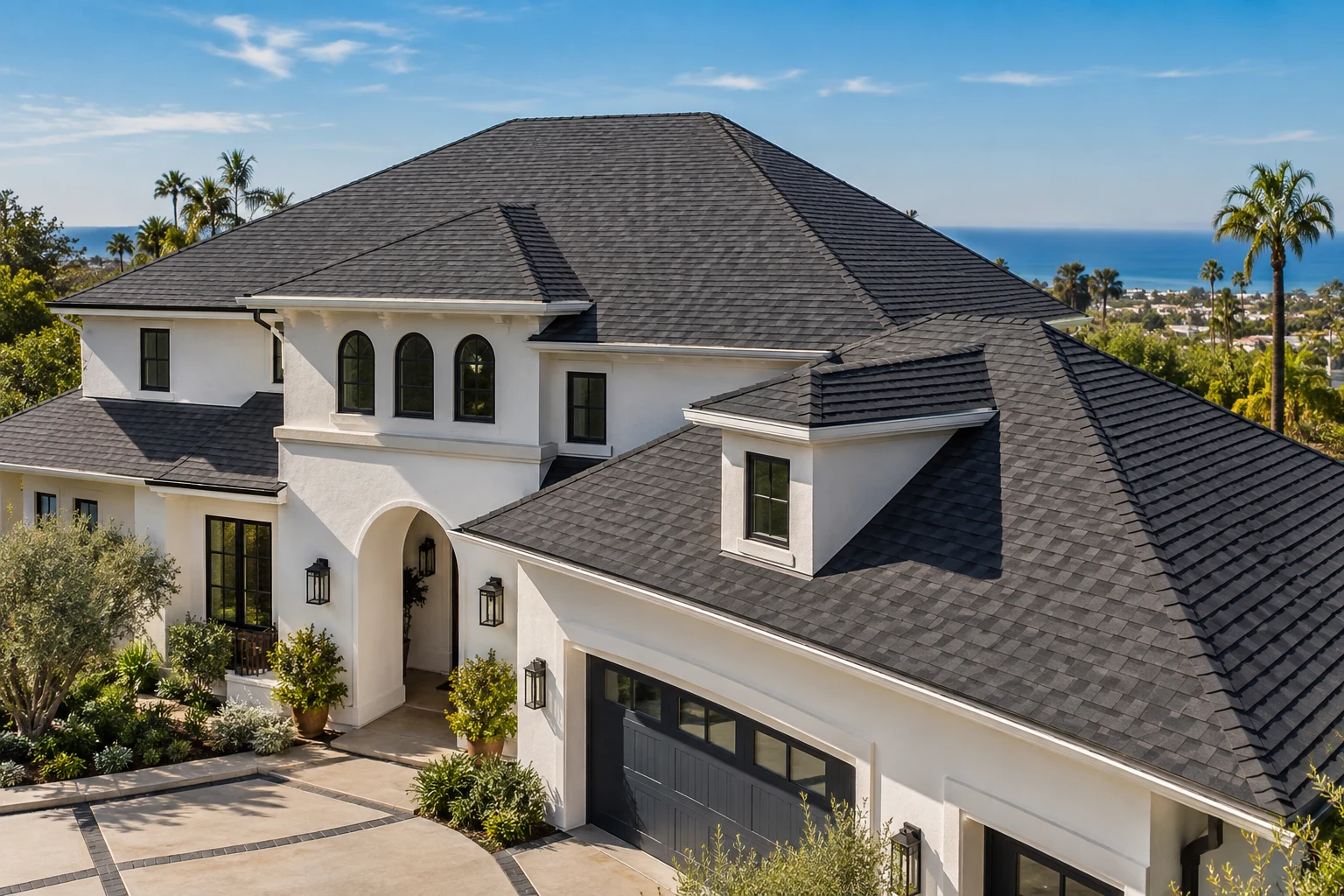
Yes, roofing can make a real difference in how much heat your home holds in Redlands, but the solution is usually not just the top layer of material. All Star Roof Replacement helps homeowners reduce heat by looking at the full roofing system, because in Redlands heat problems often come from aging roof assemblies, worn underlayment, poor ventilation, and older installation methods as much as the visible roof surface.
If your home feels hotter than it should, your cooling bills keep climbing, or certain rooms stay warm late into the evening, the roof may be a major part of the problem. Homeowners looking for local roofing guidance can start with our Redlands roof replacement service area page, where we explain how full-system roof evaluation works in this area.
Why Roof Heat Problems Are So Common in Redlands
Redlands gets strong sun exposure, long hot seasons, and inland heat that puts a lot more stress on roofing systems than many homeowners expect. Unlike cooler coastal areas, homes here deal with higher daytime roof temperatures, steady UV exposure, and repeated expansion and contraction that wears roofing components down over time.
The direct answer is this: in Redlands, roofs absorb heat all day, and older roofing systems often lose their ability to block, reflect, and release that heat properly. When that happens, the attic gets hotter, the house holds more heat, and the HVAC system has to work harder to keep indoor temperatures stable.
That problem is especially common on older homes. Redlands has many established neighborhoods with aging roof systems that may be 15, 20, or 30 years old. Even when a roof still looks “mostly okay” from the ground, the system underneath may be dried out, brittle, poorly ventilated, or nearing the end of its service life.
In homes across Redlands, we often see roofs that are not failing in one dramatic way, but are slowly losing performance year after year. Homeowners notice the upstairs gets hotter, energy bills creep up, and minor issues keep showing up. Those are often signs that the roof system is no longer doing its job efficiently.
The Roof Does More Than Keep Rain Out
Many homeowners think of the roof mainly as weather protection. That is part of it, but the roof also affects how your home handles heat every single day. If the system is aging or poorly installed, it can contribute to heat gain, moisture problems, uneven temperatures, and higher operating costs.
Here is the simple answer: your roof affects both protection and energy efficiency. In Redlands, where heat exposure is constant for much of the year, that connection becomes hard to ignore.
A roof system works as a combination of parts, not just shingles or tile. The outer material matters, but so do the underlayment, decking condition, attic airflow, intake and exhaust ventilation, flashing details, and installation quality. If one part of that system is failing, the whole roof can perform worse.
Many homeowners don’t realize that a hot house is not always an insulation-only issue. In a lot of cases, the roof is trapping heat or transferring it downward because the full system has aged, the ventilation is unbalanced, or previous work only addressed the surface.
What Causes a Roof to Hold More Heat Over Time
Roofing systems in Redlands age under constant UV exposure. Over time, materials dry out, protective surfaces wear down, and the roof becomes less effective at handling solar heat. Even durable roofs lose efficiency as they age, especially if the original installation missed ventilation or moisture management details.
A common issue during inspections is finding a roof that has had repairs over the years, but the underlying system was never corrected. The homeowner may have replaced a few damaged areas or dealt with a leak, but the roof deck, underlayment, or ventilation setup kept getting older. That kind of partial approach does not usually solve heat-related performance issues.
The direct answer is this: if your roof is older and your home is running hot, the cause may be deeper than the visible roofing material. Surface signs often point to system-level wear underneath.
Some of the most common heat-related roofing problems we see in Redlands include:
- Aging underlayment that no longer performs well under sustained heat
- Attic ventilation that is insufficient, blocked, or improperly balanced
- Roof decking with hidden deterioration from past leaks or long-term heat stress
- Older roofing materials that absorb and retain more heat
- Previous installation work that focused on appearance instead of system performance
- Roof areas with sun exposure that have worn much faster than shaded sections
These issues often build gradually. That is one reason homeowners can live with the problem for years before realizing how much the roof is affecting comfort and energy use.
How Heat, UV, and Age Work Together
In Redlands, roof problems are rarely caused by one thing alone. Heat exposure, ultraviolet damage, and age tend to work together. A roof might start with normal wear, then ventilation problems make attic temperatures climb, then the materials deteriorate faster, and eventually the home becomes harder to cool.
The answer most homeowners need is not just “pick a cooler roof color.” It is to find out whether the existing roof system is still performing as a complete assembly, or whether hidden failure is allowing heat to build up and spread into the home.
That is why a full assessment matters. At All Star Roof Replacement, we do not guess based on one visible symptom. We use satellite measurements and visual inspection to evaluate the roof as a system, including the visible materials, the structure beneath them, and the ventilation setup that affects heat movement.
If the roof is old enough that replacement is already becoming a discussion, it also helps to understand whether you are dealing with normal aging or bigger system decline. Our page on roof lifespan in Redlands explains why local heat exposure can shorten performance expectations compared to milder climates.
What Happens If You Ignore a Heat-Stressed Roof
When a roof keeps absorbing heat and the system underneath is deteriorating, the effects usually spread beyond comfort. Cooling costs rise. Temperature differences between rooms become more noticeable. Materials continue aging. And if there are weak points in the system, leaks often show up later.
Here is the clear answer: delaying action on an aging, heat-stressed roof usually increases total cost. The longer system-level issues go unaddressed, the greater the chance of decking damage, repeated repairs, and a more complex replacement later.
In homes across Redlands, we often see homeowners wait because they are trying to avoid replacing the roof too early. That is understandable. But there is a difference between getting full value from an existing roof and continuing to spend money on a system that is already breaking down internally.
Heat stress can lead to:
- Higher monthly cooling bills
- Reduced indoor comfort, especially in upper rooms
- Faster breakdown of already aging roofing components
- Recurring leak issues caused by deeper failure in the system
- More expensive replacement work if decking damage develops
- Ongoing uncertainty about whether another repair is worth it
Many homeowners don’t realize that recurring roof trouble is often not a repair problem anymore. It is a replacement decision that has not been clearly identified yet.
Why Surface Fixes Usually Do Not Solve Heat Problems
Small fixes can address isolated symptoms, but they usually do not correct an aging roof system that is no longer managing heat well. Replacing a few visible sections or patching a problem area may help temporarily, but it does not reset the condition of the underlayment, decking, or ventilation.
The direct answer is this: if the roof system is failing underneath, surface repairs will not meaningfully reduce heat inside the home for long. The real issue has to be identified before the right solution can be recommended.
A common issue during inspections is finding roofs that look patchable from the exterior but have deeper system wear underneath. That is why All Star Roof Replacement focuses on full roof replacement, not patch repair as a default answer. If the system is at the point where age, heat, and installation quality are all affecting performance, replacement is often the more practical path.
That does not mean every hot roof needs to be replaced immediately. Every roof is different. But in Redlands, where inland heat adds constant pressure, it is important to know whether you are dealing with a surface issue or a roof system that has reached the point where replacement makes more sense than continued repair.
Homeowners trying to sort that out can also review how to decide between roof repair or replacement in Redlands, especially when heat, age, and recurring problems are all happening at the same time.
What the Right Solution Usually Looks Like
Reducing heat with roofing in Redlands usually means improving the full system, not just changing one visible product. That may include selecting more energy-efficient roofing materials, but it also means making sure the roof deck is sound, the underlayment is appropriate, and the ventilation allows trapped heat to move out properly.
The answer is straightforward: the best long-term result comes from a roof replacement plan built around how your specific home handles heat, age, and airflow. There is no one-size-fits-all fix.
In homes across Redlands, we often see different needs from one property to the next. One home may have a tile roof with underlayment failure. Another may have an older shingle system with poor attic ventilation. Another may have visible wear but bigger hidden issues from an earlier installation. The right recommendation depends on what the full system actually needs.
That is where a real inspection matters. All Star Roof Replacement explains what we find before recommending replacement, so the homeowner understands whether the main issue is age, heat deterioration, installation quality, or a combination of all three. When the diagnosis is clear, the path forward gets clearer too.
How Roof Replacement Can Actually Reduce Heat
The short answer is this: roof replacement can reduce heat in a Redlands home when the new system improves reflectivity, ventilation, and the layers underneath the surface. If the old roof is holding heat because the system has broken down, replacing the full assembly often makes a bigger difference than another repair.
That matters in Redlands because the roof takes direct sun for long stretches of the day. Once an older system starts losing performance, heat does not just stay at the roof line. It moves into the attic, affects ceiling temperatures, and makes your cooling equipment work harder than it should.
A lot of homeowners focus on the visible roofing product, but the material alone does not decide how hot the home feels. A roof replacement that helps with heat usually includes attention to several parts working together:
- The roof surface and how much solar heat it reflects or absorbs
- The underlayment and how well it performs under sustained inland heat
- The roof deck and whether it has hidden deterioration from age or past leaks
- The ventilation system and whether hot air can move out properly
- The installation quality at transitions, penetrations, valleys, and edges
In homes across Redlands, we often see homeowners assume the house is just naturally hot because of the climate. Sometimes that is partly true, but a roof system that has aged poorly can make the house noticeably harder to cool than it needs to be.
A common issue during inspections is finding a roof that still looks acceptable from the street while the system underneath is already worn out. In those cases, the heat problem is not cosmetic. It is built into the way the roof is functioning day after day.
Why Ventilation Is a Big Part of Heat Control
The direct answer is this: even a better roofing material can underperform if the attic ventilation is poor. If heat cannot escape, it builds up under the roof and continues affecting indoor comfort.
Many Redlands homes have ventilation setups that are older, unbalanced, or simply not doing enough for current heat conditions. That does not always mean there are no vents at all. It often means intake and exhaust are not working together correctly, airflow is restricted, or the original roof was installed without enough attention to how hot the attic would get.
When that happens, hot air lingers in the attic longer than it should. The result can be rooms that stay warm into the evening, uneven temperatures from one side of the house to another, and cooling systems that seem to run constantly during hotter months.
Ventilation is one reason a full replacement evaluation matters more than picking a product from a brochure. All Star Roof Replacement looks at whether the roofing system is actually set up to move heat properly, not just whether the top layer can survive sun exposure. Homeowners who want to understand broader energy-related roof planning can also review our page on energy-efficient roofing in Redlands.
Good ventilation does not mean a home will feel cool without air conditioning in the middle of summer. What it can do is reduce trapped heat, improve roof performance, and help the house recover faster after peak daytime temperatures.
Material Choice Matters, but Only in Context
The short answer is this: some roofing materials and color profiles can help reduce heat gain, but the best option depends on the existing roof structure, the home’s design, and how the full system is installed. There is no single material that solves every heat issue by itself.
In Redlands, material selection needs to account for constant UV exposure, long hot seasons, and the way different roof designs hold heat. A lighter or more reflective surface may help, but if the underlayment is failing or the ventilation is inadequate, the overall result may still fall short.
This is where a lot of homeowners get mixed messages. They hear terms like cool roof, reflective shingle, tile performance, or energy savings, and it sounds like the product itself is the answer. In reality, the product is only one part of the decision.
For example, tile and shingle systems behave differently in the Redlands climate. Roof slope, attic design, and installation details all affect how those materials perform in real conditions. If you are weighing those differences, our page on tile vs. shingle roofing in Redlands helps explain the tradeoffs in practical terms.
Homeowners also ask whether a cool roof is worth considering. In many cases, it is worth discussing, especially when heat reduction is one of the main goals. But the right answer depends on your home, your current roof condition, and whether the full assembly is being replaced correctly. More local guidance is available on our page about cool roof options in Redlands.
Installation Quality Has a Direct Effect on Heat Performance
The direct answer is this: installation quality matters just as much as the material itself. A well-chosen roof can still underperform if the system is installed poorly.
That point gets overlooked all the time. Homeowners are often shown product options, color choices, and manufacturer names, but not enough attention is given to how the roof will actually be built. Heat performance depends on whether the assembly is installed as a working system, not whether the material sounds impressive.
Poor installation can lead to long-term issues such as trapped heat, premature wear, weak flashing transitions, ventilation imbalance, and moisture intrusion that later damages the roof deck. Those problems do not always show up right away. In some cases, the roof looks new but starts developing performance problems much sooner than expected.
In homes across Redlands, we often see roofs where prior work focused on getting the surface back on quickly instead of correcting what was happening underneath. That is one reason some homeowners end up replacing a roof sooner than they expected.
All Star Roof Replacement approaches replacement by evaluating what the roof actually needs before making a recommendation. If you are comparing what to look for in the company doing the work, our page on choosing a roof replacement installer in Redlands explains why workmanship and system evaluation matter so much.
What Heat Reduction Usually Looks Like After Replacement
The short answer is this: a properly planned roof replacement may improve comfort, reduce attic heat buildup, and help cooling systems operate more efficiently, but results vary based on the home. Every roof is different, and the outcome depends on the full condition of the house and roofing system.
It is important to be realistic. A new roof does not change Redlands weather, and it does not replace the role of insulation, windows, or HVAC performance. What it can do is remove a major source of unnecessary heat gain when the old roof assembly is no longer doing its job.
Homeowners often report improvements such as:
- Upper rooms that do not stay hot as long after sunset
- Less extreme temperature difference between rooms
- Reduced attic heat buildup
- More stable indoor comfort during hot weather
- Better confidence that recurring roof issues are not still developing underneath
That is why replacement decisions should be based on what the current roof system is doing, not just whether a newer product sounds more efficient. If the existing roof is near the end of its life, holding heat, and showing signs of broader wear, replacement may address several problems at once.
Decision Clarity: When Replacement Makes More Sense Than Repair
The clear answer is this: replacement usually makes more sense than repair when the roof is older, heat-stressed, and showing system-level decline rather than one isolated issue. If the real problem is inside the roofing assembly, more patchwork usually delays the decision instead of solving it.
This is especially true for homeowners in Redlands who are dealing with a roof that is 15 to 30 or more years old, repeated leak history, rising cooling bills, or uneven indoor temperatures. In that situation, the question is often not whether the roof has one more small repair left. The question is whether the system is still worth investing in at all.
Replacement may be the better decision when:
- The roof has had multiple repairs and the same problems keep returning
- The home feels hotter and less comfortable year after year
- The roof is near or beyond its expected lifespan
- There are signs of underlayment failure or hidden deck issues
- The ventilation setup is inadequate and part of a larger aging system
- Previous installation quality appears to be contributing to current problems
If you are still weighing the decision, our page on signs you need a new roof in Redlands can help put the symptoms in context.
What happens if you delay? Usually, cost and complexity increase. Damage may already be worse than visible, especially if heat and age have been affecting the underlayment or decking for years. Delaying does not always create an emergency, but it often turns a manageable replacement into a more involved one later.
A good decision usually looks like this: you get the roof evaluated as a full system, you understand whether the issue is isolated or widespread, and you choose replacement when it is clearly the more practical long-term move. Homeowners who want a broader breakdown of replacement timing and what to expect can also review our page on the roof replacement process in Redlands.
FAQ: How to Reduce Heat With Roofing in Redlands
Can a new roof really make my house cooler?
Yes, it can help if the current roof is contributing to heat gain. The biggest improvement usually comes when the replacement addresses the full system, including ventilation, underlayment, and installation quality rather than just changing the surface material.
The exact difference varies by home. Roof design, attic conditions, insulation, and the age of the current system all affect the result.
How do I know if my hot house is a roof problem or just normal Redlands weather?
The best answer is to evaluate the roof as a system. If your roof is older, your cooling bills are rising, some rooms stay hotter than others, or you have had recurring roof issues, the roof may be playing a bigger role than you think.
Redlands weather is hot, but a failing roof system can make the home perform worse than it should. That is why inspection matters before deciding on the next step.
Is it better to repair a hot roof or replace it?
It depends on what is causing the heat issue. If there is one limited problem and the rest of the roof is in good condition, a repair may be enough. But if the roof is older and the system is wearing out underneath, repair usually does not solve the larger problem.
In many cases, repeated repairs on a heat-stressed roof just add cost without restoring real performance. That is why full-system evaluation is so important.
What roofing material is best for reducing heat in Redlands?
There is no single best answer for every home. The right choice depends on roof slope, home design, current roof condition, ventilation, and whether you are comparing tile, shingle, or cool-roof options.
Material matters, but the performance of the full system matters just as much. A better product installed over unresolved system problems will not deliver the best result.
How much does a roof replacement cost if heat reduction is one of my goals?
Pricing is always situational because every roof is different. Cost depends on size, slope, material choice, tear-off requirements, deck condition, ventilation updates, and how much of the system needs to be rebuilt properly.
If you want a local breakdown of what affects pricing, our page on roof replacement cost in Redlands explains why estimates can vary so much from one home to another.
How long does roof replacement usually take?
Most residential roof replacements are completed on a timeline that depends on roof size, material type, weather conditions, and whether hidden repairs are found after tear-off. Some homes move faster than others because every roof is different.
If you want a better idea of what affects scheduling and production time, see our page on the roof replacement timeline in Redlands.
Should I get an inspection before deciding?
Yes. An inspection is the practical first step because it helps determine whether the heat problem is tied to material aging, ventilation, underlayment failure, deck deterioration, or a combination of those issues.
All Star Roof Replacement uses satellite measurements and visual inspection to understand what the roof actually needs before recommending replacement. That gives homeowners clearer information and helps avoid guessing.
Get Clear Answers About Your Roof in Redlands
If your home is holding too much heat, your roof may be doing less than it should. All Star Roof Replacement helps Redlands homeowners understand whether the problem is the surface material, the ventilation, the aging underlayment, the decking, or the roofing system as a whole.
If you want straight answers about whether replacement makes sense, contact All Star Roof Replacement by phone at (310) 729-3013, by email at teamallstarconstruction@gmail.com, or through our contact page. We will explain what the roof is showing and what the next step should be without adding pressure.
Licensed • Insured • Owens Corning Preferred Contractor • CA License #1009760