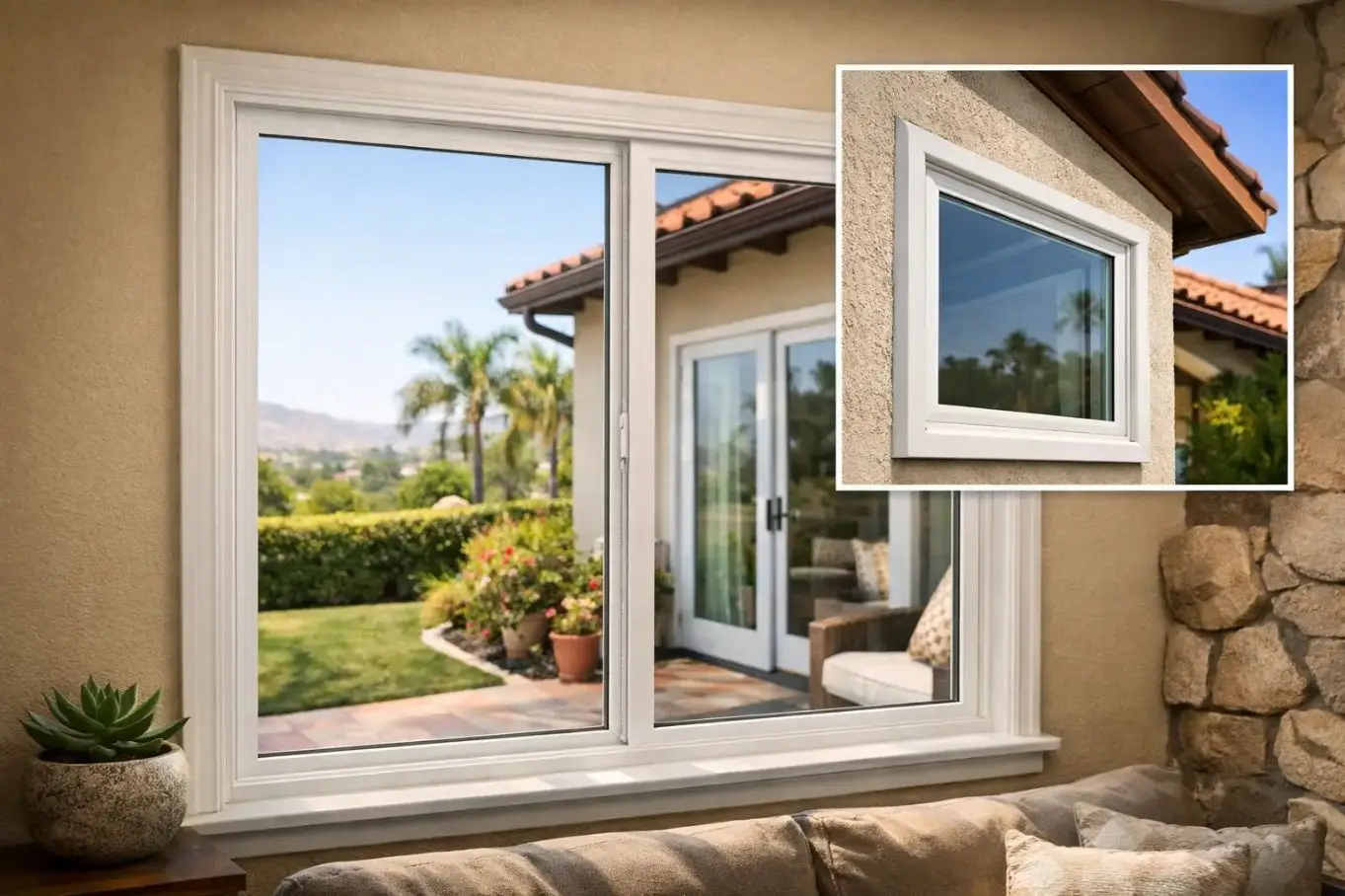
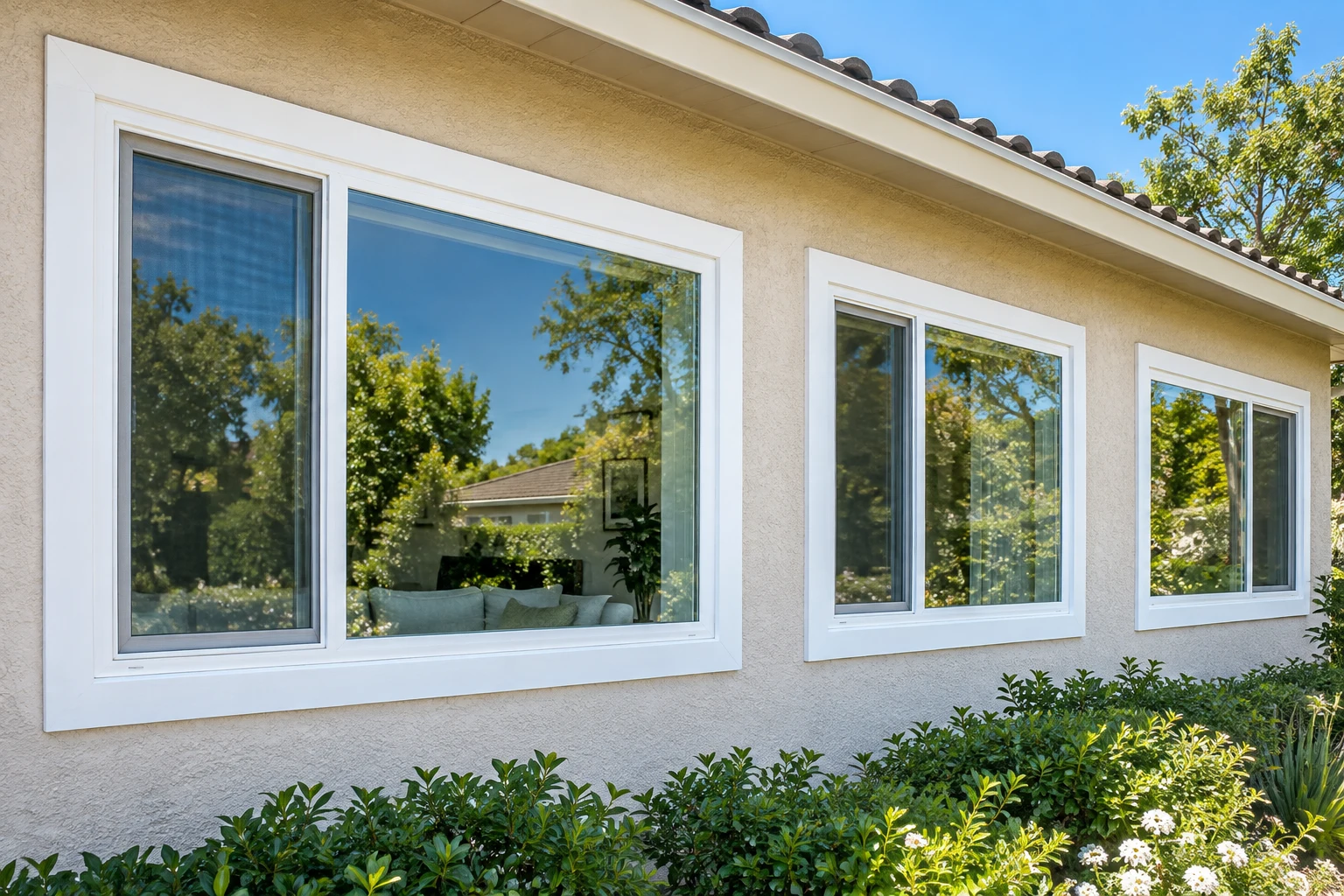
Are retrofit windows worth it? Learn when they make sense, what benefits matter most, and how Southern California homeowners should evaluate value.
If your home heats up too fast in the afternoon, your AC seems to run nonstop, or street noise makes certain rooms hard to enjoy, it is reasonable to ask: are retrofit windows worth it? For many homeowners, the answer is yes – but not for every house, and not for every window.
Retrofit windows are designed to replace old windows within the existing frame, which makes the project less invasive than a full-frame replacement. That sounds appealing, especially if you want better comfort and energy performance without opening up surrounding stucco, siding, or interior finishes. The real question is whether the improvement you get matches the investment you make.
What retrofit windows actually do
A retrofit window replacement keeps the original window frame in place if it is still structurally sound. The old operating parts and glass are removed, and a new window unit is installed inside that existing frame. For many Southern California homes, this approach offers a practical way to upgrade aging windows without turning the project into a major reconstruction job.
When the existing frame is in good condition, retrofit installation can solve several common homeowner complaints at once. New dual-pane glass can help reduce heat transfer. Low-E coatings can reflect unwanted solar heat. Better seals can cut down on drafts and air leakage. Modern frames and insulated glass units can also reduce outside noise and improve the look of the home.
That combination is why retrofit replacement is often a strong value option. You are not just buying new glass. You are improving how the home feels day to day.
Are retrofit windows worth it if your main goal is comfort?
In many cases, this is where retrofit windows deliver the clearest value.
Older single-pane windows and worn-out aluminum or wood units often allow significant heat gain, especially in sun-exposed rooms. In Southern California, that can make upstairs bedrooms, west-facing living rooms, and large front rooms noticeably harder to cool. If parts of your home are consistently warmer than others, the window system may be part of the problem.
A well-selected retrofit window with dual-pane glass, Low-E coatings, and insulated construction can help stabilize indoor temperatures. That does not mean your house will suddenly feel perfect in every season, because insulation, orientation, roofing, and HVAC performance also matter. Still, windows are a major part of the comfort equation, and replacing inefficient ones often leads to rooms that feel more livable throughout the day.
For homeowners who plan to stay in their homes for years, improved comfort is often more meaningful than a simple payback calculation. If a bedroom becomes easier to sleep in, a family room becomes quieter, and the AC runs less aggressively, that value is real even if it is not measured only in dollars.
Energy savings matter, but they are not the whole story
One reason homeowners ask whether retrofit windows are worth it is the expectation of lower utility bills. That benefit is possible, especially when replacing older, inefficient windows, but it helps to think about savings realistically.
Your actual energy reduction depends on the condition of your existing windows, the size and number of openings, the amount of direct sun your home gets, and the glass package you choose. A house with failing single-pane windows in heavy sun exposure will usually see more noticeable improvement than a house with relatively newer dual-pane windows that are still performing reasonably well.
This is why good window guidance matters. The best solution for a Southern California homeowner is not always the same as the best solution in a colder climate. Glass performance should be selected for local heat, sunlight, and everyday cooling demands, not just a generic energy label.
When homeowners choose windows based on climate-appropriate performance rather than appearance alone, retrofit replacement often becomes easier to justify. The windows may help reduce cooling loads, but they can also improve temperature balance, reduce glare, and protect interiors from excessive sun exposure.
Noise reduction is often an overlooked benefit
For many homeowners, the answer to are retrofit windows worth it becomes obvious the first time they notice how much quieter a room feels.
If you live near a busy street, school, freeway corridor, or active neighborhood, older windows can let in more sound than you realize. Even if you have learned to live with it, outside noise can affect sleep, concentration, and overall comfort.
Modern retrofit windows with insulated glass and tighter seals can reduce a meaningful amount of sound intrusion. They will not make a home completely silent, and results vary depending on wall construction and the type of noise outside. But many homeowners notice a calmer indoor environment almost immediately after replacement.
That matters in places where outdoor activity is part of daily life. In many Southern California communities, noise reduction is not just a bonus feature. It is part of what makes a home feel more private and restful.
When retrofit windows may not be worth it
Retrofit replacement is not the right answer in every situation.
If the original window frames are damaged, out of square, rotted, or otherwise failing, placing a new window inside them may not address the underlying issue. In those cases, a full-frame approach may be more appropriate. The same is true if there is hidden water damage around the opening or if the homeowner wants to significantly change the size or style of the window.
Retrofit windows may also be less compelling if your current windows are relatively modern and still performing well. If the issues in the home are mostly tied to poor insulation, duct leakage, or an aging HVAC system, window replacement alone may not produce the level of change you expect.
This is where honest evaluation matters. A trustworthy contractor should explain whether retrofit installation fits the condition of the home, not push it as the answer to every problem.
Appearance and home value are part of the decision
Not every homeowner starts with comfort or energy savings. Sometimes the issue is simpler: the windows look dated, cloudy, worn, or out of place with the rest of the home.
New retrofit windows can improve curb appeal and make the home feel cleaner, brighter, and more current. Slimmer profiles, updated finishes, and clearer insulated glass can change the way a home looks from both inside and outside. If you are updating exterior paint, remodeling interiors, or preparing a home for sale, that visual improvement can carry real value.
It is best not to think of replacement windows as a guaranteed dollar-for-dollar return. Home value is influenced by many factors. But buyers do notice new windows, especially when they support a home that feels quieter, more comfortable, and better maintained.
What makes retrofit windows worth it financially?
The financial value comes from a combination of factors rather than one dramatic payoff.
First, there is the possibility of lower energy use. Second, there is reduced wear on heating and cooling equipment when the home is easier to regulate. Third, there is the practical benefit of avoiding repeated maintenance on failing older windows that stick, leak air, or develop condensation problems. And fourth, there is the long-term benefit of living in a home that functions better.
That mix is why many homeowners view retrofit replacement as a quality-of-life investment as much as an efficiency upgrade. If you only measure value by the fastest possible payback, the answer may feel less clear. If you measure value by daily comfort, noise reduction, appearance, and improved home performance, retrofit windows often make strong sense.
How to tell if your home is a good candidate
A home is often a strong retrofit candidate when the existing frames are sound but the windows themselves are outdated, drafty, inefficient, or no longer operating properly. Fogging between panes, noticeable heat near the glass, difficulty opening and closing, and excessive outside noise are all signs that replacement may be worthwhile.
It also helps if your goals match what retrofit windows do best. If you want better comfort, improved energy efficiency, reduced noise, and an updated appearance without the disruption of major structural changes, retrofit installation is often a very practical solution.
For homeowners throughout Los Angeles County, Orange County, Riverside County, San Bernardino County, and Ventura County, those benefits are especially relevant because cooling performance and solar heat control matter so much in everyday comfort.
A specialized replacement window company can assess frame condition, explain glass options in plain language, and recommend whether retrofit installation is appropriate for the home. That kind of guidance matters more than chasing the lowest number or the most aggressive sales promise. Total Home Windows, the replacement window division of Team All Star Construction, CSLB #1009760, focuses on helping homeowners make that decision based on comfort, efficiency, and long-term performance.
So, are retrofit windows worth it?
If your existing frames are in good condition and your current windows are contributing to heat gain, noise, drafts, or an outdated look, retrofit windows are often worth it. They can deliver meaningful improvements without the expense and disruption of full structural window replacement.
But the real value depends on fit. The right product, the right glass package, and the right installation approach matter just as much as the idea of replacement itself.
The best next step is not guessing whether windows are worth it in general. It is finding out what your current windows are costing you in comfort, efficiency, and peace at home.
- Categories: Uncategorized
Southern California Window Replacement Guide
Single Pane vs Dual Pane: Which Fits Your Home?
Replacement Windows Los Angeles Homeowners Choose
Retrofit Windows vs Full Frame: Which Fits?
A Guide to Full Window Replacement at Home
Vinyl vs Aluminum Windows for Southern California
Best Windows for Hot Climates in Southern California
A Homeowner’s Guide to Energy Efficient Windows
How to Reduce Window Heat at Home
About Total Home Windows
Total Home Windows is a Southern California-based window replacement company focused on helping homeowners improve energy efficiency, indoor comfort, and long-term home value through high-performance window installations.
Serving Los Angeles County, Orange County, Riverside County, San Bernardino County, and Ventura County, the company specializes in both vinyl retrofit (insert) and full-frame window replacement. Their work is tailored to the unique demands of California homes, including intense UV exposure, coastal conditions, and heat retention issues common in older properties.
Total Home Windows combines practical installation experience with a strong focus on energy performance—helping homeowners reduce cooling costs, improve insulation, and solve common problems like rooms that stay hot even with air conditioning. Their approach prioritizes clear recommendations, transparent pricing, and solutions that make sense for each home.
The content published by Total Home Windows is built on real installation knowledge, field-tested performance insights, and current best practices in window technology, including Low-E glass, argon-filled units, and energy-efficient design strategies. Their goal is to help homeowners make informed decisions without overpaying or choosing the wrong type of window system.
Ways to Reach Us
If you’re considering window replacement, we’re here to answer questions and provide clear, professional guidance based on your home and goals.
- teamallstarconstruction@gmail.com
- 301 E.9th St Suite 415 Redlands, CA 92374