Learn how to choose the best replacement windows for historic homes while protecting original style, comfort, efficiency, and value.
Older homes have a way of making you notice every detail. The divided lites, the depth of the trim, the way the windows frame the front elevation – those details are often a big part of why homeowners fall in love with them in the first place. But when those same windows let in drafts, outside noise, and too much heat, the search for the best replacement windows for historic homes becomes a balancing act between preservation and performance.
That balance matters even more in Southern California, where older homes often deal with intense sun, warm afternoons, shifting temperatures, and neighborhood noise. The right replacement window should respect the home’s original character while solving practical comfort issues like difficult-to-cool rooms, fading interiors, and rising energy bills. Not every window product can do both well.
What makes replacement windows right for a historic home?
A historic home does not always require a museum-level restoration, but it does require restraint. The best window choice is usually the one that improves efficiency and comfort without changing the proportions, sightlines, or architectural feel of the original openings.
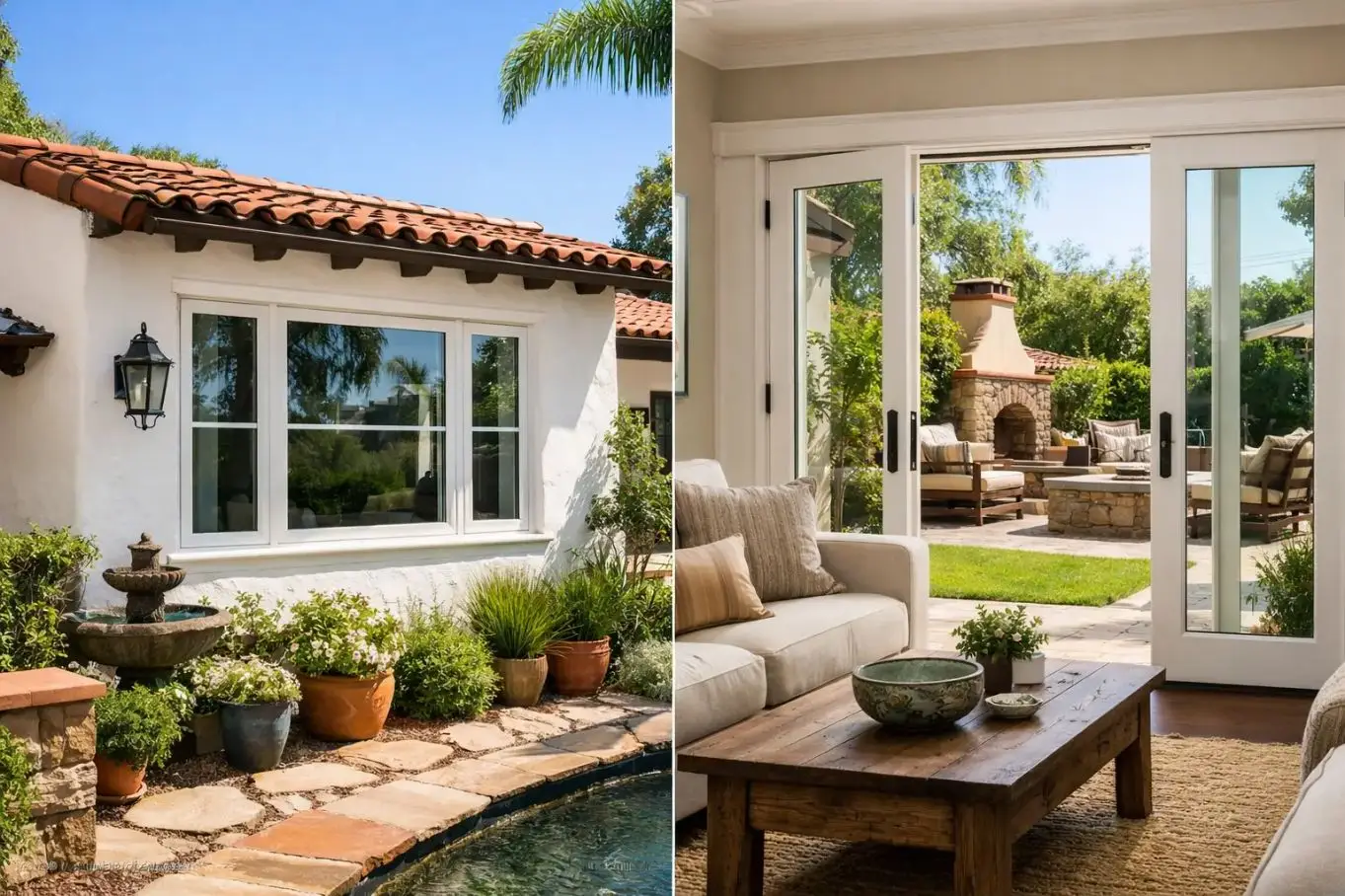
That starts with appearance. Frame profile, grid pattern, color, and glass area all affect whether a new window looks appropriate or looks obviously new. A thick modern frame inserted into a delicate older opening can change the look of the entire house, even if the window itself performs well.
It also includes installation method. In many cases, retrofit replacement windows allow homeowners to upgrade the window system without major structural changes to the surrounding wall. That can be especially valuable when preserving interior plaster, exterior trim details, or mature landscaping around the home. For houses with architectural character, less disruption is often a real advantage.
Best replacement windows for historic homes: what to look for
The best replacement windows for historic homes usually share a few core qualities. They should look clean and proportionate, offer modern insulating performance, and fit the home without forcing unnecessary design compromises.
Slim, well-proportioned frames
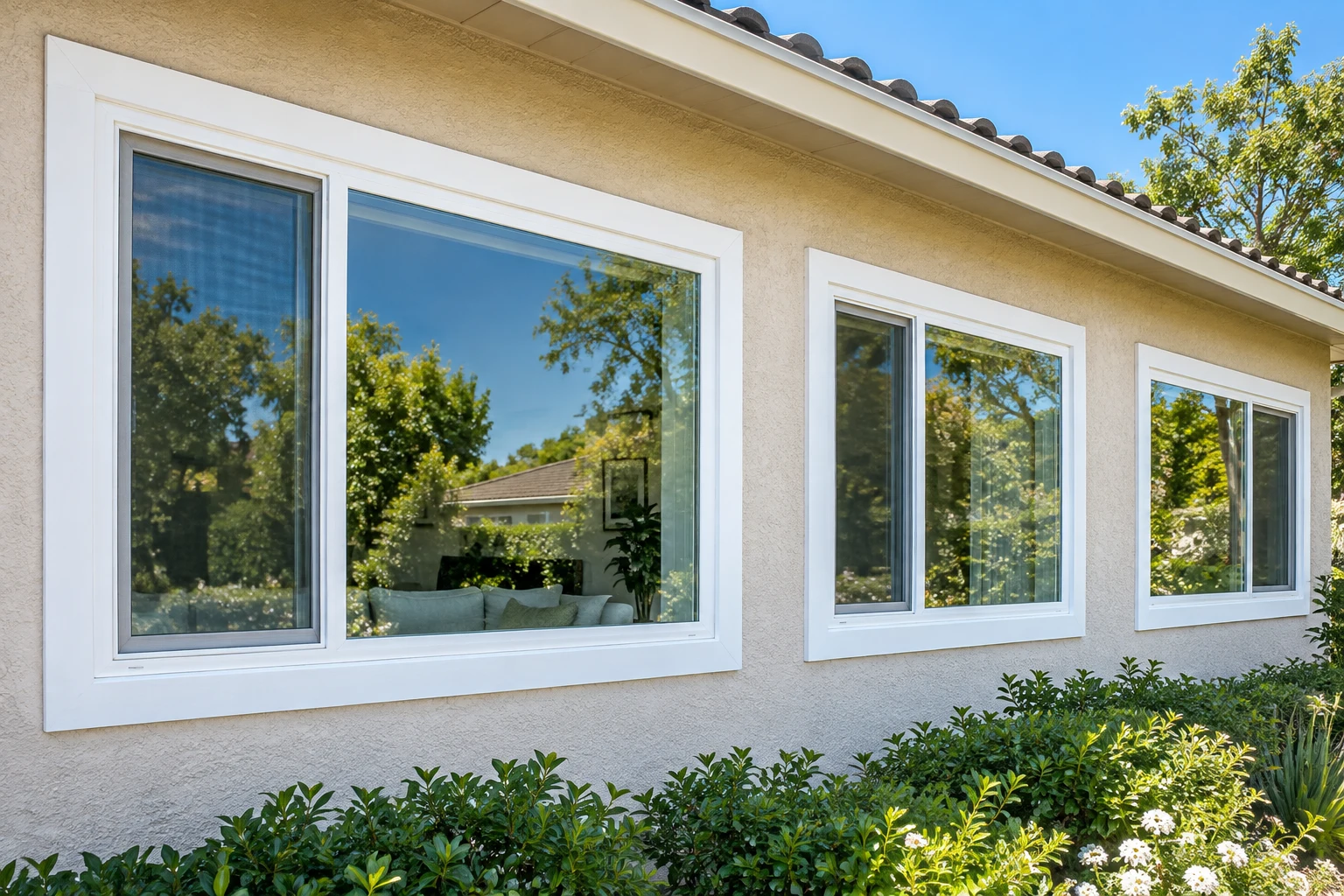
Historic homes often have narrower frame profiles than many builder-grade modern windows. A bulky frame can reduce visible glass and make the window opening feel smaller. Homeowners should look for replacement windows with a refined profile that complements older architecture rather than overpowering it.
Vinyl replacement windows can work very well here when the product line is thoughtfully designed. Not every vinyl window is a good match for an older home, but higher-quality options can provide a cleaner appearance, lower maintenance, and strong energy performance without looking out of place.
Grid patterns that match the home
Grilles or divided-lite patterns are one of the first things people notice on a historic-style window. Colonial, Craftsman, Spanish, and traditional homes all tend to have different visual rhythms. If the original home had divided lites, the replacement should reflect that pattern as closely as possible.
This is where details matter. The wrong grid layout can make a period home look inconsistent, even to someone who cannot immediately explain why. Matching the top sash pattern, maintaining symmetry, and choosing an appropriate grille style can preserve curb appeal in a way that generic replacements cannot.
Energy-efficient glass packages
Older windows were rarely designed to control solar heat gain the way modern insulated glass can. For many Southern California homeowners, that is where replacement windows provide the most noticeable improvement.
Dual-pane glass, Low-E coatings, and argon-filled insulated glass units can help reduce heat transfer, moderate indoor temperatures, and lessen strain on the HVAC system. In practical terms, that can mean bedrooms that stay more comfortable in late afternoon sun, living spaces that cool down faster, and less fading on floors and furniture.
The exact glass package should match the home’s orientation and climate exposure. A house with strong west-facing sun may need a different glass strategy than a shaded bungalow in a cooler pocket near the coast. The best choice is not always the most aggressive specification. It is the one that improves comfort without making the home feel dark or changing the look of the glass too much.
Sound control without a heavy visual change
Many older homes are located in established neighborhoods near busier streets, schools, or denser residential areas. If outside noise is a daily frustration, replacement windows with insulated glass can help noticeably reduce sound intrusion.
That benefit is often overlooked during the style discussion, but it can have a major impact on quality of life. Historic appearance matters, but so does being able to relax indoors without hearing every passing vehicle or early morning conversation outside.
Which window styles usually work best?
The best style depends on what the home originally had and how much of that look the homeowner wants to preserve. In most cases, staying close to the original operation style creates the best result.
Double-hung windows are often a natural fit for traditional and early 20th-century homes. They preserve familiar proportions and work well where homeowners want a classic look. Single-hung windows can also be appropriate, especially when the existing home already has that format.
Casement windows can suit some historic homes, but they are more style-sensitive. On the right house, they look intentional and elegant. On the wrong one, they can feel too contemporary. Sliding windows are usually more common in mid-century homes than in earlier historic properties, so they depend heavily on the home’s architecture.
Picture windows can be a good solution when preserving a large glass area matters and ventilation is less important. In some older homes, combining a fixed center window with operable side units can maintain the original character while improving performance.
When preservation and efficiency pull in different directions
This is where homeowners often get stuck. They want better comfort and lower energy costs, but they also do not want the home to lose what makes it special.
Sometimes the perfect visual match may not deliver the best thermal performance. In other cases, the most energy-efficient product may alter the frame dimensions or sightlines more than the homeowner is comfortable with. That does not mean the project is doomed. It simply means the decision should be made with clear priorities.
For some homeowners, preserving exterior character is the top goal, especially if the house has strong architectural identity. For others, solving persistent comfort problems comes first, particularly when rooms overheat or street noise affects daily life. The right solution is often a thoughtful middle ground rather than an extreme in either direction.
Why installation matters as much as the window itself
Even an excellent product can disappoint if it is not measured, fitted, and installed correctly. Historic homes are rarely perfectly square, and older openings often have settled over time. That makes experience especially important.
A careful retrofit approach can improve performance while minimizing disruption to finished surfaces and existing architectural elements. It can also help the new window sit more naturally within the opening. For homeowners, that means less mess, less unnecessary demolition, and a result that feels appropriate to the home.
This is one reason many homeowners prefer working with a specialist rather than a general contractor juggling multiple product categories. Window replacement in older homes requires both product knowledge and judgment. The goal is not simply to remove and replace. It is to improve the home without flattening its character.
Questions to ask before choosing replacement windows
Before moving forward, homeowners should ask a few practical questions. Does the new window maintain the original look from the street? Will the frame reduce visible glass noticeably? Is the glass package suited to the home’s sun exposure? Will the installation method preserve surrounding finishes? And just as important, will the new windows address the actual problem you are trying to solve, whether that is heat, drafts, condensation, noise, or all of the above?
These questions help narrow the field quickly. They also keep the project focused on outcomes that matter in daily life, not just showroom features.
For homeowners in older Southern California neighborhoods, this kind of planning is especially valuable. Many homes need better temperature control and energy performance, but they also deserve window solutions that respect their design. Companies that specialize in residential retrofit window replacement, such as Total Home Windows, can help homeowners weigh those trade-offs with more clarity.
The best replacement window for a historic home is rarely the flashiest option. It is the one that looks right, performs well, and helps the home feel cooler, quieter, and more comfortable without erasing the details that made it worth preserving.
- Categories: Uncategorized
Southern California Window Replacement Guide
Single Pane vs Dual Pane: Which Fits Your Home?
Replacement Windows Los Angeles Homeowners Choose
Retrofit Windows vs Full Frame: Which Fits?
A Guide to Full Window Replacement at Home
Vinyl vs Aluminum Windows for Southern California
Best Windows for Hot Climates in Southern California
A Homeowner’s Guide to Energy Efficient Windows
How to Reduce Window Heat at Home
About Total Home Windows
Total Home Windows is a Southern California-based window replacement company focused on helping homeowners improve energy efficiency, indoor comfort, and long-term home value through high-performance window installations.
Serving Los Angeles County, Orange County, Riverside County, San Bernardino County, and Ventura County, the company specializes in both vinyl retrofit (insert) and full-frame window replacement. Their work is tailored to the unique demands of California homes, including intense UV exposure, coastal conditions, and heat retention issues common in older properties.
Total Home Windows combines practical installation experience with a strong focus on energy performance—helping homeowners reduce cooling costs, improve insulation, and solve common problems like rooms that stay hot even with air conditioning. Their approach prioritizes clear recommendations, transparent pricing, and solutions that make sense for each home.
The content published by Total Home Windows is built on real installation knowledge, field-tested performance insights, and current best practices in window technology, including Low-E glass, argon-filled units, and energy-efficient design strategies. Their goal is to help homeowners make informed decisions without overpaying or choosing the wrong type of window system.
Ways to Reach Us
If you’re considering window replacement, we’re here to answer questions and provide clear, professional guidance based on your home and goals.
- teamallstarconstruction@gmail.com
- 301 E.9th St Suite 415 Redlands, CA 92374