Learn the cost to replace windows in old house projects, what affects pricing, and how to choose energy-efficient options for comfort and value.
Sticker shock is common when homeowners first look up the cost to replace windows in old house projects. The reason is simple: older homes rarely fit neat pricing averages. Two houses with the same number of windows can end up with very different proposals depending on frame condition, window size, glass package, and how much performance the homeowner wants from the new system.
If your home has aging single-pane windows, drafty rooms, outside noise, or areas that are hard to cool, window replacement is usually about more than appearance. In Southern California, where sun exposure and indoor comfort matter year-round, the right replacement windows can help reduce heat transfer, improve comfort, and update the home without major structural disruption.
What is the cost to replace windows in old house projects?
For most homeowners, the cost to replace windows in an old house typically falls within a broad range because every opening tells a different story. A straightforward retrofit replacement with standard sizes and energy-efficient vinyl frames may cost far less than a project involving oversized openings, specialty shapes, or hidden frame damage.
As a general budgeting starting point, many homeowners see per-window costs land somewhere in the mid-hundreds to low thousands depending on product quality, glass upgrades, and installation complexity. When multiplied across a whole-house project, that can mean several thousand dollars for a smaller home or significantly more for larger homes with many openings.
That wide range is not a sign that pricing is unreliable. It usually reflects real differences in the home itself. Older homes often include non-standard dimensions, settled walls, worn trim, and outdated window designs that require a more tailored approach than newer construction.
Why older homes cost more than newer homes
An older home may look straightforward from the outside, but window replacement often reveals details that affect labor and material costs. Wood frames may have experienced years of sun exposure or moisture. Openings may no longer be perfectly square. Some homes have been remodeled over time, which means the windows in one elevation may not match the windows in another.
There is also the question of performance expectations. Homeowners replacing old windows usually want more than a cosmetic update. They want cooler rooms, better insulation, less street noise, easier operation, and less fading from sun exposure. Achieving those results may require upgraded dual-pane glass, Low-E coatings, argon-filled insulated glass units, or improved frame construction.
In other words, the price is not just about putting new glass in an old opening. It is about improving how the home feels and performs.
The biggest factors that affect replacement cost
Window style is one of the first cost drivers. A standard horizontal slider or single-hung replacement window is usually more budget-friendly than a bay window, picture window, or custom shape. If your home has large fixed panes in a living room or decorative accent windows, those often cost more because of size, glass requirements, and manufacturing complexity.
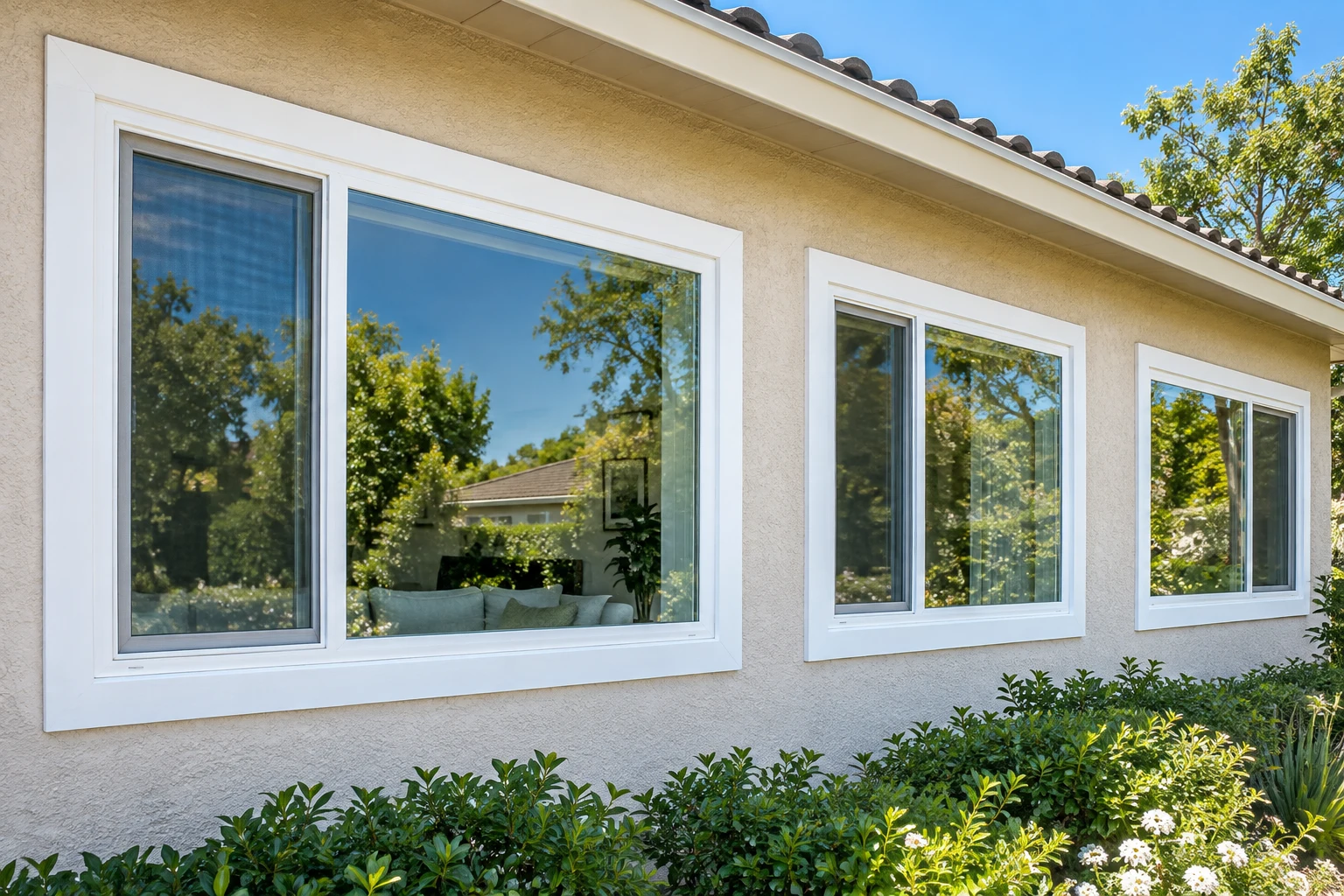
Frame material matters too. Vinyl replacement windows are a popular choice for older homes because they offer strong energy performance, lower maintenance, and a clean updated look. They also tend to provide a practical balance between long-term value and upfront cost, especially for homeowners focused on comfort and efficiency.
Glass package upgrades can change the total investment in a meaningful way. Dual-pane glass is a major improvement over older single-pane windows. Add Low-E coatings and argon gas, and you can further reduce solar heat gain, improve insulation, and help rooms stay more comfortable. In warm Southern California climates, these upgrades are often worth serious consideration because they target one of the biggest homeowner complaints: rooms that heat up too fast in the afternoon.
Installation complexity is another major variable. If the existing frame is solid and a retrofit installation is appropriate, labor is often more controlled. If the opening has hidden deterioration, trim issues, or unusual dimensions, the labor and materials can increase. Homes with stucco exteriors, older interior finishes, or limited access areas may also require more care during installation.
Retrofit vs. more extensive replacement work
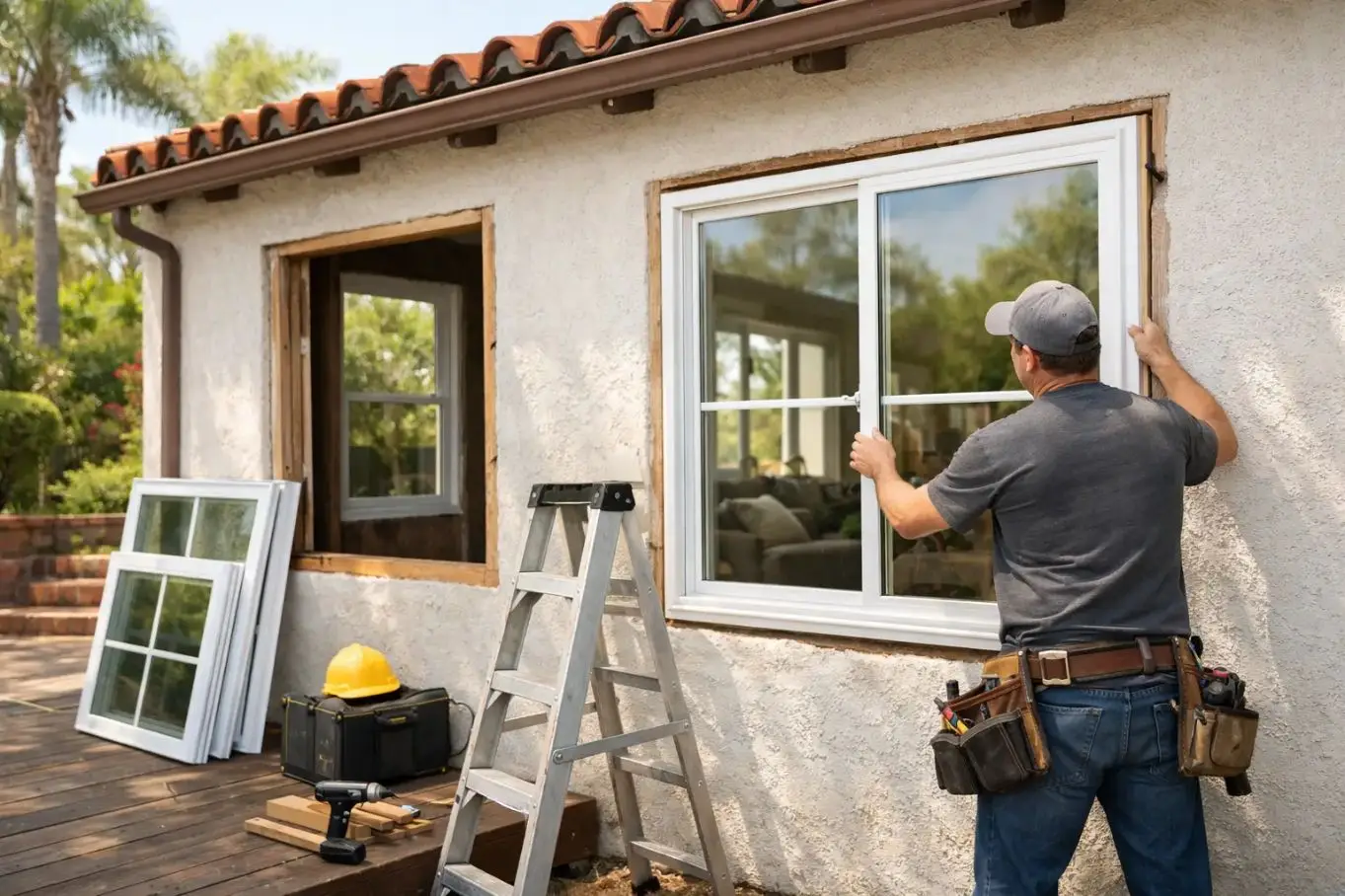
One reason estimates vary so much is that not every old house needs the same type of installation. In many cases, a modern retrofit window replacement allows new energy-efficient windows to be installed into the existing opening without extensive structural changes. That approach is often faster, cleaner, and more cost-effective for homeowners.
When the existing conditions support it, retrofit installation can deliver major comfort and efficiency improvements while minimizing disruption to the home. That is especially appealing for occupied homes where homeowners want better performance without turning the project into a larger remodel.
There are times, however, when older homes need more extensive work because of frame deterioration or other condition-related issues. That can raise the cost, but it may also be the right long-term decision if it protects the integrity of the opening and improves the result.
How many windows should you replace at once?
Some homeowners plan to replace every window at the same time, while others focus on the worst rooms first. Both approaches can make sense.
A full-home project creates the most consistent appearance and performance. It can also be more efficient from a scheduling and installation standpoint. If multiple rooms suffer from heat, drafts, or noise, whole-home replacement may deliver the most noticeable improvement in comfort.
A phased approach can work when the budget is tighter or certain windows are clearly failing first. Bedrooms facing traffic, west-facing living areas, and rooms with old aluminum or single-pane windows are often good candidates to prioritize. The trade-off is that the home may continue to have uneven comfort and appearance until later phases are complete.
Energy efficiency and long-term value
Homeowners often start with price, but they usually end up evaluating value. The lowest quote is not always the best fit for an older home, especially if the product lacks the glass performance or frame quality needed to address heat transfer and noise.
Well-designed replacement windows can help reduce strain on HVAC systems, improve indoor temperature consistency, and create a quieter interior. They can also update curb appeal and make the home feel better maintained. Those benefits matter in daily life, even if the exact payback timeline varies from one home to another.
This is especially relevant in Southern California, where sun exposure, warm afternoons, and cooling costs shape how a home performs. Choosing a better glass package may raise the project cost upfront, but it can also deliver better comfort in the rooms you use every day.
How to budget realistically for an old house
The best way to budget is to think in terms of priorities rather than chasing a single online average. Start by identifying how many windows need replacement, which rooms are causing the biggest comfort problems, and what outcomes matter most to you. For some homeowners, the main goal is reducing heat. For others, it is noise reduction, easier operation, or updating the home’s appearance.
It also helps to separate must-haves from upgrades. A quality vinyl replacement window with dual-pane glass may cover the essentials. Low-E coatings, argon gas, or enhanced sound reduction features can then be evaluated based on your location, sun exposure, and lifestyle.
When reviewing estimates, make sure you understand what is included. Product type, glass package, installation method, finish details, and warranty coverage all affect the real value of the proposal. A lower number may look attractive at first, but it may not reflect the same performance level or installation quality.
What homeowners should ask before choosing a contractor
Older homes deserve careful evaluation, not one-size-fits-all pricing. Ask whether the installer specializes in replacement windows for existing homes, whether the company is properly licensed, and how they evaluate frame condition and retrofit suitability.
You should also ask how the proposed windows are designed to improve comfort in your climate. That matters because a window that looks good on paper may not be the best answer for a hot, sun-exposed room or a home near traffic noise.
For homeowners in Los Angeles County, Orange County, Riverside County, San Bernardino County, and Ventura County, working with a licensed specialist such as Total Home Windows, the replacement window division of Team All Star Construction, CSLB #1009760, can help simplify the process. The goal is not just to replace old windows, but to choose a system that fits the home, supports energy efficiency, and improves day-to-day comfort.
If you are pricing windows for an older house, expect the answer to be specific to your home rather than pulled from a chart. That is actually a good thing. The right proposal should account for how your home is built, what problems you want to solve, and which upgrades will make the biggest difference once the windows are in place.
- Categories: Uncategorized
Southern California Window Replacement Guide
Single Pane vs Dual Pane: Which Fits Your Home?
Replacement Windows Los Angeles Homeowners Choose
Retrofit Windows vs Full Frame: Which Fits?
A Guide to Full Window Replacement at Home
Vinyl vs Aluminum Windows for Southern California
Best Windows for Hot Climates in Southern California
A Homeowner’s Guide to Energy Efficient Windows
How to Reduce Window Heat at Home
About Total Home Windows
Total Home Windows is a Southern California-based window replacement company focused on helping homeowners improve energy efficiency, indoor comfort, and long-term home value through high-performance window installations.
Serving Los Angeles County, Orange County, Riverside County, San Bernardino County, and Ventura County, the company specializes in both vinyl retrofit (insert) and full-frame window replacement. Their work is tailored to the unique demands of California homes, including intense UV exposure, coastal conditions, and heat retention issues common in older properties.
Total Home Windows combines practical installation experience with a strong focus on energy performance—helping homeowners reduce cooling costs, improve insulation, and solve common problems like rooms that stay hot even with air conditioning. Their approach prioritizes clear recommendations, transparent pricing, and solutions that make sense for each home.
The content published by Total Home Windows is built on real installation knowledge, field-tested performance insights, and current best practices in window technology, including Low-E glass, argon-filled units, and energy-efficient design strategies. Their goal is to help homeowners make informed decisions without overpaying or choosing the wrong type of window system.
Ways to Reach Us
If you’re considering window replacement, we’re here to answer questions and provide clear, professional guidance based on your home and goals.
- teamallstarconstruction@gmail.com
- 301 E.9th St Suite 415 Redlands, CA 92374