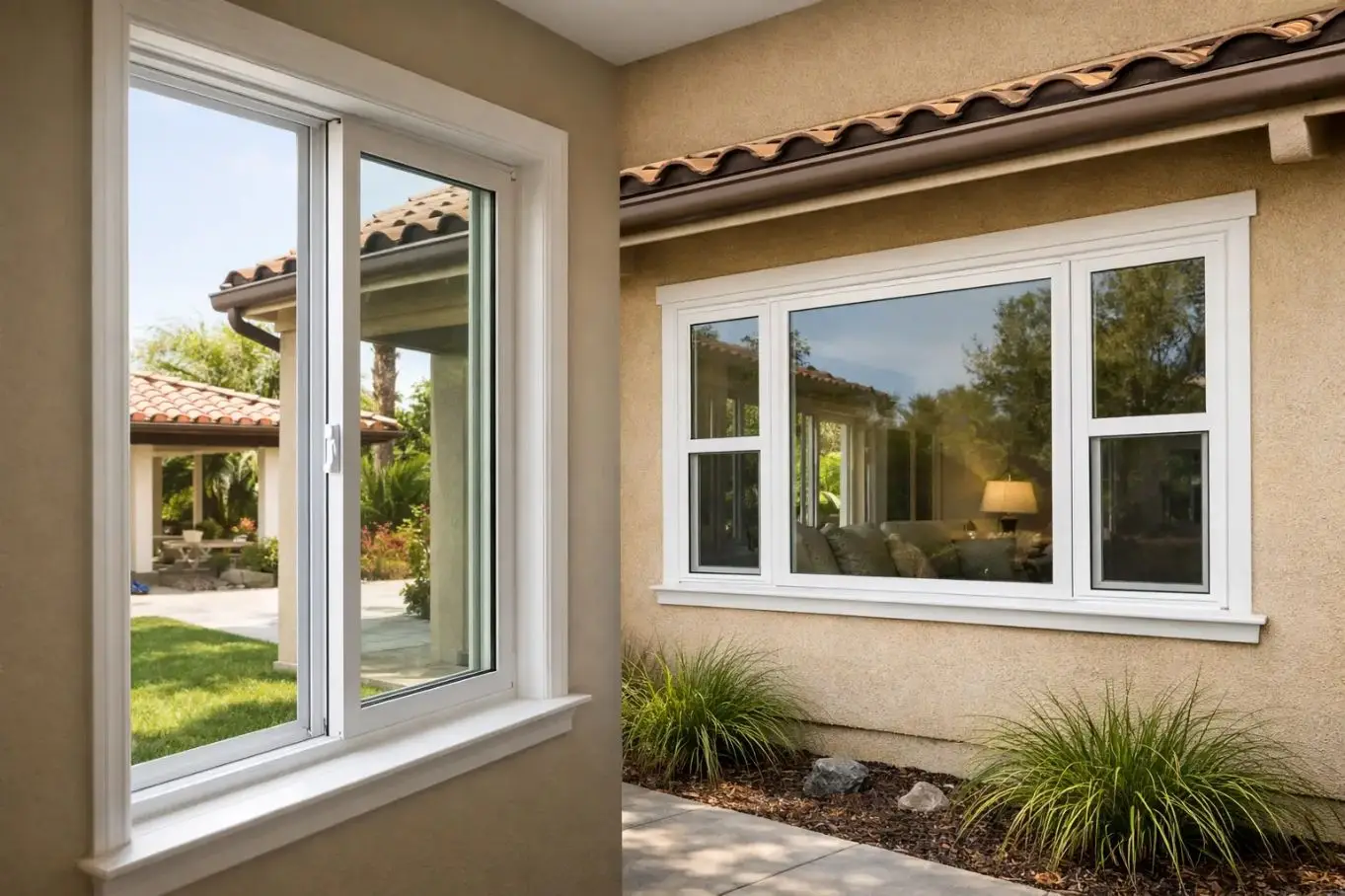
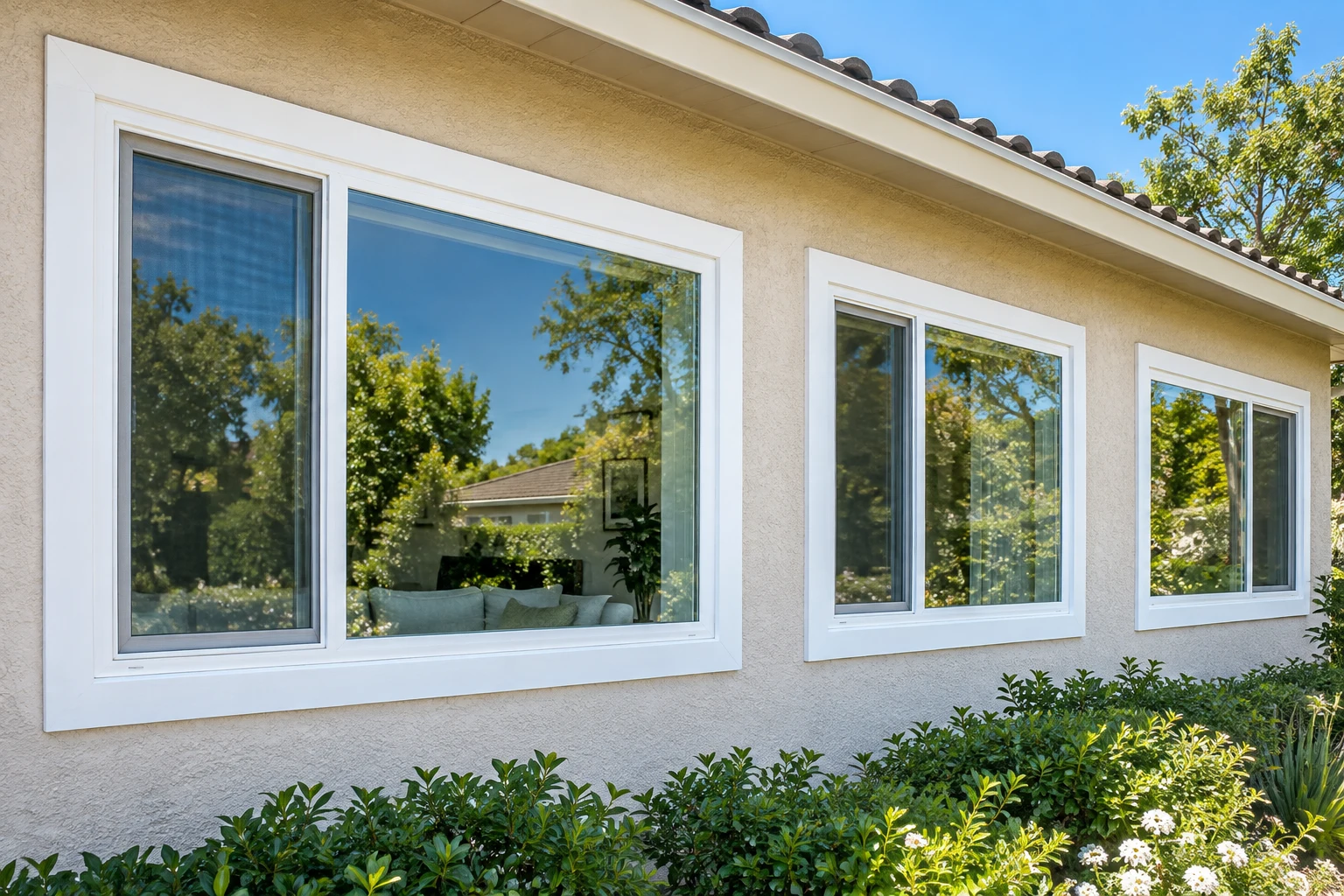
Use this guide to full window replacement to compare retrofit and full-frame options, select efficient glass, and plan your Southern California project.
A window that lets afternoon heat pour into a living room, rattles with traffic noise, or shows fog between its panes is more than an appearance issue. It can affect how comfortable the home feels every day. This guide to full window replacement helps Southern California homeowners understand what replacement involves, when a retrofit installation makes sense, and how to choose windows that support cooler, quieter, more efficient rooms.
Start With the Problems You Want to Solve
The best replacement window is not simply the newest or most expensive option. It is the one that addresses the conditions in your home. A west-facing bedroom in Rancho Cucamonga may need better control of intense afternoon sun, while a home near a busy Los Angeles street may prioritize outside-noise reduction. Coastal homeowners may be focused on aging frames and moisture exposure, while Inland Empire homes often need help reducing heat gain and air-conditioning demand.
Common signs that replacement deserves serious consideration include rooms that are hard to cool, drafts near closed windows, noticeable outdoor noise, condensation between glass panes, difficult operation, fading furnishings, and frames that look worn or outdated. Rising utility bills alone do not prove that windows are the only cause, but inefficient windows can contribute to unwanted heat transfer and make the HVAC system work harder.
Before selecting products, walk through your home at different times of day. Notice which rooms become uncomfortable, where sunlight is strongest, and whether noise is isolated to certain elevations. Those observations help guide decisions about glass, window style, and installation approach.
Full Window Replacement or Retrofit: Know the Difference
Homeowners often use “full window replacement” to mean replacing every old window in the home. In installation terms, however, it can also refer to full-frame replacement. The distinction matters.
A retrofit, also called insert replacement, installs a new replacement window within the existing frame opening. This is a common choice for Southern California homes when the existing frame is sound and there is no need to alter the surrounding wall or exterior finish. It is generally less disruptive than a structural project and can deliver significant improvements in comfort, efficiency, operation, and appearance.
Full-frame replacement removes the entire existing window frame as well as the window itself. It may be appropriate when there is frame damage, water intrusion, rot, construction defects, or a need to change the opening size or window configuration. Because it can require work to exterior finishes and interior trim, it is usually a more involved project.
Neither approach is automatically better. A careful evaluation of the frame condition, wall details, desired design changes, and home performance goals should determine the right path. A qualified contractor should explain why a particular method fits the home rather than treating every opening the same.
Choose Glass for Southern California Comfort
Glass is the largest part of most windows, so its performance has a direct effect on indoor comfort. Modern dual-pane insulated glass units use two panes separated by a sealed space. That space helps reduce heat transfer compared with older single-pane windows.
Low-E glass has a thin, nearly invisible coating that helps manage solar heat and ultraviolet light. In practical terms, the right Low-E package can make rooms feel less exposed to harsh sun, reduce fading on flooring and furnishings, and ease the burden on air conditioning. The ideal glass option depends on window direction, shading, climate zone, and the homeowner’s priorities.
For example, a home in Riverside or San Bernardino with broad west-facing glass may benefit from glass selected to limit solar heat gain. A home with mature trees and limited direct sun may have a different balance of needs. More solar control is not always the answer if a homeowner values daylight and winter warmth in a particular room.
Many energy-efficient replacement windows also use argon gas between the panes. Argon is an insulating gas that helps improve the thermal performance of the sealed glass unit. It is not a feature homeowners need to see or manage, but it works alongside dual-pane construction and Low-E coatings to improve comfort.
Frame Materials and Window Styles Affect Daily Use
Vinyl replacement windows remain a popular option because they are durable, low-maintenance, and available in styles suited to many Southern California homes. Quality matters. Well-designed frames, secure weatherstripping, strong hardware, and a properly built insulated glass unit all contribute to long-term performance.
Style should be based on how you use the room. Sliding windows can suit wider openings and may be convenient where exterior clearance is limited. Single-hung and double-hung styles provide a traditional look and can support ventilation. Casement windows open outward and can provide a tight seal when closed. Picture windows maximize views and daylight but do not open, so they are often paired with operable windows elsewhere for airflow.
A full-house project does not have to use one identical style everywhere. Consistent sightlines and color can create a unified exterior appearance while allowing each room to have the operation and ventilation it needs.
Noise Reduction Requires Realistic Expectations
New windows can make a meaningful difference in outside noise, particularly when replacing older single-pane windows with well-built dual-pane systems. Tighter seals can reduce the small gaps that allow sound and air to enter, while insulated glass can soften everyday traffic, neighborhood activity, and other exterior noise.
Still, windows are only one part of the building envelope. Sound can also travel through walls, doors, vents, and openings around them. If noise is your primary concern, discuss the source and timing of the noise during your consultation. The right recommendation may involve specific glass configurations, but an honest assessment should also account for the rest of the room.
What a Professional Replacement Process Should Include
A successful project begins before installation day. The contractor should measure each opening, evaluate existing frame conditions, discuss style and glass choices, and explain the proposed installation method. Product selection should be documented clearly enough that you understand what is being installed and why.
Installation should be organized to protect the home and minimize disruption. Crews commonly work through the project in stages, removing and replacing windows one opening at a time rather than leaving large areas exposed. Once each unit is set, it should be secured, sealed, insulated as appropriate, and tested for smooth operation.
A final walkthrough is the time to inspect the work with the installer. Open and close every operable window, check locks, look at interior and exterior finish details, and ask how to clean and maintain the new units. You should also receive warranty information and understand whom to contact with questions after the project is complete.
Questions to Ask Before You Commit
A replacement window proposal should make it easier to compare options, not harder. Ask whether the installation is retrofit or full-frame and why that method is recommended. Confirm the glass package, frame material, operating style, color, hardware, and any exterior trim details. Ask how the crew will protect landscaping, flooring, and furniture, as well as how the company handles unexpected frame damage if it is discovered after removal.
Contractor qualifications matter just as much as the product. California homeowners should verify active licensing, insurance, experience with residential replacement windows, and a clear written scope of work. A licensed specialist can help connect product choices to the actual comfort challenges in your home rather than relying on a one-size-fits-all recommendation.
Total Home Windows, the replacement window division of Team All Star Construction, CSLB #1009760, helps homeowners across Los Angeles, Orange, Riverside, San Bernardino, and Ventura counties evaluate energy-efficient retrofit window solutions based on their homes, climate exposure, and comfort goals.
Plan for Long-Term Value, Not Just Installation Day
Replacement windows should improve how the home feels long after the installation is finished. The value may show up as a cooler afternoon family room, less need to close blinds against glare, quieter sleep, easier window operation, or a more updated exterior. Energy savings can be part of the benefit, but they vary with the home’s insulation, HVAC system, thermostat settings, shade, sun exposure, and household habits.
That is why the most useful decision is rarely based on a single advertised feature. Consider the complete window system, the quality of the installation, and the problems you want to solve in each room. When those pieces align, replacement windows become a practical investment in a home that feels better every season.
- Categories: Uncategorized
Southern California Window Replacement Guide
Single Pane vs Dual Pane: Which Fits Your Home?
Replacement Windows Los Angeles Homeowners Choose
Retrofit Windows vs Full Frame: Which Fits?
Vinyl vs Aluminum Windows for Southern California
Best Windows for Hot Climates in Southern California
A Homeowner’s Guide to Energy Efficient Windows
How to Reduce Window Heat at Home
Are Retrofit Windows Worth It for Your Home?
About Total Home Windows
Total Home Windows is a Southern California-based window replacement company focused on helping homeowners improve energy efficiency, indoor comfort, and long-term home value through high-performance window installations.
Serving Los Angeles County, Orange County, Riverside County, San Bernardino County, and Ventura County, the company specializes in both vinyl retrofit (insert) and full-frame window replacement. Their work is tailored to the unique demands of California homes, including intense UV exposure, coastal conditions, and heat retention issues common in older properties.
Total Home Windows combines practical installation experience with a strong focus on energy performance—helping homeowners reduce cooling costs, improve insulation, and solve common problems like rooms that stay hot even with air conditioning. Their approach prioritizes clear recommendations, transparent pricing, and solutions that make sense for each home.
The content published by Total Home Windows is built on real installation knowledge, field-tested performance insights, and current best practices in window technology, including Low-E glass, argon-filled units, and energy-efficient design strategies. Their goal is to help homeowners make informed decisions without overpaying or choosing the wrong type of window system.
Ways to Reach Us
If you’re considering window replacement, we’re here to answer questions and provide clear, professional guidance based on your home and goals.
- teamallstarconstruction@gmail.com
- 301 E.9th St Suite 415 Redlands, CA 92374