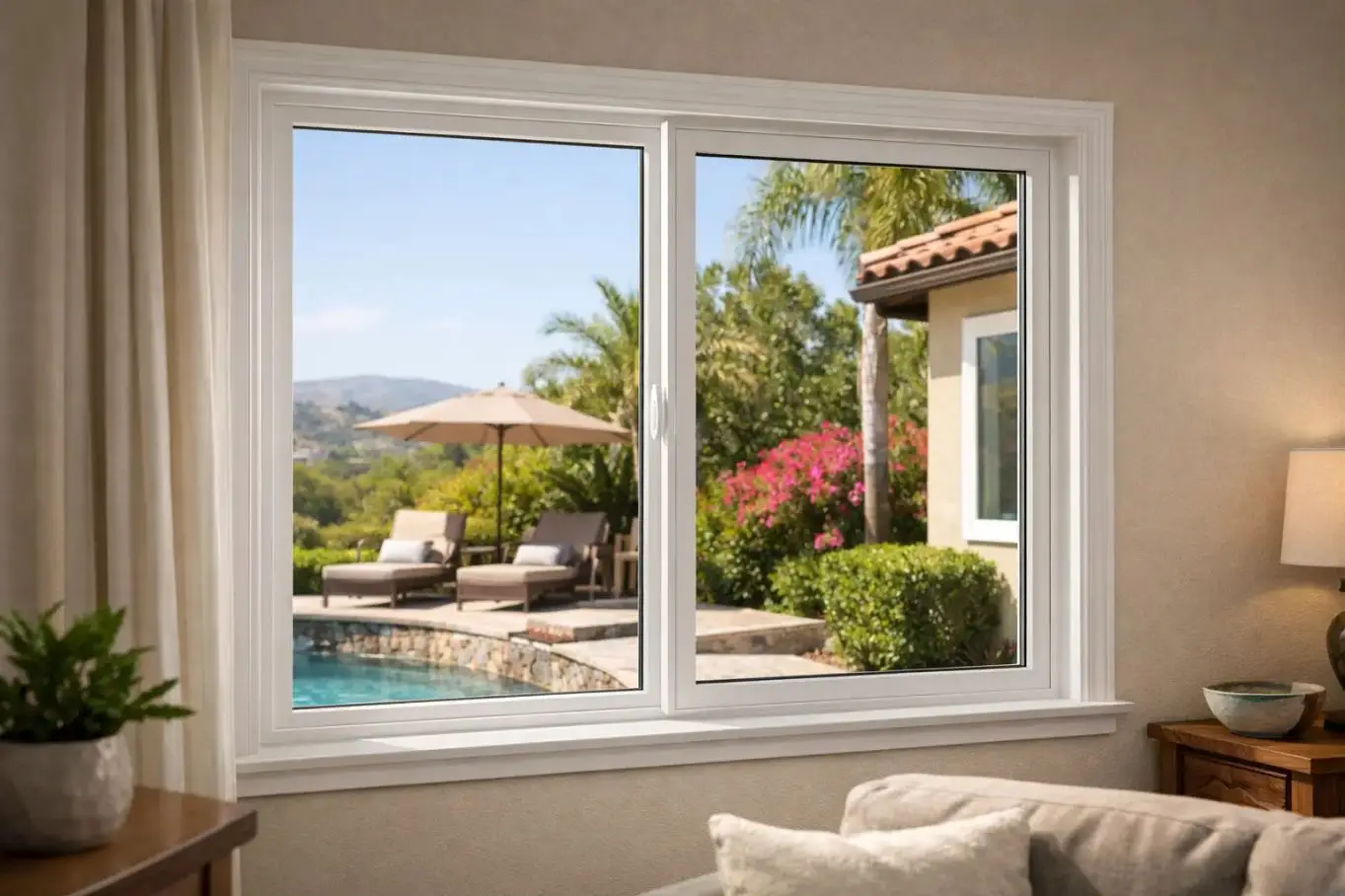
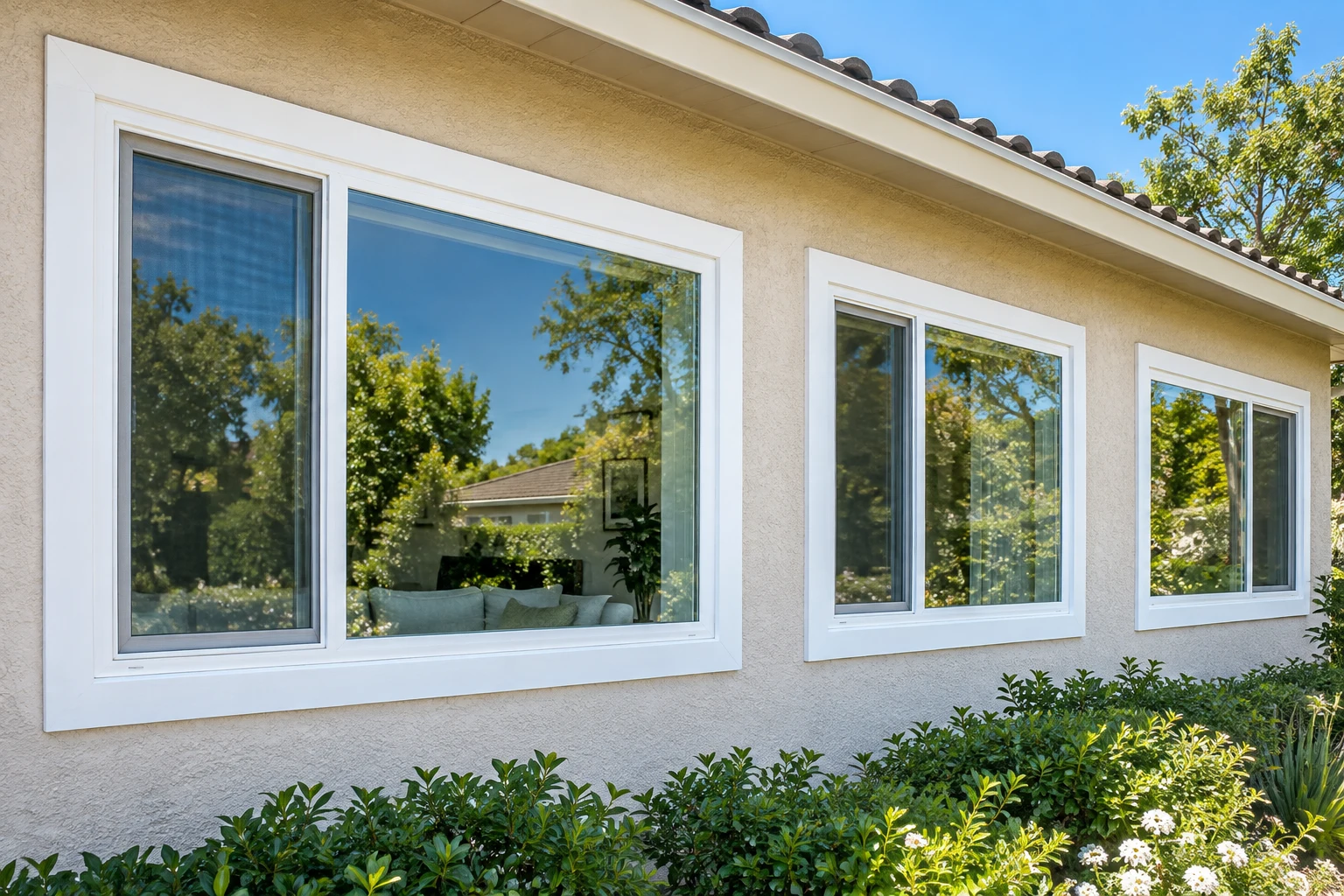
A homeowner-friendly guide to vinyl retrofit windows covering energy savings, noise reduction, costs, and what to expect in Southern California.
If your home heats up too fast in the afternoon, your AC runs longer than it should, or street noise seems to come right through the glass, this guide to vinyl retrofit windows will help you sort out what matters and what does not. For many Southern California homeowners, replacing older windows is less about appearance alone and more about making daily life cooler, quieter, and easier to manage.
What vinyl retrofit windows actually are
Vinyl retrofit windows are replacement windows designed to fit into an existing window frame when that frame is still structurally sound. Instead of removing large portions of the surrounding wall, siding, or stucco, the new window is installed within the existing opening. That makes retrofit replacement a practical option for many lived-in homes where the goal is better performance without major disruption.
For homeowners, the biggest advantage is usually efficiency with less mess. A properly planned retrofit can improve comfort, reduce air leakage, cut solar heat transfer, and update the look of the home while avoiding the more invasive work associated with full-frame replacement.
Vinyl is also a popular frame material for a reason. It does not require frequent repainting, it resists moisture well, and it performs reliably in a wide range of temperatures. In sunny areas across Los Angeles County, Orange County, Riverside County, San Bernardino County, and Ventura County, that combination of low maintenance and strong thermal performance is often a good fit.
Why homeowners choose a guide to vinyl retrofit windows
Most people start researching windows after living with the same frustrations for years. Maybe one bedroom is always hotter than the rest of the house. Maybe condensation shows up between panes. Maybe your older aluminum windows still function, but they let in too much heat and too much outside noise.
That is where a clear guide to vinyl retrofit windows becomes useful. The right replacement window system is not just a frame with glass. It is a comfort upgrade. Dual-pane construction, Low-E coatings, insulated glass, and tighter seals all work together to help the home hold a more stable indoor temperature. In practical terms, that can mean fewer hot spots, less strain on your HVAC system, and rooms that feel more usable throughout the day.
Noise is another major factor. Homeowners near busier roads, schools, flight paths, or dense neighborhoods often notice a meaningful difference after replacing aging single-pane or loose-fitting windows. No window can make a home silent, but the right retrofit setup can help reduce common outside noise and make the interior feel calmer.
When retrofit is a smart choice and when it is not
Retrofit replacement works best when the existing frame is in good condition. If the surrounding material is stable, square, and free of significant damage, a retrofit installation can deliver excellent results. It is often the preferred option for homeowners who want strong performance improvements without opening up exterior finishes unnecessarily.
There are times when a full-frame approach may be the better path. If there is hidden water damage, frame rot, structural movement, or previous installation problems, installing into an unhealthy opening can limit the long-term performance of the new window. A trustworthy contractor should inspect the condition of the opening and explain whether retrofit is appropriate rather than forcing one approach for every home.
That trade-off matters. Retrofit installation is efficient and less invasive, but it depends on the quality of the existing frame. Full-frame replacement offers a deeper reset, though it can involve more labor, more material disruption, and a different price range.
The most important features to compare
Homeowners can get overwhelmed by window terminology quickly, so it helps to focus on the features that directly affect comfort.
Glass package comes first. In Southern California, solar heat control matters. Low-E glass helps reduce heat gain from the sun while still allowing natural light into the home. For many households, this is one of the most noticeable upgrades because it helps rooms stay more comfortable during long warm seasons.
Dual-pane insulated glass is another core feature. Two panes of glass with an insulating space between them help reduce heat transfer better than older single-pane windows. If the unit includes argon gas, that insulating performance can improve further. Homeowners do not need to memorize the science behind it. The practical benefit is that the window does a better job separating indoor comfort from outdoor conditions.
Frame design matters too. A quality vinyl frame should be durable, well-constructed, and designed to seal tightly. The sash and weatherstripping should help limit drafts and air leakage. Hardware should feel solid and easy to operate. If a window is difficult to open or close in the showroom, that issue rarely improves after installation.
Then there is style. Whether you prefer slider, single-hung, double-slider, picture, or another configuration, the right choice depends on ventilation needs, room layout, and the appearance of the home. A large fixed picture window may maximize light and views, while operable windows offer airflow where that matters most.
What to expect during the replacement process
A professional retrofit project should feel organized, not chaotic. The process usually starts with measuring existing openings and evaluating frame condition. That is also the time to discuss your comfort goals. Some homeowners prioritize heat reduction. Others care most about noise control, updated appearance, or solving windows that no longer operate smoothly.
Once the window system is selected, the new units are manufactured to fit the home. On installation day, the old window components are removed while preserving the main existing frame where appropriate. The new retrofit window is then fitted, leveled, secured, insulated, and sealed. Interior and exterior finishing details are completed so the final result looks clean and intentional.
For occupied homes, minimal disruption is one of the main reasons retrofit replacement is appealing. Work is generally much less invasive than a structural remodel. That said, homeowners should still expect some noise, temporary room access limitations, and normal installation activity.
Cost, value, and what really affects the investment
Price matters, but it should be viewed in context. The cost of vinyl retrofit windows depends on the size of the project, window style, glass package, accessibility, and installation complexity. A basic replacement and a premium energy-efficient system are not the same product, and the lower number on paper does not always produce the better long-term outcome.
What homeowners are really buying is a combination of product quality and installation quality. An efficient window that is poorly measured or poorly sealed can underperform. On the other hand, a thoughtfully selected vinyl retrofit system installed correctly can improve comfort for years with very little maintenance.
There is also the value side beyond monthly utility use. Updated windows can improve curb appeal, reduce interior fading from sun exposure, and make a home feel better cared for overall. For homeowners planning to stay long term, comfort often becomes the deciding factor. When rooms are easier to cool and the house feels quieter, the benefit is felt every day.
Choosing the right contractor for vinyl retrofit replacement
The contractor matters as much as the window. Homeowners should look for a licensed California contractor with clear experience in residential replacement windows, not a company that treats windows as an occasional add-on service. Proper measurement, product knowledge, and clean installation practices have a direct impact on performance.
This is also where local experience helps. Southern California homes face intense sun exposure, varied architectural styles, and neighborhood-specific noise conditions. A contractor familiar with homes across the region can better recommend glass packages and configurations that suit the climate and the way the home is actually used.
Total Home Windows, the replacement window division of Team All Star Construction, CSLB #1009760, focuses specifically on helping homeowners improve comfort, energy efficiency, and noise reduction through professionally installed retrofit window systems. That specialization matters when the goal is not just replacing old windows, but improving how the home performs.
Common mistakes homeowners can avoid
One common mistake is choosing based only on frame color or showroom appearance. Looks matter, but performance matters more. Another is assuming all dual-pane windows perform the same way. They do not. Glass coatings, spacer systems, frame quality, and installation details all influence results.
It is also easy to underestimate the importance of matching the window to the room. West-facing rooms with strong afternoon sun may need a different glass strategy than shaded areas of the home. Bedrooms facing a busy street may benefit from a different performance priority than a backyard-facing dining room.
A good consultation should account for those differences. The best answer is not always one identical window package for every opening.
If you are weighing whether replacement is worth it, focus less on the label and more on the day-to-day problems you want to solve. Better windows should make your home feel more comfortable when the sun is intense, quieter when the neighborhood is active, and easier to enjoy year after year.
- Categories: Uncategorized
Southern California Window Replacement Guide
Single Pane vs Dual Pane: Which Fits Your Home?
Replacement Windows Los Angeles Homeowners Choose
Retrofit Windows vs Full Frame: Which Fits?
A Guide to Full Window Replacement at Home
Vinyl vs Aluminum Windows for Southern California
Best Windows for Hot Climates in Southern California
A Homeowner’s Guide to Energy Efficient Windows
How to Reduce Window Heat at Home
About Total Home Windows
Total Home Windows is a Southern California-based window replacement company focused on helping homeowners improve energy efficiency, indoor comfort, and long-term home value through high-performance window installations.
Serving Los Angeles County, Orange County, Riverside County, San Bernardino County, and Ventura County, the company specializes in both vinyl retrofit (insert) and full-frame window replacement. Their work is tailored to the unique demands of California homes, including intense UV exposure, coastal conditions, and heat retention issues common in older properties.
Total Home Windows combines practical installation experience with a strong focus on energy performance—helping homeowners reduce cooling costs, improve insulation, and solve common problems like rooms that stay hot even with air conditioning. Their approach prioritizes clear recommendations, transparent pricing, and solutions that make sense for each home.
The content published by Total Home Windows is built on real installation knowledge, field-tested performance insights, and current best practices in window technology, including Low-E glass, argon-filled units, and energy-efficient design strategies. Their goal is to help homeowners make informed decisions without overpaying or choosing the wrong type of window system.
Ways to Reach Us
If you’re considering window replacement, we’re here to answer questions and provide clear, professional guidance based on your home and goals.
- teamallstarconstruction@gmail.com
- 301 E.9th St Suite 415 Redlands, CA 92374