Prices and performance figures in this guide are planning examples, not a project quote or a promise of savings. Your estimate and results depend on the products, installation scope, existing home, climate, and energy use.
If you’re planning to replace your windows, one of the first questions is:
→ “How much should I actually budget for this?”
And the honest answer is:
→ It depends on your home, your goals, and how long you plan to stay there.
But don’t worry—we’re going to break this down into real, practical numbers so you can:
- Set a realistic budget
- Avoid overspending
- Avoid going too cheap (which usually costs more later)
- And make a confident decision
The Short Answer (Realistic Budget Ranges)
In 2026, most California homeowners should expect:
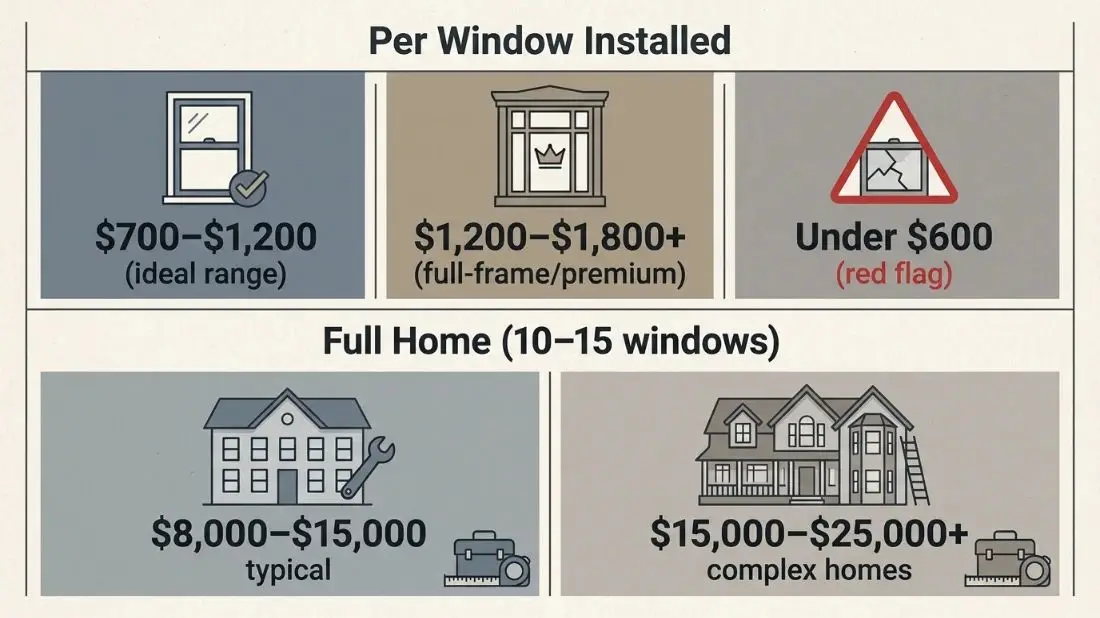
Per window installed:
- $700 – $1,200 → Ideal budget range for most homes
- $1,200 – $1,800+ → Higher-end or full-frame projects
- Under $600 → Usually a red flag
Full home (10–15 windows):
- $8,000 – $15,000 → Typical investment
- $15,000 – $25,000+ → Larger or more complex homes
If you want a full breakdown of how these numbers vary across the state, this window replacement cost guide for California explains it in detail.
Most homeowners fall within these ranges—but your final cost depends on installation type, home condition, and performance upgrades.
What Determines How Much YOU Should Spend?
Here’s where most homeowners get stuck:
They try to find a “standard price.”
But in reality:
→ The right budget depends on your situation—not a fixed number.
Let’s walk through the key factors.
1. Your Home’s Condition (This Changes Everything)
If your existing window frames are:
- In good shape → retrofit (lower cost)
- Damaged or outdated → full-frame (higher cost)
→ This alone can change your budget by $300–$800+ per window
2. Your Goal: Budget Upgrade vs Long-Term Investment
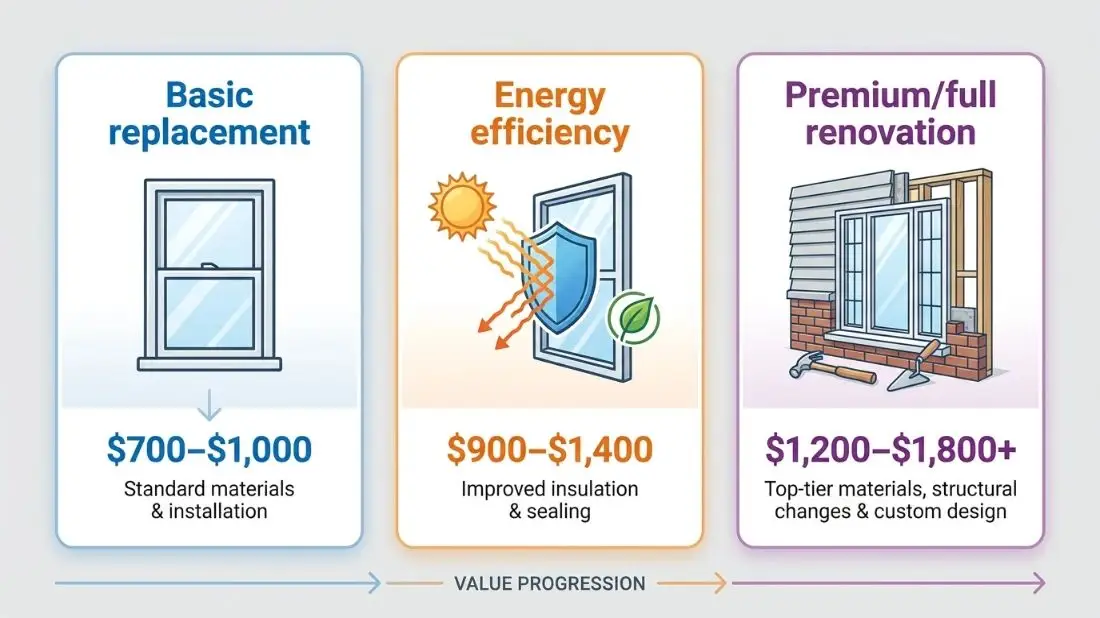
If your goal is “just replace old windows”
- You’ll likely stay in the $700–$1,000 range
If your goal is energy efficiency + comfort
- Expect closer to $900–$1,400 per window
If your goal is premium performance or full renovation
- Budget $1,200 – $1,800+ per window
→ In our experience, homeowners who focus on long-term performance are usually happier with their investment.
Your budget shouldn’t be random—it should match what you want the project to actually accomplish.
3. Energy Efficiency (Big Impact in California)
In Southern California, windows aren’t just about looks—they directly affect:
- Indoor temperature
- AC usage
- Monthly energy bills
Higher-performance windows can:
- Reduce heat gain
- Improve comfort immediately
- Lower energy costs over time
This guide on how modern windows control radiant heat explains why some windows perform dramatically better than others.
4. Installation Type (Retrofit vs Full-Frame)
This is one of the biggest budget decisions you’ll make.
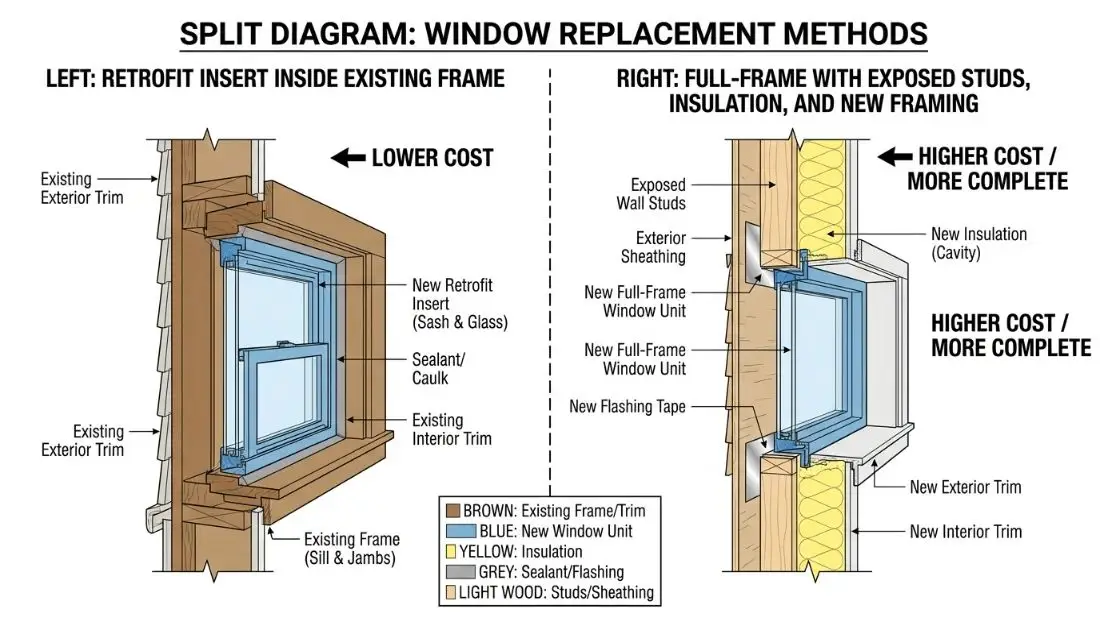
Retrofit Installation
- Lower cost
- Faster
- Less invasive
→ Budget: $700 – $1,000 per window
Full-Frame Replacement
- Higher cost
- More labor
- Better long-term performance
→ Budget: $1,200 – $1,800+ per window
→ Choosing the wrong type is one of the most expensive mistakes homeowners make.
This is the single biggest factor affecting your budget. One works within your existing frame—the other rebuilds everything.
5. How Many Windows You’re Replacing
The more windows you replace:
- The higher your total cost
- But often lower cost per window (bulk pricing)
Typical Budget Examples
- 5 windows → $4,000 – $7,000
- 10 windows → $8,000 – $12,000
- 15 windows → $12,000 – $18,000+
What Most Homeowners Get Wrong About Budgeting
Here’s the biggest mistake:
→ Focusing only on the lowest price.
That usually leads to:
- Poor installation
- Lower efficiency
- Higher long-term costs
If you want to understand pricing benchmarks better, this guide on what is a good price for replacement windows helps you evaluate quotes properly.
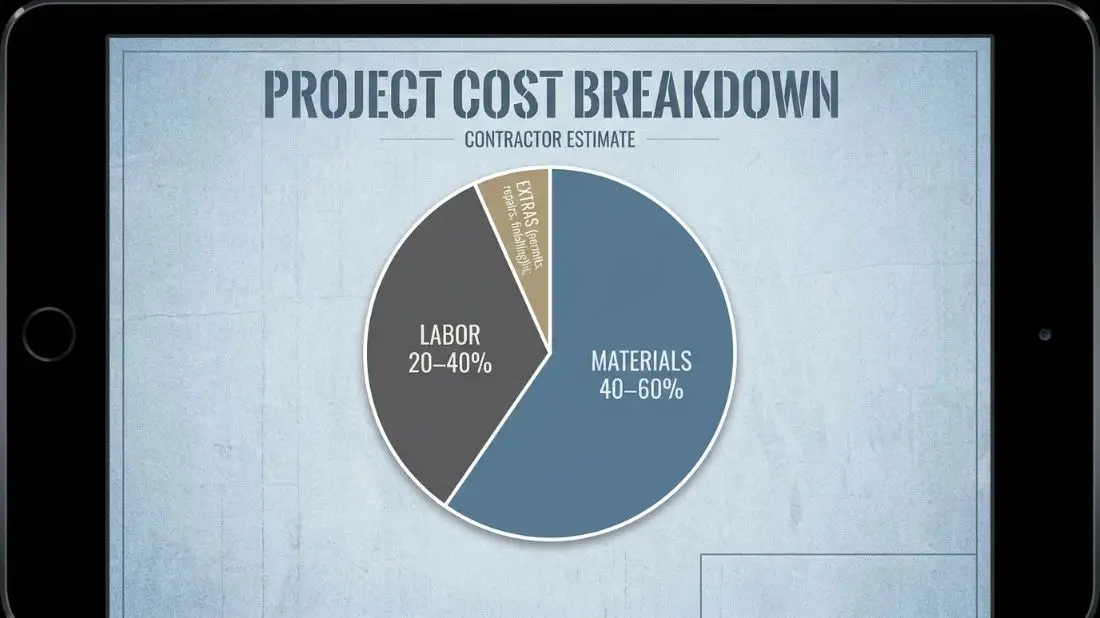
Most homeowners underestimate where their money actually goes—this breakdown shows what really drives your total cost.
Comparing Your Budget to Big-Box Pricing
A lot of homeowners use big-box stores as a reference point.
For example:
→ Home Depot typically charges $550 – $1,500+ per window installed
But that depends heavily on:
- Subcontractors
- Add-ons
- Installation complexity
Here’s a full breakdown of Home Depot window installation costs if you’re comparing options.
When to Spend More (And When Not To)
Spend More If:
- Your home gets very hot
- You plan to stay long-term
- Your frames are damaged
- You want better energy efficiency
Stay Mid-Range If:
- Frames are in good condition
- You want a balance of cost and performance
- You’re upgrading for comfort and resale
Be Careful Spending Less If:
- The price seems too good to be true
- Installation details are unclear
- Energy performance isn’t explained
Timing Your Project Can Affect Your Budget
Believe it or not, when you buy matters.
Best time to save:
- Late fall
- Winter
- Early spring
During these times:
- Demand is lower
- Pricing can be more flexible
This guide on the cheapest time of year to replace windows explains how timing affects cost.
The Real Question: What’s a Smart Budget?
Here’s the most honest answer:
→ A smart budget is one that balances cost with long-term performance.
For most homeowners, that means:
- $700 – $1,200 per window installed
- Adjusted based on your home and goals
The One Thing That Matters More Than Budget
If you take one thing from this guide:
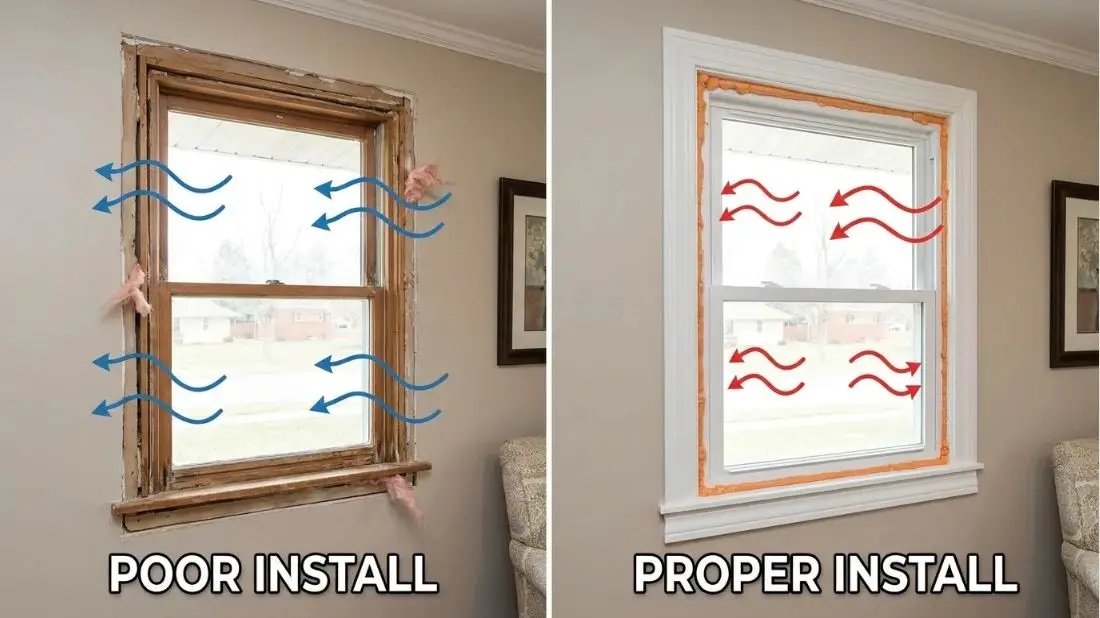
→ Installation quality matters more than the window itself.
Because even the best window will fail if:
- It’s poorly installed
- It’s not sealed correctly
- It doesn’t match your home
And that’s where budget decisions either pay off—or backfire.
How to Break Down Your Window Budget (Without Missing Hidden Costs)
In Part 1, we covered what most homeowners should expect to spend.
Now let’s get into how to actually plan your budget the right way—because this is where projects either stay on track… or go sideways.
Step 1: Understand Where Your Money Is Going
Most homeowners think they’re paying for “windows.”
In reality, your budget is split into three main parts:
1. Window Materials
- Typically 40%–60% of total cost
- Depends on:
- Vinyl vs fiberglass vs wood
- Glass upgrades (Low-E, argon, etc.)
2. Labor & Installation
- Usually 20%–40% of total cost
- Higher for:
- Full-frame installs
- Multi-story homes
- Complex openings
3. Everything Else (Often Overlooked)
- Permits
- Repairs
- Trim and finishing
- Disposal
→ These “extras” are where budgets often increase unexpectedly.
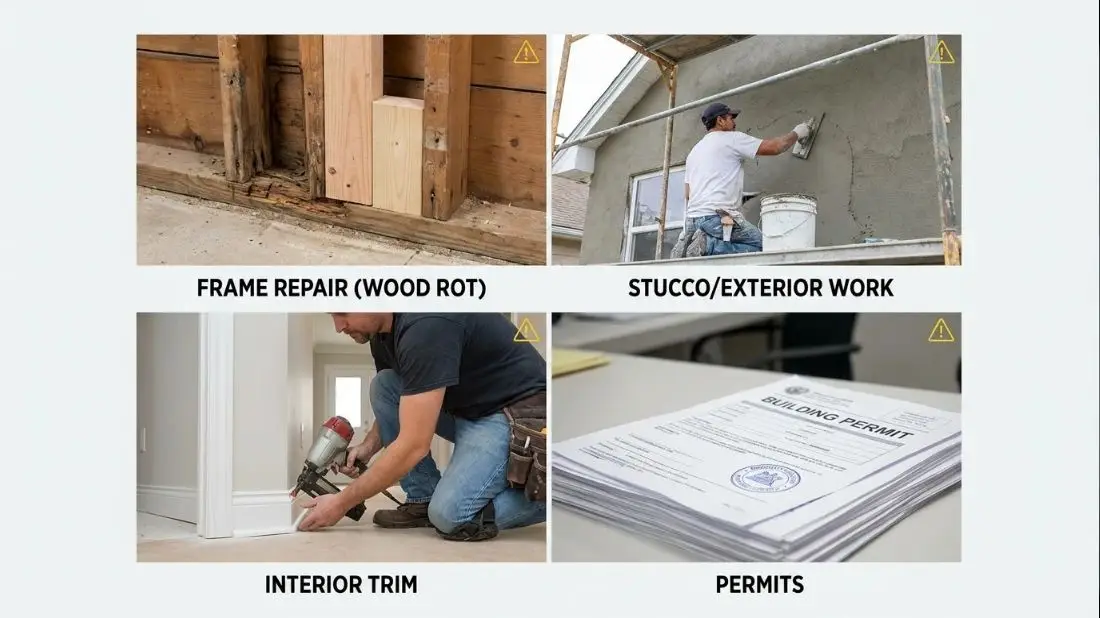
Step 2: Plan for Hidden Costs (Before They Surprise You)
Here’s what many quotes don’t fully show upfront:
Frame Repairs
- Dry rot or water damage
- Can add $100 – $800 per window
Stucco or Exterior Work
- Common in California homes
- Needed for full-frame installs
Interior Trim & Finish
- Especially if upgrading window size/style
Permits
- Can range $150 – $600+ depending on city
→ A smart budget includes an extra 10–20% buffer for these.
These are the costs most homeowners don’t plan for—but they’re often the reason projects go over budget.
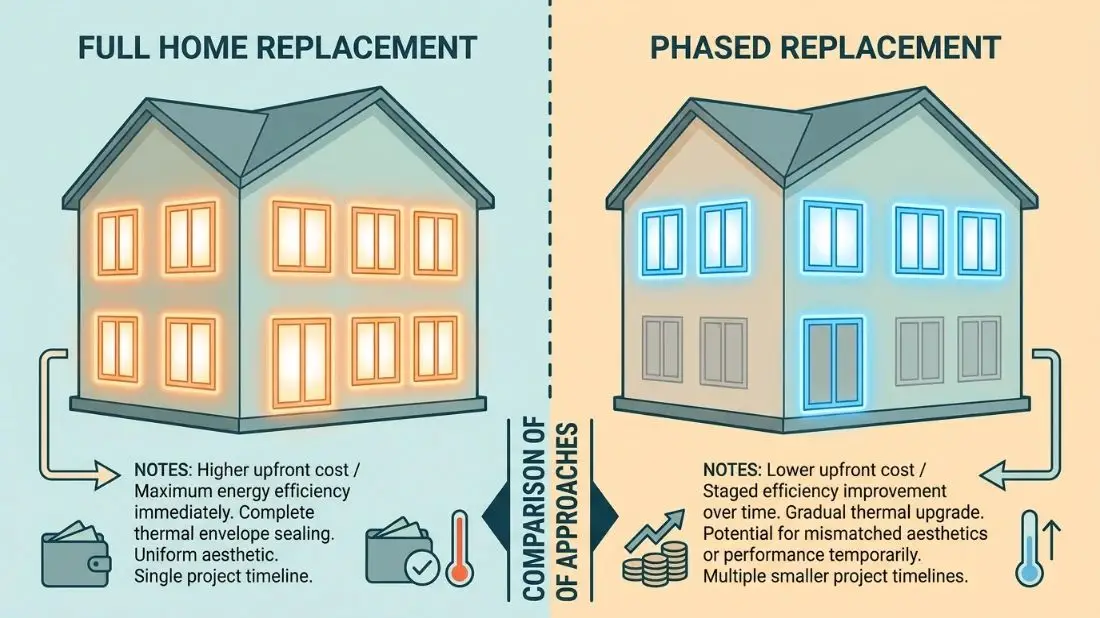
Step 3: Decide If You Should Replace All Windows or Phase It
Not every homeowner needs to replace everything at once.
Full Replacement (All Windows)
Best if:
- Windows are all old or failing
- You want maximum energy efficiency
- You plan to stay long-term
Phased Replacement (Split Over Time)
Best if:
- You’re working with a tighter budget
- Only certain rooms are uncomfortable
- You want to prioritize key areas
Smart Phasing Strategy:
Start with:
- South- and west-facing windows (most heat exposure)
- Rooms that feel hottest
- Areas with visible damage
If your home heats up in the afternoon, this guide on why your house gets hot every afternoon explains why those windows should come first.
Not every homeowner needs to replace everything at once—this shows how phasing can reduce upfront cost while still improving comfort.
Step 4: Prioritize Performance (Not Just Price)
When budgeting, it’s easy to focus on numbers.
But performance is what affects your daily comfort.
What Actually Improves Performance:
- Low-E coatings (especially advanced versions)
- Argon gas fills
- Proper sealing during installation
For example, this breakdown of best argon gas windows for energy efficiency shows why small upgrades can make a big difference.
Step 5: Budget for Energy Efficiency the Right Way
A lot of homeowners hesitate to spend more upfront.
But here’s the reality:
Better windows can reduce:
- Heat entering your home
- AC usage
- Monthly energy costs
If you’ve ever wondered whether windows really affect your bill, this article on do windows affect your electric bill explains it clearly.
Step 6: Know Where You Can Save (Without Cutting Corners)
There are ways to control your budget—without sacrificing quality.
Smart Ways to Save:
- Stick with standard window sizes
- Choose vinyl instead of premium materials
- Replace windows in phases
- Time your project during slower seasons
Where NOT to Save:
- Installation quality
- Sealing and insulation
- Glass performance
→ These are the areas that determine long-term results.
Step 7: Compare Quotes the Right Way
Before choosing a contractor, make sure you’re comparing apples to apples.
Ask Every Company:
- Is this retrofit or full-frame?
- What’s included in labor?
- Are repairs included?
- What energy performance should I expect?
If those answers aren’t clear, the price isn’t clear either.
Step 8: Match Your Budget to Your Long-Term Plans
This part is often overlooked—but it matters.
If You’re Staying Long-Term (10+ years)
- Invest more upfront
- Focus on efficiency and durability
If You May Sell in a Few Years
- Stay in the mid-range
- Focus on appearance + basic performance
→ The “right” budget depends on how long you’ll benefit from the upgrade.
Real Example Budgets (What This Looks Like)
Budget Option (Basic Retrofit)
- 10 windows
- ~$800 each
→ Total: ~$8,000
Mid-Range (Most Common)
- 10 windows
- ~$1,000 each
→ Total: ~$10,000
Higher-End (Full-Frame + Upgrades)
- 10 windows
- ~$1,400 each
→ Total: ~$14,000
The Biggest Budgeting Mistake to Avoid
→ Choosing based on price alone.
Because what seems cheaper upfront often leads to:
- Higher energy bills
- Comfort issues
- Repairs or early replacement
If you want to benchmark pricing, this guide on what is a good price for replacement windows helps you evaluate quotes correctly.
Where This Leaves You
At this point, you should be able to:
- Build a realistic budget
- Understand where costs come from
- Plan for hidden expenses
- Decide whether to phase or replace everything
FAQs: How Much Should You Spend on Replacement Windows in 2026?
How much should you spend on replacement windows in 2026?
Most homeowners should budget $700 to $1,200 per window installed. For a typical home with 10–15 windows, that equals $8,000 to $15,000 total. Costs increase for full-frame replacement, custom sizes, or high-performance glass. The right budget depends on your home’s condition and long-term goals.
What is a good price to pay for replacement windows?
A good price is typically $700 to $1,200 per window installed. This range usually includes proper installation and energy-efficient glass. Prices below $600 often indicate lower-quality installation, while prices above $1,200 should include clear upgrades like full-frame work or premium materials.
How much does Home Depot charge to install replacement windows?
Home Depot typically charges $550 to $1,500+ per window installed. Pricing varies based on window type, upgrades, and subcontractor labor. Initial quotes may increase if additional work is needed, such as frame repairs or full-frame replacement.
What time of year is cheapest to replace windows?
The cheapest time to replace windows is usually late fall through early spring. During this period, demand is lower, which can lead to better pricing, faster scheduling, and more flexibility from contractors.
Is it cheaper to replace all windows at once?
Yes, replacing all windows at once can reduce the cost per window due to labor efficiency and bulk pricing. However, homeowners with limited budgets can replace windows in phases, starting with the most sun-exposed or damaged areas.
Are energy-efficient windows worth the cost in California?
Yes, energy-efficient windows can save $400 to $900 per year on energy costs in California. They reduce heat gain, improve indoor comfort, and lower AC usage. Most homeowners see a return on investment within 5 to 10 years, depending on the upgrade level.
What affects the cost of replacement windows the most?
The biggest cost factors are:
– Installation type (retrofit vs full-frame)
– Window size and customization
– Frame condition
– Energy efficiency upgrades
– Labor complexity
Installation type alone can change pricing by $300 to $800 per window.
The Real Answer: What Should You Spend?
Let’s simplify everything:
Most homeowners should spend:
- $700 – $1,200 per window installed
That gives you:
- Reliable installation
- Solid energy efficiency
- Long-term durability
Anything significantly below that is risky.
Anything above it should be clearly justified.
What Your Budget Should Actually Focus On
Here’s what matters more than the number:
→ You’re not just buying windows—you’re investing in performance.
Your budget should prioritize:
- Proper installation
- Correct fit and sealing
- Energy-efficient glass suited for your home
Because that’s what determines:
- Comfort
- Energy bills
- Long-term value
If your home struggles with heat, this article on how much heat comes through your windows shows why performance matters more than price.
Final Thought: Spend Smart, Not Just Less
The goal isn’t to spend the least.
→ It’s to spend the right amount for your home.
That usually means:
- Avoiding the cheapest option
- Avoiding unnecessary upgrades
- Focusing on long-term results
Instead of guessing, this process helps you choose a budget that actually fits your home and long-term plans.
Get a Clear Budget for Your Home
If you’re still trying to figure out:
- What your project should cost
- Whether your quotes are fair
- Or what type of installation you actually need
…it helps to get clarity before making a decision.
Get a Realistic Window Budget (No Guesswork)
- Call: (310) 729-3013
- Email: teamallstarconstruction@gmail.com
- Contact: https://teamallstarconstruction.com/contact/
We’ll help you:
- Break down your actual budget range
- Compare quotes correctly
- Understand what’s driving your price
No pressure—just clear, honest guidance so you can make the right decision.
- Categories: Window Replacement Cost
- Tags: affordable window replacement, average cost per window, home window upgrade budget, how much to spend on windows, window budget guide 2026, window cost planning, window investment cost, window replacement budget
Southern California Window Replacement Guide
Single Pane vs Dual Pane: Which Fits Your Home?
Replacement Windows Los Angeles Homeowners Choose
Retrofit Windows vs Full Frame: Which Fits?
A Guide to Full Window Replacement at Home
Vinyl vs Aluminum Windows for Southern California
Best Windows for Hot Climates in Southern California
A Homeowner’s Guide to Energy Efficient Windows
How to Reduce Window Heat at Home
About Total Home Windows
Total Home Windows is a Southern California-based window replacement company focused on helping homeowners improve energy efficiency, indoor comfort, and long-term home value through high-performance window installations.
Serving Los Angeles County, Orange County, Riverside County, San Bernardino County, and Ventura County, the company specializes in both vinyl retrofit (insert) and full-frame window replacement. Their work is tailored to the unique demands of California homes, including intense UV exposure, coastal conditions, and heat retention issues common in older properties.
Total Home Windows combines practical installation experience with a strong focus on energy performance—helping homeowners reduce cooling costs, improve insulation, and solve common problems like rooms that stay hot even with air conditioning. Their approach prioritizes clear recommendations, transparent pricing, and solutions that make sense for each home.
The content published by Total Home Windows is built on real installation knowledge, field-tested performance insights, and current best practices in window technology, including Low-E glass, argon-filled units, and energy-efficient design strategies. Their goal is to help homeowners make informed decisions without overpaying or choosing the wrong type of window system.
Ways to Reach Us
If you’re considering window replacement, we’re here to answer questions and provide clear, professional guidance based on your home and goals.
- teamallstarconstruction@gmail.com
- 301 E.9th St Suite 415 Redlands, CA 92374