Learn how to install vinyl replacement windows in a wood frame, what happens during retrofit installation, and how to avoid common fit issues.
If your home still has original wood windows, you may already know the signs – hot rooms in the afternoon, higher cooling bills, outside noise that seems to slip right through the glass, and frames that look tired no matter how much paint they get. When homeowners search for how to install vinyl replacement windows in a wood frame, they are usually trying to understand one thing: what actually happens during a retrofit window project, and will it work with the windows they already have?
In most Southern California homes, the answer is yes. Vinyl replacement windows are commonly installed into existing wood window openings without tearing into the surrounding wall. That matters because it keeps the project cleaner, faster, and less disruptive while still improving comfort, energy efficiency, and appearance.
How to install vinyl replacement windows in a wood frame
For homeowners, the key thing to understand is that a replacement window is designed to fit inside the existing wood frame after the old operating sash components are removed. This is different from a new-construction installation, where the entire window assembly and surrounding exterior materials may be removed. In a retrofit application, the original wood perimeter frame usually stays in place if it is structurally sound.
That approach has real advantages. It helps preserve interior and exterior finishes, shortens installation time, and avoids the cost and mess of more invasive construction. It is also why installation quality matters so much. The new vinyl window has to be measured precisely, set squarely, insulated correctly, and sealed carefully so the finished result performs the way it should.
It starts with the condition of the wood frame
Before any new window goes in, the existing wood frame has to be inspected. A good frame should be stable, reasonably square, and free from significant rot, water damage, or structural movement. Minor cosmetic wear is one thing. Soft wood, major warping, or signs of long-term moisture intrusion are another.
If the frame is compromised, a simple retrofit may not be the right solution. That is one of the biggest it-depends factors homeowners should know. A quality replacement window can only perform as well as the opening it is installed into. If the surrounding wood is failing, the project may require additional corrective work before the new window is installed.
Measuring is where success begins
Accurate measurement is one of the most important parts of installing vinyl replacement windows in a wood frame. The new unit must fit tightly enough to allow proper sealing, but not so tightly that it twists the frame or creates operating problems.
Installers typically measure the width and height in multiple places because older wood frames are not always perfectly uniform. Homes settle. Materials expand and contract. Openings that look square at first glance can be slightly out of alignment. That is normal, especially in older homes throughout Los Angeles County, Orange County, and surrounding areas.
The goal is not just to make the window fit. The goal is to create a finished installation that opens smoothly, locks correctly, resists air leakage, and looks clean from both inside and outside.
What happens during a retrofit installation
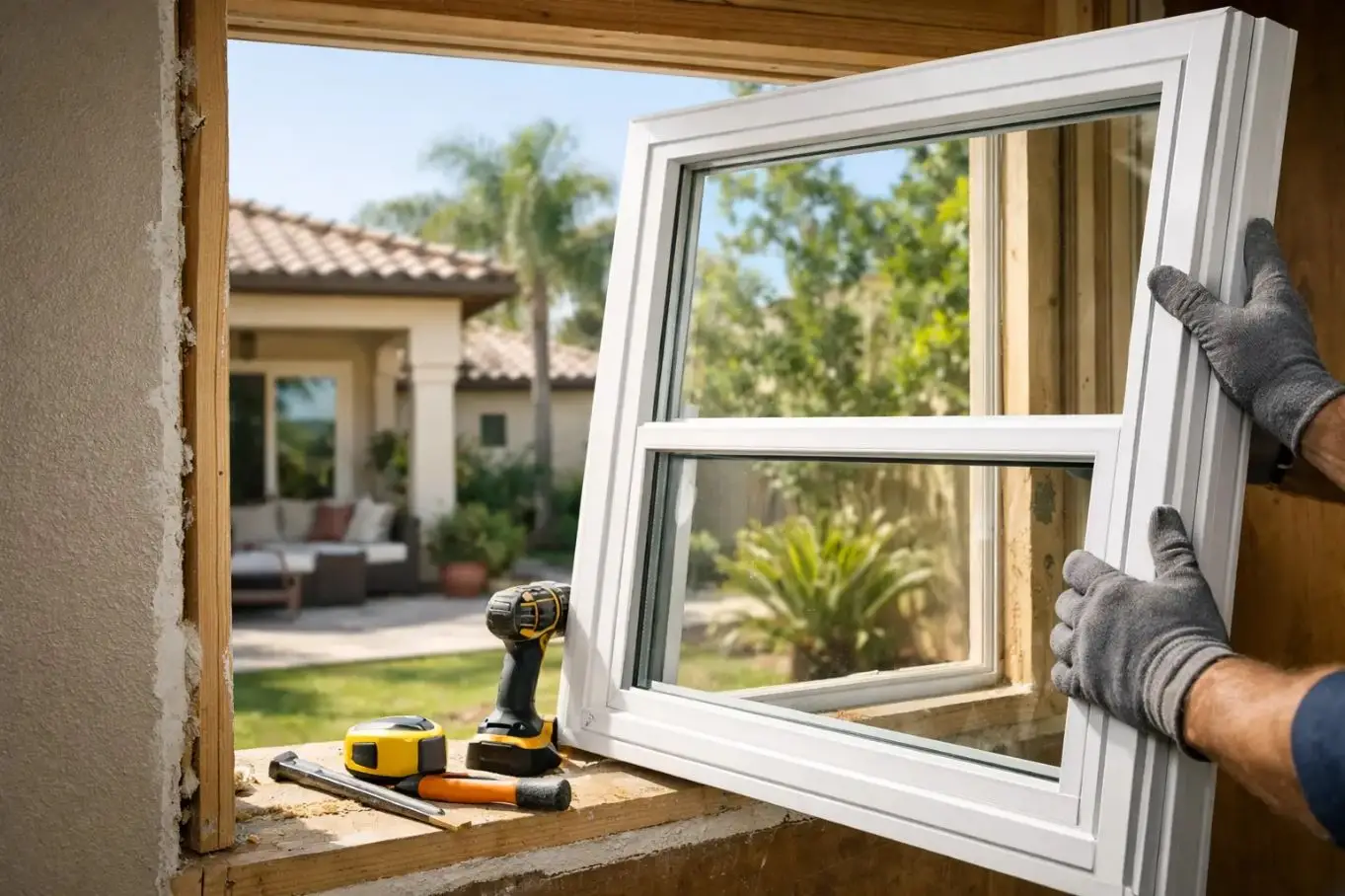
In a typical installation, the old sash, tracks, and related hardware are removed while the outer wood frame remains. The installer then prepares the opening, checks for damage, verifies measurements, and places the new vinyl replacement window into the existing frame.
Once the new unit is set, it is adjusted to sit level, plumb, and square. That sounds technical, but the homeowner benefit is simple: a window that operates properly and seals the way it should. If a window is even slightly out of position, you may end up with drafts, locking issues, uneven sightlines, or premature wear.
After alignment, the window is secured, insulated around the perimeter, and sealed to help reduce air and moisture intrusion. Interior and exterior trim details are then completed for a finished look.
A well-executed retrofit should feel straightforward from the homeowner’s perspective. The work is usually much less disruptive than people expect, especially compared with projects that involve cutting back stucco, siding, or interior wall finishes.
Why sealing matters as much as the window itself
Homeowners often focus on glass packages, frame style, and appearance, and those choices matter. But installation details around the perimeter of the window are just as important to real-world comfort.
Even an energy-efficient vinyl window with dual-pane glass, Low-E coatings, and argon gas can underperform if the installation leaves gaps or weak sealing points. Proper insulation and sealing help keep conditioned air inside, hot outdoor air outside, and unwanted noise more controlled.
That is especially relevant in Southern California, where many homeowners are trying to reduce solar heat gain, improve room-to-room comfort, and lower strain on air conditioning systems. Good installation supports those outcomes. Poor installation works against them.
Common concerns with vinyl replacement windows in wood frames
One common concern is glass area. Because a vinyl replacement window fits inside the existing wood frame, there can be a slight reduction in visible glass compared with the old opening. In many cases, the trade-off is minor and well worth it for the gains in comfort, efficiency, and operation. Still, it is worth discussing during product selection, particularly if preserving the widest possible view is a top priority.
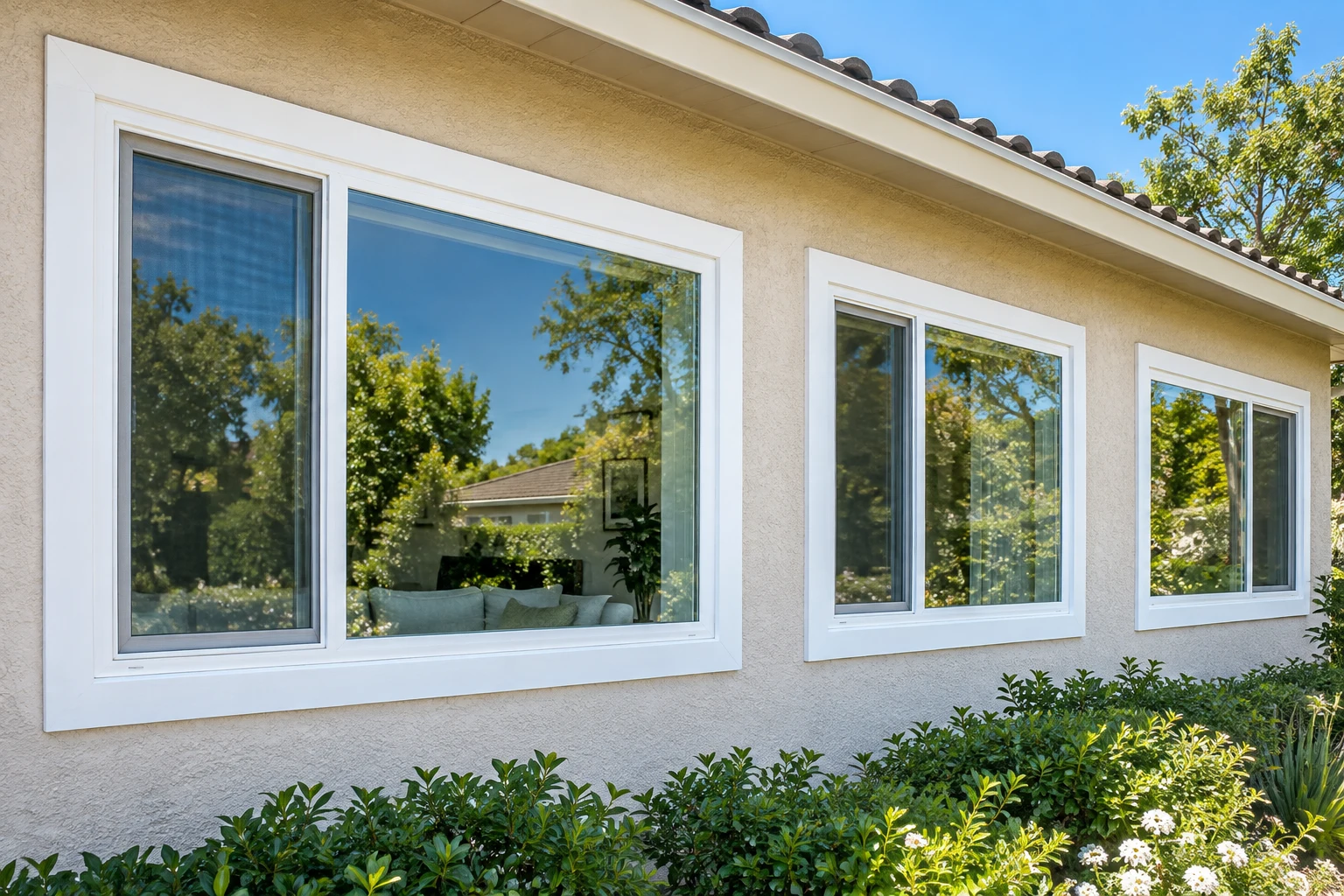
Another concern is appearance. Homeowners sometimes worry that vinyl will look bulky or out of place in an older home. The truth depends on the product line, frame style, and installation quality. Modern vinyl replacement windows come in cleaner, more refined profiles than many people expect, and when they are sized and finished correctly, they can complement both traditional and contemporary homes.
There is also the issue of hidden frame damage. Until the old window components are removed, some problems may not be fully visible. That does not mean retrofit installation is risky by default. It simply means an experienced installer should be prepared to identify and address any conditions that would affect long-term performance.
Choosing the right window for the opening
Not every replacement window is the same, and not every room needs the same solution. A west-facing room that overheats in the afternoon may benefit from a glass package designed to reduce heat transfer more aggressively. A bedroom facing a busy street may need stronger noise-reduction performance. A bathroom or kitchen may raise different concerns about ventilation and condensation control.
This is where homeowners often benefit from guidance rather than guesswork. The best replacement window is not just the one that fits the opening. It is the one that fits the home’s comfort goals, sun exposure, ventilation needs, and architectural style.
For many homes, vinyl windows with dual-pane insulated glass, Low-E coatings, and argon-filled units offer a strong combination of thermal performance, durability, and low maintenance. But the right configuration still depends on the room, the orientation of the home, and the existing frame conditions.
Why professional installation matters
A lot of homeowners researching this topic are not actually looking for step-by-step DIY instructions. They want to understand the process well enough to make a smart hiring decision. That is the right instinct.
Replacement windows are one of those products where installation quality directly affects performance. Precise measuring, proper frame assessment, careful shimming and alignment, perimeter insulation, and weather sealing all play a role in how the finished window looks and performs over time.
That is also why licensed contractor experience matters. An installer should understand not just how to place the window, but how to evaluate the opening, spot signs of failure in the existing materials, and recommend the right retrofit approach for the home. In older Southern California housing stock, that experience can make a significant difference.
Total Home Windows, the replacement window division of Team All Star Construction, CSLB #1009760, works with homeowners throughout Southern California who want cleaner retrofit installation, better energy performance, and practical guidance on selecting the right window system for their home.
What homeowners should ask before moving forward
If you are considering vinyl replacement windows in existing wood frames, ask whether your current frames are good candidates for retrofit installation, what glass options best match your sun exposure, and how the finished installation will be sealed and trimmed. You should also ask what kind of visible glass reduction to expect, if any, and whether any hidden wood damage could affect the scope of work.
Those questions help move the conversation beyond price alone. They focus on comfort, long-term value, and whether the installation approach actually fits your home.
A good replacement window project should leave you with rooms that feel easier to cool, less outside noise, smoother operation, and an exterior appearance that looks updated without looking out of place. When the existing wood frame is sound and the retrofit is done correctly, vinyl replacement windows can deliver exactly that. The best next step is not guessing how the process works – it is having your current windows evaluated so you know what your home really needs.
- Categories: Uncategorized
Southern California Window Replacement Guide
Single Pane vs Dual Pane: Which Fits Your Home?
Replacement Windows Los Angeles Homeowners Choose
Retrofit Windows vs Full Frame: Which Fits?
A Guide to Full Window Replacement at Home
Vinyl vs Aluminum Windows for Southern California
Best Windows for Hot Climates in Southern California
A Homeowner’s Guide to Energy Efficient Windows
How to Reduce Window Heat at Home
About Total Home Windows
Total Home Windows is a Southern California-based window replacement company focused on helping homeowners improve energy efficiency, indoor comfort, and long-term home value through high-performance window installations.
Serving Los Angeles County, Orange County, Riverside County, San Bernardino County, and Ventura County, the company specializes in both vinyl retrofit (insert) and full-frame window replacement. Their work is tailored to the unique demands of California homes, including intense UV exposure, coastal conditions, and heat retention issues common in older properties.
Total Home Windows combines practical installation experience with a strong focus on energy performance—helping homeowners reduce cooling costs, improve insulation, and solve common problems like rooms that stay hot even with air conditioning. Their approach prioritizes clear recommendations, transparent pricing, and solutions that make sense for each home.
The content published by Total Home Windows is built on real installation knowledge, field-tested performance insights, and current best practices in window technology, including Low-E glass, argon-filled units, and energy-efficient design strategies. Their goal is to help homeowners make informed decisions without overpaying or choosing the wrong type of window system.
Ways to Reach Us
If you’re considering window replacement, we’re here to answer questions and provide clear, professional guidance based on your home and goals.
- teamallstarconstruction@gmail.com
- 301 E.9th St Suite 415 Redlands, CA 92374