Learn how to reduce window heat with better glass, frame, and retrofit options that keep your home cooler and more efficient in Southern California.
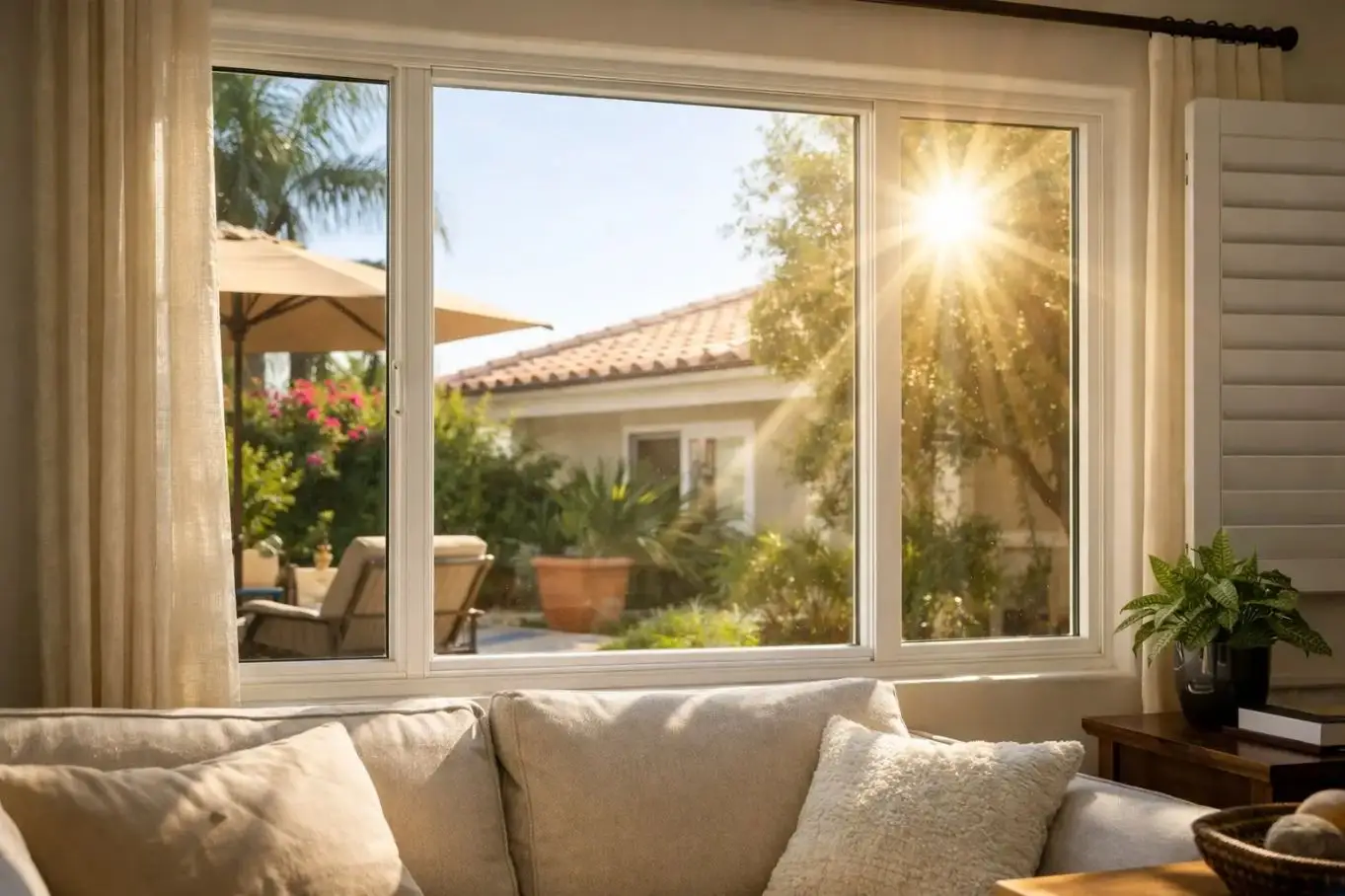
If one room in your home heats up faster than the rest every afternoon, your windows are often the reason. For many Southern California homeowners, learning how to reduce window heat starts with understanding that sunlight through older glass does more than brighten a room – it also drives up indoor temperatures, puts more strain on the AC, and makes certain spaces uncomfortable for hours at a time.
That problem is especially common in homes with aging single-pane windows, worn seals, or older aluminum frames. The sun can pour through west-facing and south-facing windows, warming floors, furniture, and interior air long after the brightest part of the day has passed. If your energy bills rise every summer and some rooms still never feel quite cool enough, your windows may be allowing too much solar heat into the home.
How to reduce window heat without guesswork
The most effective way to reduce heat from windows is to limit how much solar energy enters the glass in the first place, while also improving insulation so cooled indoor air stays where it belongs. That usually means looking at the full window system, not just one feature.
Many homeowners assume any dual-pane window will solve the problem. Dual-pane glass is a major step up from older single-pane units, but performance depends on more than the number of panes. Glass coatings, the space between panes, frame material, installation quality, and the orientation of the window all affect how much heat gets through.
If your current windows feel hot to the touch, create glare, or make nearby rooms difficult to cool, there is a good chance they are underperforming for the climate. In Southern California, that matters because homes often deal with long cooling seasons, strong sun exposure, and temperature swings between morning and late afternoon.
Why older windows let in so much heat
Older windows typically struggle in three ways. First, they allow more radiant heat to pass through the glass. Second, they provide weaker insulation, so indoor cooled air escapes more easily. Third, aging frames and seals can develop air leaks that let warm outdoor air enter the home.
Single-pane glass is the biggest culprit. It offers very little resistance to heat transfer, which means rooms can warm up quickly once the sun hits the window. Even early-generation dual-pane windows may not perform well if they lack modern Low-E coatings or if the insulated glass seal has failed.
Frame material also plays a role. Older metal frames can transfer outdoor heat inward more readily than modern vinyl replacement windows. That does not mean every hot room needs a dramatic remodel. In many cases, a well-planned retrofit window replacement can improve comfort significantly without major structural disruption.
The window features that make the biggest difference
When homeowners ask how to reduce window heat, the answer usually comes down to choosing glass and frame features that are designed for energy performance, not just appearance.
Low-E glass helps block solar heat
Low-E, short for low emissivity, is one of the most important upgrades for heat control. This thin, nearly invisible coating helps reflect portions of the sun’s heat away from the home while still allowing natural light to enter. For homeowners, the practical benefit is simple: rooms stay cooler, glare is often reduced, and your air conditioner does not have to work as hard.
Not all Low-E glass performs the same way. Different formulas are designed for different climates and exposure conditions. In a sunny region like Southern California, selecting the right Low-E package can have a meaningful impact on comfort, especially on elevations that receive intense afternoon sun.
Dual-pane and insulated glass improve comfort
Dual-pane windows create a layer of insulation between the inside and outside of the home. That gap slows heat transfer compared with single-pane glass. When the insulated glass unit includes argon gas between the panes, performance can improve further because argon helps reduce heat movement more effectively than regular air.
This does not mean every homeowner needs the most advanced glass package available. It depends on the home’s orientation, the size of the windows, and which rooms are hardest to keep comfortable. Bedrooms on the shaded side of the house may need a different solution than a family room with large west-facing glass.
Vinyl frames can reduce heat transfer
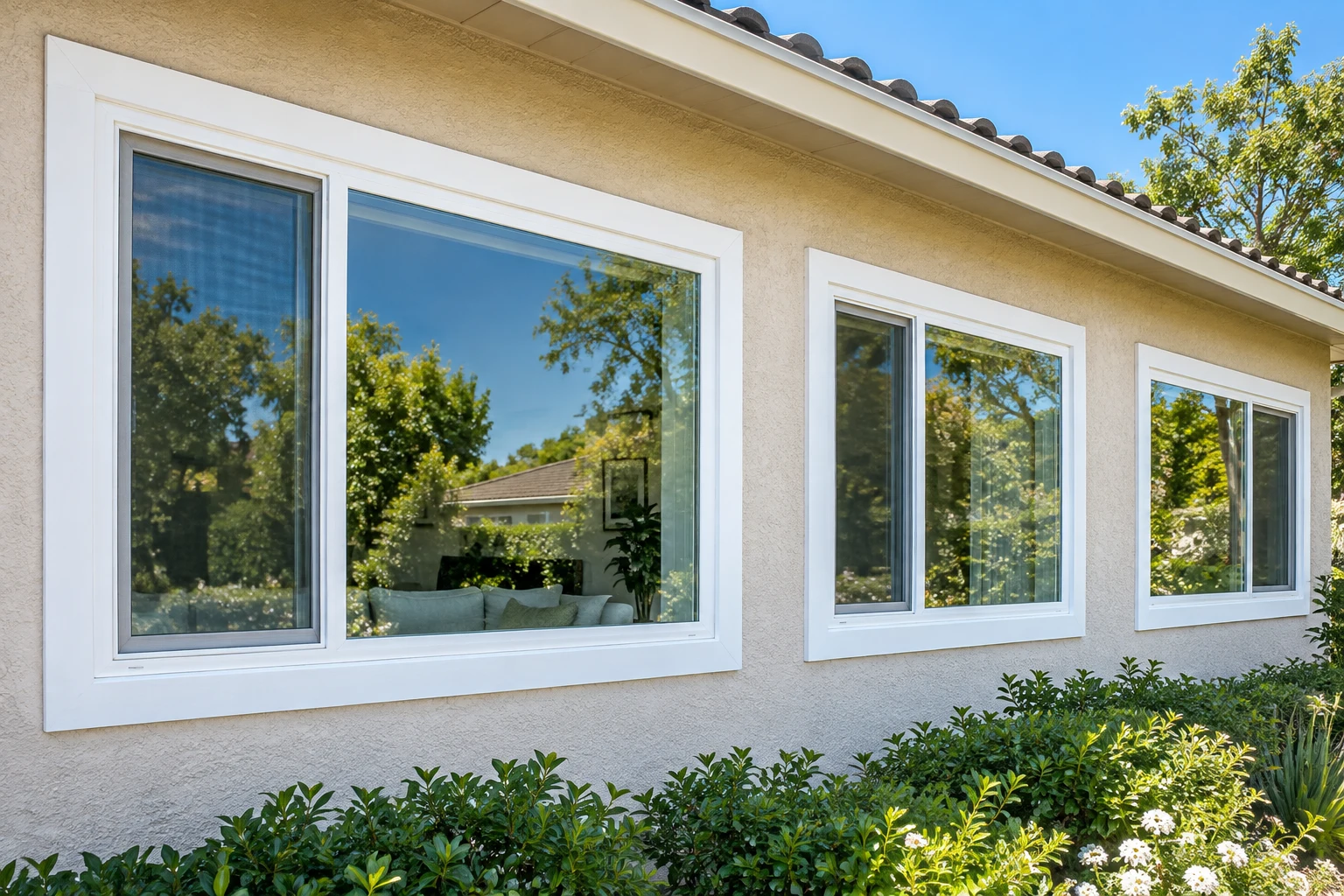
Modern vinyl replacement windows are popular for good reason. They are durable, low-maintenance, and generally better at limiting heat transfer than many older metal frames. A quality frame also supports the insulated glass system and helps maintain a tighter seal over time.
This matters because heat reduction is not only about the glass. If the frame is weak, warped, or poorly installed, air leakage can undermine the benefits of an otherwise efficient window.
How to reduce window heat in the rooms that get hottest
The best approach is often room by room. Homes do not heat evenly, and window performance issues are usually more noticeable in specific areas.
West-facing rooms tend to be the toughest. They receive stronger afternoon sun at the hottest time of day, which can make upstairs bedrooms, living rooms, and bonus rooms especially uncomfortable. Large picture windows and older sliders often contribute to this problem because they expose more glass area to direct sunlight.
South-facing windows can also bring in substantial heat, although the effect depends on overhangs, landscaping, and seasonal sun angles. East-facing windows create more morning heat, which some homeowners notice less because outdoor temperatures are lower earlier in the day.
If one or two rooms are the main problem, targeted window replacement may be worth discussing first. If heat is an issue throughout the home, a whole-home retrofit plan often creates more consistent comfort and appearance.
Installation matters as much as the product
A high-performance window can still disappoint if it is not installed correctly. Gaps, poor sealing, or an improper fit can allow air infiltration and reduce the energy benefits homeowners expect.
That is one reason retrofit window replacement is not just about choosing a brand or a glass package. It is also about making sure the new window is properly matched to the existing opening and installed with attention to long-term performance. A licensed contractor with replacement window expertise can help identify whether the issue is mainly glass performance, air leakage, aging frames, or a combination of all three.
For homeowners in older Southern California neighborhoods, this is particularly important. Many homes have original windows that have been exposed to decades of sun, expansion, contraction, and wear. Replacing them with energy-efficient retrofit windows can improve comfort without the disruption of major reconstruction.
What results should homeowners realistically expect?
New windows can make a noticeable difference, but the outcome depends on the condition of the existing windows and the rest of the home. If you are replacing single-pane or failed older dual-pane units, the improvement can be significant. Rooms may feel cooler, temperatures more stable, and your HVAC system may cycle less aggressively during hot weather.
At the same time, windows are one part of the home’s overall thermal performance. Insulation, attic heat, duct condition, air sealing, and sun exposure also influence indoor comfort. That is why a trustworthy recommendation should focus on your specific home, not one-size-fits-all promises.
The good news is that windows often solve several problems at once. Along with reducing heat gain, modern replacement windows can help limit outside noise, reduce UV exposure that contributes to fading, improve curb appeal, and update the look of an older home.
When replacement is the smart long-term move
If your windows are more than a cosmetic issue, replacement is often the most practical long-term solution. Signs include hot glass surfaces, drafts, condensation between panes, difficult operation, rising cooling costs, and rooms that are consistently uncomfortable.
For many homeowners, it makes sense to replace windows when comfort issues and energy concerns are happening at the same time. Rather than continuing to manage hot rooms season after season, a properly selected replacement window system can address the source of the problem.
Total Home Windows, the Southern California replacement window division of Team All Star Construction, CSLB #1009760, works with homeowners who want better comfort, cleaner aesthetics, and energy-efficient retrofit solutions tailored to the local climate. The right recommendation should feel practical and specific to your home, not overly technical or sales-driven.
If you are trying to figure out how to reduce window heat, start by paying attention to where the discomfort shows up, when it gets worse, and how old your current windows really are. That usually tells you more than a utility bill ever will, and it can point you toward a solution that makes your home feel better every day.
- Categories: Uncategorized
Southern California Window Replacement Guide
Single Pane vs Dual Pane: Which Fits Your Home?
Replacement Windows Los Angeles Homeowners Choose
Retrofit Windows vs Full Frame: Which Fits?
A Guide to Full Window Replacement at Home
Vinyl vs Aluminum Windows for Southern California
Best Windows for Hot Climates in Southern California
A Homeowner’s Guide to Energy Efficient Windows
Are Retrofit Windows Worth It for Your Home?
About Total Home Windows
Total Home Windows is a Southern California-based window replacement company focused on helping homeowners improve energy efficiency, indoor comfort, and long-term home value through high-performance window installations.
Serving Los Angeles County, Orange County, Riverside County, San Bernardino County, and Ventura County, the company specializes in both vinyl retrofit (insert) and full-frame window replacement. Their work is tailored to the unique demands of California homes, including intense UV exposure, coastal conditions, and heat retention issues common in older properties.
Total Home Windows combines practical installation experience with a strong focus on energy performance—helping homeowners reduce cooling costs, improve insulation, and solve common problems like rooms that stay hot even with air conditioning. Their approach prioritizes clear recommendations, transparent pricing, and solutions that make sense for each home.
The content published by Total Home Windows is built on real installation knowledge, field-tested performance insights, and current best practices in window technology, including Low-E glass, argon-filled units, and energy-efficient design strategies. Their goal is to help homeowners make informed decisions without overpaying or choosing the wrong type of window system.
Ways to Reach Us
If you’re considering window replacement, we’re here to answer questions and provide clear, professional guidance based on your home and goals.
- teamallstarconstruction@gmail.com
- 301 E.9th St Suite 415 Redlands, CA 92374