Prices and performance figures in this guide are planning examples, not a project quote or a promise of savings. Your estimate and results depend on the products, installation scope, existing home, climate, and energy use.
Why Your Windows Matter More Than You Think
Your windows are one of the largest thermal weak points in your home. Even when your air conditioning is running hard, heat finds its way through glass and frames, forcing your system to work overtime. This is especially true across Southern California, where intense sun exposure makes windows the primary pathway for unwanted heat gain.
Most homeowners assume their AC unit is the problem when rooms feel hot or energy bills climb. The reality is different. Your windows are often the culprit. On a hot afternoon, surface temperatures on windows can reach 120-140 degrees while your interior stays at 72 degrees. That temperature difference is exactly what drives energy loss and comfort problems.
Understanding what’s actually happening in your home requires measurement, not guessing. An infrared thermometer gives you concrete data about where heat is entering and how efficiently your windows are performing.
The Problem With Guessing About Window Performance
You can feel that a room is too warm, but feeling tells you very little. Is the problem the windows themselves? The frame? Poor insulation around the frame? How much heat is actually escaping? Guessing wastes time and money on ineffective fixes.
Many homeowners try Band-Aid solutions first: heavier curtains, reflective film, or running the AC colder. These add cost without solving the root problem. You’re treating the symptom, not the cause.
Without measurement, you can’t compare windows or track whether a problem is getting worse. You also can’t justify the investment in replacement windows to yourself or your family. Most people need to see actual numbers before they’re ready to move forward.
This is where diagnostic testing changes everything. Instead of relying on comfort complaints, you gather evidence about what’s really happening.
What an Infrared Thermometer Actually Tells You
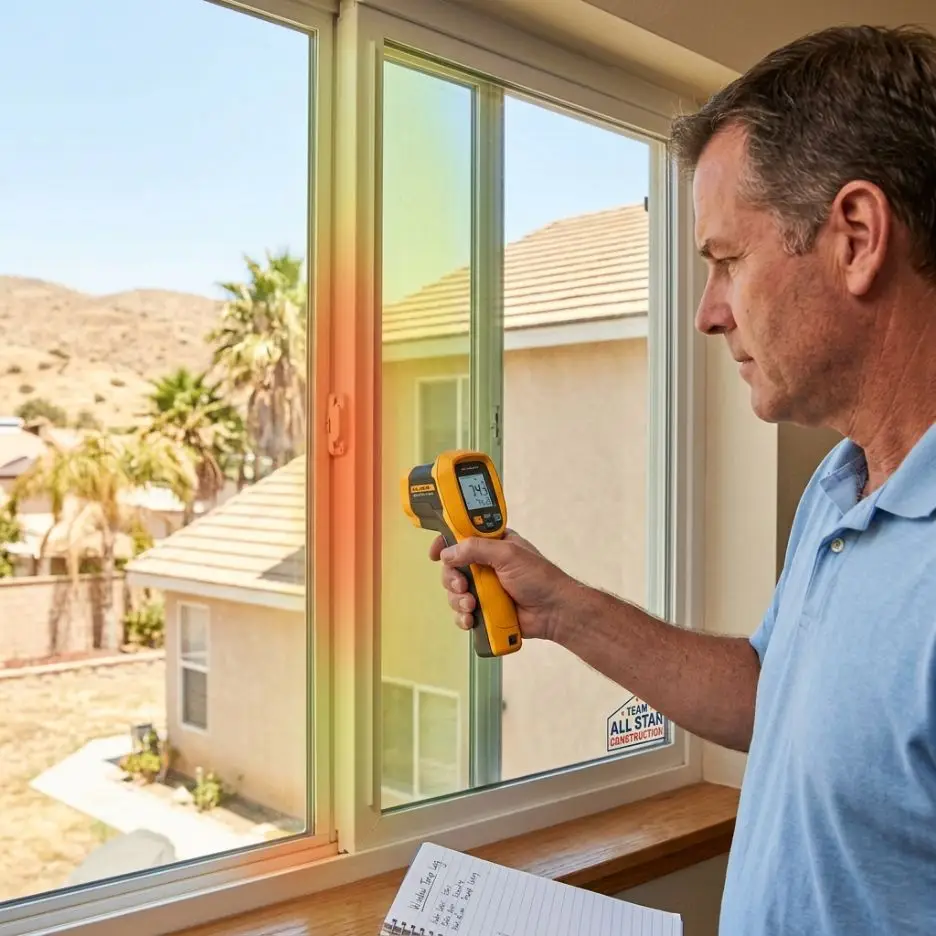
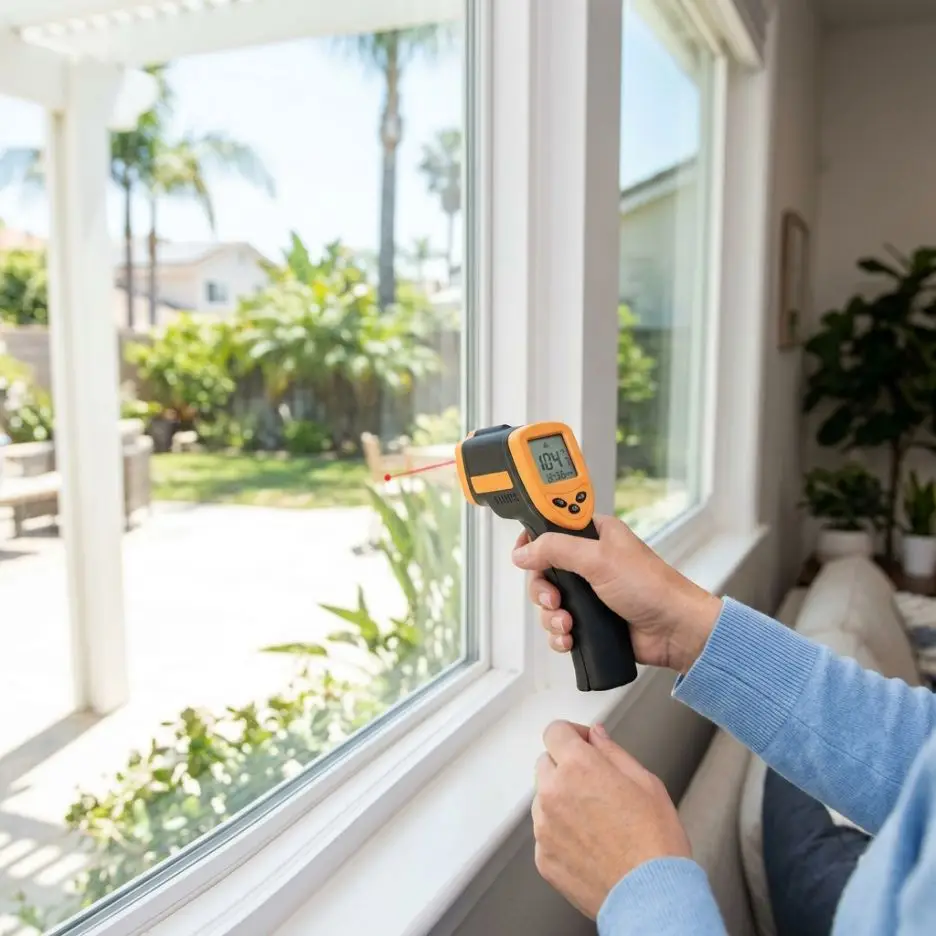
An infrared thermometer is a handheld device that measures surface temperature by detecting thermal radiation. It’s not complicated to use, and the results are immediate and accurate. Point it at a window surface, and you get a temperature reading within seconds.
The thermometer tells you the surface temperature of glass, frames, and surrounding wall areas. These readings reveal how effectively your windows are insulating your home. A significant temperature difference between window glass and nearby wall surfaces indicates energy loss.
This tool doesn’t measure air temperature inside the room. It measures the actual surface you’re pointing it at. That distinction matters because surface temperature is what drives heat transfer. Cool glass means heat isn’t moving through it as easily.
Infrared thermometers are affordable (usually $25-60 for a decent one) and require no special training. You can test your home yourself and gather real data in minutes.
How Temperature Differences Reveal Energy Loss
The temperature gap between your window glass and interior air tells you how much insulation is actually working. Think of it this way: efficient windows keep glass cooler on the inside because they block heat transfer. Inefficient windows let more heat through, so interior glass runs hotter.
On a hot summer day, here’s what you’ll typically find:
- Modern, efficient windows: interior glass surface around 80-90 degrees
- Older, single-pane windows: interior glass surface 110-130 degrees
- Vinyl retrofit windows with low-E coatings: interior glass surface around 75-85 degrees
The larger the temperature difference between glass and room air, the harder your AC is working to compensate. A 50-degree difference between glass surface and room temperature means significant heat transfer happening right in front of you.
Window frames also matter. Metal frames conduct heat much faster than vinyl or fiberglass. If you test a metal-framed window, expect higher surface temperatures around the frame itself.
Step-by-Step Guide to Testing Your Windows
Testing takes about 15-20 minutes per room. Here’s how to do it properly:
Get your equipment ready. Purchase an affordable infrared thermometer (any brand with decent reviews works fine). Ensure it’s calibrated and batteries are fresh.
Choose test times carefully. The best time to test is mid-afternoon on a hot, sunny day when heat gain is highest. Avoid early morning or cloudy days, which won’t show real heat transfer.
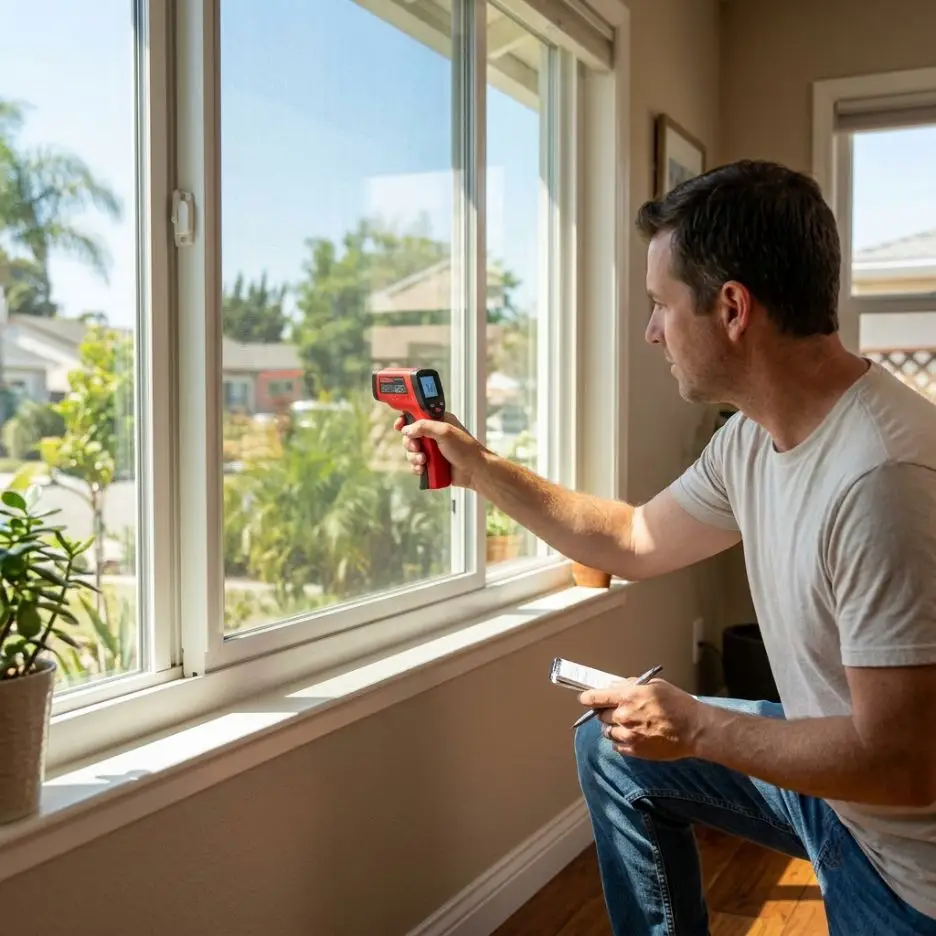
Test multiple locations on each window. Don’t just measure one spot. Test the center of the glass, the upper edge, lower edge, and the frame on at least three different windows per room. This shows you whether problems are widespread or localized.
Record exterior conditions. Note the outside temperature, sun position, and whether the window is in direct sun or shade. This context matters when comparing results.
Measure interior wall surfaces too. Test the wall next to the window to establish a baseline. The difference between wall temperature and window surface temperature shows you actual heat transfer.
Take photos or notes. Write down exact readings for each location. You’ll want this data when making decisions about which windows to replace first.
Test every room in your home, not just the ones that feel warm. Some problem windows hide in less-used spaces.
Reading Your Results and Understanding the Numbers
Once you have your readings, the numbers tell a clear story about what needs attention.
If interior glass surface temperature is more than 30 degrees warmer than room air temperature, that window is letting significant heat through. That’s your priority list right there.
Compare results across windows. If the living room window reads 125 degrees but the bedroom window reads 95 degrees, the living room window is performing much worse. This helps you prioritize which replacements to tackle first.
Look for patterns. West and south-facing windows typically run hotter because of sun exposure. If all your west-facing windows are reading 120+ degrees, heat gain is a systematic problem, not isolated failures.
Metal-framed windows will show higher frame temperatures than vinyl-framed windows. If you’re seeing frame temperatures 40+ degrees above room air, the frame itself is a major heat pathway.
Compare your numbers against a known efficient window if you have one. This gives you a practical reference point for what “good” actually looks like in your home.
When DIY Testing Shows You Need Professional Help
Your infrared thermometer can identify that a problem exists, but it can’t tell you whether replacement is the only solution or if other factors are at play. Professional assessment catches things DIY testing misses.
Here’s when you should bring in a contractor:
- Your readings are consistently high across multiple windows (suggests widespread inefficiency)
- You see moisture or condensation between glass panes (indicates seal failure)
- Interior glass readings vary wildly in the same window (suggests frame or installation issues)
- You want to know what replacement window solutions will actually cost and how much they’ll reduce your bills
- You’re ready to move forward but need expert advice on which windows to replace first
We use thermal imaging and our own professional-grade equipment to diagnose exactly what’s happening in your home. We show you the heat problem with clear visual proof, then explain which windows need replacement and why.
Our Custom-Fit Window Solutions Solve Real Efficiency Problems
Once your testing reveals the problem, the solution is straightforward: modern, energy-efficient windows that actually fit your home’s specific needs.
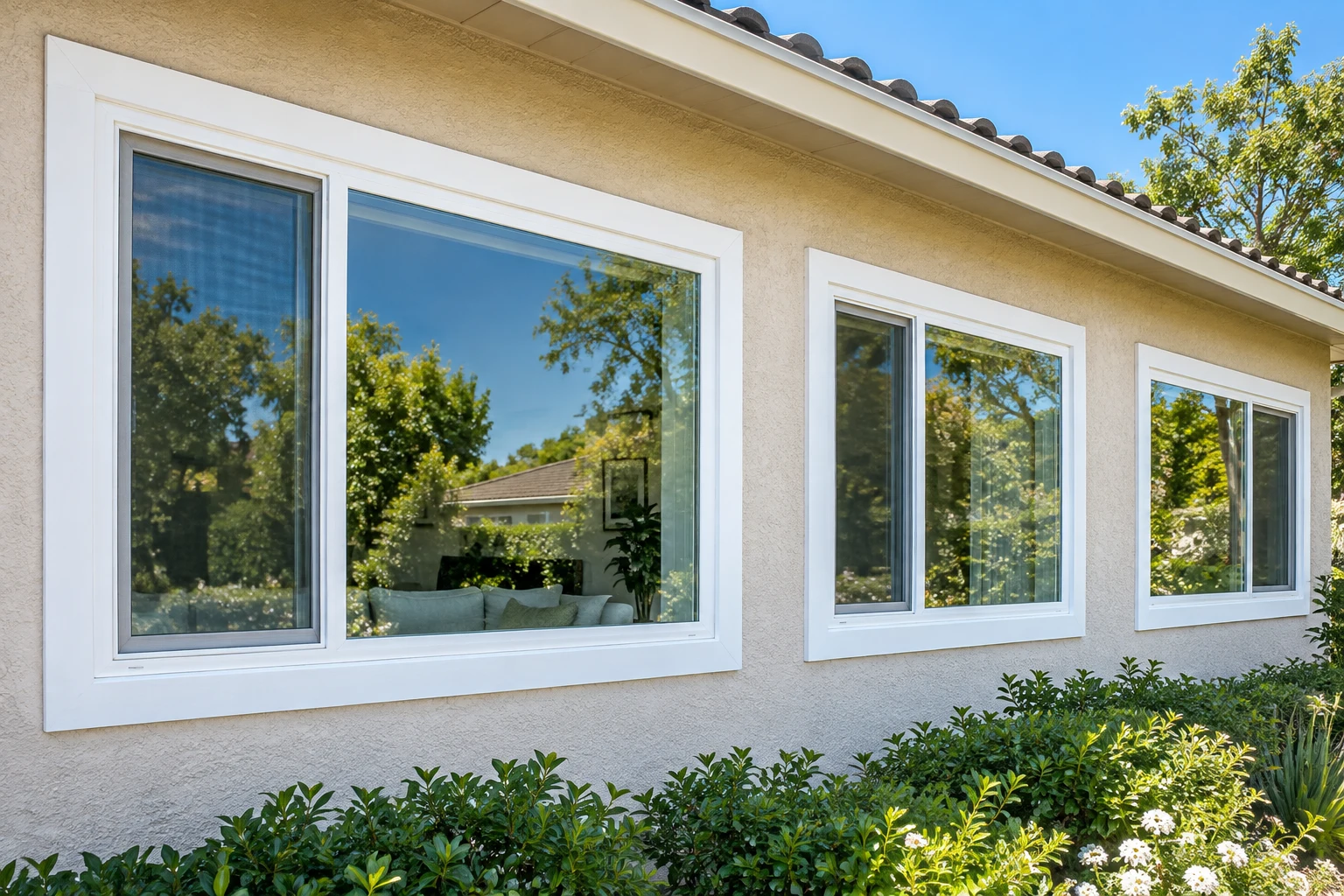
We provide vinyl retrofit and full frame replacement windows designed for Southern California heat. Our windows include low-E coatings that reflect heat while allowing light through, double-pane glass with insulated air gaps, and high-quality vinyl frames that don’t conduct heat like older metal frames do.
Unlike generic window replacement, we custom-manufacture windows to fit your exact frame openings. This means no gaps, no air leaks, and complete thermal control. We’ve installed thousands of windows across Los Angeles County, San Bernardino County, Orange County, Riverside County, and Ventura County, and we understand the specific heat challenges each region faces.
After replacement, you can run your infrared thermometer again. You’ll see interior glass temperatures drop 30-50 degrees, confirming that heat transfer has stopped and your AC isn’t fighting a losing battle anymore.
The Long-Term Cost Savings of Proper Window Replacement
The upfront cost of replacement windows is real, but the return on investment is tangible and measurable over time.
Financing may be available through third-party lenders for qualified applicants. Availability, APR, fees, down payment, and repayment terms depend on the lender and approval. Review the complete loan terms before accepting.
Over a 10-year period, savings from just 4-6 window replacements often exceed the initial investment. Over 20 years, the savings are substantial.
Beyond energy costs, efficient windows improve comfort immediately. Rooms stop feeling hot, your AC cycles less, and interior temperatures become more stable. You also get better sound insulation, improved security with modern frames and locks, and enhanced home value if you ever sell.
Schedule Your Professional Window Assessment Today
Your infrared thermometer has shown you that inefficiency exists. The next step is understanding exactly which windows to replace and why.
We’ll visit your home, conduct a professional thermal assessment, show you exactly where heat is entering, and explain your options clearly. No pressure, no guessing, just clear answers and a specific plan you can trust.
Contact us to schedule your in-home consultation. We serve all of Southern California and we’re ready to show you what’s actually happening in your home.
- Categories: Window Testing & Performance Guides
- Tags: DIY window test, heat loss detection, infrared window test, IR thermometer windows, thermal imaging windows, thermal leak windows, window efficiency test, window performance testing
Southern California Window Replacement Guide
Single Pane vs Dual Pane: Which Fits Your Home?
Replacement Windows Los Angeles Homeowners Choose
Retrofit Windows vs Full Frame: Which Fits?
A Guide to Full Window Replacement at Home
Vinyl vs Aluminum Windows for Southern California
Best Windows for Hot Climates in Southern California
A Homeowner’s Guide to Energy Efficient Windows
How to Reduce Window Heat at Home
About Total Home Windows
Total Home Windows is a Southern California-based window replacement company focused on helping homeowners improve energy efficiency, indoor comfort, and long-term home value through high-performance window installations.
Serving Los Angeles County, Orange County, Riverside County, San Bernardino County, and Ventura County, the company specializes in both vinyl retrofit (insert) and full-frame window replacement. Their work is tailored to the unique demands of California homes, including intense UV exposure, coastal conditions, and heat retention issues common in older properties.
Total Home Windows combines practical installation experience with a strong focus on energy performance—helping homeowners reduce cooling costs, improve insulation, and solve common problems like rooms that stay hot even with air conditioning. Their approach prioritizes clear recommendations, transparent pricing, and solutions that make sense for each home.
The content published by Total Home Windows is built on real installation knowledge, field-tested performance insights, and current best practices in window technology, including Low-E glass, argon-filled units, and energy-efficient design strategies. Their goal is to help homeowners make informed decisions without overpaying or choosing the wrong type of window system.
Ways to Reach Us
If you’re considering window replacement, we’re here to answer questions and provide clear, professional guidance based on your home and goals.
- teamallstarconstruction@gmail.com
- 301 E.9th St Suite 415 Redlands, CA 92374