Compare retrofit windows vs full frame replacement for Southern California homes. Learn which option best improves comfort, efficiency, and appearance.
A window replacement project can look straightforward until you face the central decision: retrofit windows vs full frame replacement. Both can improve comfort, curb appeal, and energy performance, but they are installed very differently. The right choice depends less on a one-size-fits-all rule and more on the condition of your existing window frames, your home’s design, and what you want the project to accomplish.
For many Southern California homeowners, a professionally installed retrofit window provides the performance upgrade they need without disturbing surrounding finishes. In other situations, full-frame replacement is the more responsible option because it exposes and addresses problems hidden behind an aging window.
What Are Retrofit Windows?
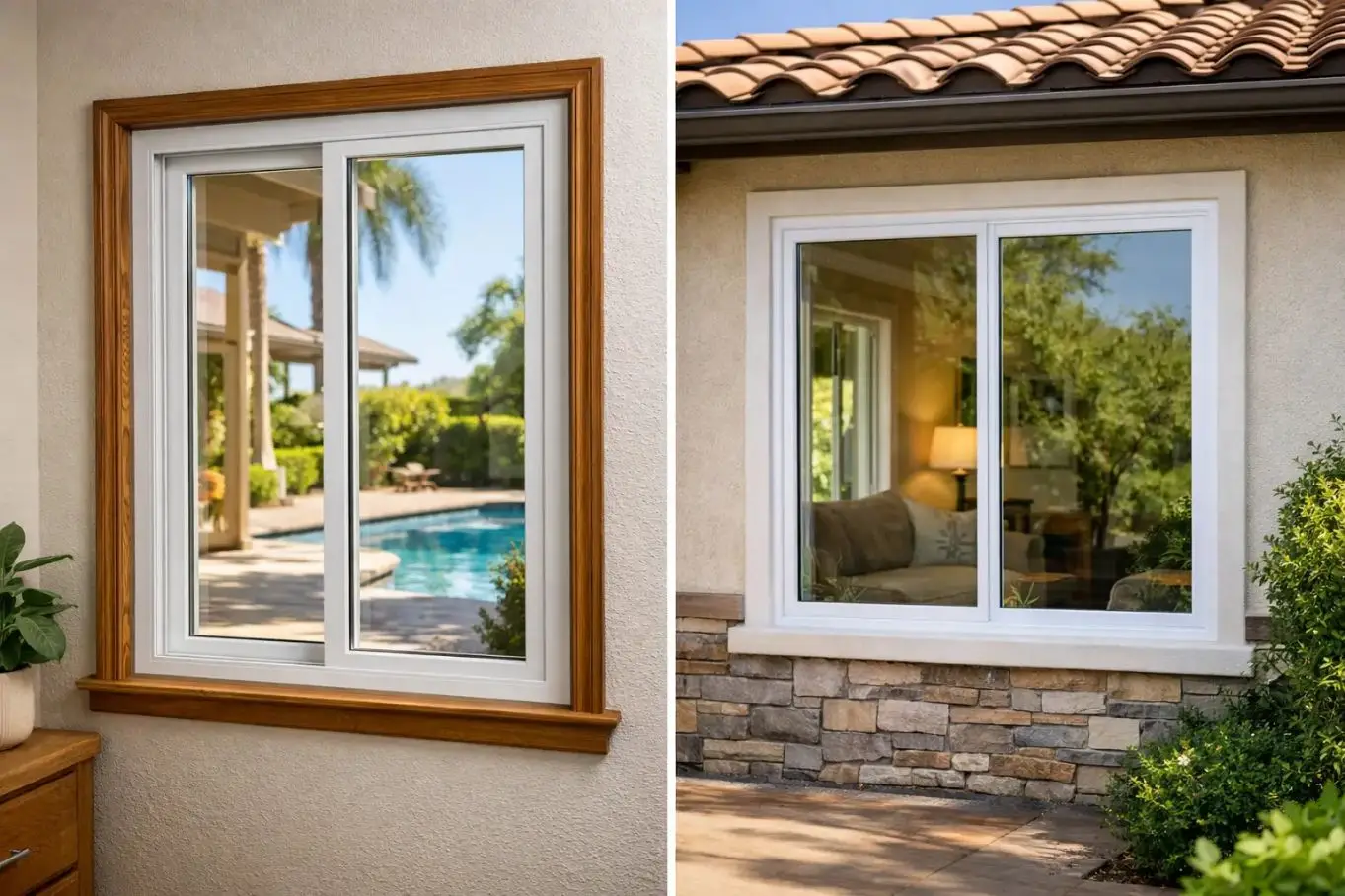
A retrofit window, sometimes called an insert replacement window, is installed within the existing window frame. The original frame remains in place, while the old operating sashes, glass, and hardware are removed. The new window unit is then secured inside that existing opening and carefully sealed.
This approach is well suited to homes with frames that are square, structurally sound, and free of significant water damage or decay. It is especially common in Southern California houses where homeowners want to update inefficient single-pane windows while preserving interior trim, stucco, siding, and exterior finishes.
Modern retrofit systems can include dual-pane insulated glass, Low-E coatings, argon gas between panes, and tightly sealed vinyl frames. In practical terms, these features can help reduce heat entering through the glass, lessen uncomfortable hot spots near windows, and make it easier for an air-conditioning system to maintain a consistent indoor temperature.
Because the existing frame stays in place, retrofit installation usually involves less construction disruption than a full-frame project. There is typically less need for finish work around the opening, which can be valuable in homes with intact stucco, custom interior woodwork, or carefully matched exterior details.
What Does Full-Frame Window Replacement Mean?
Full-frame replacement removes the entire existing window assembly, including the old frame, down to the rough opening in the wall. This gives the installer access to the surrounding structure, allowing the new window to be installed with new flashing, insulation, and frame components.
The major advantage is visibility. Once the old frame is removed, a contractor can evaluate conditions that an insert installation may not reveal, such as wood rot, water intrusion, damaged framing, or an improperly constructed opening. If repairs are necessary, they can be completed before the new window is installed.
Full-frame replacement may also be the better choice when homeowners want to change the window size, style, or configuration. For example, converting a small fixed window into a larger operable window, changing a sliding window to a picture window, or correcting an awkward original installation generally requires work beyond a retrofit opening.
That added scope comes with trade-offs. Full-frame replacement is more invasive, often requires exterior and interior finish work, and can involve more time and cost. On stucco homes, careful planning is particularly important because removing the old frame can affect the wall finish surrounding the opening.
Retrofit Windows vs Full Frame: The Key Differences
The most meaningful difference is not simply the new window itself. It is how much of the existing opening is retained or removed.
With retrofit replacement, the original frame stays in place. This usually preserves the surrounding architecture and keeps installation cleaner. However, the new unit fits inside the existing frame, so there can be a modest reduction in visible glass area. Quality window selection and precise measurements help minimize that effect, but it is worth discussing if maximizing daylight or views is a top priority.
With full-frame replacement, the new window can use more of the original rough opening because the old frame is removed. It also creates an opportunity to install a complete weather-management system around the window. The trade-off is that the project may require patching, trim replacement, paint, stucco work, or other finish restoration.
Neither method is automatically better. A full-frame installation is not necessary simply because a window is old, and a retrofit should not be used to cover up structural or moisture-related issues.
When Retrofit Replacement Is Usually the Better Fit
Retrofit windows are often a strong choice when the existing frames are in good condition and your primary goals are better comfort, lower heat transfer, less outside noise, and a more current appearance.
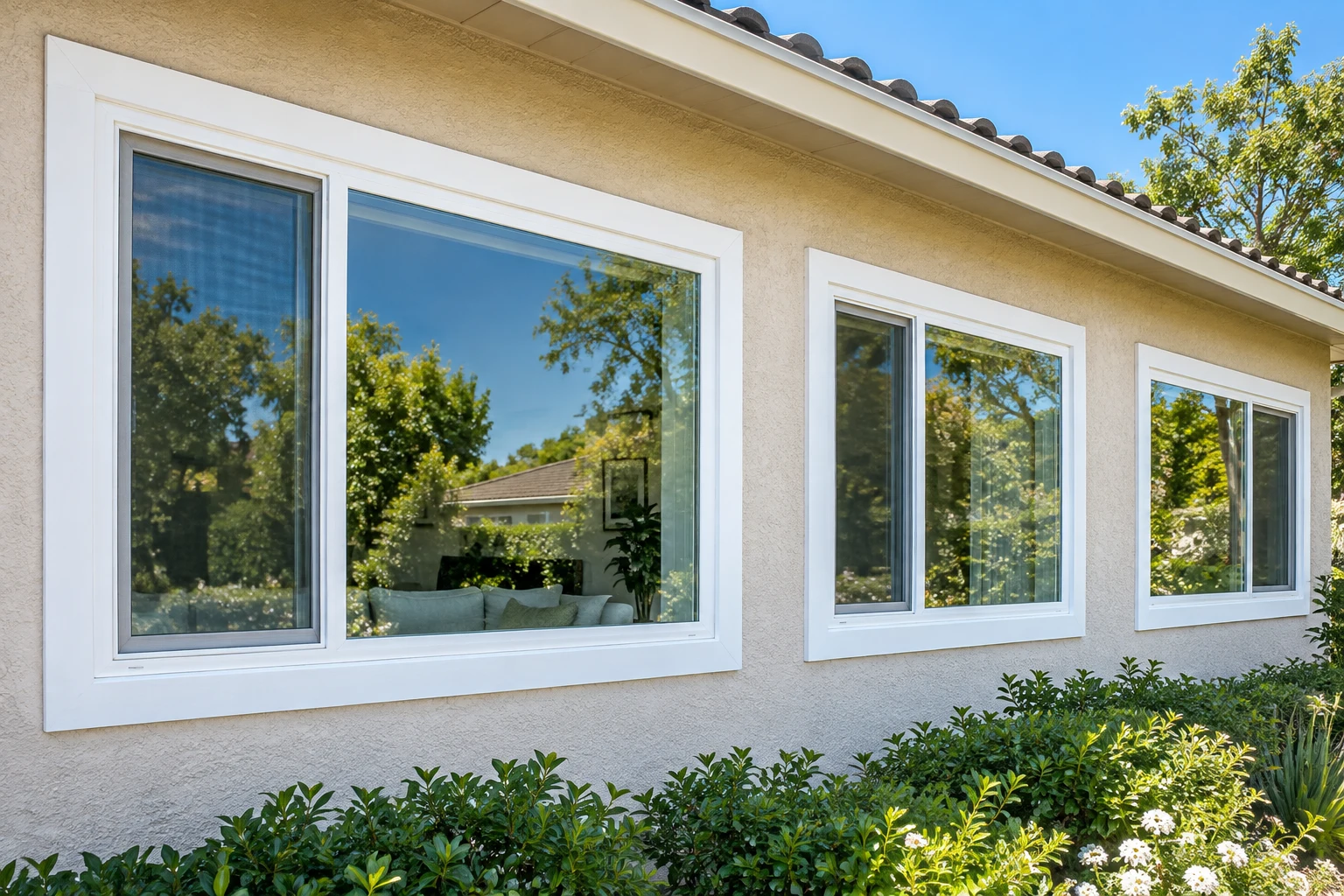
For example, a homeowner in Pasadena or Orange County may have older aluminum windows that feel hot to the touch in the afternoon and allow noticeable traffic noise indoors. If the surrounding frames are sound, replacement vinyl retrofit windows with insulated, Low-E glass can improve the living experience without requiring extensive wall modifications.
Retrofit is also practical when preserving existing finishes matters. Many homeowners want replacement windows but do not want to disturb interior drywall, exterior stucco, trim, or paint that is otherwise in good shape. A clean insert installation can provide a major performance update while keeping the scope focused on the windows themselves.
This option can be particularly appealing for whole-home replacement projects. When several windows need upgrading, a consistent retrofit approach may provide a predictable installation process and a cohesive finished appearance.
When Full-Frame Replacement Is Worth Considering
Full-frame replacement is usually appropriate when the existing frame cannot provide a reliable foundation for the new window. Visible rot, soft wood, persistent leaks, warped frames, severe corrosion, or signs of past water damage are reasons to investigate further.
It is also the preferred approach when there are underlying installation concerns. Windows that have shifted out of square, openings with recurring moisture problems, or frames that were improperly installed may need more than a new insert unit. Installing a new window into a compromised frame can leave the real problem unresolved.
A homeowner may also choose full frame for design reasons. If you are renovating a room and want a larger opening, a different style of window, or new interior and exterior trim, the additional construction may be justified. The key is to understand that this is a broader remodeling scope, not merely a replacement-window installation.
Performance Depends on More Than the Installation Method
A retrofit window can perform extremely well when it is properly sized, professionally installed, and paired with glass suited to the home. Likewise, a full-frame window will not deliver its full potential if the product or installation details are poorly matched to the opening.
For Southern California homes, glass selection often matters as much as frame type. Low-E glass helps manage solar heat gain while still allowing useful natural light. Dual-pane construction creates an insulating airspace between panes, and argon gas can further improve insulation. Together, these features can make rooms near windows feel more comfortable during hot afternoons and cooler evenings.
Noise reduction is another common goal. Insulated glass and well-sealed frames can help reduce the amount of outside sound entering the home, though results vary based on the glass package, window style, wall construction, and the type of noise involved. A home near a busy street, school, or flight path may benefit from discussing glass options specifically designed around sound control.
How to Decide Before Requesting an Estimate
Start by looking beyond the glass. Are the frames solid? Do windows open and close properly? Is there staining, peeling paint, soft wood, or evidence of moisture around the opening? Do you want to preserve the current trim and exterior finish, or are you already planning broader remodeling work?
Then consider your daily comfort concerns. If rooms are difficult to cool, furniture is fading from direct sun, or outdoor noise is affecting sleep and conversation, ask how the proposed window’s glass package addresses those issues. The best recommendation should connect product features to the way your home is used.
A qualified contractor should inspect the existing openings rather than assume every home needs the same installation method. At Total Home Windows, the replacement-window division of Team All Star Construction, CSLB #1009760, homeowners can receive guidance based on frame condition, energy goals, appearance preferences, and the realities of their particular home.
A Better Window Decision Starts With the Existing Frame
If your current frames are sound, retrofit replacement can be an efficient, low-disruption path to a cooler, quieter, more attractive home. If the frame or surrounding opening shows signs of damage, full-frame replacement may protect the long-term value of the investment. A careful in-home evaluation gives you the clarity to choose the option that supports comfort now and dependable performance for years ahead.
- Categories: Uncategorized
Southern California Window Replacement Guide
Single Pane vs Dual Pane: Which Fits Your Home?
Replacement Windows Los Angeles Homeowners Choose
A Guide to Full Window Replacement at Home
Vinyl vs Aluminum Windows for Southern California
Best Windows for Hot Climates in Southern California
A Homeowner’s Guide to Energy Efficient Windows
How to Reduce Window Heat at Home
Are Retrofit Windows Worth It for Your Home?
About Total Home Windows
Total Home Windows is a Southern California-based window replacement company focused on helping homeowners improve energy efficiency, indoor comfort, and long-term home value through high-performance window installations.
Serving Los Angeles County, Orange County, Riverside County, San Bernardino County, and Ventura County, the company specializes in both vinyl retrofit (insert) and full-frame window replacement. Their work is tailored to the unique demands of California homes, including intense UV exposure, coastal conditions, and heat retention issues common in older properties.
Total Home Windows combines practical installation experience with a strong focus on energy performance—helping homeowners reduce cooling costs, improve insulation, and solve common problems like rooms that stay hot even with air conditioning. Their approach prioritizes clear recommendations, transparent pricing, and solutions that make sense for each home.
The content published by Total Home Windows is built on real installation knowledge, field-tested performance insights, and current best practices in window technology, including Low-E glass, argon-filled units, and energy-efficient design strategies. Their goal is to help homeowners make informed decisions without overpaying or choosing the wrong type of window system.
Ways to Reach Us
If you’re considering window replacement, we’re here to answer questions and provide clear, professional guidance based on your home and goals.
- teamallstarconstruction@gmail.com
- 301 E.9th St Suite 415 Redlands, CA 92374