Compare vinyl vs aluminum windows for Southern California homes. Learn which frame delivers better comfort, efficiency, durability, and style for you.
A west-facing room that stays hot long after the air conditioner starts, traffic noise that reaches the living room, and faded flooring near sunny windows often point to the same issue: aging window performance. When comparing vinyl vs aluminum windows, the right choice is not simply about appearance or the initial investment. It is about how the frame and glass system will affect daily comfort in your specific Southern California home.
For most homeowners replacing older residential windows, vinyl offers the stronger combination of insulation, low maintenance, and value. Aluminum still has a place, particularly when a slim frame profile or a certain architectural look is the priority. The key is understanding what each material does well, where its limitations appear, and how the complete window system performs after installation.
Vinyl vs Aluminum Windows: The Core Difference
The biggest difference between vinyl and aluminum is how each material transfers heat. Aluminum is metal, so it conducts heat quickly. On a hot afternoon in Los Angeles, Riverside, or the Inland Empire, an aluminum frame can absorb exterior heat and transfer some of it toward the interior. During cooler nights, it can also feel colder along the inside edge of the window.
Vinyl is a non-metal material with naturally better insulating properties. A quality multi-chamber vinyl frame helps slow heat transfer between indoors and outdoors. That can make a noticeable difference in rooms with direct sun exposure, especially when paired with dual-pane, Low-E glass and argon-filled insulated glass units.
The frame is only one part of energy performance. Glass selection, weatherstripping, window size, orientation, and installation quality all matter. Still, the frame material sets the baseline, and vinyl generally starts with an efficiency advantage for residential retrofit replacement.
Why Vinyl Is Often the Better Fit for Southern California Homes
Southern California is not one climate. Coastal areas such as Huntington Beach and Ventura may have mild temperatures and marine air, while homes in Corona, Rancho Cucamonga, and Moreno Valley can face intense heat and large daily temperature swings. Across these conditions, homeowners commonly choose vinyl because it supports a more comfortable interior without demanding much ongoing care.
Better insulation for warmer rooms
Vinyl frames do not conduct heat the way standard aluminum frames do. This helps reduce the hot-to-the-touch feeling that can occur around older metal windows. When combined with performance glass designed for the home’s exposure, vinyl replacement windows can help rooms hold a more consistent temperature and reduce strain on cooling systems.
This does not mean every vinyl window has the same performance. A well-built frame, tight weather seals, quality insulated glass, and careful retrofit installation are what turn material benefits into real comfort improvements. A window that is poorly sized or improperly installed can allow air leakage regardless of frame type.
Less condensation potential
Condensation develops when a cold surface meets warm, moist indoor air. Because aluminum conducts outdoor temperatures more easily, older aluminum windows may develop interior condensation more readily during cooler or damp conditions. Vinyl’s insulating qualities help keep the interior frame surface closer to room temperature, which can reduce that tendency.
Condensation between the panes is different. It usually indicates that the seal on an insulated glass unit has failed. In that situation, replacing the full window system can address not only the fogged appearance but also aging seals, frame wear, and poor overall efficiency.
Low-maintenance performance
Vinyl does not rust, peel, or require regular repainting. Routine cleaning with mild soap and water is generally enough to keep frames looking presentable. That is especially helpful for homeowners who want a long-term improvement without adding another exterior maintenance task.
Aluminum is durable, but its finish can weather over time. In coastal communities, salt air can be a consideration for metal components. Quality finishes and proper product selection can help, yet vinyl remains the simpler low-maintenance choice for many homes.
Noise reduction comes from the complete system
Homeowners near busy streets, freeways, schools, or airports often ask whether vinyl or aluminum blocks more sound. The honest answer is that frame material is only part of the equation. Noise reduction depends heavily on the glass package, air tightness, window design, and professional installation.
A tightly sealed vinyl window with dual-pane glass can reduce common outside noise compared with older single-pane or loosely fitted windows. For homes with significant noise concerns, the right glass configuration may matter more than choosing vinyl alone. An experienced replacement window specialist should evaluate the noise source and recommend a system suited to the room.
Where Aluminum Windows Can Make Sense
Aluminum windows have strengths that should not be overlooked. They are rigid and can support narrow sightlines, which means less visible frame and more glass. For homeowners who prefer a clean, contemporary look or want to preserve a certain mid-century design character, aluminum can be appealing.
Some aluminum products use thermal breaks, which are insulating barriers placed within the frame to reduce heat transfer. These systems can perform better than older standard aluminum windows. However, they are often a more specialized selection, and comparing their energy ratings against a quality vinyl option is essential.
Aluminum may also be worth considering when matching an existing architectural style is more important than achieving the highest insulation value. A homeowner with a design-driven renovation may decide that the slimmer profile is the right trade-off. That decision should be made with clear expectations about comfort, solar exposure, and glass performance.
Comparing Appearance, Durability, and Long-Term Value
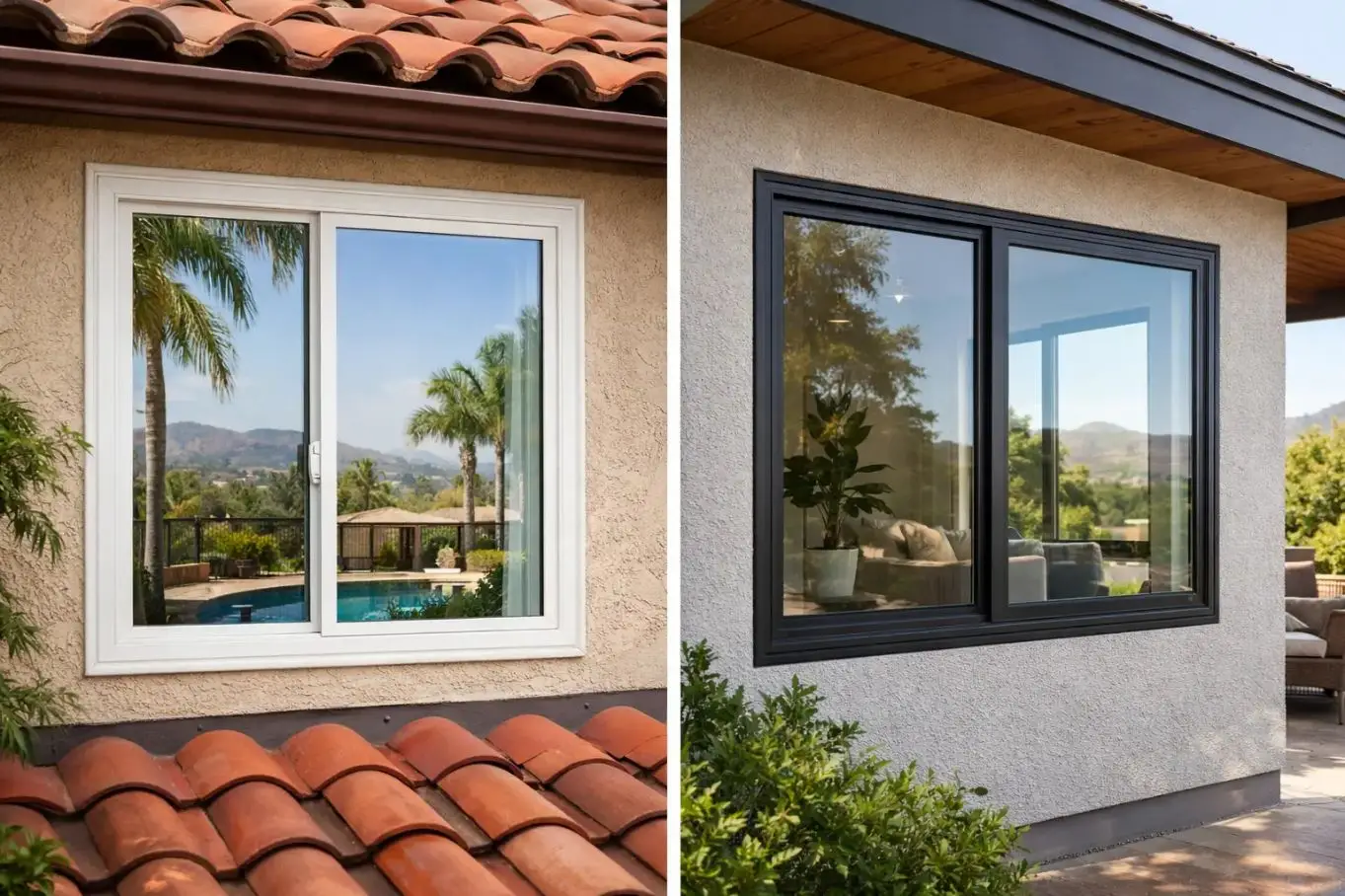
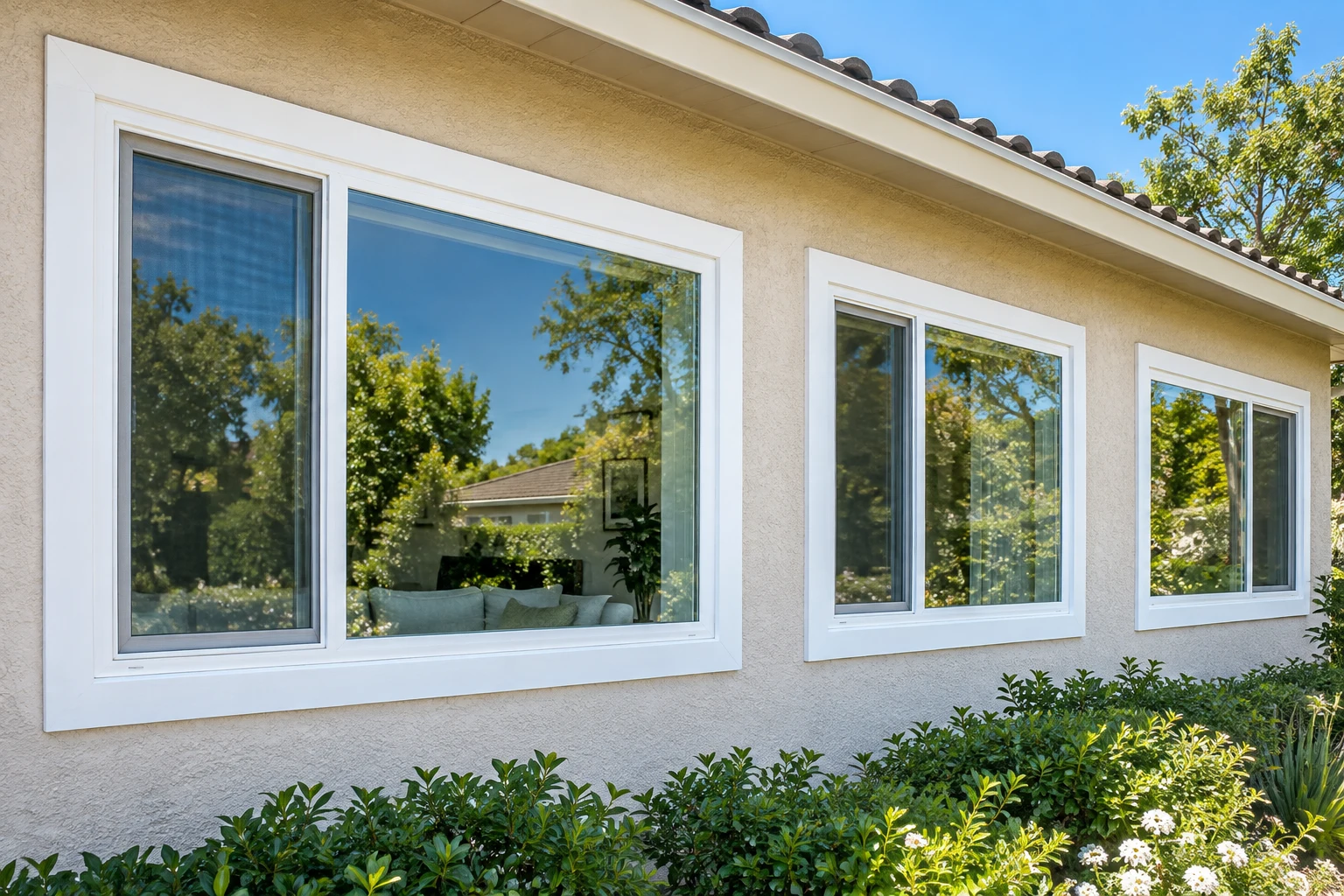
Vinyl frames are available in a range of colors, profiles, and operating styles, so they no longer limit homeowners to a basic white-window appearance. They can complement traditional ranch homes, Spanish-style properties, contemporary renovations, and many other Southern California home styles. Because color options and frame profiles vary by manufacturer, it helps to view samples against the home’s exterior before choosing.
Aluminum’s thin profile can create a sharper, more minimal appearance. It may be particularly attractive on homes with expansive glass areas or a modern aesthetic. The trade-off is that a slender aluminum frame is not automatically a more energy-efficient one.
Durability is also more nuanced than “metal is stronger.” Both materials can provide long service lives when they are quality products, properly installed, and used in appropriate locations. Vinyl can expand and contract slightly with temperature changes, while aluminum is very rigid. For typical residential retrofit applications, a quality vinyl system is engineered to accommodate normal climate movement and everyday use.
Long-term value should be measured by more than purchase price. Consider whether the windows improve difficult-to-cool rooms, reduce drafts, cut glare and UV exposure, make the home quieter, and update curb appeal. The best value is the system that solves the problems you actually experience rather than the one that checks a single material preference.
Glass Choices Matter as Much as Frame Material
A homeowner can choose an excellent frame and still miss a major comfort opportunity with the wrong glass package. In sunny Southern California, Low-E glass is often a practical choice because it reflects a portion of solar heat while allowing useful daylight into the home. The exact Low-E coating should be selected based on climate, window orientation, and whether reducing heat gain or retaining interior warmth is the main goal.
Dual-pane insulated glass creates a sealed space between panes that slows heat transfer. Argon gas may be placed in that space to further improve insulation. Together, these features can help reduce window-area heat gain and create a more even indoor temperature.
For a south- or west-facing room that receives strong afternoon sun, solar heat gain control may be a higher priority. For a shaded room or a coastal home with milder weather, the balance may be different. This is why a whole-home recommendation should account for each elevation rather than applying one glass option everywhere.
Questions to Ask Before Choosing Replacement Windows
Before deciding between vinyl and aluminum, start with the problems you want the project to solve. Are certain rooms hotter than others? Is freeway or neighborhood noise affecting sleep? Are the current windows difficult to open, showing moisture between panes, or making the exterior look dated? Clear answers help guide the material, glass, and operating-style selection.
Ask the window professional to explain the energy ratings of the specific products being considered, not just broad claims about material. Review frame colors, glass options, warranties, and how the retrofit installation will integrate with your existing opening. A clean, precise installation is central to weather resistance, smooth operation, and the finished appearance of the home.
It is also wise to work with a properly licensed contractor that focuses on residential replacement windows. Team All Star Construction, CSLB #1009760, through Total Home Windows, helps homeowners throughout Los Angeles, Orange, Riverside, San Bernardino, and Ventura Counties evaluate vinyl retrofit systems based on comfort, efficiency, noise concerns, and architectural goals.
The Right Choice Starts With How Your Home Feels
For many Southern California homeowners, vinyl replacement windows are the practical choice because they pair strong insulation and easy maintenance with broad style options. Aluminum can be the right answer when its slim profile and architectural character outweigh the energy-performance trade-off, particularly when a thermally improved system is selected.
Rather than choosing by material alone, pay attention to the rooms that feel uncomfortable, the direction your windows face, the noise outside, and the performance of the full window-and-glass system. A thoughtful evaluation can turn window replacement into a lasting improvement in how your home feels every day.
- Categories: Uncategorized
Southern California Window Replacement Guide
Single Pane vs Dual Pane: Which Fits Your Home?
Replacement Windows Los Angeles Homeowners Choose
Retrofit Windows vs Full Frame: Which Fits?
A Guide to Full Window Replacement at Home
Best Windows for Hot Climates in Southern California
A Homeowner’s Guide to Energy Efficient Windows
How to Reduce Window Heat at Home
Are Retrofit Windows Worth It for Your Home?
About Total Home Windows
Total Home Windows is a Southern California-based window replacement company focused on helping homeowners improve energy efficiency, indoor comfort, and long-term home value through high-performance window installations.
Serving Los Angeles County, Orange County, Riverside County, San Bernardino County, and Ventura County, the company specializes in both vinyl retrofit (insert) and full-frame window replacement. Their work is tailored to the unique demands of California homes, including intense UV exposure, coastal conditions, and heat retention issues common in older properties.
Total Home Windows combines practical installation experience with a strong focus on energy performance—helping homeowners reduce cooling costs, improve insulation, and solve common problems like rooms that stay hot even with air conditioning. Their approach prioritizes clear recommendations, transparent pricing, and solutions that make sense for each home.
The content published by Total Home Windows is built on real installation knowledge, field-tested performance insights, and current best practices in window technology, including Low-E glass, argon-filled units, and energy-efficient design strategies. Their goal is to help homeowners make informed decisions without overpaying or choosing the wrong type of window system.
Ways to Reach Us
If you’re considering window replacement, we’re here to answer questions and provide clear, professional guidance based on your home and goals.
- teamallstarconstruction@gmail.com
- 301 E.9th St Suite 415 Redlands, CA 92374