What does it mean to retrofit a window? Learn how retrofit window replacement works, when it makes sense, and how it improves comfort.
If you have older windows that let in heat, noise, or drafts, you may have heard the term retrofit replacement and wondered what it actually means. Simply put, what does it mean to retrofit a window? It means installing a new replacement window into the existing window frame rather than removing the entire frame and surrounding wall materials.
For many homeowners, that distinction matters a lot. A retrofit window replacement can improve comfort, energy efficiency, and appearance without the larger construction process that comes with a full-frame replacement. In the right home, it is one of the most practical ways to upgrade aging windows.
What does it mean to retrofit a window in real terms?
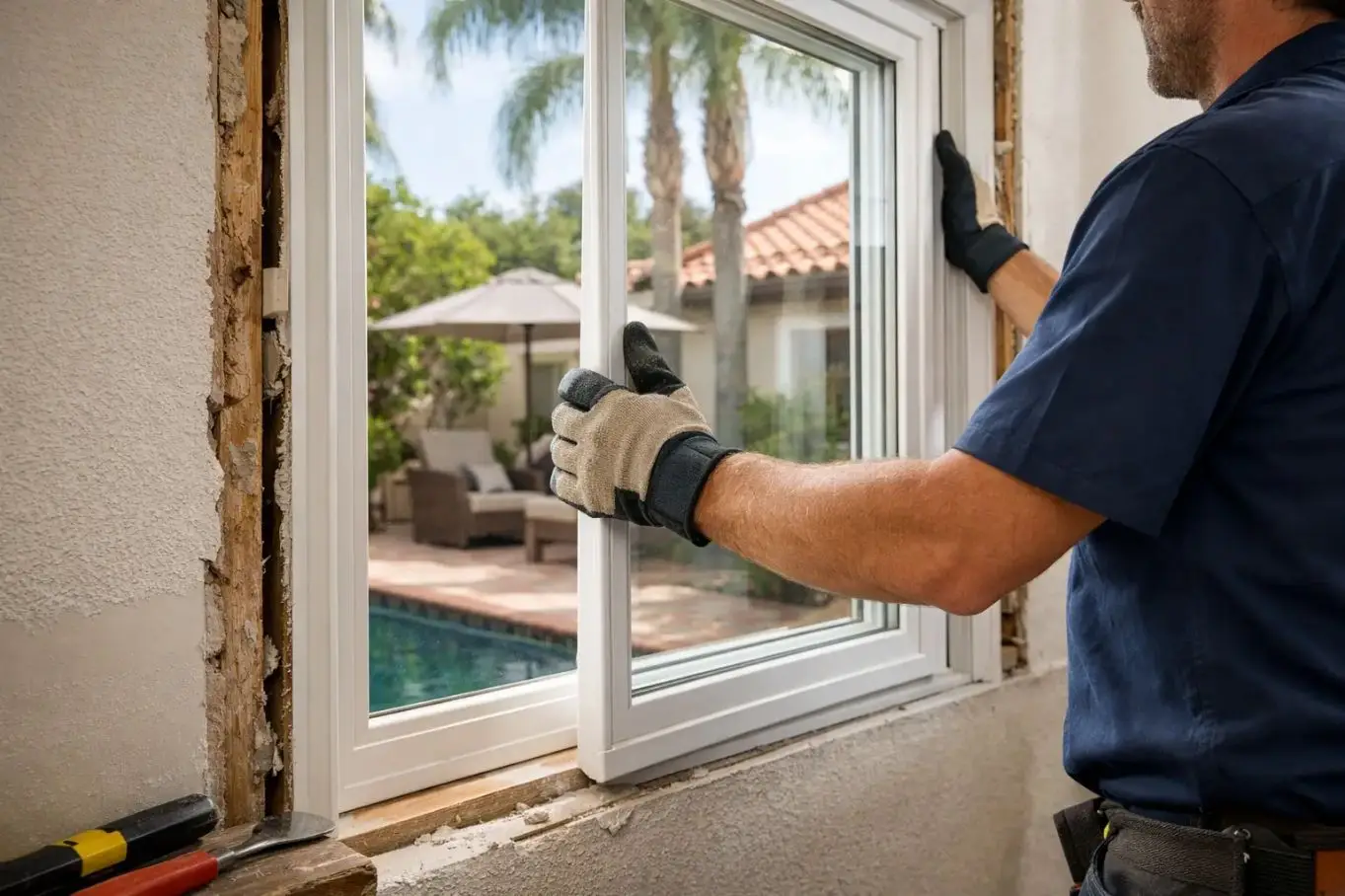
A retrofit window is designed to fit inside the existing window opening while keeping the original frame in place. The old operating parts of the window, including the sash and outdated glass, are removed. Then the new window unit is installed within that existing frame.
That means the surrounding stucco, siding, drywall, and trim usually do not need major disturbance. For homeowners, the result is a cleaner, faster replacement process than a project that requires tearing out the whole window system down to the rough opening.
This is why retrofit replacement is so common in existing Southern California homes. Many homeowners want better insulation and lower heat transfer, but they do not necessarily need major structural modifications to get those benefits.
How a retrofit window replacement differs from full-frame replacement
The easiest way to understand retrofit windows is to compare them to the other main option.
With a retrofit installation, the existing frame stays. The new window is placed into that frame, sealed properly, and finished for a clean appearance.
With a full-frame replacement, the entire old window assembly is removed, including the frame. This method exposes the rough opening and may involve more extensive work around the wall, trim, and exterior finish.
Neither option is automatically better in every situation. It depends on the condition of the existing frame, the design goals of the project, and whether there are hidden issues such as water damage or structural deterioration.
For many homes, retrofit is the efficient solution because it provides major performance improvements with less disruption. But if the existing frame is compromised, a full-frame approach may be the better long-term choice.
When retrofit windows make sense
Retrofit window replacement usually makes sense when the existing frame is still in good condition. If the frame is square, stable, and free from major damage, it may be an excellent candidate for a retrofit installation.
This approach is especially appealing for homeowners dealing with everyday comfort issues. Maybe a west-facing room gets too hot in the afternoon. Maybe traffic noise carries through older single-pane windows. Maybe your windows look dated and are harder to open than they used to be. In those cases, retrofit replacement can solve the performance problem without turning the project into a major remodel.
It can also make sense when preserving existing exterior finishes is a priority. In stucco homes, which are common throughout Southern California, avoiding unnecessary disturbance to the exterior can be a real advantage.
What gets improved with a retrofit window?
Homeowners sometimes assume that keeping the old frame means only making a cosmetic update. In reality, a well-chosen retrofit window can significantly improve how a home feels and functions.
The biggest improvement is often energy performance. Replacing older single-pane or failing dual-pane windows with modern insulated glass can reduce heat entering the home. Features such as dual-pane construction, Low-E glass coatings, and argon-filled glass units help control solar heat gain and improve insulation. In practical terms, that can mean rooms that stay more comfortable and air conditioning systems that do not have to work as hard.
Noise reduction is another major benefit. While no window can block all outdoor sound, modern replacement windows can noticeably reduce street noise, neighborhood activity, and other outside sounds compared to older, poorly sealed windows.
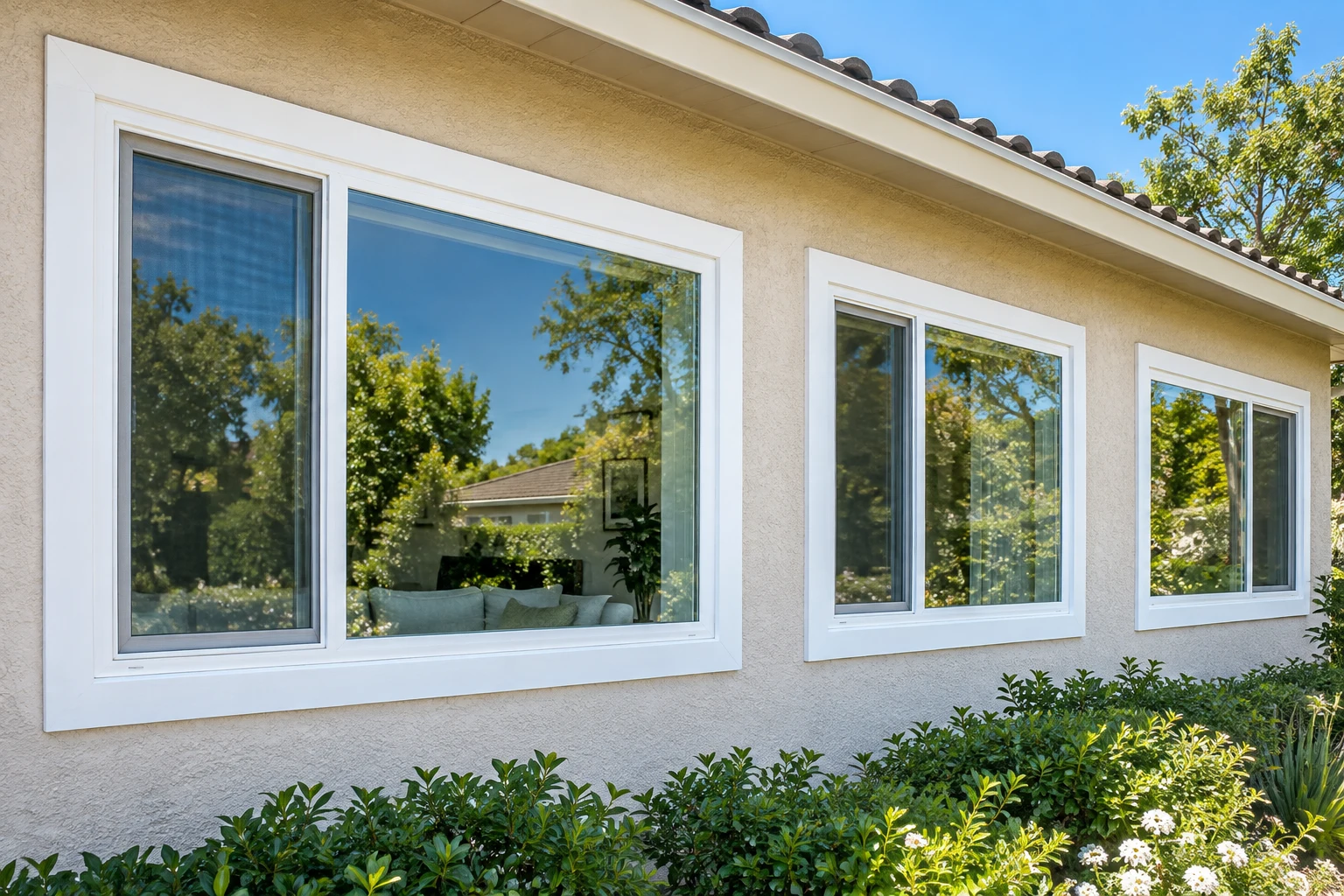
There is also the issue of appearance. Older windows can make a home look tired, even if the rest of the property is well maintained. New retrofit windows can give the exterior a cleaner, more updated look while improving sightlines and interior brightness, depending on the frame style chosen.
What does it mean to retrofit a window if the old frame stays?
This is one of the most common homeowner questions. If the frame stays, people naturally wonder whether they are really getting a full upgrade.
The answer is yes, but within the limits of the existing opening. The new window itself is a modern replacement unit with updated materials, improved glass technology, new seals, and new operating hardware. What stays is the perimeter frame that is already built into the home.
That is why proper evaluation matters. A retrofit installation is only as good as the condition of the existing frame and the quality of the installation. If the frame is sound, the performance gains can be substantial. If the frame has hidden deterioration, that issue needs to be addressed before a retrofit is considered the right solution.
Common misconceptions about retrofit windows
One misconception is that retrofit windows are a shortcut. They are not. They are a specific installation method used when the existing conditions support it.
Another misconception is that retrofit windows always reduce glass area too much. It is true that inserting a new window into an existing frame can slightly reduce visible glass space. However, modern frame designs often minimize that difference, and for most homeowners the gain in comfort, efficiency, and appearance outweighs the small trade-off.
Some homeowners also assume retrofit means low-end. In practice, high-quality retrofit window systems can include premium vinyl frames, advanced insulated glass packages, and design options that substantially outperform older windows.
Why retrofit windows are popular in Southern California
Southern California homes face a mix of challenges that make window performance especially important. Heat gain is a major one. Homes in Los Angeles County, Orange County, Riverside County, San Bernardino County, and Ventura County often deal with intense sun exposure, warm afternoons, and high cooling demands for much of the year.
That is where retrofit replacement can deliver meaningful value. Upgrading from outdated windows to energy-efficient dual-pane systems with Low-E glass can help reduce indoor heat buildup, improve comfort in sunny rooms, and support better overall home performance.
Noise is another local concern. Whether a home is near a busy street, freeway corridor, school, or active neighborhood, older windows often allow too much exterior sound indoors. A modern retrofit window system can help create a quieter interior environment without the disruption of more invasive construction.
How homeowners know if retrofit is the right option
The best way to determine whether retrofit replacement is appropriate is to have the existing windows evaluated by an experienced replacement window specialist. A professional assessment should look at the frame condition, signs of moisture damage, operation of the current window, and the homeowner’s goals for comfort, efficiency, and appearance.
In many cases, homeowners already know something is wrong even if they do not know the technical cause. They notice hot spots in certain rooms, condensation issues, fading furnishings, or windows that feel loose and outdated. Those symptoms often point to poor-performing windows, but the right installation method still depends on the condition of what is already in the wall.
This is where working with a licensed specialist matters. A company focused on residential retrofit window replacement can explain whether a retrofit approach makes sense or whether full-frame replacement would better protect the home over time.
The bigger goal is not just new windows
Most homeowners are not replacing windows simply because they want different glass. They want a cooler bedroom, a quieter living room, lower strain on the AC system, and a home that feels more updated and cared for.
That is the real value behind retrofit replacement. It is not just about fitting a new window into an old opening. It is about improving everyday living with less disruption, when the home is a good candidate for that approach.
At Total Home Windows, that conversation starts with the house itself – its existing window condition, exposure to heat and sun, noise concerns, and the kind of comfort improvements the homeowner wants to feel after the project is done.
If you have been asking what does it mean to retrofit a window, the simplest answer is this: it is a smarter way to replace windows when the existing frame can still do its job. The real question is whether that approach fits your home, your comfort goals, and the long-term performance you expect from the upgrade.
- Categories: Uncategorized
Southern California Window Replacement Guide
Single Pane vs Dual Pane: Which Fits Your Home?
Replacement Windows Los Angeles Homeowners Choose
Retrofit Windows vs Full Frame: Which Fits?
A Guide to Full Window Replacement at Home
Vinyl vs Aluminum Windows for Southern California
Best Windows for Hot Climates in Southern California
A Homeowner’s Guide to Energy Efficient Windows
How to Reduce Window Heat at Home
About Total Home Windows
Total Home Windows is a Southern California-based window replacement company focused on helping homeowners improve energy efficiency, indoor comfort, and long-term home value through high-performance window installations.
Serving Los Angeles County, Orange County, Riverside County, San Bernardino County, and Ventura County, the company specializes in both vinyl retrofit (insert) and full-frame window replacement. Their work is tailored to the unique demands of California homes, including intense UV exposure, coastal conditions, and heat retention issues common in older properties.
Total Home Windows combines practical installation experience with a strong focus on energy performance—helping homeowners reduce cooling costs, improve insulation, and solve common problems like rooms that stay hot even with air conditioning. Their approach prioritizes clear recommendations, transparent pricing, and solutions that make sense for each home.
The content published by Total Home Windows is built on real installation knowledge, field-tested performance insights, and current best practices in window technology, including Low-E glass, argon-filled units, and energy-efficient design strategies. Their goal is to help homeowners make informed decisions without overpaying or choosing the wrong type of window system.
Ways to Reach Us
If you’re considering window replacement, we’re here to answer questions and provide clear, professional guidance based on your home and goals.
- teamallstarconstruction@gmail.com
- 301 E.9th St Suite 415 Redlands, CA 92374