Prices and performance figures in this guide are planning examples, not a project quote or a promise of savings. Your estimate and results depend on the products, installation scope, existing home, climate, and energy use.
Key Takeaway
What are the best replacement windows for keeping a house cool in hot climates?
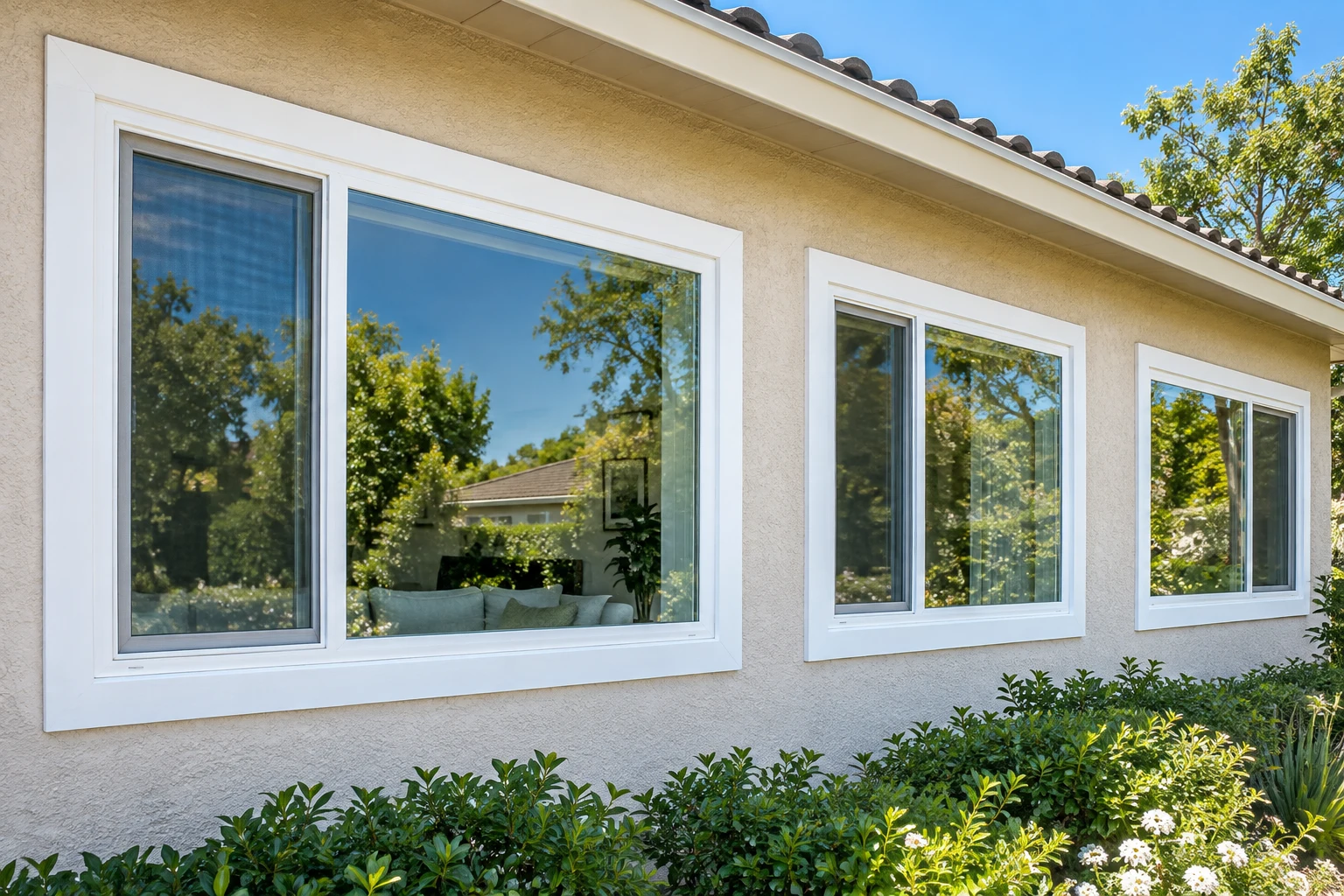
The best windows for hot homes are energy-efficient vinyl replacement windows with Low-E glass and argon gas-filled dual-pane glass units. These windows help reduce solar heat gain, block harmful UV rays, and improve indoor comfort by preventing excessive heat from entering the home. For Southern California homeowners, Low-E 366 glass is often one of the most effective options for reducing heat transfer and lowering cooling costs.
- Heat Reduction
Discover which replacement windows help reduce solar heat gain, improve indoor comfort, and lower cooling costs in Southern California homes.
Energy Efficient Products • Professional Installation • Southern California Experts
Summary
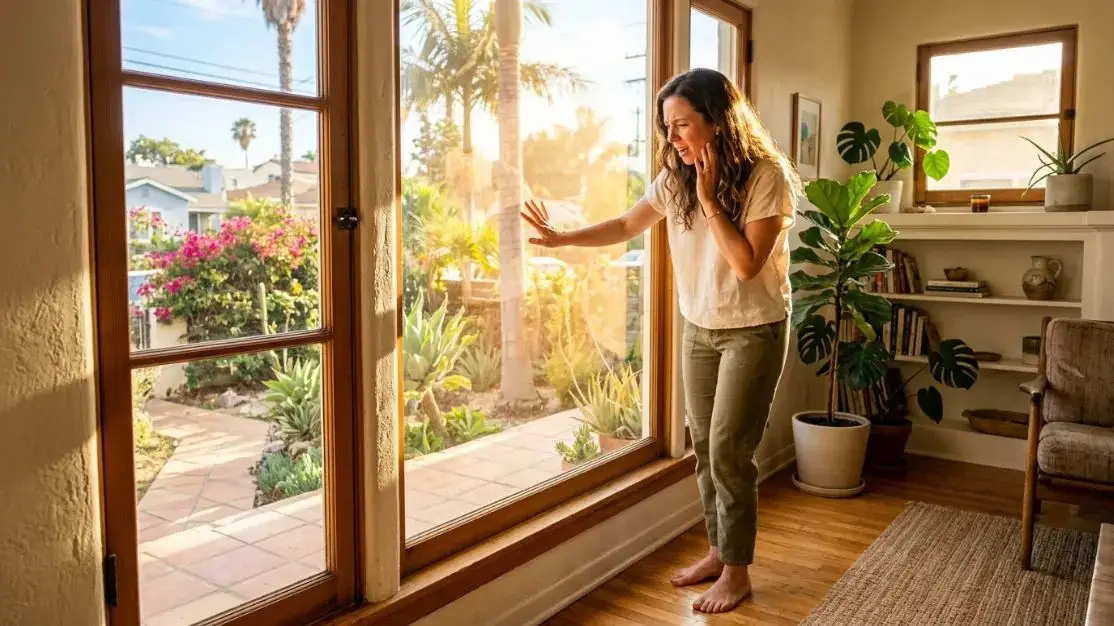
Homes in Southern California face significant heat gain through older windows, especially single-pane aluminum windows that allow solar heat to enter unchecked. This can lead to uncomfortable rooms, higher energy bills, and air conditioning systems that run constantly during warmer months.
Modern replacement windows reduce heat by combining advanced technologies such as Low-E glass coatings, argon gas insulation, and multi-chamber vinyl frames. Together, these features help reflect solar heat away from the home while improving overall energy efficiency.
For homeowners dealing with hot rooms, west-facing windows, or rising cooling costs, upgrading to energy-efficient replacement windows can provide noticeable comfort improvements while helping reduce strain on HVAC systems.
Why Some Homes Feel Hotter Than Others
Not all heat enters a home through the roof or walls. In many Southern California homes, windows are one of the largest sources of unwanted heat gain. Older single-pane windows and aging aluminum-framed windows allow sunlight and infrared heat to pass directly into living spaces, creating rooms that feel noticeably warmer than the rest of the house.
This problem becomes even more noticeable in west-facing rooms, upstairs bedrooms, and homes located in areas such as Riverside, the Inland Empire, and the San Fernando Valley where summer temperatures frequently reach triple digits. As solar heat enters through inefficient windows, air conditioning systems must work harder to maintain comfortable indoor temperatures.
The result is often higher energy bills, uneven room temperatures, and living spaces that remain uncomfortable even when the HVAC system is running continuously.
How Windows Affect Indoor Temperature
When sunlight hits a window, three different forms of heat transfer can occur:
Solar Radiation
Radiant heat from the sun passes through the glass and enters the home. This is often the biggest source of heat gain during summer months.
Conduction
Heat moves directly through the glass and window frame from the hotter outdoor environment to the cooler indoor environment.
Air Leakage
Older windows frequently allow outside air to enter through worn seals, gaps, or damaged weatherstripping, further increasing cooling demands.
Modern replacement windows are specifically engineered to reduce all three forms of heat transfer, helping maintain a more stable indoor temperature throughout the day.
Features That Help Block Heat
Not all replacement windows provide the same level of thermal performance. The most effective heat-reducing windows combine several technologies that work together.
Low-E Glass Coatings
Low-emissivity (Low-E) glass contains microscopic metallic layers that reflect heat while allowing natural light to pass through.
Advanced Low-E glass packages such as LoĒ³-366 are designed to reflect infrared heat away from the home while maintaining excellent visibility. These coatings can also block up to 95% of harmful UV rays that contribute to fading furniture, flooring, and interior finishes.
Argon Gas Between Panes
Energy-efficient windows often use argon gas between glass panes.
Argon is denser than ordinary air, making it more difficult for heat to move through the insulated glass unit. This additional insulation helps reduce temperature transfer and improves overall energy efficiency.
Multi-Chamber Vinyl Frames
Window frames play an important role in heat control.
Unlike aluminum, which readily conducts heat, vinyl frames contain multiple internal chambers that help slow heat transfer. This reduces thermal bridging and prevents the frame itself from becoming a source of indoor heat.
Dual-Pane Construction
Dual-pane windows create an insulating barrier that significantly outperforms older single-pane designs.
When combined with Low-E coatings and argon gas, dual-pane windows can dramatically reduce solar heat gain while improving indoor comfort year-round.
Best Window Options for Hot Homes
For most Southern California homeowners, the best solution is a premium dual-pane vinyl replacement window that includes:
- Low-E 366 glass
- Argon gas fill
- Multi-chamber vinyl frame construction
- Warm-edge spacer technology
- Energy-efficient performance ratings
This combination helps achieve lower Solar Heat Gain Coefficient (SHGC) values and improved U-Factor ratings, which are the primary measurements used to evaluate a window’s ability to resist heat transfer.
Benefits of Energy-Efficient Replacement Windows
More Comfortable Rooms
Reducing solar heat gain helps maintain a more consistent indoor temperature, making rooms more comfortable throughout the day.
Lower Cooling Costs
When less heat enters the home, air conditioning systems do not have to work as hard. This can help reduce cooling costs during the hottest months of the year.
Reduced UV Exposure
Modern glass packages help block harmful ultraviolet rays that contribute to fading furniture, flooring, artwork, and interior finishes.
Improved Energy Efficiency
Energy-efficient windows help strengthen the home’s thermal envelope, reducing heat transfer and improving overall HVAC performance.
When Should You Consider Replacing Your Windows?
You may benefit from replacement windows if you experience any of the following:
- Rooms that become excessively hot in the afternoon
- High summer energy bills
- Older single-pane windows
- Aluminum-framed windows
- Drafts or temperature inconsistencies
- Furniture fading from sun exposure
- An HVAC system that constantly runs during hot weather
Upgrading to modern energy-efficient replacement windows can help address these issues while improving comfort, efficiency, and long-term home value.
At a Glance
- Intent
Heat Reduction
- Problem
Hot Rooms
- Climate
Inland Heat
- Recommended Solution
Dual-Pane Vinyl Replacement Windows with Low-E 366 Glass and Argon Gas
Understanding the Technology Behind Heat-Reducing Windows
Modern replacement windows use multiple technologies to reduce heat transfer. Understanding how these components work can help homeowners make informed decisions when selecting replacement windows.
What Is Solar Heat Gain Coefficient (SHGC)?
Solar Heat Gain Coefficient, or SHGC, measures how much solar heat passes through a window.
A lower SHGC means less heat enters the home. For hot climates such as Southern California, windows with lower SHGC ratings are generally preferred because they help reduce cooling demands during summer months.
What Is U-Factor?
U-Factor measures how effectively a window prevents heat transfer.
Lower U-Factor values indicate better insulation performance. A low U-Factor helps keep outdoor heat from entering the home and conditioned indoor air from escaping.
How Low-E Glass Works
Low-E stands for low emissivity.
Microscopic layers of metallic coatings are applied to the glass surface. These coatings are designed to reflect infrared heat while allowing visible light to pass through. This means homeowners can enjoy natural daylight without allowing excessive solar heat into the home.
Advanced products such as Low-E 366 glass provide exceptional heat control and UV protection, making them a popular choice for hot Southern California climates.
How Argon Gas Improves Insulation
Argon gas is an inert gas sealed between the panes of an insulated glass unit.
Because argon is denser than air, it slows the movement of heat through the window. This improves thermal performance and helps maintain more stable indoor temperatures.
Why Vinyl Frames Outperform Aluminum Frames
Older aluminum frames transfer heat very efficiently, which can contribute to hotter indoor conditions.
Modern vinyl frames are designed with multiple internal chambers that help reduce thermal transfer. These chambers create insulating barriers that improve overall window performance while helping prevent unwanted heat gain.
The Importance of Warm-Edge Spacers
Spacers separate the panes of glass inside a dual-pane window.
Warm-edge spacer systems are designed to reduce heat transfer around the perimeter of the glass. They also help improve seal durability and contribute to long-term energy efficiency.
Why Dual-Pane Windows Matter
Dual-pane windows create an insulating airspace between two panes of glass.
When paired with Low-E coatings, argon gas, and quality frame construction, dual-pane windows significantly outperform older single-pane designs in both comfort and energy efficiency.
Related Window Answers
Not sure if this is the right answer? Explore other options homeowners commonly consider.
【19†What are the best windows for west-facing rooms? The best windows for west-facing rooms are energy-efficient replacement windows designed to block solar heat gain during the afternoon. Features such as Low-E glass coatings, dual-pane construction, argon gas fills, and insulated vinyl frames help reduce heat transfer while maintaining natural light. West-facing rooms receive direct sunlight during the hottest hours of the day, making them especially vulnerable to overheating.
Modern replacement windows with advanced solar-control glass can significantly improve comfort, reduce glare, and help your air conditioning system operate more efficiently. For many Southern California homeowners, upgrading to Low-E replacement windows is one of the most effective ways to make west-facing rooms more comfortable year-round. Learn More】
【20†Do replacement windows actually lower energy bills? Yes, modern energy-efficient replacement windows can help lower energy bills by reducing heat transfer, minimizing air leakage, and improving overall insulation. While savings vary based on climate, home construction, and existing window condition, many homeowners experience reduced heating and cooling costs after upgrading older single-pane or inefficient windows. Windows are a critical part of the home’s building envelope.
When older windows allow excessive heat gain, heat loss, or air infiltration, HVAC systems must work harder to maintain comfortable indoor temperatures. Energy-efficient replacement windows help reduce this workload and improve overall home performance. Learn More】
【21†What is the difference between Low-E glass and standard glass? Low-E glass is designed to reflect heat while allowing natural light to pass through, making it significantly more energy efficient than standard clear glass. Compared to standard glass, Low-E glass helps reduce solar heat gain, improve indoor comfort, block harmful UV rays, and support lower heating and cooling costs.
For most Southern California homeowners, Low-E glass is the preferred option because it helps keep homes cooler during hot weather while protecting furniture, flooring, and interior finishes from sun damage. Learn More】
【22†What are the best windows for an upstairs bedroom that gets hot? The best windows for upstairs bedrooms that get hot are energy-efficient replacement windows with Low-E glass, dual-pane insulated glass, argon gas fills, and vinyl or fiberglass frames. These windows reduce solar heat gain, block UV rays, and help keep second-story rooms more comfortable during hot Southern California summers.
Bedrooms located on upper floors often receive more direct sunlight and are affected by heat rising through the home. Upgrading older windows can significantly reduce heat transfer and improve indoor comfort while helping your HVAC system work more efficiently. Learn More】
Serving Homeowners Throughout Southern California
Total Home Windows provides professional window replacement services across Southern California. Explore nearby service areas to learn about local window solutions, climate considerations, and replacement options available in your community.
Orange Total Home Windows helps Orange homeowners solve one of the most frustrating comfort problems in Southern California: a house that still feels hot, uneven, and expensive to cool even when the AC keeps running. In many cases, the windows are […] Learn More
Anaheim Total Home Windows helps Anaheim homeowners solve a problem that feels familiar across the city: the house stays hot even while the AC keeps running. In many cases, the issue is not the air conditioner first. It is the windows. […] Learn More
Corona If your Corona home stays hot even with the AC running, the problem may not start with the air conditioner. In many homes, heat is entering through old or inefficient windows faster than the AC can remove it, and Total […] Learn More
Riverside Riverside homeowners deal with a very different window problem than homeowners closer to the coast. The weather is hotter, the sun is stronger, and many homes were built with windows that no longer match the way people use their homes […] Learn More
Los Angeles Why Do Los Angeles Homes Overheat—Even with the AC Running? Direct answer: In Los Angeles, overheated rooms and high summer energy bills are almost always traced back to old or inefficient windows—not your air conditioner. At Total Home Windows, we […] Learn More
Frequently Asked Questions
Do new windows actually keep a house cooler?+
Yes. Energy-efficient replacement windows help reduce solar heat gain, making it easier to maintain comfortable indoor temperatures and reducing the workload on your air conditioning system.
What are the best windows for hot climates?+
Premium dual-pane vinyl windows with Low-E glass and argon gas are among the best options for reducing heat transfer and improving comfort in hot climates.
What is Low-E glass?+
Low-E glass features microscopic metallic coatings that reflect heat while allowing natural light to pass through, helping reduce solar heat gain and improve energy efficiency.
Does Low-E glass make a room darker?+
No. Modern Low-E glass is designed to block heat and UV rays while still allowing plenty of natural daylight into the home.
What is argon gas in windows?+
Argon gas is an insulating gas sealed between glass panes that helps slow heat transfer and improve overall window performance.
Are vinyl windows good for hot weather?+
Yes. Vinyl windows are highly energy-efficient and help reduce thermal transfer compared to older aluminum-framed windows.
Can replacement windows lower energy bills?+
Energy-efficient replacement windows can help reduce cooling costs by limiting heat gain and reducing the workload on HVAC systems.
What is the difference between single-pane and dual-pane windows?+
Dual-pane windows contain two layers of glass separated by an insulating space, providing significantly better thermal performance than single-pane windows.
What is SHGC in window ratings?+
SHGC stands for Solar Heat Gain Coefficient. It measures how much solar heat passes through a window. Lower SHGC values generally provide better heat control in hot climates.
When should I replace my windows?+
You should consider replacement if your home has single-pane windows, aging aluminum frames, drafts, rising energy bills, or rooms that become excessively hot during the day.
NEXT STEP
Ready to Make Your Home More Comfortable?
Learn which replacement window options can help reduce heat, improve comfort, and lower cooling costs. Schedule a consultation with Total Home Windows to explore energy-efficient solutions designed for Southern California homes.
Call: (310) 729-3013
Request Free Estimate