
Key Takeaway
What are the best replacement windows for reducing traffic noise?
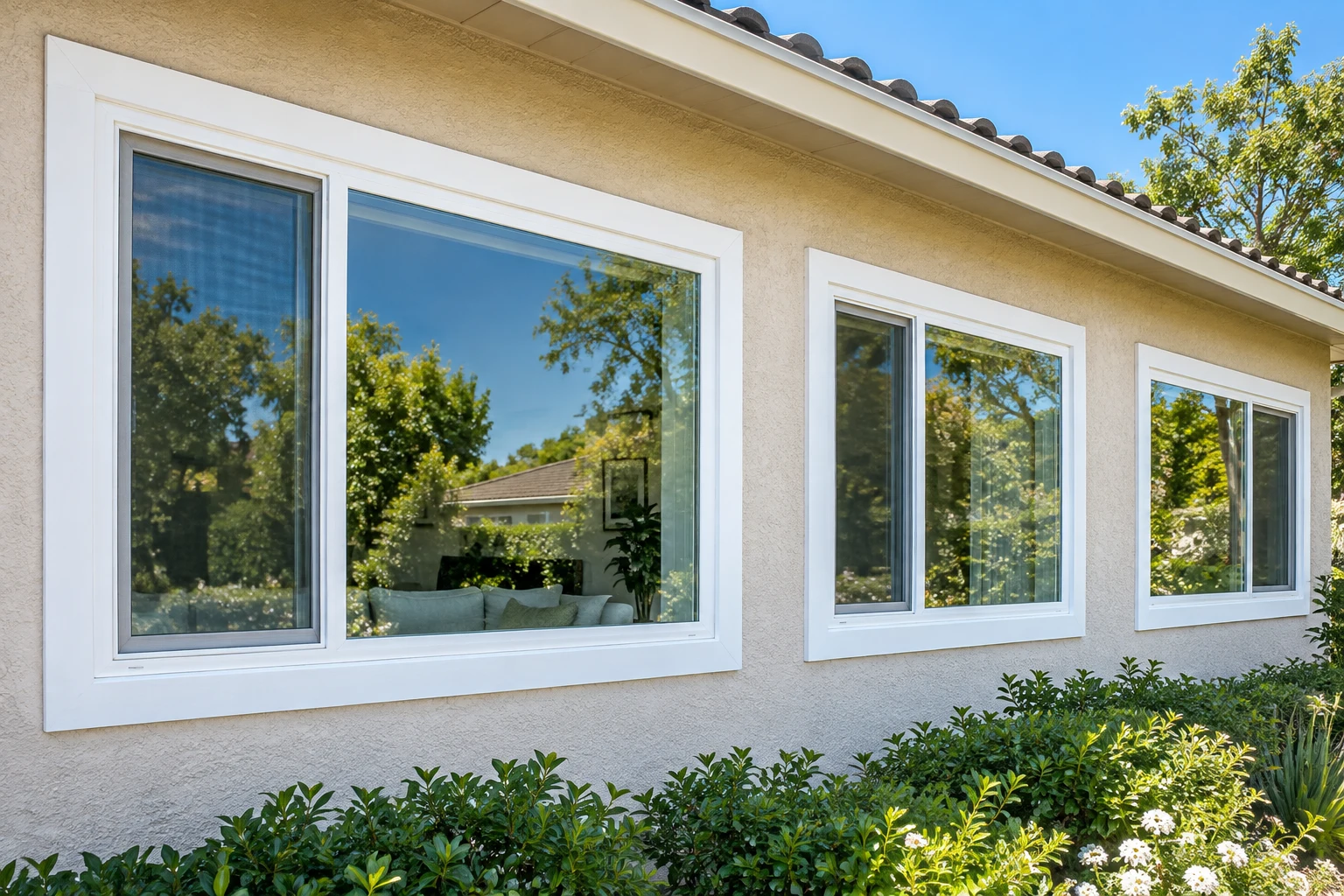
The best windows for traffic noise reduction typically use dual-pane insulated glass with laminated glass technology. These windows help reduce outside sounds from busy roads, intersections, motorcycles, and neighborhood traffic by limiting sound vibrations before they enter the home.
For homes located near busy streets, upgrading older single-pane or aluminum windows can make a noticeable difference in indoor comfort and noise control.
- Noise Reduction & Home Comfort
Tired of hearing cars, motorcycles, and street noise inside your home? The right replacement windows can significantly reduce outside noise while improving comfort, energy efficiency, and everyday living.
Helping Southern California homeowners create quieter, more comfortable homes with premium replacement windows.
Summary
- Laminated glass is one of the most effective window upgrades for traffic noise reduction.
- Dual-pane windows help reduce outside noise more effectively than single-pane windows.
- Modern replacement windows can improve both acoustic comfort and energy efficiency.
- Older aluminum and single-pane windows often allow significant sound transmission.
- Noise-reducing windows are especially beneficial near busy roads and urban areas.
Why Traffic Noise Gets Inside Your Home
If you live near a busy street, major roadway, school zone, or commercial area, unwanted noise can become a daily frustration. Cars, trucks, motorcycles, emergency vehicles, and neighborhood activity create sound waves that travel through the weakest parts of a home’s exterior.
Windows are often one of the largest contributors to sound intrusion. Older single-pane windows, aging aluminum frames, and worn weather seals allow outside noise to pass into living spaces much more easily than modern replacement windows.
While curtains and blinds may help soften echoes inside a room, they do little to stop sound from entering through the glass itself. Upgrading to noise-reducing replacement windows addresses the source of the problem rather than simply masking it.
What Makes a Window Better at Reducing Traffic Noise?
Not all replacement windows provide the same level of sound control. Some window systems are specifically engineered to reduce outside noise by limiting vibration and improving insulation between the interior and exterior environments.
Several factors contribute to better acoustic performance:
- Laminated glass construction
- Dual-pane insulated glass units
- Dissimilar glass thicknesses
- High-quality weather seals
- Insulated vinyl window frames
- Professional installation that minimizes air gaps
When these components work together, they help reduce the amount of sound that enters the home and create a quieter indoor environment.
Why Laminated Glass Is Often the Best Choice
For homeowners dealing with constant traffic noise, laminated glass is often the most effective upgrade available. Laminated glass consists of multiple layers of glass bonded together with a specialized interlayer that helps absorb sound vibrations.
As sound waves strike the glass, the interlayer helps dampen the vibrations before they can pass into the room. This makes laminated glass particularly effective against common urban noises such as traffic, motorcycles, sirens, and road activity.
Many homeowners notice a significant improvement in indoor comfort after upgrading from older single-pane windows to laminated dual-pane replacement windows.
Older Windows Often Allow More Sound Transmission
Many Southern California homes still have original aluminum or single-pane windows that were not designed with modern acoustic performance in mind.
These older systems often have:
- Minimal insulation between indoors and outdoors
- Poor weather sealing
- Thin glass construction
- Aging hardware and frame components
- Greater air leakage around the window perimeter
Even small gaps around older windows can allow both air and noise to enter the home, reducing comfort throughout the day and night.
Signs Your Windows May Be Contributing to Noise Problems
- You frequently hear passing vehicles inside the home.
- Motorcycles and trucks sound unusually loud indoors.
- You live near a busy road or intersection.
- Your home still has single-pane windows.
- You can feel drafts around the window frame.
- Outside conversations are easily heard indoors.
- Noise disrupts sleep, work, or relaxation.
If these situations sound familiar, upgrading your windows may help improve both comfort and quality of life.
Benefits of Noise-Reducing Replacement Windows
Beyond reducing unwanted sound, modern replacement windows provide several additional benefits for homeowners.
- Quieter indoor living spaces
- Improved sleep quality
- Enhanced work-from-home environments
- Better energy efficiency
- Reduced air infiltration
- Increased home value
- Improved year-round comfort
For homes located near busy roads or urban environments, noise-reducing windows can make a noticeable difference in everyday comfort while delivering the energy-saving benefits expected from modern replacement windows.
At a Glance
- Intent
Noise Reduction
- Problem
Street Noise
- Climate
Urban Noise
- Recommended Solution
Laminated Dual-Pane Windows
Technical Explanation: How Windows Reduce Traffic Noise
Sound travels through the air as vibrations. When those vibrations reach a window, some are reflected while others pass through the glass and frame into the home. The amount of sound transmitted depends on the window’s construction, glass configuration, frame material, and overall installation quality.
Single-Pane vs. Dual-Pane Windows
Single-pane windows provide minimal resistance to sound transmission because there is only one layer of glass separating the interior from the outside environment.
Dual-pane windows introduce an insulating airspace between two panes of glass. This additional barrier helps reduce the amount of sound energy that passes through the window system.
Laminated Glass Technology
Laminated glass uses two layers of glass bonded together with a specialized acoustic interlayer. This interlayer absorbs and dampens sound vibrations, reducing the transmission of outside noise into the home.
Laminated glass is particularly effective for reducing traffic noise, motorcycles, sirens, and other common urban sounds.
Sound Transmission Class (STC)
Window acoustic performance is often measured using a Sound Transmission Class (STC) rating. Higher STC ratings indicate better resistance to airborne sound transmission.
While standard single-pane windows typically have lower STC ratings, modern laminated dual-pane window systems can achieve significantly improved acoustic performance.
Frame Material Matters
Window frames also contribute to sound control. Vinyl frames generally provide better insulation than older aluminum frames, helping reduce both sound transmission and thermal transfer.
Installation Quality
Even the best acoustic glass cannot perform properly if gaps exist around the window frame. Professional installation helps ensure airtight sealing around the perimeter, reducing both noise leakage and energy loss.
When combined, laminated glass, dual-pane construction, insulated frames, and proper installation create a window system that helps reduce outside noise while improving comfort and energy efficiency throughout the home.
Related Window Answers
Not sure if this is the right answer? Explore other options homeowners commonly consider.
【19†How are retrofit windows installed? Retrofit windows are installed within the existing window frame, allowing homeowners to upgrade their windows without removing exterior stucco, siding, or surrounding wall materials. The installer removes the old operable window components, prepares the opening, and secures the new replacement window inside the existing frame.
In many Southern California homes, retrofit installation uses a flush-fin design that covers the original window frame while preserving the home’s exterior finish. This approach minimizes disruption, reduces installation time, and provides a clean finished appearance. When performed correctly, retrofit window installation improves energy efficiency, comfort, and curb appeal while avoiding the cost and complexity of full structural window replacement. Learn More】
【20†How do I know if my windows need replacing? Common signs your windows need replacing include drafts, rising energy bills, condensation between glass panes, difficulty opening or closing windows, outside noise entering the home, and visible deterioration of frames or seals. While some minor issues can be repaired, many older windows lose their ability to insulate, seal properly, and provide comfort.
Replacing outdated windows with modern energy-efficient models can improve comfort, reduce heat transfer, and help lower cooling and heating costs. If your windows are more than 15 to 20 years old and multiple symptoms are present, replacement may be the most effective long-term solution. Learn More】
【21†Do dual-pane windows reduce noise? Yes, dual-pane windows can reduce outside noise compared to older single-pane windows. The second pane of glass and insulated airspace help create an additional barrier that limits sound transmission into your home. However, not all dual-pane windows provide the same level of noise reduction.
Standard dual-pane windows help reduce everyday sounds such as neighborhood activity, barking dogs, and moderate traffic noise, while advanced options featuring laminated glass or dissimilar glass thicknesses can provide even greater sound control. If exterior noise regularly disrupts your comfort, upgrading to modern replacement windows may help create a quieter and more peaceful indoor environment. Learn More】
【22†What are the best replacement windows for old aluminum windows? The best windows for replacing old aluminum windows are typically energy-efficient vinyl retrofit windows with Low-E glass and dual-pane insulated glass units. These modern window systems provide significantly better insulation, improved comfort, reduced heat transfer, and lower maintenance requirements compared to older aluminum-frame windows.
For many Southern California homes, retrofit installation methods allow new windows to be installed without removing exterior stucco, helping preserve the home’s weather barrier while delivering modern performance and appearance. Learn More】
【23†Do replacement windows actually lower energy bills? Yes, modern energy-efficient replacement windows can help lower energy bills by reducing heat transfer, minimizing air leakage, and improving overall insulation. While savings vary based on climate, home construction, and existing window condition, many homeowners experience reduced heating and cooling costs after upgrading older single-pane or inefficient windows. Windows are a critical part of the home’s building envelope.
When older windows allow excessive heat gain, heat loss, or air infiltration, HVAC systems must work harder to maintain comfortable indoor temperatures. Energy-efficient replacement windows help reduce this workload and improve overall home performance. Learn More】
【24†What is the difference between Low-E glass and standard glass? Low-E glass is designed to reflect heat while allowing natural light to pass through, making it significantly more energy efficient than standard clear glass. Compared to standard glass, Low-E glass helps reduce solar heat gain, improve indoor comfort, block harmful UV rays, and support lower heating and cooling costs.
For most Southern California homeowners, Low-E glass is the preferred option because it helps keep homes cooler during hot weather while protecting furniture, flooring, and interior finishes from sun damage. Learn More】
【25†Are energy-efficient replacement windows worth the cost? For many homeowners, energy-efficient windows are worth the investment because they help reduce heat transfer, improve indoor comfort, lower strain on heating and cooling systems, and enhance overall home value. While energy savings vary by home and climate, modern windows often provide benefits that extend beyond utility bill reductions.
Homes with older single-pane windows, failing seals, or outdated aluminum frames typically see the greatest improvements after upgrading to modern energy-efficient replacement windows. Learn More】
【26†Should I choose retrofit windows or new construction windows for my home? Retrofit windows are installed within an existing window frame, making them the most common and cost-effective choice for replacement window projects. New construction windows require removing the existing frame and surrounding materials, making them more suitable for major renovations, new builds, or homes with structural damage.
For most Southern California homes with stucco exteriors and existing aluminum windows, retrofit installation is often the preferred solution because it minimizes disruption while improving energy efficiency and appearance. Learn More】
Serving Homeowners Throughout Southern California
Total Home Windows provides professional window replacement services across Southern California. Explore nearby service areas to learn about local window solutions, climate considerations, and replacement options available in your community.
Fullerton Total Home Windows helps Fullerton homeowners solve a frustrating problem that feels bigger than it should: the AC is running, the house is still warm, and certain rooms never seem comfortable. In many Southern California homes, the real heat source […] Learn More
Orange Total Home Windows helps Orange homeowners solve one of the most frustrating comfort problems in Southern California: a house that still feels hot, uneven, and expensive to cool even when the AC keeps running. In many cases, the windows are […] Learn More
Santa Ana Total Home Windows helps Santa Ana homeowners solve heat, comfort, and energy-loss problems at the window level. If your house feels hot by late afternoon, your AC runs for hours, and certain rooms still never feel right, the issue may […] Learn More
Anaheim Total Home Windows helps Anaheim homeowners solve a problem that feels familiar across the city: the house stays hot even while the AC keeps running. In many cases, the issue is not the air conditioner first. It is the windows. […] Learn More
Burbank If your Burbank home still feels hot even with the AC running, your windows are likely the source of the problem. Total Home Windows identifies exactly where heat is entering and replaces inefficient windows with high-performance solutions that improve comfort […] Learn More
Glendale If your home in Glendale feels hot even with the AC running, your windows are likely the cause. Total Home Windows identifies exactly where heat is entering and replaces inefficient windows with solutions designed to keep your home comfortable. Most […] Learn More
Pasadena If your Pasadena home feels hot even with the AC running, your windows are likely the source of the problem. Total Home Windows identifies exactly where heat is entering and replaces inefficient windows with solutions designed to keep your home […] Learn More
Costa Mesa If your house in Costa Mesa still feels hot even when the AC is running, your windows may be the real problem. In many local homes, heat enters through older glass, worn seals, and inefficient frames, forcing your AC to […] Learn More
Los Angeles Why Do Los Angeles Homes Overheat—Even with the AC Running? Direct answer: In Los Angeles, overheated rooms and high summer energy bills are almost always traced back to old or inefficient windows—not your air conditioner. At Total Home Windows, we […] Learn More
Long Beach Total Home Windows helps Long Beach homeowners solve a problem that looks like an AC issue but often starts at the glass and frame. If your house stays hot even while the air conditioner runs, the windows are often the […] Learn More
Frequently Asked Questions
Do replacement windows reduce traffic noise?+
Yes. Modern replacement windows with dual-pane and laminated glass can significantly reduce outside traffic noise compared to older single-pane windows.
What type of window is best for noise reduction?+
Laminated dual-pane windows generally provide the best balance of noise reduction, energy efficiency, and long-term value for residential homes.
Are dual-pane windows quieter than single-pane windows?+
Yes. Dual-pane windows create an insulating space between glass panes that helps reduce sound transmission from outside.
Can windows block motorcycle and road noise?+
While no window can eliminate all sound, laminated glass windows can significantly reduce common traffic noises such as motorcycles, cars, trucks, and street activity.
Do vinyl windows reduce noise better than aluminum windows?+
Vinyl frames generally provide better insulation and noise reduction than older aluminum frames, which can transfer sound more easily.
Are noise-reducing windows worth it?+
For homes near busy streets or urban areas, noise-reducing windows can improve comfort, sleep quality, and overall enjoyment of the home.
NEXT STEP
Enjoy a Quieter Home With Noise-Reducing Windows
If outside traffic noise is affecting your comfort, modern replacement windows may help create a quieter indoor environment. Total Home Windows offers energy-efficient replacement windows designed to reduce sound transmission while improving comfort and appearance.
Schedule a free consultation to explore window options that fit your home’s location, noise concerns, and budget.
Call: (310) 729-3013
Request Free Estimate